



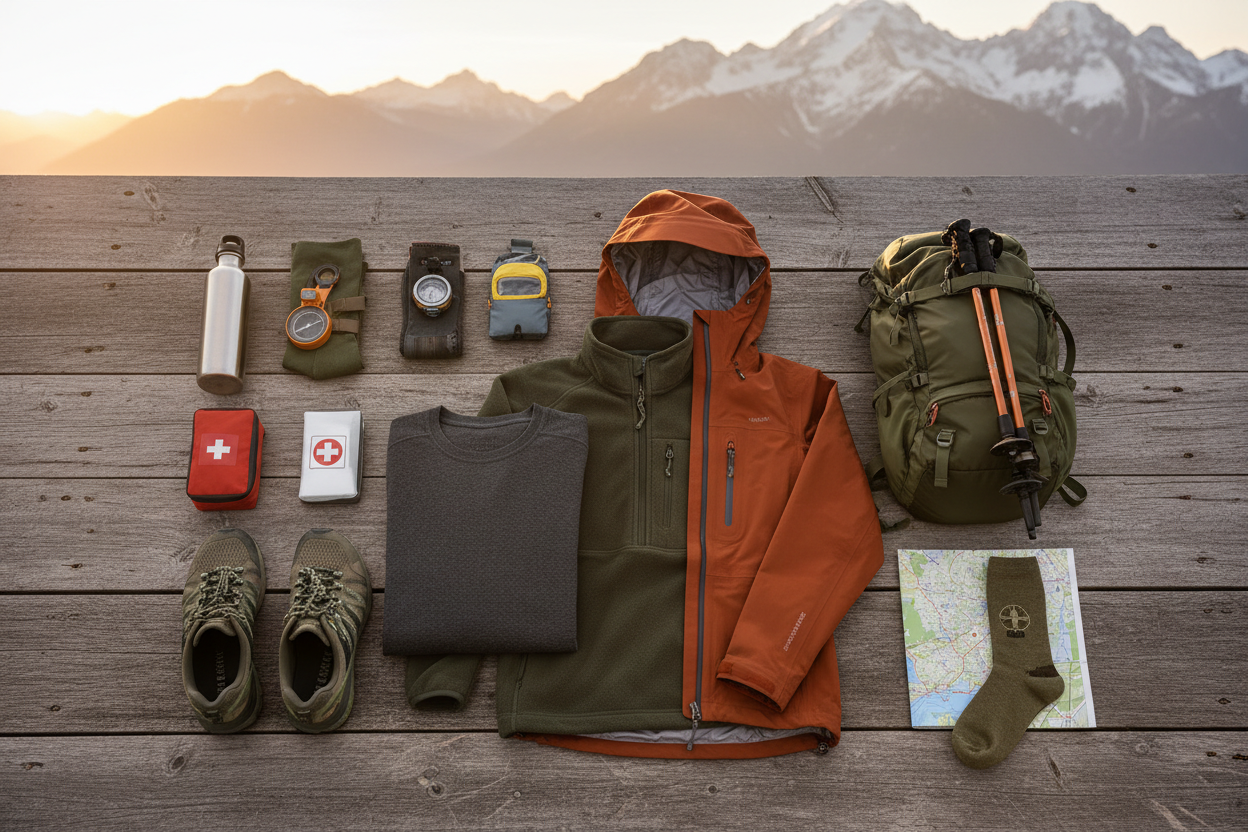
The Layering Principle for Hiking
⏱ Reading time: approx. 9 min.
Imagine you're on a hike, the sun is shining, but suddenly the wind howls around your ears. Or a rain shower surprises you in the middle of an ascent. Without the right clothing, such an experience quickly becomes torture instead of enjoyment.
Many hikers underestimate how quickly the weather can change in the mountains or even in flat terrain. Incorrect attire can not only be uncomfortable but, in the worst case, even pose health risks if the body cools down or overheats.
But don't worry! With the layering principle, you remain flexible and can easily adapt your clothing to any conditions. We'll show you how to optimally protect yourself and enjoy your hikes in any weather.
The layering principle is a proven clothing method that allows for flexible adaptation to changing weather conditions and physical activity during hiking by wearing several thin layers.
Brief Summary
- Several thin layers effectively regulate body temperature.
- Functional materials are better than cotton as they wick away moisture.
- The base layer wicks away sweat, the insulation layer retains warmth.
- The outer layer protects against wind and rain.
Why the Layering System is So Important for Trekking
Imagine starting your tour in the cool morning hours, the sun breaks through, and a thunderstorm rolls in during the afternoon. A single, thick piece of clothing cannot keep up here. It will either be too warm or provide insufficient protection against wetness or wind.
The layering principle, also known as the layering system, allows you to flexibly adjust your clothing. You can add or remove layers to maintain your body temperature optimally. This prevents both hypothermia and overheating, which is crucial on long tours.
A typical example: During an ascent, your body produces a lot of heat. You sweat. If you then remove a layer, your body stays dry, and your performance is maintained. In contrast, cotton would absorb the sweat and cool you down with the next gust of wind.
Understanding the Three Main Layers
The layering principle is based on three fundamental layers, each serving a specific function. This structure ensures maximum comfort and protection in changing conditions.
Each layer works hand in hand with the others to create an ideal microclimate directly on your skin. This is the key to an enjoyable hiking experience, no matter what the weather has in store.
A well-thought-out combination of these layers is the guarantee for a successful hike. This way, your focus remains on nature and not on uncomfortable clothing.
Function and Material of the Base Layer
The base layer, also known as the first layer or underwear, lies directly on your skin. Its main task is moisture management.
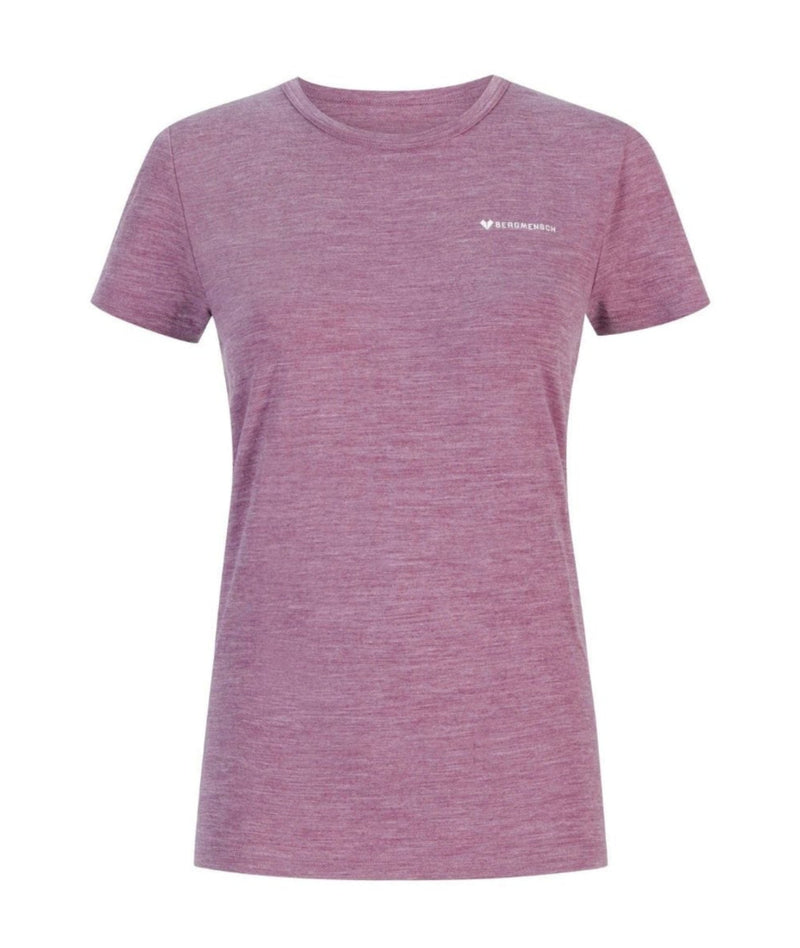
Materials like Merino wool or synthetic fibers like polyester are the first choice here, as they have excellent moisture-wicking properties.
Cotton is absolutely unsuitable for this layer, as it stores moisture and quickly cools the body during breaks or in windy conditions. A good base layer is the foundation for your well-being.
Avoiding Common Layering System Mistakes
Even experienced hikers sometimes make mistakes when applying the layering principle. A common problem is the wrong choice of material, which nullifies the entire effect. Cotton is the biggest culprit here.
Another mistake is underestimating the importance of breathability. A jacket may be waterproof, but if it doesn't allow sweat to escape, you'll get wet from the inside, which is just as uncomfortable as rain from outside.
Avoiding these pitfalls is crucial for an optimal hiking experience. Pay attention to the details, and your body will thank you.
Cotton: The Hiker's Enemy
Cotton is cozy and soft, but for outdoor activities, especially hiking, it is absolutely unsuitable. Why? Cotton absorbs moisture and stores it.
When you sweat, your cotton T-shirt becomes soaked and dries very slowly. The result is that your body quickly cools down during breaks or in windy conditions, which increases the risk of hypothermia. This phenomenon is known as the "Cotton Kills" effect.
Avoid cotton in all layers that have direct skin contact or serve for insulation. Instead, opt for functional materials that are specifically designed for moisture transport. Here you can find more tips on the right equipment.
Too Many or Too Few Layers
Another problem is the wrong ratio of layers. Too many thick layers quickly lead to overheating and excessive sweating, which paradoxically can also lead to cooling down if the clothes are soaked.
Too few layers, on the other hand, do not offer enough protection against cold or wind, which quickly exhausts your body. It's about finding a balance tailored to the weather conditions and your activity.
Rather start with fewer layers and pack additional, light insulation layers in your backpack. This way, you can react flexibly and avoid unnecessary bulk or lack of protection.
Myth vs. Fact
Myth
The thicker the clothing, the warmer.
Fact
Several thin layers insulate better than one thick one, as they trap more air and are more flexibly adaptable.
Practical Tips for Layering Principle Outfits
Theoretical knowledge about the layering principle is one thing, practical implementation another. There are some simple rules that help you optimally put together your outfit and get the most out of your layers.
Always remember that clothing should not only keep you warm but also provide freedom of movement. An outfit that is too tight or too loose can significantly impair comfort and even disrupt the function of the layers.
With a few clever tricks, putting on and taking off layers will become second nature, something you'll soon not want to do without.
The Right Fit and Freedom of Movement
Each layer should fit well but not restrict. The base layer should be snug to effectively wick away sweat. If it's too loose, moisture can accumulate.
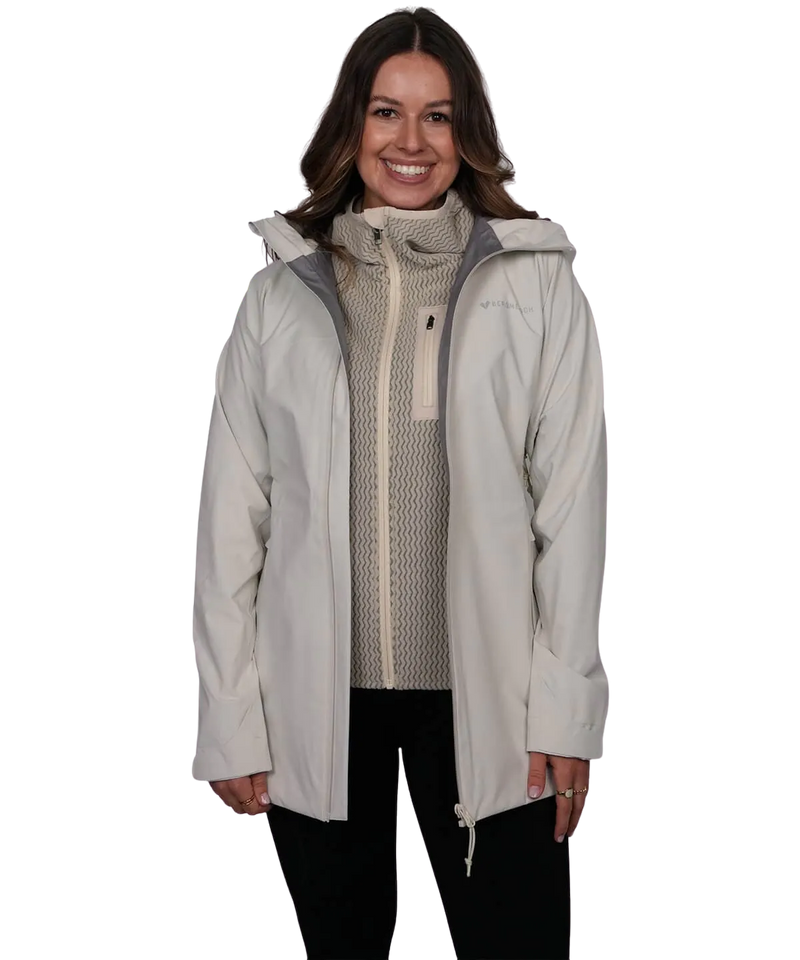
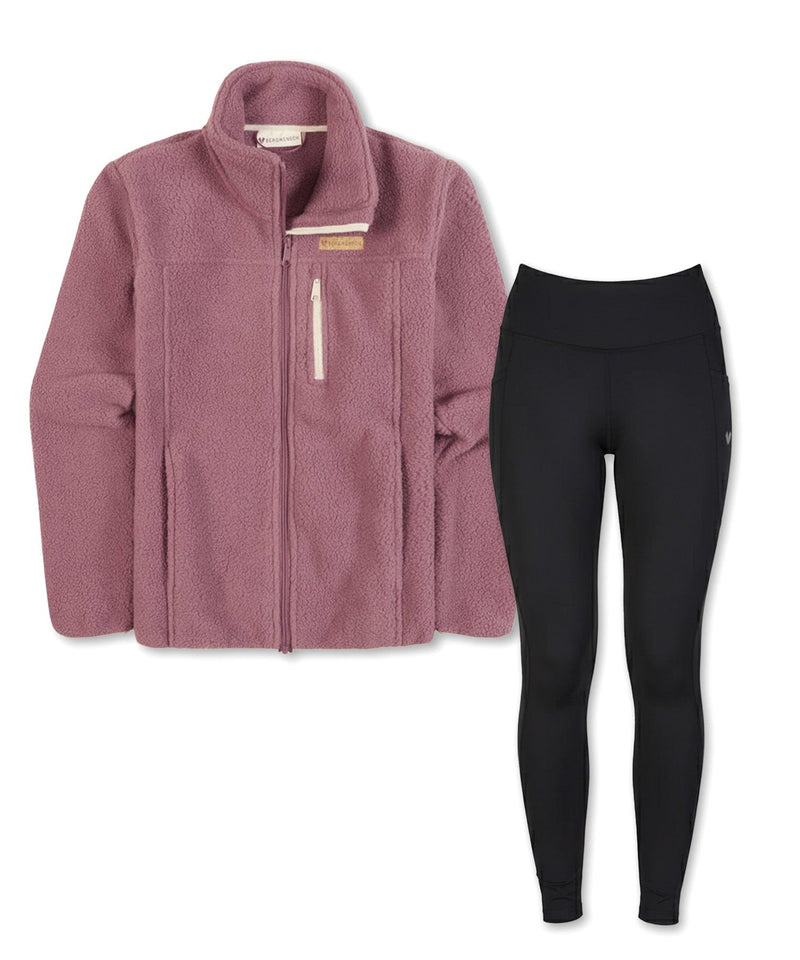
The insulation layer can be a bit looser to create air pockets, but not so loose that it bunches up under the outer layer or restricts movement. The outer layer should be roomy enough to accommodate all underlying layers without straining.
Look for ergonomic cuts and stretchy materials that move with you. Only then can you move freely on demanding hikes.
Don't Forget Accessories
Besides the three main layers, accessories also play a crucial role. Head, hands, and feet lose a lot of heat and require special protection.
A hat or a headband is essential to keep the head warm. Gloves protect the hands from cold and wind. For socks, you should also opt for functional materials like merino wool or synthetics to prevent blisters and moisture.
Also, consider a light scarf or a multifunctional cloth that can serve as neck protection or additional headwear. These small helpers complete your layering principle outfit and offer additional comfort.
Layering Principle for Different Seasons
The layering principle is not only relevant for cold winter hikes but also offers significant advantages in spring, summer, and autumn. The number and thickness of layers, of course, vary greatly depending on the season and region.
In spring and autumn, temperature fluctuations are often the greatest, which makes the layering system particularly valuable. In summer, it's more about having light protective layers against sun, wind, and sudden rain showers.
The adaptability of this principle makes it a universal companion for all outdoor activities, all year round.
Summer: Light Layers against Sun and Showers
In summer, it might be tempting to just wear a T-shirt. But even in high temperatures, the layering principle makes sense. A light base layer made of merino wool or synthetics protects against sunburn and wicks away sweat.
A thin, breathable mid-layer can offer protection in the evening or in windy conditions. An ultra-light rain jacket in your backpack is worth its weight in gold if a summer thunderstorm surprises you. This not only protects against wetness but also against wind.
Think about headwear for sun protection and sunglasses. Even in summer, protection from the elements is important, albeit with lighter materials.
Winter: Maximum Insulation and Cold Protection
In winter, the layering principle is indispensable. Here, often thicker insulation layers are used, sometimes even two mid-layers on top of each other, to ensure maximum warmth.
The base layer should consist of thicker merino wool or a warm synthetic material. A high-quality down or synthetic fiber jacket forms the main insulation layer, complemented by a wind and waterproof hardshell.
Don't forget warm gloves, a thick hat, and possibly a balaclava. Insulated trousers are also advisable in winter. The focus is on maintaining core body temperature, even in icy conditions.
In short: The layering principle adapts to every season, from light protective layers in summer to maximum insulation in winter, to always provide optimal comfort.
Frequently Asked Questions
Conclusion on the flexible layering system
The layering principle is far more than just a recommendation; it is a well-founded strategy to optimize your hiking experiences in any weather. It allows you to react flexibly to changing conditions and always keep your body temperature within the optimal range.
Investing in high-quality functional materials for each of the three layers – base layer, insulation layer, and weather protection – pays off in the long run. You benefit from greater comfort, better performance, and a significantly reduced risk of weather-related ailments.
Take the time to carefully put together your personal layering outfit. Experiment with different materials and layer combinations to find out what works best for you. This way, you are well-equipped for every adventure that nature has in store for you!













Share:
Which jacket for continuous rain?
Merino wool base layer - the system