



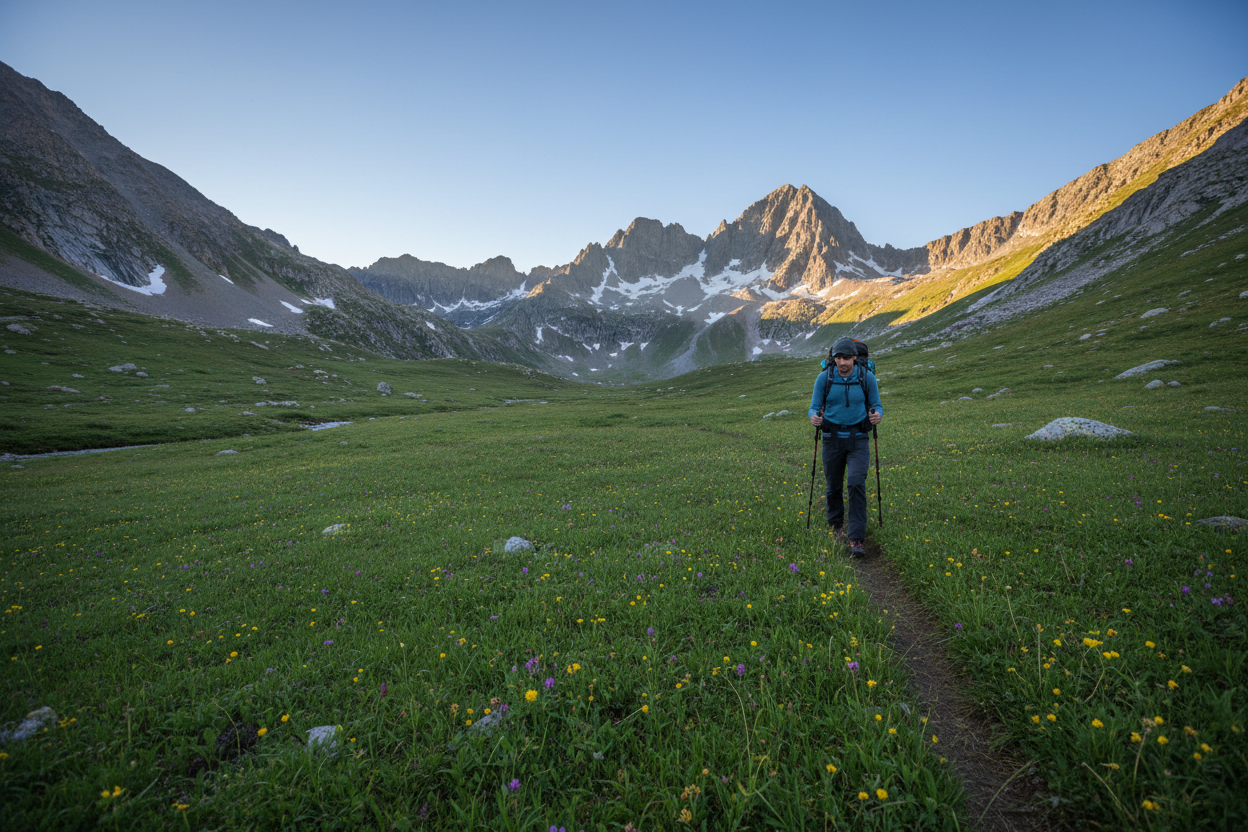
Merino Wool Baselayers
The Merino baselayer system is a layering garment system based on the unique properties of merino wool, specifically designed to regulate body temperature during a wide range of activities and weather conditions.
Anyone who spends a lot of time outdoors knows the problem: you either freeze as soon as you stop, or you sweat profusely during an ascent. This is where the sophisticated layering principle comes in, to keep you optimally temperate at all times.
This system offers you effective moisture wicking and excellent insulation, whether you're hiking, skiing, or simply enjoying nature. You'll be surprised how much comfort a well-thought-out baselayer system can provide.
In short
- Merino wool effectively regulates body temperature through its fine fibers.
- The baselayer system is based on the onion principle: multiple layers for optimal adaptation.
- Merino wicks away moisture and keeps you warm even when wet, which cotton cannot.
- The right choice of layers is crucial for comfort and performance during outdoor activities.
How does the layering principle work with merino wool?
The layering principle with merino wool utilizes the unique properties of the natural fiber to ensure optimal climate regulation on the body. It's about intelligently combining different layers of clothing, each fulfilling specific functions to keep you comfortable at various temperatures and activity levels.
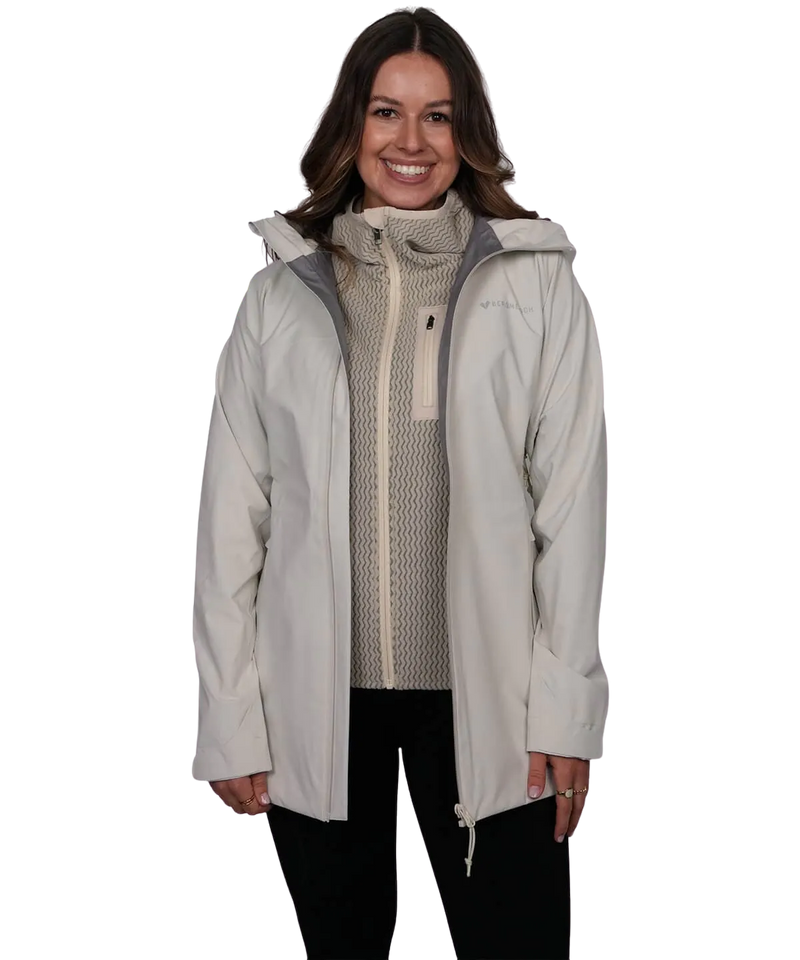
A typical system consists of three main layers: the baselayer directly on the skin, an insulation layer, and a weather protection layer. Merino wool is primarily used in the baselayer, but can also excel in lighter midlayers.
The first layer: The merino wool baselayer
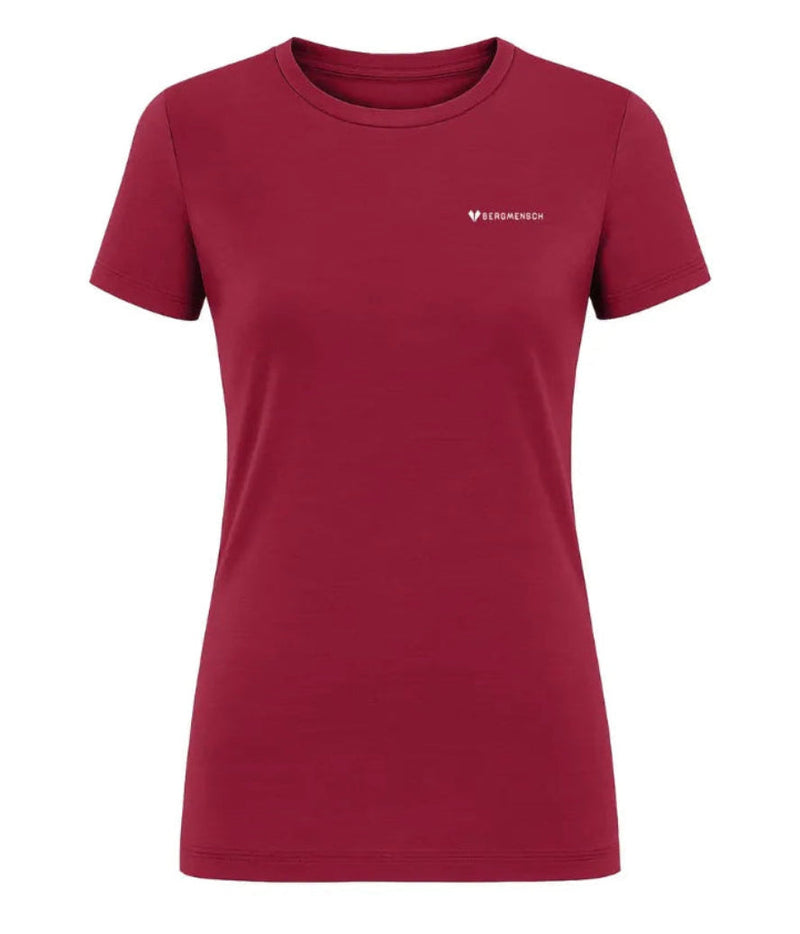
The merino wool baselayer forms the foundation of your system. Its main task is to wick moisture away from the skin while providing light insulation. Merino fibers are extremely fine, about 1/3 as thick as human hair, which makes them particularly soft and non-scratchy.
These fibers can absorb up to 35% of their own weight in moisture without feeling wet. This is crucial, as wet skin cools down quickly. Merino wool effectively transports water vapor to the outside, where it can evaporate.
Another advantage is the natural odor resistance of merino wool. The fibers bind odor-causing bacteria, so you stay fresh even after extended wear. This makes them ideal for multi-day tours without laundry facilities.
The second layer: Insulation and warmth
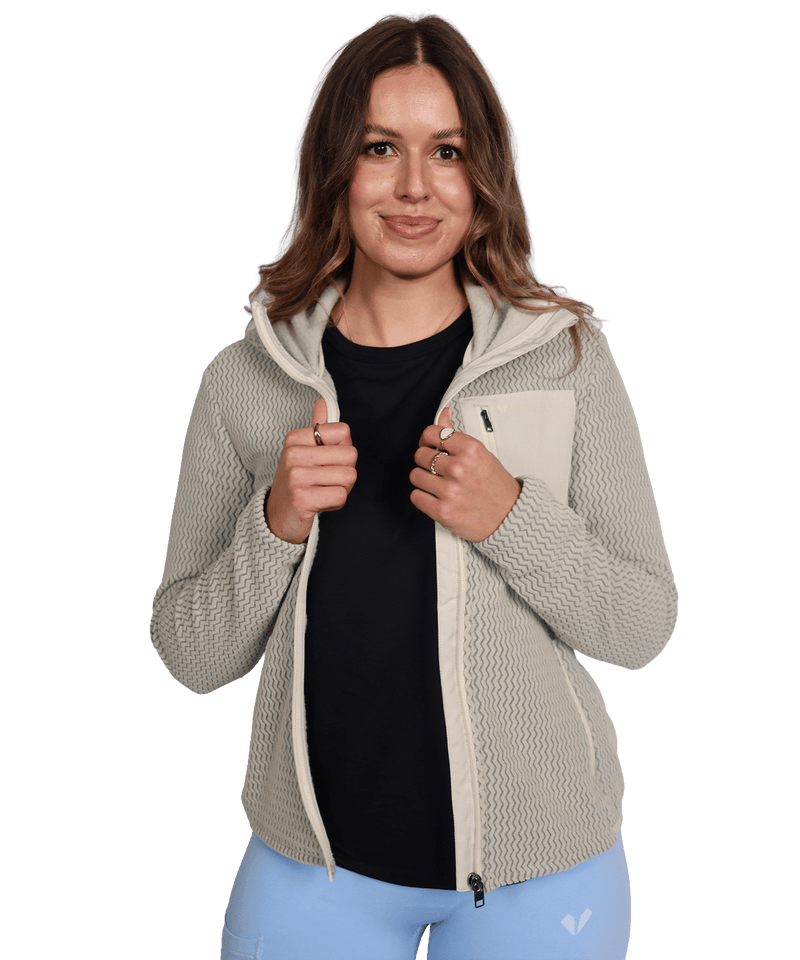
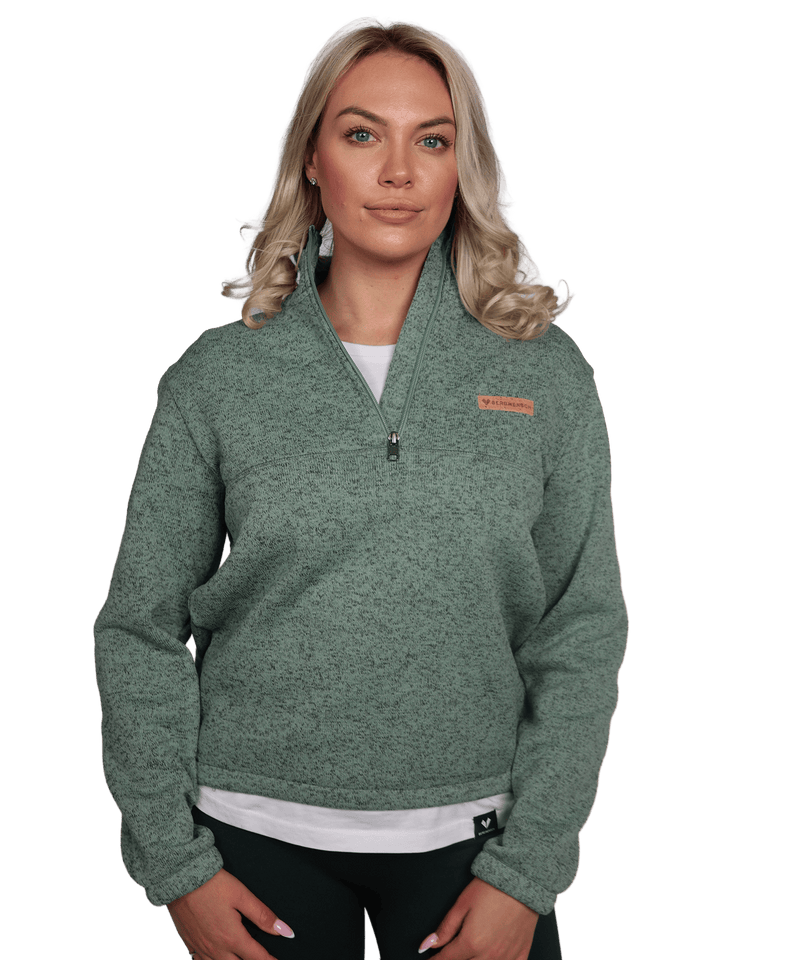
Over the baselayer follows the insulation layer, often a midlayer. This layer serves to trap air, creating a warming barrier. Materials such as fleece, down, or even thicker merino wool sweaters are used here.
A merino wool midlayer offers the advantage of continuing the moisture-regulating properties of the baselayer. It is breathable and prevents heat buildup, which could lead to excessive sweating. This keeps your body climate stable.
You choose the thickness of the midlayer depending on the outside temperature and activity level. For intense exercise and mild temperatures, a thinner midlayer is sufficient, while in cold weather and low activity, stronger insulation is required.
The third layer: Protection from weather influences
The outermost layer, the so-called hardshell or softshell, protects you from wind, rain, and snow. It should be wind and water-resistant or waterproof, but at the same time breathable, to allow moisture transported from the lower layers to escape.
Without a breathable outer layer, moisture would accumulate under the jacket, negating the effect of the merino wool. The combination of all three layers ensures an optimal microclimate directly on your skin.
Remember that each layer plays a specific role. The system is only as effective as its weakest component. A good hardshell lets moisture through, while a poor one retains it – that's the difference between comfort and chilling.
Practical Tip
Choose the thickness of your baselayer according to the activity and temperature. For high-intensity sports in mild weather, light 150 g/m² merino wool is sufficient, while for winter hikes or ski tours, 200 g/m² or more makes sense.
What advantages does merino wool offer over synthetic fibers?
Merino wool offers a range of advantages that set it apart from synthetic fibers, especially in terms of temperature and moisture regulation. The natural fiber is not only functionally superior but also provides a more comfortable feel in various conditions.
A crucial difference lies in the fiber structure: merino wool is a protein fiber with a complex surface, while synthetic fibers are smooth and homogeneous. This structure significantly influences how moisture and odors are handled.
Excellent temperature regulation
Merino wool has a natural crimp that creates tiny air pockets. These air layers act as insulation and help to retain body heat in cold conditions. At the same time, the fiber effectively wicks away excess heat during exertion.
This means that merino wool both warms and cools you – a phenomenon rarely found in synthetic fibers in this form.
Synthetic fibers, on the other hand, often only insulate when dry and can quickly lead to an uncomfortable heat buildup when overheating. Merino wool offers significantly higher adaptability to ambient temperatures.
Efficient moisture management
The greatest advantage of merino wool is its ability to absorb moisture in vapor form and release it to the outside without feeling wet. This is a hygroscopic process that works differently in synthetic fibers.
Synthetic fibers primarily transport moisture over the surface of the fibers (capillary action), but absorb little water themselves. This means that when you sweat heavily, they quickly feel clammy and cool the skin. Merino wool, however, absorbs sweat into its interior.
Even when wet, merino wool retains most of its thermal performance. This is a game-changer if you get sweaty in cold temperatures and then take a break. Cotton, for example, completely loses its insulating properties as soon as it is wet.
Natural odor resistance
An often underestimated advantage of merino wool is its excellent odor neutrality. The fibers have a complex chemical structure that inhibits the growth of odor-causing bacteria. This is due to the protein structure of the wool.
Synthetic fibers, however, often provide an ideal breeding ground for bacteria, which quickly leads to unpleasant odors. You can wear a merino shirt for several days without it starting to smell, while a synthetic fiber shirt often smells after just a few hours.
This property makes merino wool particularly attractive for longer trips or trekking tours where you want to carry minimal luggage. Less laundry means less weight and more comfort on the go.
In short: Merino wool surpasses synthetic fibers in temperature regulation, moisture management, and odor resistance due to its natural fiber structure and chemical composition.
Which merino wool strengths are ideal for which activity?
Choosing the right merino wool weight is crucial for the comfort and functionality of your baselayer. Merino wool is measured in grams per square meter (g/m²), which indicates its density and thus its warmth and insulation properties. A wrong choice can quickly lead to overheating or hypothermia.
There is no "one size fits all" solution. Rather, the ideal weight depends on the intensity of your activity, the prevailing temperatures, and your personal preferences. A light baselayer for summer differs significantly from one for winter.
Lightweight Merino Wool (120-150 g/m²)
Lightweight merino wool with a density of 120 to 150 g/m² is perfect for high-intensity activities in mild to warm temperatures. Think trail running, mountain biking in summer, or fast hikes.
These thin fabrics are extremely breathable and wick moisture away from the skin in a flash. Their weight is barely noticeable.
For example: On a mountain tour in midsummer, where you sweat a lot, a 120 g/m² shirt keeps you dry and cool. It feels almost like a second skin and dries very quickly when you take a break.
Midweight Merino Wool (180-200 g/m²)
The midweight category of 180 to 200 g/m² is the all-rounder among merino wool baselayers.
This weight is ideal for hikes in spring and autumn, ski tours in moderate temperatures, or even everyday wear during transitional seasons.
Many outdoor enthusiasts swear by 200 g/m² as the go-to baselayer, as it has proven to be extremely versatile. It works well as a first layer under a midlayer or even alone in cooler, but not icy cold, conditions.
What option fits?
Lightweight (120-150 g/m²) – For fast activities
Ideal for high-intensity sports like trail running or cycling in mild temperatures. Maximum breathability and rapid moisture wicking.
Midweight (180-200 g/m²) – The all-rounder
Perfect for versatile outdoor activities like hiking, ski touring, or everyday wear in cooler seasons. Balanced insulation and breathability.
Heavyweight (250 g/m² and more) – For extreme cold
Optimal for static activities or very cold conditions like winter camping or ice climbing. Provides maximum warmth and insulation.
Heavyweight Merino Wool (250 g/m² and more)
When temperatures drop and you need maximum warmth, heavy merino wool from 250 g/m² is the right choice. These fabrics are significantly thicker and offer excellent insulation.
Static activities in extreme cold, such as winter camping, ice climbing, or expeditions. Even for people who tend to feel cold quickly, a heavy baselayer can be a good option in winter.
A 260 g/m² baselayer can make all the difference when you're standing in the snow for hours or moving in sub-zero temperatures. It provides a robust thermal barrier and keeps you reliably warm even in adverse conditions. However, the breathability at this weight is lower, which can lead to overheating during very high-intensity activities.
How to care for merino wool properly to extend its lifespan?
Proper care is crucial to maintain the lifespan and functionality of your merino baselayer system. Merino wool is robust, but also sensitive to incorrect treatment. A few simple rules will help you enjoy your garments for a long time.
Many shy away from caring for wool, but merino wool is easier to care for than often assumed.
Washing and Drying: The Basics
Ideally, wash your merino clothing on the wool cycle of your machine at a maximum of 30 °C. Use a special wool detergent that does not contain enzymes, as these can attack the protein fibers. You should completely avoid fabric softener.
After washing, air drying is the best method. Lay the garment flat on a drying rack to prevent stretching. Direct sunlight or heaters can damage the fibers and should be avoided.
A common misconception is that merino wool cannot be machine washed. However, modern machines often have a gentle wool cycle that is suitable for merino wool. Always pay attention to the care label of your garment.
Cost Overview
Merino Baselayer (light):
50 – 100 €
Merino Baselayer (midweight):
70 – 130 €
Merino Baselayer (heavyweight):
90 – 160 €
As of: 2026, information without guarantee
Preventing Pilling and Holes
Pilling, the formation of small knots on the surface, is a natural process with wool. It is caused by friction and can be minimized through proper care. It's best to wash merino clothing inside out to protect the surface.
Holes in merino clothing are often the result of moth infestation. Therefore, always store your merino items clean and dry, ideally in sealable bags or together with cedar wood. Regular airing also helps to keep moths away.
If a small hole does occur, repair it immediately. Merino wool can be easily darned or mended with special patches. This significantly extends the lifespan of your favorite piece. An investment in good merino wool pays off if you care for it properly.
Why is the layer combination so important for outdoor sports?
The right layering combination is key to comfort and performance during outdoor activities. A well-coordinated system allows you to react flexibly to changing weather conditions and different intensities of your movement.
Imagine starting a hike in cool temperatures, but the sun comes out and the ascent becomes steeper. Without a flexible layering system, you would either freeze or quickly overheat and sweat profusely. This is not only uncomfortable but can also be dangerous.
Adaptability to changing conditions
The onion principle allows you to add or remove layers, depending on how the weather or your body temperature develops. Start with a light baselayer and a thin insulation layer when it's cool.
If you get warm, you take off the insulation layer. If it rains, you put on the weather protection jacket. This modular construction is the decisive advantage over a single, thick jacket, which is often either too warm or too cold.
Especially in the mountains, where the weather can change within minutes, this flexibility is essential. A temperature difference of 10 degrees Celsius is not uncommon, and you need to be prepared for that.
Prevention of chilling and overheating
The main goal of the layering principle is to keep your core body temperature stable. Overheating leads to heavy sweating, and when sweat evaporates from the skin, it draws heat away from the body – which can lead to chilling as soon as you move less.
Merino wool in the base layer minimizes this risk by efficiently wicking away moisture and providing warmth even when wet. The combination with breathable mid- and hardshell layers ensures that moisture is continuously transported outwards.
Remember: wet clothing insulates poorly. This is especially true for cotton. A well-functioning merino base layer system keeps you dry and warm, even when you sweat. This is a crucial factor for safety and well-being outdoors.
Did you know?
Merino wool is one of the oldest and most widespread sheep breeds in the world, with origins dating back to the 12th century in Spain.
What role does fiber fineness play in Merino wool?
Fiber fineness is a crucial quality characteristic of merino wool and significantly influences the wearing comfort and functionality of the base layer. Measured in microns (µm), it indicates how thin the individual wool fibers are. The finer the fiber, the softer and less scratchy the material feels.
A low fiber fineness is the reason why merino wool, unlike conventional sheep's wool, does not scratch. The fibers are so thin that they bend when they come into contact with the skin, instead of pricking. This is a great advantage for sensitive skin.
Fineness and wearing comfort
Merino wool with a fineness of under 18.5 microns is considered "superfine" and is particularly soft. This quality is often used for base layers worn directly on the skin, as it offers maximum comfort and does not scratch even sensitive skin.
Fibers over 22 microns, however, can be perceived as scratchy. Fineness also affects the elasticity and durability of the wool. Finer fibers are often slightly more susceptible to abrasion but offer unbeatable wearing comfort.
A base layer made of 17.5 micron merino wool feels luxurious against the skin. This fineness is particularly important because the base layer lies directly on the skin and thus has the greatest impact on your well-being. The choice of fiber fineness is therefore not a trivial matter.
Impact on function and durability
Fiber fineness also affects the functionality of merino wool. Finer fibers can absorb and release moisture more quickly because they have a larger surface area relative to their volume. This improves moisture management.
However, very fine fibers can also be slightly less robust than coarser ones. A base layer made of extremely fine merino wool may require somewhat gentler care and is more susceptible to pilling or small holes due to mechanical stress.
Manufacturers often combine different finenesses or blend merino wool with other fibers to achieve an optimal balance between comfort, function, and durability. This results in blended fabrics that combine the advantages of several materials without losing the core properties of merino wool.
In short: Fiber fineness in microns determines the wearing comfort and functionality of merino wool; finer fibers (under 18.5 µm) are softer and better in moisture management, but potentially less robust.
Frequent Questions
Washing and Drying: The Basics
It's best to wash your merino clothing on the wool cycle of your machine at a maximum of 30 °C. Use a special wool detergent that does not contain enzymes, as these can attack the protein fibers. You should completely avoid fabric softener.
Can Merino wool really work equally well in cold and warm conditions?
Yes, merino wool works equally effectively in both cold and warm conditions because its crimped fibers create tiny air pockets that insulate and at the same time wick away excess heat. These thermoregulating properties allow the wool to dynamically adapt to body temperature and environmental conditions, maintaining a stable microclimate on the skin.
How often do I need to wash my Merino base layer?
You need to wash your merino base layer significantly less often than comparable synthetic fiber products, as merino wool has natural odor resistance. The fibers bind odor-forming bacteria, so you can often wear the garment for several days or even weeks before washing becomes necessary. Simply air it out regularly.
Is Merino wool suitable for allergy sufferers?
Merino wool is well suited for many allergy sufferers because the fibers are extremely fine and soft, which prevents the typical scratching of conventional wool. The fibers bend on skin contact and do not cause irritations that are often mistakenly interpreted as allergies. True wool allergies are rare and mostly due to lanolin, which is only present in small amounts in merino wool.
Why is Merino wool more expensive than other functional materials?
Merino wool is more expensive than other functional materials because the cultivation and processing of merino wool are more elaborate. Merino sheep require special care, and the fine fibers demand particular attention during shearing and further processing. However, the higher quality and unique properties such as temperature regulation and odor resistance justify the price.
Can I tumble dry Merino wool?
No, you should not tumble dry merino wool, as the high temperatures and mechanical stress can damage the delicate fibers. This can lead to shrinking, felting, or damage to the fiber structure. Instead, lay your merino base layer flat on a drying rack and let it air dry to maintain its shape and quality.
Why is Merino wool so well suited for base layers?
The fine fibers also feel soft against the skin and do not scratch.
Does Merino wool scratch the skin?
Unlike traditional sheep's wool, merino wool generally does not scratch. The fibers of merino wool are significantly finer and more flexible, causing them to bend rather than prick. This ensures a pleasantly soft feel, even on sensitive skin.
How do I properly care for my Merino wool base layer?
Merino wool is easier to care for than you might think. Most merino wool products can be machine washed at 30 °C on a gentle cycle. Use a special wool detergent and avoid fabric softener, as this can clog the fibers. It is best to dry your base layer flat on a drying rack to maintain its shape.
Do I need to wash Merino wool base layers after every wear?
No, that's one of the great advantages of merino wool! Thanks to its odor-neutralizing properties, you don't need to wash merino wool base layers after every wear. Often, simply airing them out in the fresh air is enough. This saves water, energy, and preserves the material.
Are there also Merino wool base layers for warmer temperatures?
Yes, absolutely! Merino wool is not just for cold weather. There are very lightweight merino wool qualities (e.g., 150 g/m² or less) that are excellent for warm temperatures or intense activities.
Final thoughts on the Merino Base Layer System
The Merino base layer system is a real game-changer for anyone who spends a lot of time outdoors. It offers an unbeatable combination of comfort, functionality, and adaptability that conventional materials often lack. Investing in high-quality merino clothing pays off with a significantly improved outdoor experience.
Remember that the system is only as good as its individual components and their interaction. Choose your layers consciously and adapt them to the respective conditions. This way, you will always be optimally protected and comfortable on the go.
The natural fiber merino wool is a marvel of evolution that has served humans for centuries. Its unique properties make it the first choice for functional clothing that accompanies you on every adventure.









Share:
The Onion Principle: Hiking in All Weathers
Camino de Santiago Packing List: Companions for the Pilgrimage