



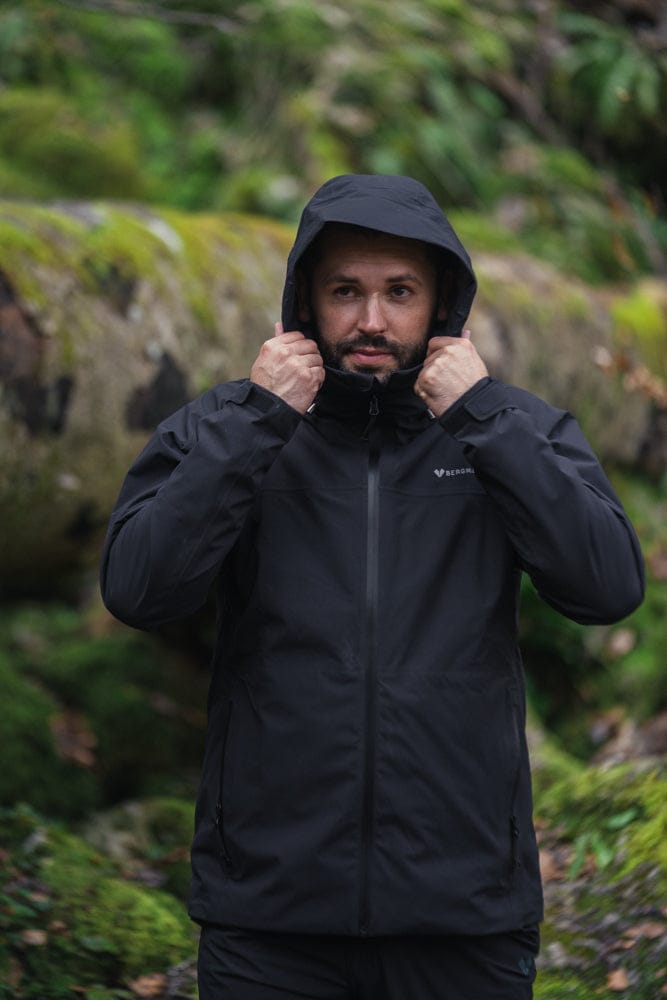
Nasty weather forecast? No problem! Rainy weather doesn't have to mean a bad mood. With the right rain jacket for nasty weather, you'll not only stay dry, but also well-dressed. Whether for the mountain peak, a city stroll, or a bike tour – there's a suitable jacket for every purpose. We'll look at what really matters so you can stay active outdoors even on a gray day.
Key Messages for Nasty Weather and the Right Clothing
-
When buying, pay attention to waterproofing, identifiable by the water column (at least 800mm for "waterproof").
-
The right size and fit are important so that the jacket fits over other clothing and allows freedom of movement.
-
Important features include a well-fitting hood, good ventilation options, and taped seams for full protection.
-
Depending on the area of use – whether mountaineering, everyday wear, or cycling – different features and robustness are required.
-
Regular care, especially refreshing the waterproofing, ensures a long lifespan for your rain jacket.
Finding the Right Rain Jacket for Nasty Weather
Rain can be quite annoying, that's true. But with the right rain jacket, unpleasant weather loses its terror. Whether on the way to work, walking the dog, or on an extended hike – a good rain jacket reliably protects against wetness and wind.
What to Look for When Buying a Rain Jacket
When buying a rain jacket, it's important to pay attention to a few things. First of all, the material should be truly waterproof. There's a big difference between "water-repellent" and "waterproof." A water-repellent jacket only keeps out light rain for a short time, while a waterproof jacket keeps you dry even in heavy rain. The jacket should be well-cut and have high material quality, especially if you plan to wear it often. For occasional use, a simpler jacket might suffice, but for regular tours, a more robust option is better.
Understanding Waterproofing and Water Column
Waterproofing is often indicated by the so-called water column. This indicates the water pressure the material can withstand. From a value of 800 mm water column, a jacket can be designated as "waterproof." The higher the water column, the better the protection against wetness. It's good to know that even the best waterproofing can wear off over time. Regular refreshing is therefore important to maintain protection.
The Importance of Size and Fit
The right size and fit are crucial. Rain jackets are often worn over other clothing, so they shouldn't be too tight. A jacket that is too short can be uncomfortable when climbing or hiking. If the jacket is to be used for cycling, for example, it is important to check whether the hood is large enough to wear a helmet underneath. A well-fitting jacket not only offers better protection but also more freedom of movement.
Areas of Application for the Rain Jacket
The Rain Jacket for Mountaineers
Those who conquer peaks and enjoy moving in rock and ice need reliable equipment. A rain jacket for mountaineers must do more than just keep them dry. It is often the only protection against icy wind at high altitudes. Therefore, robustness is paramount here.
The material must easily withstand abrasion from backpack straps or rock edges. Lightweight is also important, as every gram counts when going steeply uphill. The jacket is not only used in the rain but also serves as reliable wind protection. From the hood to the zipper, everything must function perfectly and protect.
The Ideal Jacket for City and Everyday Life
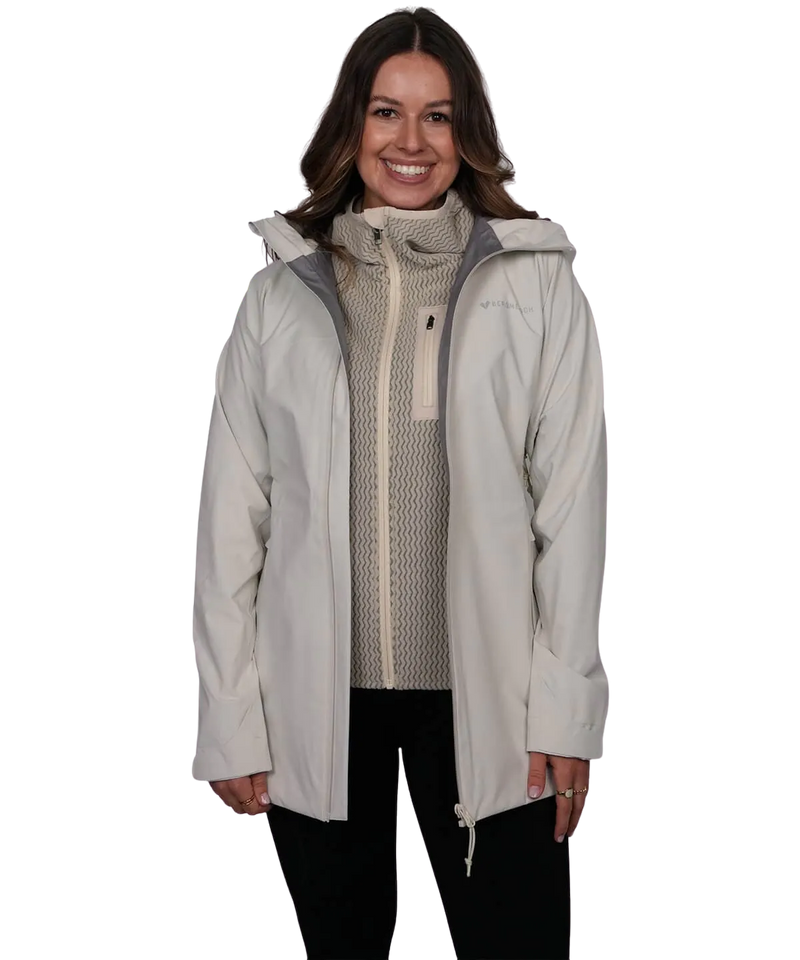
For the commute to work, a city stroll, or a spontaneous outing with friends, an all-round rain jacket is needed. It should not only protect against rain and wind but also look good and be packable. A jacket that can be quickly put on when it gets wet, but also doesn't bother you when it's dry. Practical pockets are useful, but it doesn't have to be fully equipped. The important thing is that it is versatile and looks good in any weather. A single jacket for many occasions – that saves space and nerves.
Rain Protection for Cyclists and Hikers
When cycling or hiking, there's movement involved, and with it, sweat. Here, breathability is crucial. A good rain jacket for these activities wicks moisture from the inside out, so you don't sweat in your own juice. For hikers, high-set pockets are practical, which are still accessible with backpack straps. Cyclists look for a helmet-compatible hood that fits over the helmet. Of course, the jacket must also withstand heavy rain, as it can quickly appear in the mountains. Lightweight is also a plus here, so the jacket doesn't become a burden on longer tours.
Features that Help in Nasty Weather
Some features truly determine whether a rain jacket excels in everyday life or out in the mud. The most important are the hood, breathability, ventilation solutions, and taped seams.
The Function of the Hood
A well-designed hood keeps the head dry without obstructing vision. It should be as easy as possible to adjust – for example, with a drawstring. Some hoods have brims or stiffeners to prevent drops from running into the face. A snug fit is important, especially when there's a lot of wind. For cyclists or climbers, helmet-compatible hoods are useful. For everyday use, a simpler version is often sufficient.
-Tips for the hood:
-
Adjustability (cords, straps)
-
Sturdy brim against rain in the face
-
High collar to additionally protect the neck
Breathability and Ventilation Options
Breathability ensures that moisture can escape from the inside out. The material itself should therefore be breathable – here, pay attention to specifications such as RET value or MVTR. For sports activities, underarm zippers or special ventilation slits provide relief. They prevent heat build-up when it gets strenuous.
|
Feature |
Advantage |
|---|---|
|
Ventilation zippers |
More air, less sweating |
|
Breathable membrane |
Stays dry from the inside even in rain |
|
Moisture-wicking lining |
Comfort during long use |
The Importance of Taped Seams
Rain seams are weak points. Only sealed or taped seams make a jacket truly waterproof. Cheap models often omit this; water quickly finds its way inside. With high-quality jackets, the seams are taped on the inside or even welded using laser technology. Thin, well-processed tapes protect best without reducing breathability.
-
For every rain jacket, it's worth checking:
-
Are there taped or sealed seams?
-
Does the workmanship look clean?
-
Is the material generally waterproof?
In the rain, often a small detail decides: A poorly fitting hood or leaky seams can bring down even the best jacket.
These three aspects define good rain jackets and quickly show what distinguishes a practical model from a compromise solution.
Alternatives to the Classic Rain Jacket
Sometimes you don't need the full gear. If the weather changes but no apocalypse is threatening, there are other garments that can offer protection. You don't always have to reach for the high-tech rain jacket. There are lighter and often cheaper options that are perfectly sufficient for many situations.
When an Anorak is Enough
An anorak can be a good choice if it's not raining torrentially. Many anoraks are at least water-repellent. This means they effectively repel light rain and splashes. For a short walk in drizzle or if you just need to get from the car to the office, this is often enough. Some anoraks also have a hood that offers additional protection. They are often lighter and less stiff than pure rain jackets, which makes them more comfortable to wear when you're not in a monsoon.
Softshell Jackets as Weather Protection
Softshell jackets are true all-rounders when it comes to changeable weather. They are not completely waterproof, but they are very water-repellent and also breathable. This is great when you are active and start to sweat. The jacket repels light rain and wind well, but at the same time allows moisture to escape from the inside. This prevents you from getting wet from the inside. For hikes in cooler, but not continuously rainy weather, they are often a better choice than a heavy rain jacket because they offer more comfort.
Winter Jackets in the Rain
Some winter jackets are also treated to be able to repel rain effectively. If you have a well-waterproofed winter jacket, it can also be worn in the rain. However, most winter jackets are not primarily made for heavy rain. The filling material can soak up water when it gets wet, and then the jacket loses its insulating effect. Furthermore, they are often not as breathable as special rain jackets. For short showers, this may work, but in prolonged rain, a proper rain jacket is still the better choice to stay dry and retain warmth.
Often it's the little things that make the difference. A well-fitting hood that doesn't obstruct vision, or zippers that don't chafe, can greatly increase comfort. This also applies to alternatives to the rain jacket.
Care and Longevity

For the rain jacket to continue to function well after many uses in wind and weather, it needs some care. This is not as complicated as one might think. Regular washing is actually important. It sounds strange at first, but dirt and sweat can clog the membrane. If this happens, breathability decreases. A clean jacket simply breathes better.
How to Refresh the Waterproofing
The waterproofing is like a protective shield for the outside of the jacket. It ensures that water simply beads off. If this no longer works properly, the fabric soaks up water. This is not only unpleasant because the jacket then becomes heavy and feels wet, but it also impairs breathability. New jackets often already have good waterproofing (called DWR).
However, after a few washes, this wears off. But it can be refreshed. Often, after the first few washes, simply putting the jacket in the dryer for a short time is enough. The heat reactivates the old waterproofing. After the third or fourth wash, it makes sense to re-waterproof the jacket. There are special sprays or detergents for this. Afterward, put it back in the dryer or hang it up so that everything absorbs well.
The Right Cleaning for Long-lasting Protection
There are a few things to consider when washing. Do not use fabric softener or heavy-duty detergent under any circumstances. These can damage the membrane. It is best to use a special functional detergent. This protects the material and helps maintain its function. The jacket should not be washed too hot; 30 degrees is usually sufficient. And importantly: the seams should be sealed. This can be recognized by the taped seams on the inside. This is a sign of good quality and that the jacket is truly waterproof. If the seams are not properly taped, water can penetrate there, no matter how good the waterproofing is.
A well-maintained rain jacket is an investment that pays off. It not only protects against rain but also ensures that you feel comfortable during your activities. Regular care is the key to a long lifespan and optimal function.
Conclusion: Stay Dry, Even in Nasty Weather
So, at the end of the day, finding the right rain jacket isn't that complicated. Just consider what you primarily need it for. Whether for your daily commute, a big mountain tour, or simply walking the dog – there's a suitable jacket for every purpose. Pay attention to waterproofing, fit, and perhaps a few practical details like a good hood. Then the weather really can't harm you anymore. And honestly, with a chic rain jacket, you'll look much better, even when it's gray and wet outside. So, get out there and enjoy the fresh air!
Frequently Asked Questions
What does water column actually mean for rain jackets?
Imagine placing a hose filled with water on the fabric of the jacket. The water column indicates how high this column of water can be before water seeps through the fabric. Over 800mm means the jacket is truly waterproof.
Does a rain jacket always have to be bought large?
Yes, mostly! Because you often wear the rain jacket over other clothes, it should be a bit larger. This way, you have enough space and can move well, for example, when climbing or cycling.
Are softshell jackets also good rain jackets?
Softshell jackets are often somewhat water-repellent, but not completely waterproof like real rain jackets. They are great for mild weather, but for heavy rain, you'll need a proper rain jacket.
What are taped seams and why are they important?
These are the places where the jacket has been sewn. To prevent water from getting through these small holes, they are glued from the inside or covered with a special tape. Without this, the seams would be weak points.
How often should I waterproof my rain jacket?
That depends on how often you wear the jacket. If water no longer beads off the fabric well, it's time to refresh the waterproofing. This ensures that the jacket continues to keep you dry.
What is the difference between water-repellent and waterproof?
Water-repellent means that water initially beads off, but with prolonged or heavy rain, it will still get through. Waterproof means that the jacket will keep you dry for a long time even in heavy rain because the material does not allow water to pass through.






Share:
Looking for a breathable rain jacket? Note this!
The ideal daypack - here's what it needs to do!