



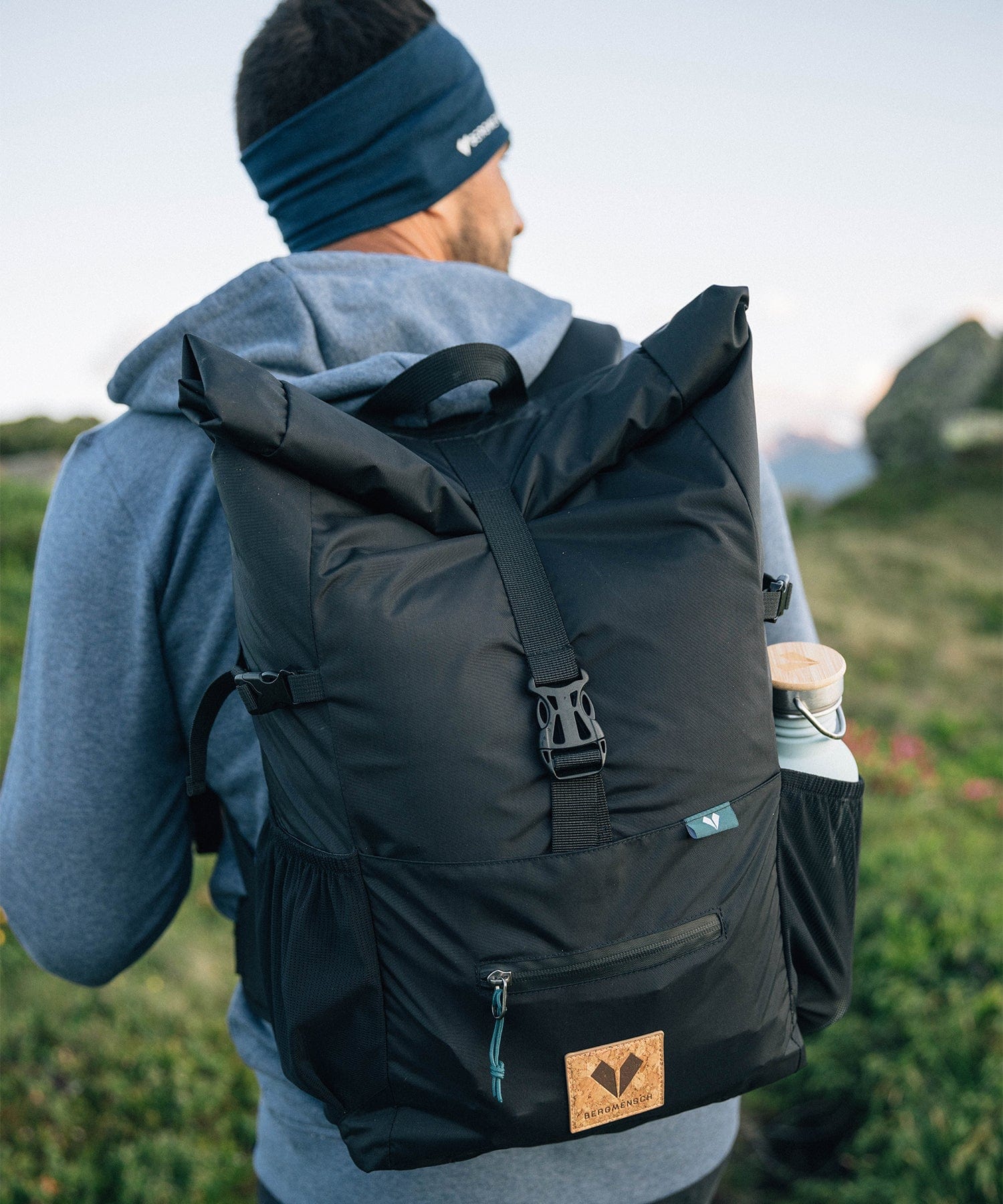
Finding a good daypack is not that easy. You might think, oh, as long as it's big and sturdy, but there's more to it than that. If you're on the go for hours with your backpack, you naturally want it to fit comfortably and hold everything important. Let's take a look at what really matters so that your next trip is a complete success and your back thanks you.
What your daypack should be able to do - Quick overview
The right size for your daypack depends on its purpose; 20-30 liters are usually sufficient for day trips.
Carrying comfort is crucial: Pay attention to the appropriate back length and good adjustability for men and women.
Clever organization helps: Pack heavy items close to your body and use compartments for quick access.
Durable and water-repellent material protects your gear in all weather conditions.
Additional features such as external pockets and attachment options make the daypack even more practical.
The right size for your daypack
Volume for day trips
How many liters your daypack should hold depends heavily on what you plan to do with it. For short excursions, perhaps just a few hours in nature, 20 to 30 liters are often sufficient. This is enough space for the essentials: a water bottle, a small snack, a rain jacket, and perhaps a first-aid kit. However, if you plan to be out longer, perhaps an entire day hike with a picnic or even a small overnight bivouac, then you should opt for a model with 30 to 40 liters. This gives you more room for additional equipment or provisions. The rule of thumb is: It's better to have a little more space than too little.
Suitable size for your needs
Choosing the right size is more than just a gut feeling. It's about ensuring the backpack isn't too bulky but still holds everything you need. Imagine you're only out for a few hours – then a huge backpack is more of a hindrance. It will be heavier and more cumbersome than it needs to be.
Conversely, if you're planning an extended day trip where you also want to take provisions for several meals and perhaps even a change of clothes, then a backpack that's too small will quickly be overfilled. This forces you to attach items to the outside, which compromises carrying comfort and increases the risk of getting snagged somewhere. So, carefully consider what type of tours you do most often and adjust the backpack volume accordingly. This way, you avoid unnecessary ballast and ensure you have everything important with you without overpacking.
Finding the right size is a balancing act. It's about having enough space for your gear without the backpack becoming a block on your back. Less is often more, but only if less is truly sufficient.
Carrying comfort and fit of the daypack
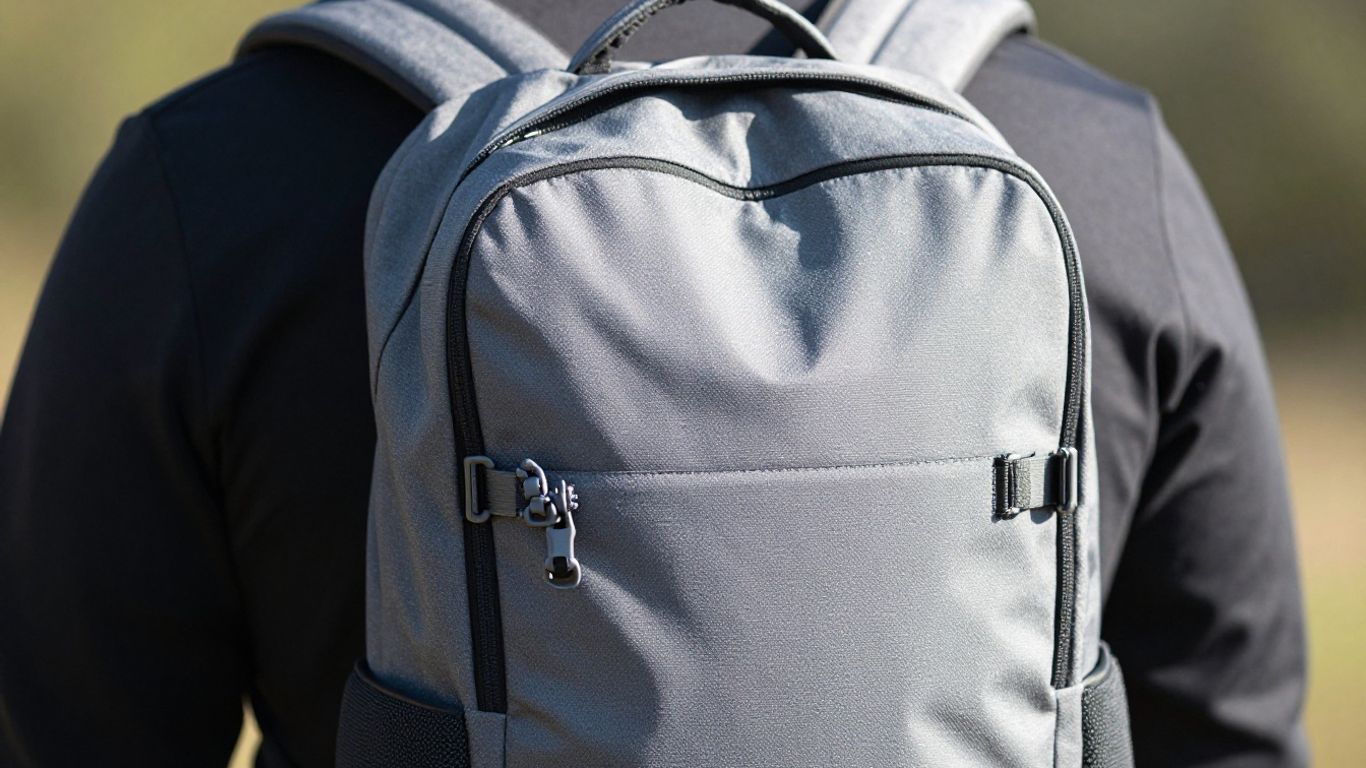
A backpack that doesn't fit properly can quickly turn any trip into torture. That's why it's important to pay attention to carrying comfort and fit. This starts with the right size.
The importance of back length
Back length is crucial for a well-fitting backpack. It determines how the shoulder straps and hip belt sit on your body. An incorrect back length quickly leads to pressure points and an uncomfortable feeling, especially on longer tours. Back length is measured from the seventh cervical vertebra to the iliac crest. Many modern daypacks are length-adjustable, which makes adjustment easier.
Adjustment for men and women
Body shape and proportions often differ between men and women. For this reason, there are special women's models. These are often cut shorter and have differently shaped hip fins that fit women's hips better. The chest strap on women's backpacks is also usually set higher to avoid pressure on the chest. Nevertheless, it's not a hard and fast rule. Sometimes a men's model fits better if your own body measurements are different. It's worth trying on different models to find the best fit.
Fine adjustments for optimal fit
Once the basic fit is correct, it's time for the details. The hip belt is crucial here. It should sit well on the hip bones and carry most of the weight, ideally about two-thirds. It shouldn't cut in, but it also shouldn't be too loose. Then the shoulder straps are adjusted. They rest on the shoulders and ensure that the backpack stays close to the body.
The load lifter straps on the shoulder straps pull the backpack even closer, providing more stability. The chest strap connects the shoulder straps at the front and further stabilizes the fit. All straps should be adjusted so that nothing presses or rubs. A well-adjusted backpack feels almost like a second skin and distributes the weight evenly.
Clever organization in the daypack
Space-saving marvel: Packing from bottom to top
How you pack your daypack has a great influence on how comfortably it carries and how quickly you find what you need. Start with the items you need least often, at the very bottom. This creates a good base. Heavy items such as a tent or cooking utensils belong directly against your back and rather at the bottom. This ensures good balance, especially when you are on uneven terrain. This way, the weight doesn't act as a lever that throws you off balance.
Heavy loads close to the body
The correct placement of heavy items is crucial for carrying comfort and stability. Place these items in the main compartment, as close to your back as possible. The more alpine the terrain, the lower the heavy items should sit in the backpack. This prevents the weight from pulling you backwards and losing your balance. Imagine the weight as a part of you, not something that pushes you away.
Quick access to important utensils
Some things you need again and again on the go. Snacks, a water bottle, a rain jacket or the map. These should be easily accessible without having to take off the entire backpack. Side pockets made of stretchy mesh are great for this. They are often open or closed with a drawstring. This allows you to quickly access them. The lid compartment is also intended for such small items. But be careful: an overstuffed lid compartment can be annoying when moving. This is where things like muesli bars, sunglasses or your mobile phone belong.
Small packing bags or pouches help enormously to keep things tidy. This way, you don't have to empty the entire backpack just to get to the sunscreen. These bags also protect against moisture and keep your equipment separate.
Material and weather protection for your daypack
A good daypack must protect your equipment from the elements. This means it should protect you and your belongings from rain, snow, and dirt. Only then will your utensils stay dry, even if the weather doesn't cooperate. The choice of the right material and well-thought-out constructions are crucial here.
Robust and water-repellent materials
Nylon or polyester are often used for daypack materials. Nylon is known for its durability and light weight. It also has natural water-repellent properties. A small disadvantage is that nylon is not very breathable and can fade under strong sunlight. Polyester is also robust and light.
It is easy to clean, does not fade as quickly, and is slightly more breathable than nylon. For particularly demanding applications, there is also Cordura. This material is extremely tear-resistant, abrasion-resistant, and durable. However, Cordura is heavier than nylon and polyester and does not withstand rain indefinitely.
Sometimes leather is also used. A leather backpack can last for many years, but it is relatively heavy. In addition, leather needs to be well maintained, as rain can severely damage it. Mesh fabric is usually only found on the padding on the back and on the shoulder straps, as it is very breathable. It is less suitable for the entire backpack, as it is not tear-resistant enough.
Protection from rain and wetness
In the past, an integrated rain cover was almost always standard. Today, there are also completely waterproof backpacks. However, these are often more expensive, heavier, and have simpler features. For most day trips, a good, separate rain cover is completely sufficient. This is usually stored in the lid compartment or a separate pocket at the bottom and is quickly at hand when it starts to pour.
Even if the backpack itself is not completely waterproof, there are ways to keep the contents dry. Packing bags made of water-repellent material are a good choice here. They protect sensitive items such as electronics or clothing from moisture. Many backpacks can be well organized with such bags so that everything stays in place and remains dry.
The lid compartment is a practical place for things that need to be quickly accessible. Snacks, a map, or your cell phone can be stored here. If it's not too overstuffed, it won't interfere with head movements. In case of sudden rain, the lid compartment can also serve as a small weather protection depot. This way, you can quickly stow a rain jacket or hat without having to open the entire backpack.
Additional attachment options on the outside of the backpack are often available. Numerous loops and straps are perfect for items that do not fit into the backpack. These include, for example, a sleeping mat, a tent or even a sleeping bag. These are firmly lashed with the straps so that they do not slip and do not negatively affect the center of gravity of the backpack. Trekking poles can also often be securely attached here. It is important that these items are well balanced so that they do not disturb when walking.
Additional features for your daypack
External pockets and attachment options
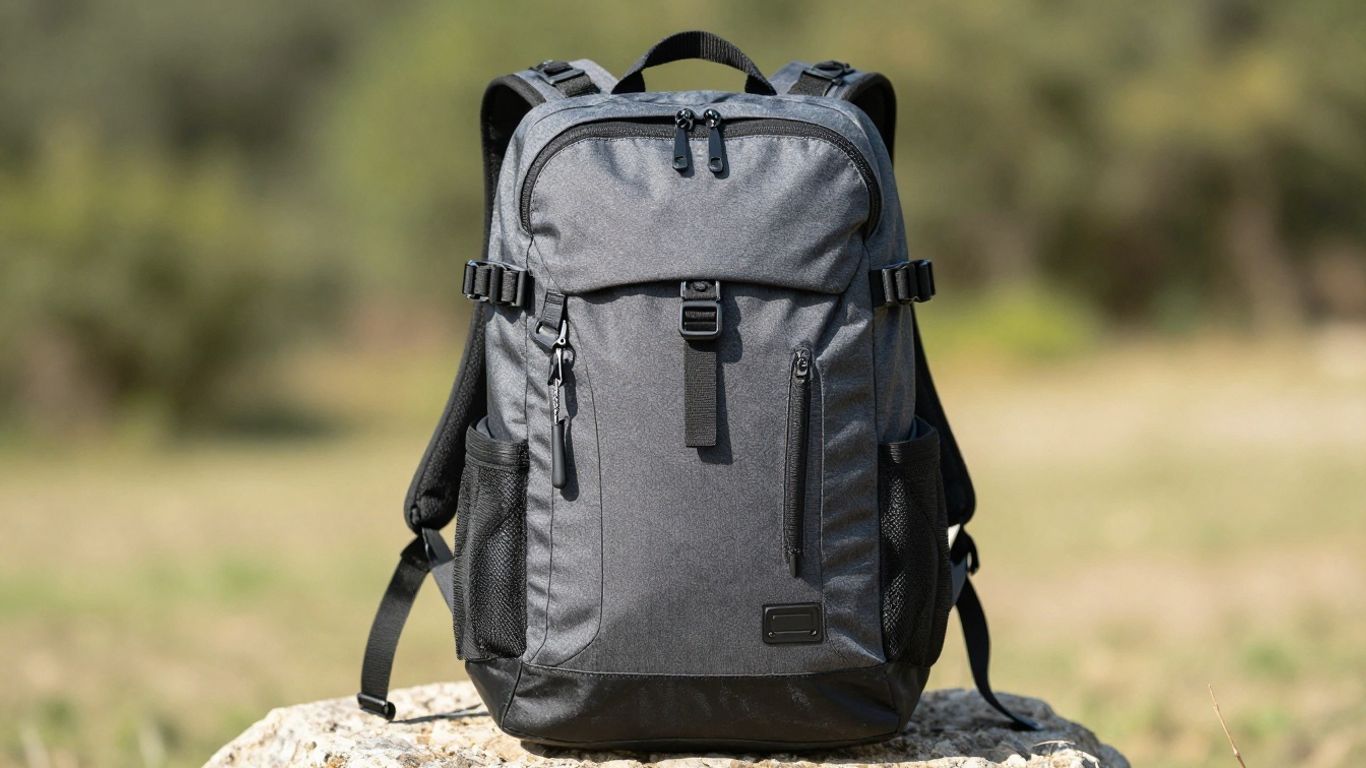
Sometimes it's the small things that make the difference, and with daypacks, that often means clever external pockets and attachment options. These features are super practical for quickly accessing things without having to open the entire backpack. Side pockets, usually made of stretchy mesh material, are a blessing.
They offer space for water bottles, but also for snacks, trash bags, or small tools. This ensures hydration during the tour without interrupting your rhythm. Some models even have special holders or additional straps to securely fix the bottle. But these pockets can also be useful for trekking poles or a small sleeping mat if they are stable enough.
The front pocket, often with an elastic drawstring system, is ideal for things that need to be at hand quickly. Think of an extra rain jacket that you need to quickly put on in changing weather, or a warmer layer if temperatures drop. Wet clothing can also be temporarily stored here to keep the rest of the backpack's contents dry. Some backpacks even have special compartments here for crampons or other bulky equipment that you don't want to store in the main compartment.
In addition to the pockets, there are often other attachment options. Numerous loops and straps on the outside of the backpack are perfect for items that simply don't fit into the backpack. These include, for example, a sleeping mat, a tent, or even a sleeping bag. These are firmly lashed with the straps so that they don't slip and don't negatively affect the backpack's center of gravity. Trekking poles can also often be securely attached here. It's important that these items are well balanced so that they don't interfere with walking.
Practical details for on the go
A good daypack is characterized by many small, well-thought-out details that make life easier on the go. These include, for example:
Lid compartment: Perfect for snacks, sunglasses, cell phone, or map. It shouldn't be too overstuffed so as not to restrict head movements.
Internal pockets: Small packing bags or integrated compartments help keep things tidy and maintain an overview. This way, you don't have to empty the entire backpack just to get to the sunscreen.
Key clip: A small carabiner or clip in the main compartment or an external pocket prevents your keys from disappearing into the backpack.
Hydration system preparation: Many backpacks have a special pocket for a hydration bladder and an opening for the tube, so you always stay well hydrated on the go.
These little helpers make the difference between a simple container and a true companion for adventures. They ensure that important things are quickly at hand and that the backpack's contents remain organized. In the end, it's the interplay of many small things that makes a good outdoor backpack. It's the simple things, like an easily accessible side pocket for a water bottle or a lid compartment for a quick snack, that make the difference.
The choice of the right daypack depends heavily on personal needs. Pay attention to the details that are important to you so that you feel comfortable on your tours and have everything you need with you.
Conclusion: The right backpack makes all the difference
So, at the end of the day, it's really true: the perfect daypack isn't rocket science, but you should put some thought into it. It's not just about it being big enough, but above all about it fitting comfortably and allowing you to store everything well. When you're on the go for hours, you notice every misstep. Pay attention to the details, try out different models, and consider what you really need. A well-fitting, practical backpack turns a strenuous tour into a real pleasure. Then nothing stands in the way of your next excursion!
Frequently asked questions
How do I find the right size for my daypack?
For a day trip, a backpack with 20 to 30 liters is usually sufficient. If you need to carry a lot, perhaps up to 40 liters. Remember: bigger isn't always better; it should fit you well and not be too heavy.
What should I look for in terms of carrying comfort?
The most important thing is that the backpack sits well on your back. The length of the backpack should match your back. Make sure the shoulder straps and hip belt are comfortable and distribute the weight well. It's best to try it on!
What's the best way to pack my daypack?
Heavy items are best packed centrally and close to your back. This keeps the backpack stable and protects your back. Light items go at the bottom or top. Things you need quickly belong in the external pockets or the lid compartment.
Is the material of the backpack important?
Yes, the material should be robust and protect you from rain. A water-repellent coating and good zippers are great. This way, your belongings stay dry even in bad weather.
What are useful additional features for a daypack?
External pockets are great for quickly accessing water bottles or snacks. Holders for trekking poles or a loop for a rain jacket can also be very practical.
Can I differentiate between women's and men's backpacks?
Yes, there are often special models for women because women and men often have different body shapes. These backpacks are then better adapted to the female figure, for example, in terms of back length or the shape of the hip belts.







Share:
Which rain jacket for nasty weather?
Which men's rain jacket is waterproof and breathable in all weather conditions?