



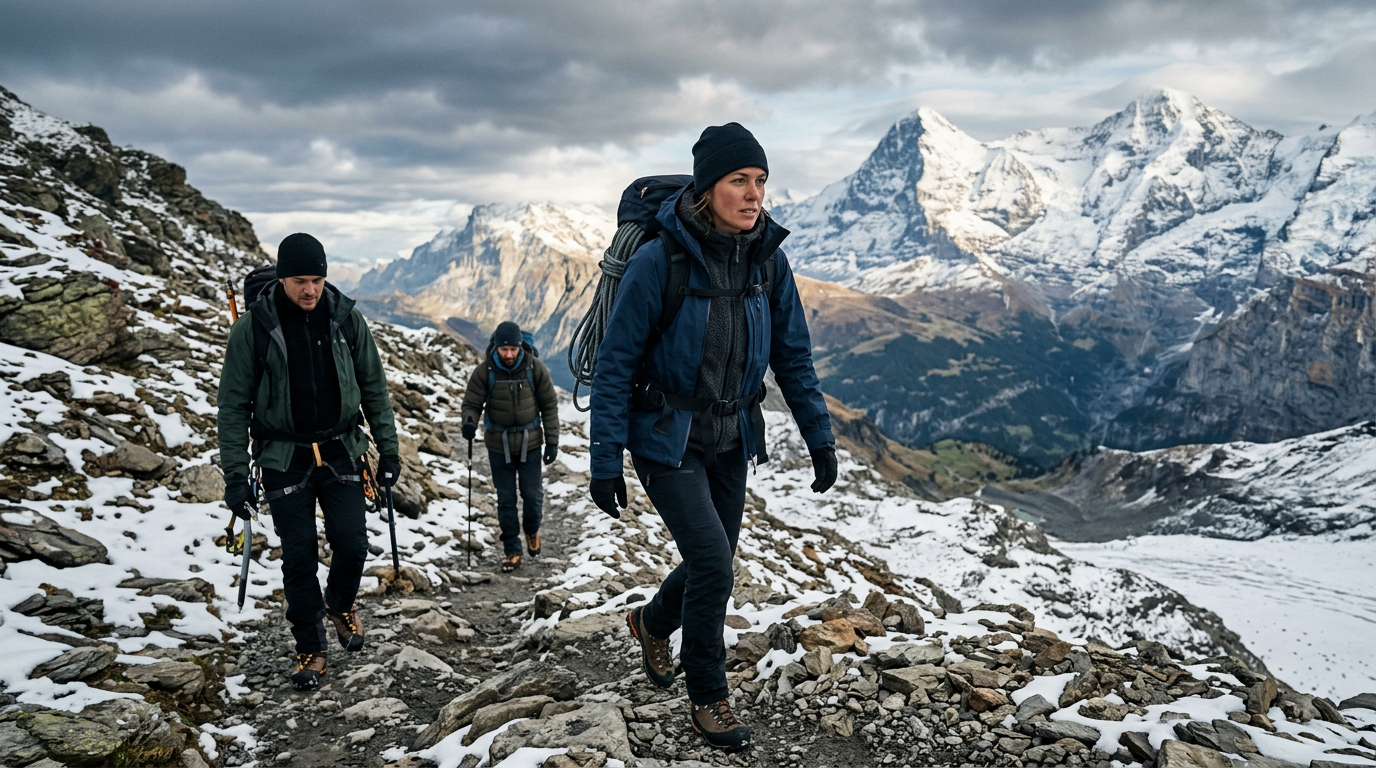


Which Midlayer under Hardshell?
⏱ Reading time: approx. 12 min.
The right midlayer under a hardshell is crucial for your well-being during outdoor activities. It forms the insulating layer in the layering principle and must effectively wick moisture away from the body while retaining warmth.
A poorly chosen midlayer can quickly lead to overheating or chilling, which significantly diminishes the enjoyment of being outdoors. Therefore, the material selection is particularly important here to keep the body dry and warm.
The goal is to find the optimal balance between insulation and breathability to be perfectly prepared for any weather and any activity.
A midlayer is the insulating intermediate layer in the layering system, worn under a hardshell to retain warmth and transport moisture away from the body, thereby significantly influencing wearing comfort and performance in changing outdoor conditions.
Briefly summarized
- Choose functional materials such as fleece or merino wool for optimal insulation.
- The layer must effectively transport moisture outwards to prevent chilling.
- Pay attention to the thermal performance and weight of the midlayer, suitable for the activity.
- A good layering system improves wearing comfort and performance.
Which materials are suitable for the midlayer?
The choice of material for your midlayer is crucial for the functionality of the entire layering system. It's about finding a balance between heat retention and moisture management, because you quickly get cold when wet, even at moderate temperatures.
Imagine you're on a challenging mountain tour: Your body produces sweat that needs to be wicked away. Cotton would soak up and lose its insulation, leading to an uncomfortable cold sensation.
That's why outdoor professionals rely on synthetic fibers or natural products that are precisely tailored to these requirements. Each material has specific properties that make it predestined for certain conditions.
Synthetic Midlayers: Fleece and Co.
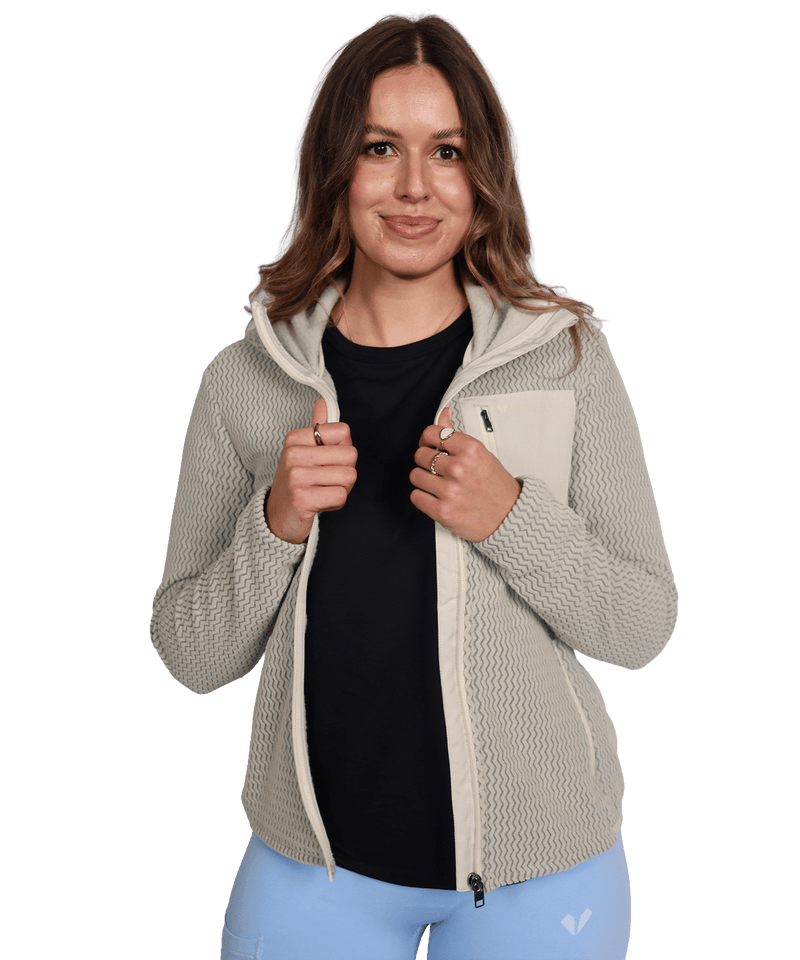
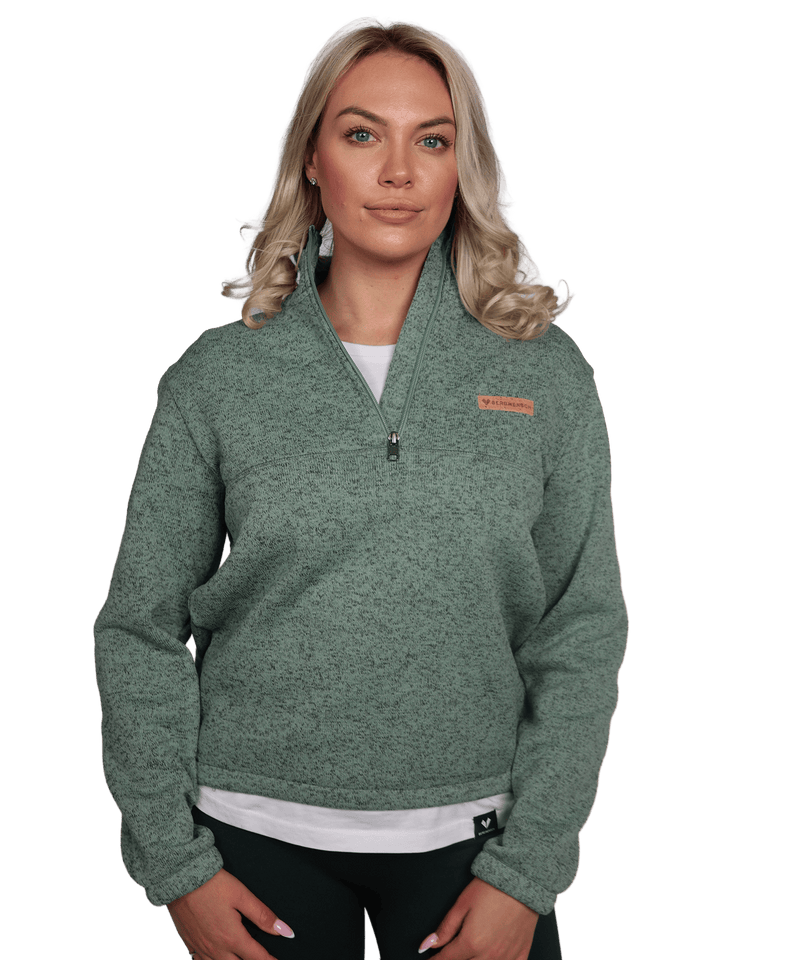
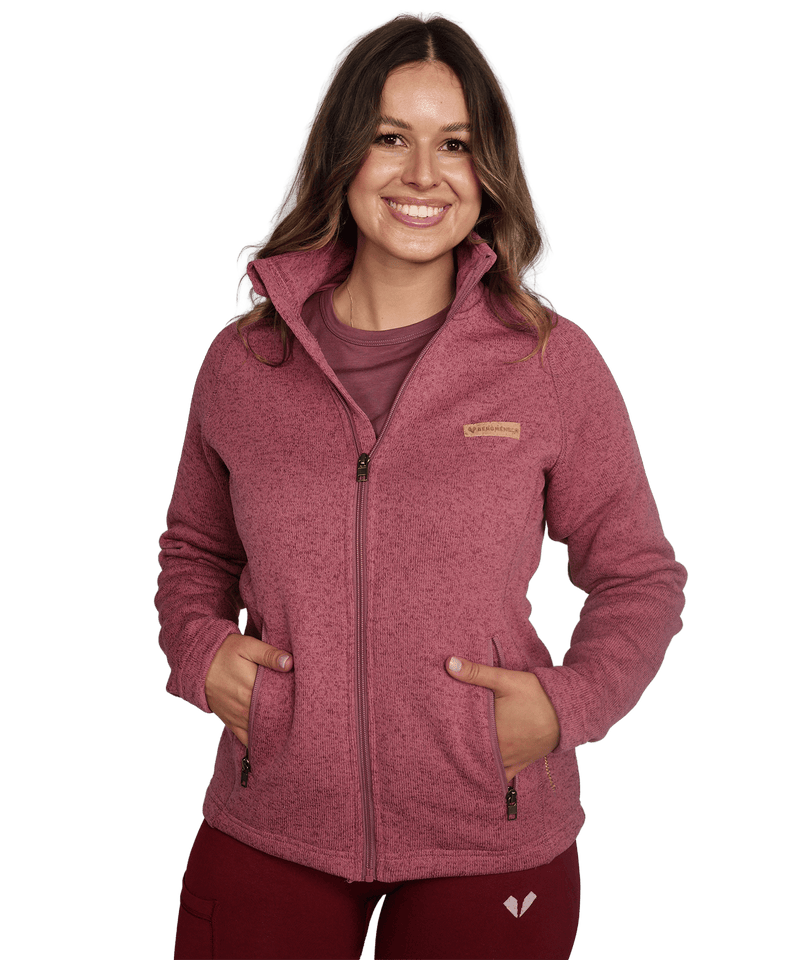
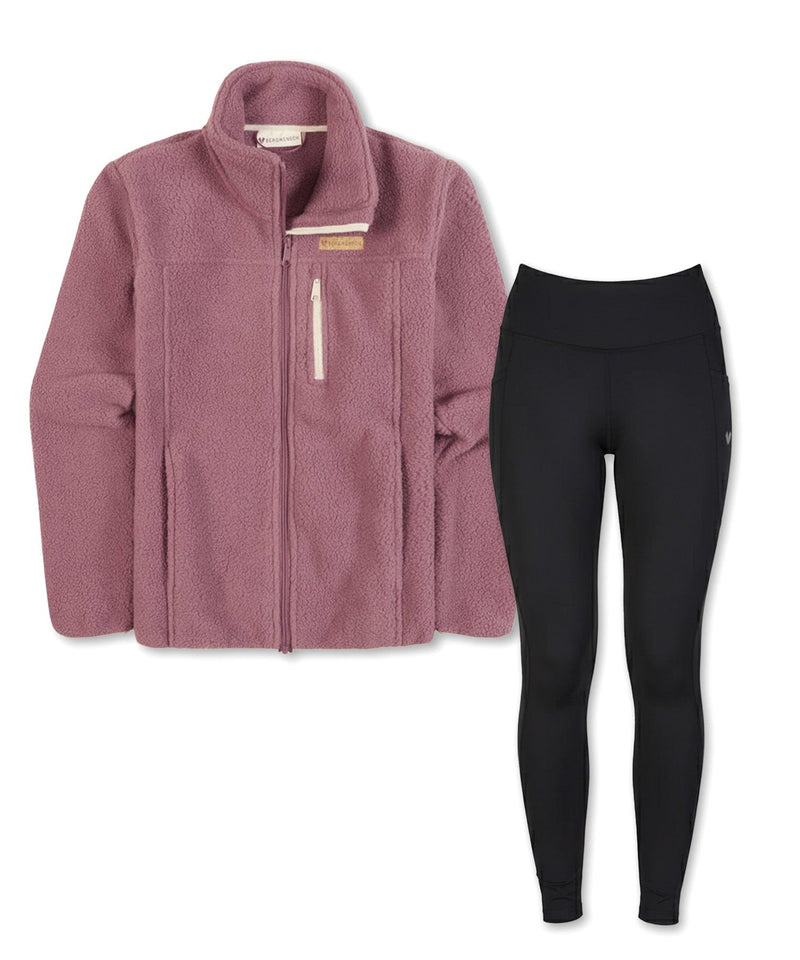
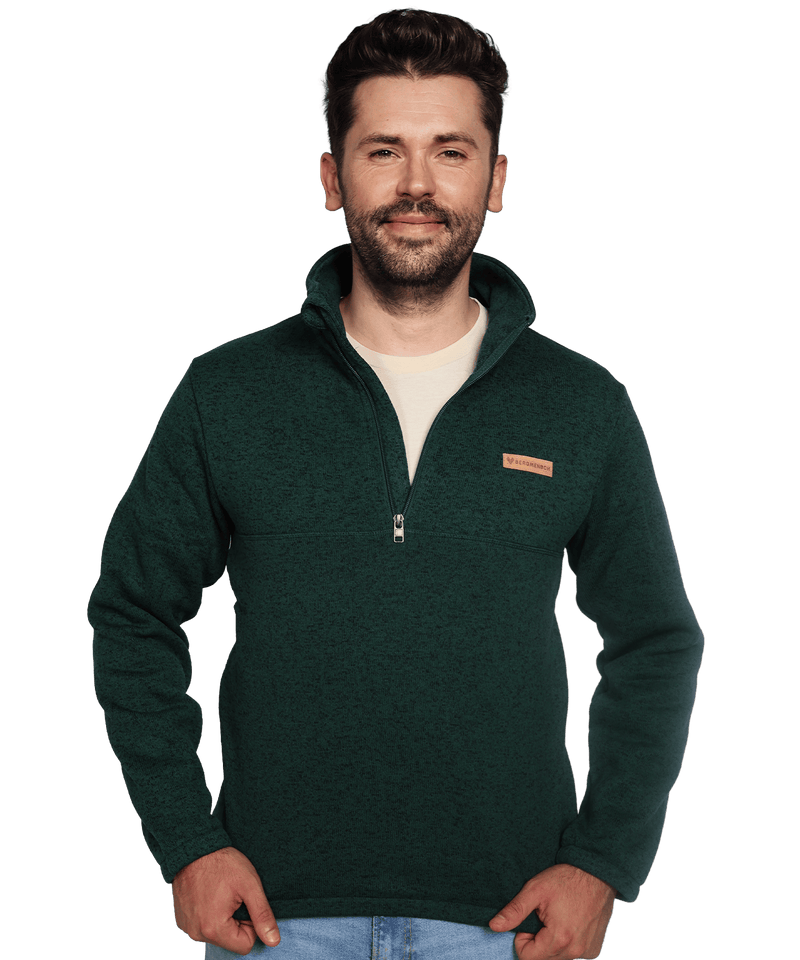
Fleece, often made from polyester, is a classic among midlayers. It is lightweight, dries quickly, and offers excellent thermal performance in relation to its weight.
The brushed surface traps air, forming an insulating layer. Modern fleece fabrics like Polartec® Power Grid™ are also structured to increase breathability and reduce weight.
Primaloft is a synthetic insulation fiber originally developed for the military. It mimics the properties of down, but is impervious to moisture.
A Primaloft jacket retains its thermal performance even when wet, making it an excellent choice for wet and cold conditions. It is also compressible and fits well in any backpack.
Natural Midlayers: Merino Wool and Down
Merino wool is a natural wonder from the mountains of New Zealand or Australia. The fine fibers do not scratch the skin, regulate temperature, and have odor-inhibiting properties.
A merino wool midlayer warms even when wet and offers a comfortable feel. It is ideal for multi-day tours, as it needs to be washed less frequently.
Down is the supreme class of insulation when it comes to low weight and high thermal performance. A down midlayer is unbeatable if you need maximum warmth with minimal pack size.
However, down is sensitive to moisture. When wet, it loses its loft and thus its insulating ability. Therefore, it is best suited for dry cold or in combination with a very reliable hardshell.
Practical Tip
Always think about the combination: A thin merino base layer, a fleece midlayer, and a hardshell over it form a flexible system. This allows you to react quickly to changing conditions and adapt.
How does the activity influence the choice of midlayer?
Your planned outdoor activity is a decisive factor in choosing the right midlayer. A high-intensity mountain tour places different demands on insulation than a leisurely walk in the forest.
Imagine you are planning a ski tour with steep ascents and rapid descents: Here you need a midlayer that not only warms but also quickly dissipates excess heat to prevent overheating.
For static activities such as winter fishing, however, maximum insulation properties are required. The midlayer must primarily retain body heat without you moving much.
Midlayers for High-Intensity Activities
For activities involving high physical exertion, such as trail running, ski touring, or challenging hikes, breathability is paramount. Your body produces a lot of heat and sweat, which must be quickly wicked away.
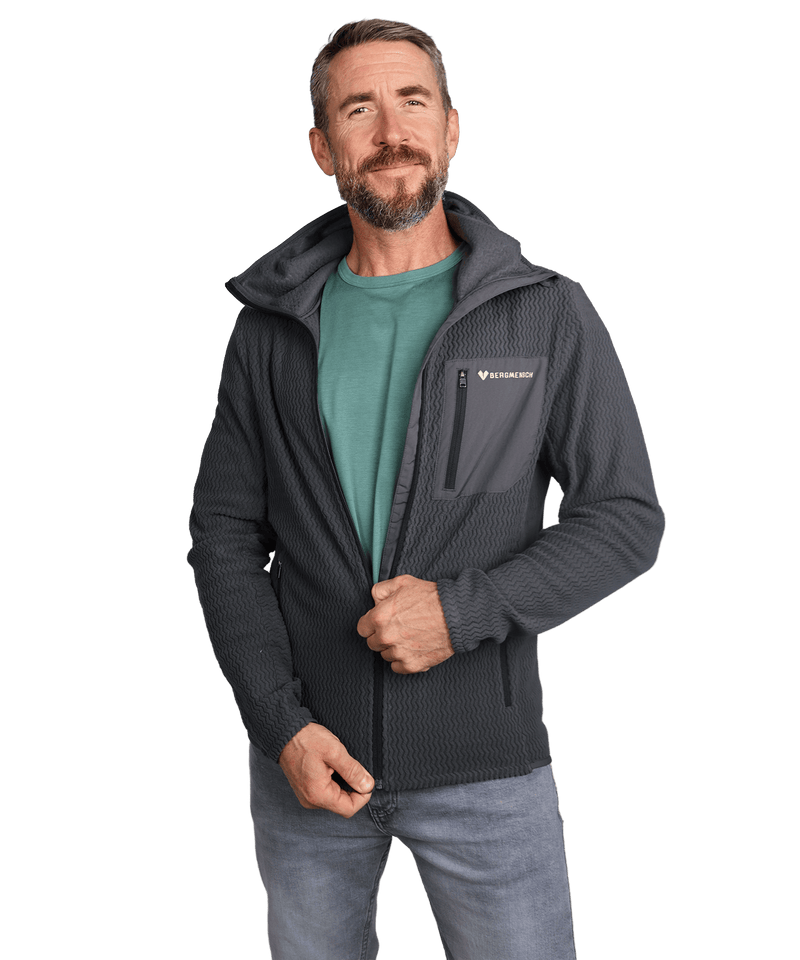
Thin fleece jackets with a waffle structure or lightweight merino shirts with a fiber thickness of 150 to 200 g/m² are suitable here. These materials efficiently wick moisture away from the skin and dry extremely quickly.
A good example is a Power Grid Fleece, which, due to its grid structure, traps air while also providing channels for moisture transport. This prevents heat buildup and keeps you dry.
Midlayers for Moderate and Static Activities
For moderate activities such as leisurely hikes, camping, or taking photos in nature, where you move less intensely, thermal performance is key. Here, the midlayer can be a bit thicker.
A thicker fleece of 200 to 300 g/m² or a lightweight Primaloft jacket offers the necessary insulation. These materials store more air and thus more warmth without becoming too heavy.
A hybrid midlayer, which combines different materials – for example, fleece on the arms and light insulation in the torso area – can also be very effective here for targeted warmth.
Did you know?
Polyester synthetic fiber, from which many fleece fabrics are made, was developed back in the 1940s and is now an indispensable component of modern outdoor clothing.
What role do fit and construction play?
The fit of your midlayer is just as important as the material itself. A midlayer that is too loose allows heat to escape, while one that is too tight restricts freedom of movement and compresses the insulation.
Think of the principle of air layers: A midlayer should form an insulating layer of air around your body. If it is too loose, the air circulates too much, and heat is lost.
If, on the other hand, it is too tight, an adequate air layer cannot form, and the insulation performance suffers. In addition, the midlayer must fit well under the hardshell without being uncomfortable.
The Importance of the Right Fit
A midlayer should fit close to the body, but not restrictive. It must offer enough space for a thin base layer, but be snug enough not to create unnecessary air pockets.
Make sure the sleeves are long enough and the jacket covers the lower back, even when you raise your arms. This prevents cold from entering.
The fit also influences moisture transport. A close-fitting midlayer can wick sweat better from the skin and transfer it to the next layer.
Constructional Features and Advantages
Details like zippers, pockets, and cuffs make a big difference. A full-length zipper allows for quick ventilation when you get warm.
Pockets are practical for storing small items or warming your hands. Make sure they are also accessible with a backpack or climbing harness.
Elastic cuffs and an adjustable hem prevent cold air from entering and heat from escaping. Thumb loops can also be useful to keep sleeves in place.
Some midlayers have a hood that provides extra warmth for the head and neck. Consider whether you need this feature or if it creates too much bulk under your hardshell hood.
In short: The fit of the midlayer must be close to the body to ensure insulation, but must not restrict freedom of movement and must fit well under the hardshell.
How to optimally combine midlayer and hardshell?
The layering principle is key to a comfortable outdoor experience. The combination of midlayer and hardshell forms the core of this system and must be perfectly coordinated.
Imagine your hardshell is an umbrella and your midlayer is the warm blanket underneath. The umbrella protects you from wetness and wind, but the blanket keeps you warm.
A hardshell protects against wind and weather, but it hardly insulates. The midlayer provides the warmth. Both layers must harmonize in their functionality to perform optimally.
Understanding the Layering Principle
The layering principle typically consists of three layers: the base layer, the insulation layer (midlayer), and the weather protection layer (hardshell).
The base layer, often made of merino wool or synthetic, wicks moisture directly away from the skin. Above that comes the midlayer, which is responsible for warmth.
The hardshell forms the outer layer and protects you from rain, snow, and wind, while also being breathable enough to allow moisture from the underlying layers to escape.
Breathability and Vapor Permeability
The hardshell and the midlayer must be coordinated in terms of their breathability. A highly breathable midlayer is of little use if the hardshell does not allow vapor to escape.
Modern hardshells with membranes such as Gore-Tex or eVent offer high waterproofness with good vapor permeability. Pay attention to the water column and the RET value (Resistance to Evaporative Heat Transfer).
A low RET value means higher breathability. For demanding activities, the RET value of your hardshell should ideally be below 6 to effectively wick away moisture.
|
Advantages
|
Disadvantages
|
What care do midlayers need to last long?
Proper care of your midlayer is crucial for its longevity and functionality. A fleece jacket washed incorrectly loses its loft, and merino wool can shrink.
Imagine investing in a high-quality Primaloft jacket and ruining it after a few washes because you ignored the care instructions. That would be annoying and expensive.
Each material has its own care requirements. If you observe these, your midlayer will remain functional for a long time and accompany you on many adventures.
Care Instructions for Synthetic Midlayers
Fleece and Primaloft products are generally easy to care for. Wash them at low temperatures, usually at 30 °C, and use a mild liquid detergent.
Avoid fabric softeners, as they can clump the fibers and impair breathability. It's best to air dry synthetic midlayers, as they dry quickly anyway.
A special functional detergent can help maintain the properties of the fibers. Make sure to close zippers before washing to prevent damage.
Care instructions for natural midlayers
Merino wool requires gentler care. Wash it on the wool cycle at a maximum of 30 °C and use a special wool detergent without enzymes.
Again, avoid fabric softeners. Merino wool should be air-dried flat to prevent stretching or warping. Direct sunlight or heat from heaters can damage the fibers.
Down jackets are the most demanding to care for. They should only be washed rarely, preferably with a special down detergent on a gentle cycle.
After washing, thorough drying with tennis balls in the dryer is essential to fluff up the down again and restore its loft. This process can take several hours.
Important to know
Some detergents contain optical brighteners or bleaches that can attack the colors and fibers of your outdoor clothing. Always choose products specifically designed for functional clothing.
What innovations are there in midlayers?
The development in outdoor apparel never stops. Manufacturers are constantly working on new materials and constructions to further improve the performance of midlayers.
A few years ago, hybrid jackets were still a rarity. Today, they are standard and offer targeted thermal regulation where it is most needed, while other areas remain more breathable.
These constant innovations aim to reduce weight, increase thermal performance, and at the same time optimize breathability. The result is more comfortable and higher-performing products.
Hybrid constructions for maximum versatility
Hybrid midlayers combine different materials in one garment. Often, a lighter insulation like Primaloft or a thicker fleece variant is used in the torso area.
More breathable fabrics like thin fleece or stretch materials are then used on the sides and under the arms. The result is a jacket that provides warmth in the right places and simultaneously wicks away excess heat.
This construction is particularly advantageous for activities with varying intensity, as it covers a wider temperature range and reduces the need to put on and take off layers.
Recycled materials and sustainability
Another important trend is the use of recycled materials. Many fleece products today are made from recycled PET bottles, which reduces environmental impact.
In the production of synthetic fibers, increasing attention is also being paid to more sustainable processes. This applies not only to the materials themselves but also to the dyeing processes and the entire supply chain.
For you as a consumer, this means that today you can find mid-layers that are not only functional but also more environmentally friendly. Look for certifications like the Bluesign® standard, which guarantees eco-friendly production.
Good to know
Some manufacturers now also use down certified to the Responsible Down Standard (RDS). This standard ensures that the down comes from animals that are raised humanely and not live-plucked.
Frequently Asked Questions
Conclusion on choosing the ideal mid-layer
Selecting the right mid-layer under your hardshell is a crucial success factor for any outdoor adventure. It's about finding the right balance between insulation, breathability, and weight to suit your activity and the weather conditions.
Merino wool and synthetic fibers like fleece or Primaloft each offer specific advantages. While merino wool excels in temperature regulation and odor inhibition, synthetic fibers impress with their robustness and quick drying times.
Ultimately, the individual coordination of your entire layering system matters. Experiment with different combinations and learn how your body reacts to various materials and intensities. Only then will you find your perfect system.









Share:
When do you wear a hardshell jacket?
Trousers with detachable legs - the advantages for hiking