





When to wear a hardshell jacket?
⏱ Reading time: approx. 14 min.
A hardshell jacket is a specialized piece of outdoor clothing that offers reliable protection against rain, wind, and snow in adverse weather conditions. It is designed for use when conventional jackets reach their limits. The right choice and targeted use of this functional clothing are crucial for comfort and safety during outdoor activities. Many outdoor enthusiasts underestimate the importance of a correctly chosen jacket, especially in changeable weather.
Inadequate clothing can quickly lead to hypothermia or overheating, which significantly reduces the enjoyment of the outdoor experience. It is often forgotten that functionality heavily depends on the layer combination. This article highlights the specific situations and weather conditions under which a hardshell jacket truly shines. It explains what features characterize a high-quality hardshell jacket and how it can be optimally integrated into a layering system.
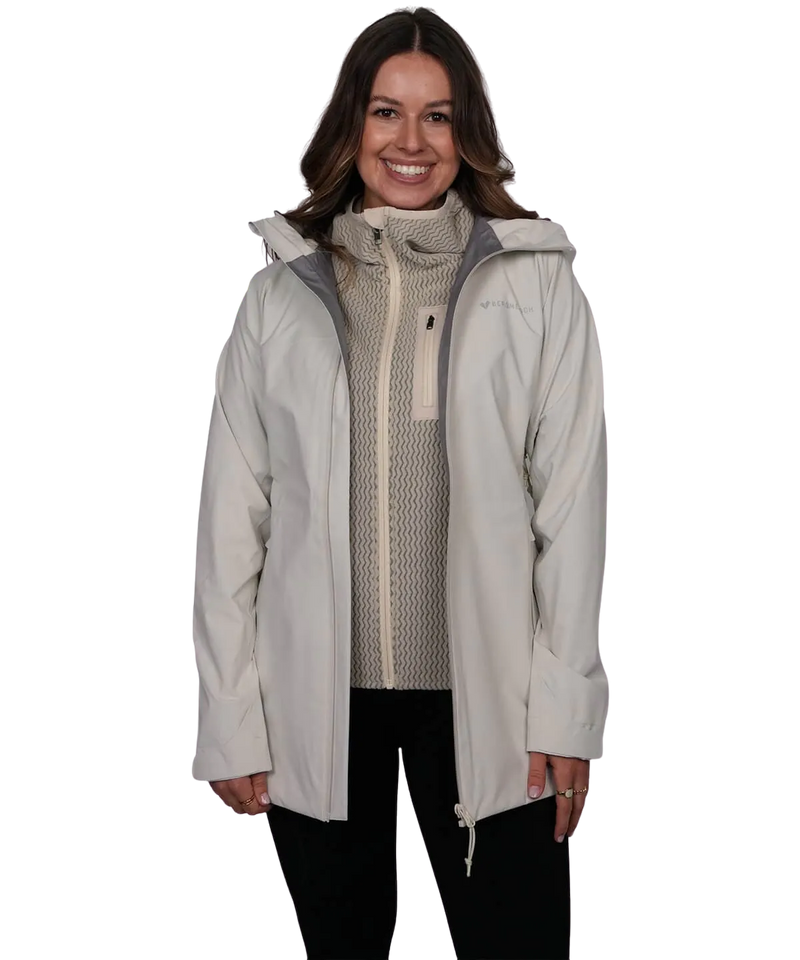
This way, the performance of this specialized clothing can be utilized to its full potential. A hardshell jacket is a weatherproof outer layer, primarily worn in heavy rain, snow, and wind, to keep the body dry and protect against cooling down.
Brief Summary
- Hardshell jackets offer protection against rain, wind, and snow.
- Breathability is crucial for wearing comfort.
- A layering principle optimizes functionality.
- The choice of membrane material influences performance and price.
When is a hardshell jacket the best choice?
A hardshell jacket is the optimal clothing layer when wet and windy conditions prevail and robust weather protection is indispensable. It reliably protects against the elements and keeps the body dry, while simultaneously wicking moisture from the inside out.
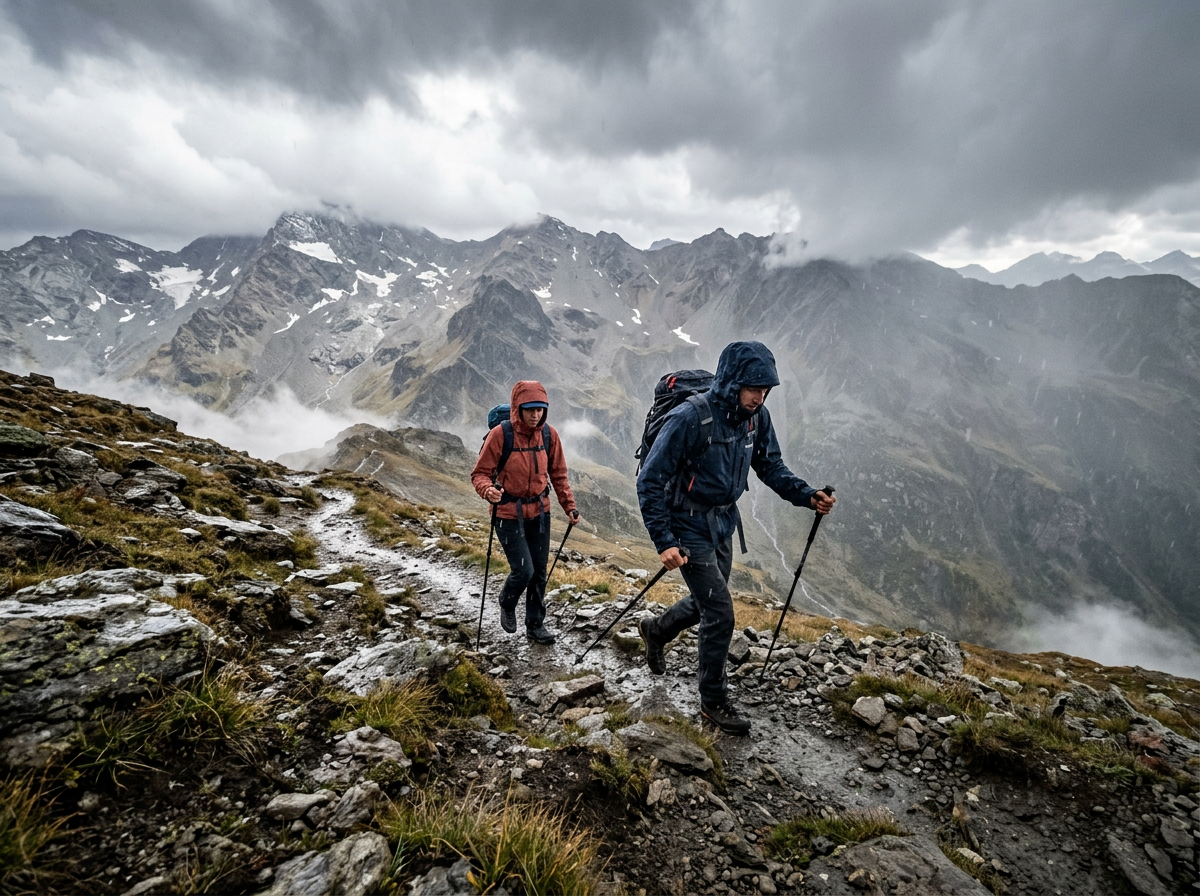
Imagine you're on a mountain tour and suddenly a thunderstorm rolls in. Heavy rain lashes your face, and the wind whistles relentlessly. It's precisely in such moments that the hardshell jacket demonstrates its superiority over conventional rain jackets. The membrane, often made of polytetrafluoroethylene (PTFE) or polyurethane (PU), blocks water droplets from the outside but allows water vapor molecules to escape from the inside. This property is crucial to prevent a damp microclimate under the jacket, which could otherwise lead to hypothermia.
The water column, a measure of waterproofing, should be at least 10,000 mm for a good hardshell jacket, preferably 20,000 mm or more, to remain waterproof even under strong pressure, such as from a backpack.
When is waterproofing needed?
Waterproofing is always required when spending a long time in wet environments or expecting heavy precipitation. A hardshell jacket forms an impenetrable barrier against rain and snow. The membrane of a hardshell jacket is microporous or hydrophilic, depending on the technology. In microporous membranes like Gore-Tex, the pores are too small for liquid water but large enough for water vapor. Hydrophilic membranes like Dermizax work through chemical processes that actively wick moisture from the inside out. Protection from wetness is the primary focus here.
Wind protection and breathability, the wind chill effect can significantly lower the perceived temperature.
A hardshell jacket offers absolute wind protection, which prevents the body from cooling down. At the same time, breathability is a core feature. The ability to wick away sweat in the form of water vapor is often indicated by the MVTR (Moisture Vapor Transmission Rate) or RET (Resistance to Evaporative Heat Transfer) value. A low RET value (e.g., below 6) indicates very high breathability, which is particularly important for strenuous activities such as mountaineering or ski touring.
Practical Tip
When choosing a hardshell jacket, pay attention to taped seams. These prevent water from entering at the seams, which is crucial for the overall waterproofing of the jacket. Zippers should also be water-repellent.
What weather conditions require a hardshell jacket?
Hardshell jackets are designed for unsettled and harsh weather where protection from precipitation and wind is a top priority. This includes heavy rainfall, snowfall, sleet, and icy winds, especially in exposed areas such as the mountains or on the coast. Imagine you're planning a hike in autumn.
The weather forecast predicts changeable weather: sunny in the morning, but showers and gusts of wind are predicted for the afternoon. In such a situation, a hardshell jacket is indispensable. It is light enough to be stored in a backpack when the weather is good and offers immediate, comprehensive protection when conditions change. Effective weather protection is key here. The robustness of the outer material, often made of nylon or polyester, is another advantage. It is designed to withstand abrasion and mechanical stress, which is very important for outdoor activities where it may come into contact with rocks or branches.
Rain, snow, and sleet during heavy rain, snow, or
sleet, a hardshell jacket is the first choice to stay dry.
The membrane prevents water from entering and protects against saturation. The DWR (Durable Water Repellent) coating on the surface of the outer material ensures that water droplets bead up. This coating must be renewed regularly to maintain full function. Without an intact DWR layer, the outer material soaks up water, which severely impairs the breathability of the membrane.
Windy and cold environments
In windy and cold environments, the hardshell jacket protects against cooling down due to the wind chill effect.
It forms an impenetrable barrier against cold air currents. Especially in alpine regions or on the coast, where the wind often blows unimpeded, this protection is essential. The hardshell jacket is part of a layering system, consisting of a baselayer (moisture transport), midlayer (insulation), and the hardshell (weather protection). This system allows the clothing to be flexibly adapted to changing temperatures and activity levels.
Myth vs. Fact
Myth
A hardshell jacket is also a warm winter jacket.
Fact
Hardshell jackets primarily offer weather protection, not insulation. Warmth comes from the layers underneath.
What characteristics define a hardshell jacket?
A hardshell jacket is characterized by its waterproofing, windproofing, and breathability, achieved through a special membrane and a robust outer shell. This combination effectively protects against the elements and ensures a comfortable body climate. The construction of a hardshell jacket is complex. It usually consists of three layers: the outer material, the membrane, and an inner lining. The outer material, often made of durable polyamide or polyester, protects the membrane and is abrasion-resistant. The membrane, the heart of the jacket, is responsible for the weather protection functions. The inner lining, usually a thin fabric, protects the membrane from the inside and increases wearing comfort. Modern hardshell jackets often do without a separate inner lining and use a 2.5- or 3-layer construction, where the membrane is directly laminated to the outer and inner material. This reduces weight and increases durability.
Membrane technologies at a glance Different membrane technologies offer different performance characteristics in terms of
Each membrane has specific advantages and disadvantages. The best-known membrane is Gore-Tex, a microporous PTFE membrane. It is extremely waterproof and windproof, but offers different degrees of breathability depending on the version. Other manufacturers such as Sympatex (hydrophilic PU membrane) or Dermizax (non-porous PU membrane) use alternative technologies that also offer high performance. The choice of membrane significantly influences the jacket's performance.
Features and cut, the features of a hardshell
jacket often include adjustable hoods, ventilation zippers, and numerous pockets.
The cut is crucial for freedom of movement and layering compatibility. A well-fitting hood that also fits over a helmet is invaluable in the mountains. Ventilation zippers under the arms (pit zips) allow for quick temperature regulation without having to take off the jacket. The pockets should be placed so that they are accessible even with a backpack or climbing harness. An ergonomic cut ensures that the jacket fits optimally during all movements and does not slip.
In short: The membrane technology and well-thought-out features are crucial for the performance of a hardshell jacket.
How to combine a hardshell jacket correctly?
The hardshell jacket is ideally worn as the outermost layer in a layering system to fully utilize its protective function. Underlying layers regulate warmth and moisture, ensuring a comfortable body climate. Imagine you are snowshoeing in winter. Temperatures are low, but you start to sweat on the ascent. If you only wear a thick winter jacket, you will either freeze when you are not moving or overheat when you are active. With the layering principle, however, you can react flexibly to the conditions. An efficient layering system is the key to comfort. The first layer, the baselayer, wicks sweat away from the body. The second layer, the midlayer, provides insulation. The hardshell jacket forms the third layer and protects against external influences.
Understanding the layering principle, the
layering principle is a proven system that allows flexible adaptation to weather and activity through multiple layers of clothing.
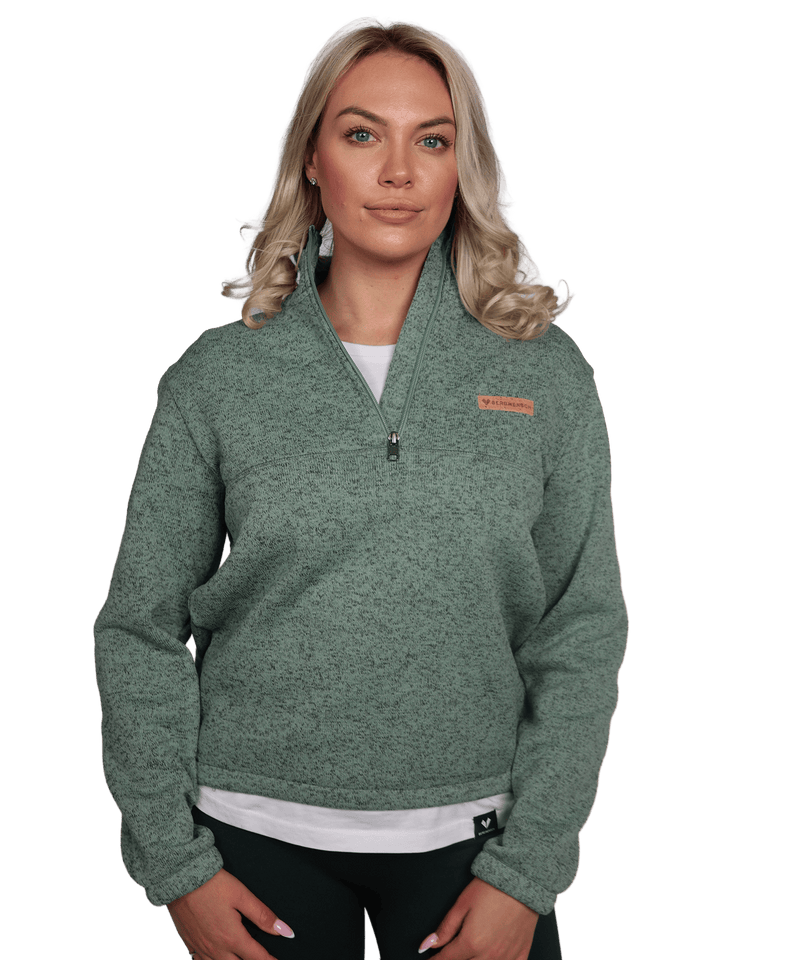
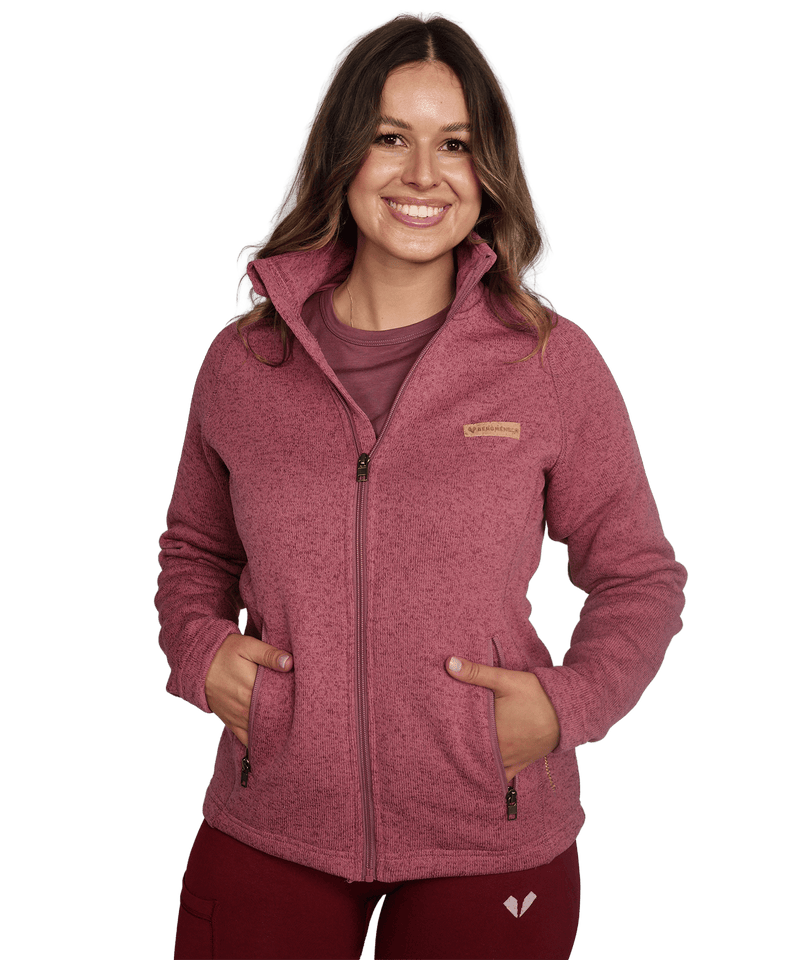
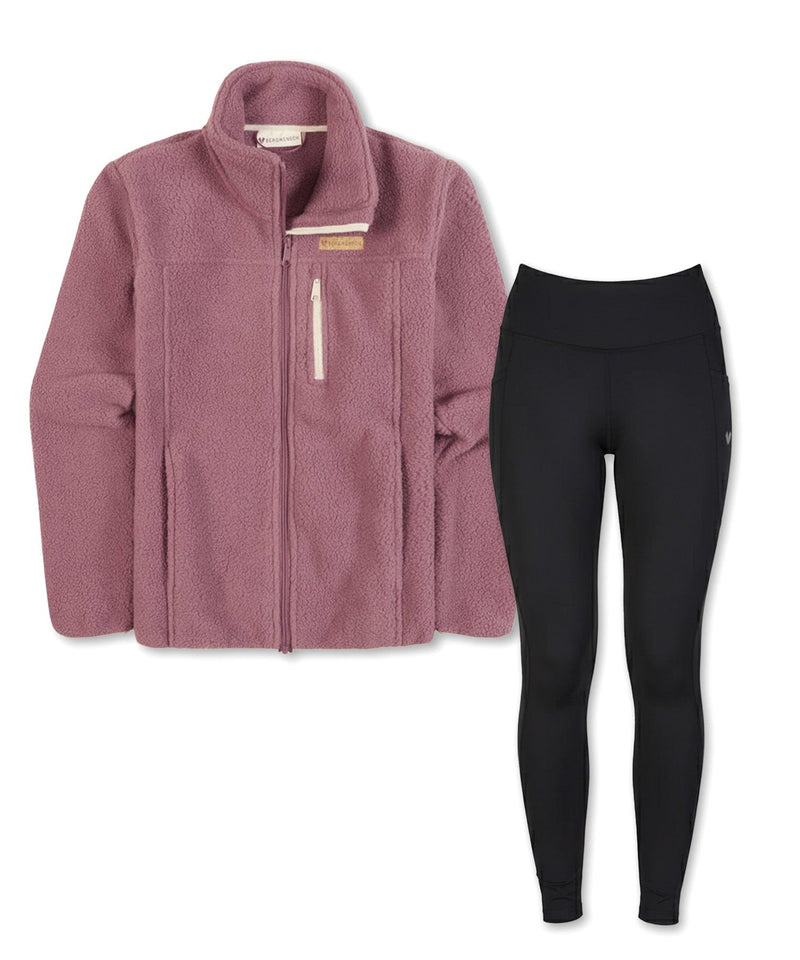
Each layer fulfills a specific function. A baselayer made of merino wool or synthetic fiber effectively wicks away moisture and keeps the skin dry. Cotton is unsuitable here because it retains moisture and cools down the body. The midlayer, for example, a fleece jacket or a light down jacket, stores body heat. The hardshell jacket as the outermost layer protects against wind and wetness. This system enables optimal temperature regulation.
Importance of underclothing, the choice of
underclothing is crucial, as it significantly influences moisture regulation under the hardshell jacket.
Breathable materials are indispensable here. If the baselayer and midlayer do not perform their function, moisture will accumulate under the hardshell jacket, even if it is highly breathable. This leads to an unpleasant, clammy feeling and can, in the worst case, lead to hypothermia. Synthetic fibers such as polyester or polyamide, as well as natural fibers like merino wool, are ideal because they dry quickly and effectively transport moisture.
Good to know
The water column of a hardshell jacket indicates how many millimeters of water pressure the material can withstand before it becomes permeable. A jacket with a 20,000 mm water column can withstand approximately 20 meters of water pressure before becoming leaky.
What care does a hardshell jacket need?
Proper care of a hardshell jacket is crucial to maintain its functionality and longevity. Regular washing and impregnation preserve the waterproofness and breathability of the membrane. Many outdoor enthusiasts shy away from washing hardshell jackets for fear of damaging the membrane. However, sweat, dirt, and skin oils can clog the pores of the membrane and severely impair breathability. Proper cleaning is therefore essential. Always read the manufacturer's care instructions, as these may vary depending on the membrane technology. Use special detergents for functional clothing that do not contain fabric softeners or bleaches, as these can attack the membrane.
Washing and impregnating Hardshell
jackets should be regularly washed with special detergent and then re-impregnated to maintain the water-repellent function of the outer shell. The DWR coating of the jacket wears off over time. If water droplets no longer bead up but penetrate the fabric, new impregnation is necessary. This can be done with sprays or wash-in products. After washing and impregnating, the jacket should often be reactivated in the dryer at a low temperature to reinforce the DWR layer.
Storage and Repair
Dry and airy storage protects the hardshell jacket from damage and odor formation.
Small tears or holes can often be repaired with special repair kits. Avoid storing the jacket damp or highly compressed, as this can damage the membrane. In case of damage such as a small tear in the outer material, it is advisable to seal it as soon as possible with a repair patch to maintain waterproofness. For larger damages, many manufacturers offer a repair service, which can significantly extend the life of the jacket.
Did you know?
The development of modern hardshell technologies began in the 1970s with the introduction of Gore-Tex, which revolutionized the outdoor clothing industry.
Concluding thoughts on the hardshell jacket, the hardshell
A jacket is an indispensable part of outdoor equipment for anyone who enjoys being in nature in changeable and harsh weather. Its ability to protect against wind and moisture while remaining breathable makes it a true all-rounder. Investing in a high-quality hardshell jacket pays off in increased comfort and safety. The choice of the right model depends heavily on the intended use. For alpine tours, more robust and lighter jackets with high water columns and breathability are required, while for light hikes, models with lower performance may suffice. The functionality of the jacket must always be adapted to specific needs. A hardshell jacket is not a panacea, but a specialized tool in the outdoor sector. It only unfolds its full effect in combination with a well-thought-out layering system and proper care. Those who consider these aspects will enjoy their hardshell jacket for a long time and be optimally equipped for any weather.
Frequently Asked Questions
Conclusion on optimal use
A hardshell jacket is a versatile piece of clothing that proves its worth in various weather conditions and activities. Its primary strength lies in protecting against wind and wetness, while also offering some breathability. The decision of when to wear a hardshell jacket depends heavily on external circumstances and individual needs.
It makes sense to use a hardshell jacket whenever changeable weather, rain, snow, or strong winds are expected. For high-intensity activities in mild weather, it may be less suitable due to its lower breathability compared to softshells or fleece jackets. Combining it with suitable mid and base layers allows for optimal use of the hardshell's functionality and keeps the body dry and warm.
Ultimately, the hardshell jacket is an indispensable part of outdoor equipment for anyone who doesn't want to be deterred by the weather. Careful selection of the model and adherence to care instructions will ensure long-lasting enjoyment of this functional garment.











Share:
What are zip-off trousers?
Which mid-layer under hardshell?