




When you're out and about, whether hiking, skiing, or just in everyday life, you constantly encounter the terms hardshell and softshell. But what exactly do these terms mean, and what is the actual difference between hardshell and softshell? Don't worry, it's not as complicated as it might sound. Let's take a closer look so you know which jacket is right for you.
Key Differences Summarized
-
Hardshell jackets are like a strong protective layer that shields you from rain, snow, and wind. They are super waterproof and windproof.
-
Softshell jackets are softer and more flexible. While not completely waterproof, they are very breathable and comfortable to wear, especially when you're moving a lot.
-
The main difference lies in weather protection: hardshell offers maximum protection, softshell offers moderate protection.
-
When it comes to warmth, softshell often scores points with a soft interior that keeps you warm. Hardshell itself provides little insulation and requires additional layers.
-
For extreme weather conditions, hardshell is the first choice. In mild weather or if you sweat a lot and want good freedom of movement, softshell is often the better choice.
The Fundamental Difference Between Hardshell and Softshell
What Does Hardshell Mean?
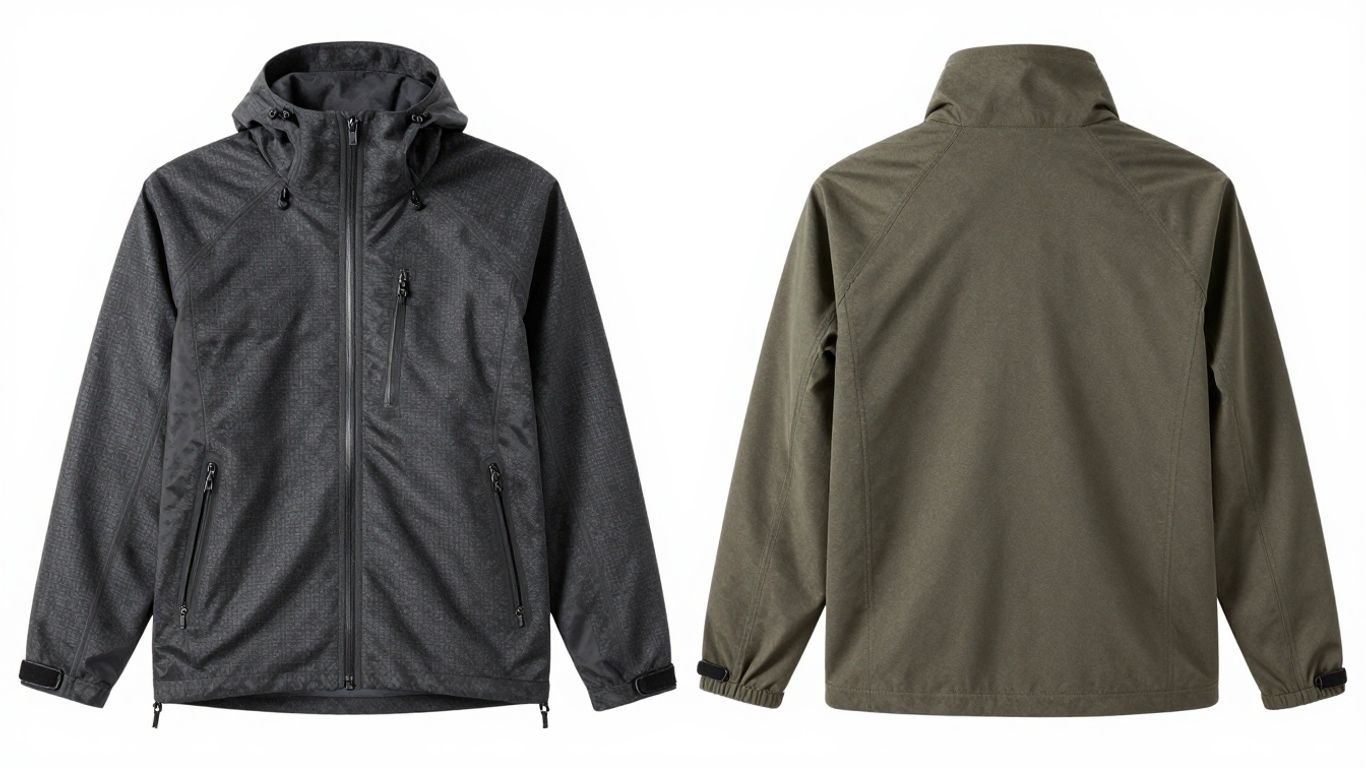
A hardshell jacket is essentially the ultimate barrier against bad weather. Imagine you're outside, and it's pouring rain with strong winds. That's exactly what a hardshell jacket is made for. It's designed to be absolutely waterproof and windproof. The material is often stiffer and feels more robust. This is because hardshells usually consist of several layers that include a membrane. This membrane allows water vapor to escape from the inside out but completely blocks rain and wind from entering. This is great when you need maximum protection, but sometimes the material can be a bit stiff and crinkly when moving.
What Does Softshell Mean?
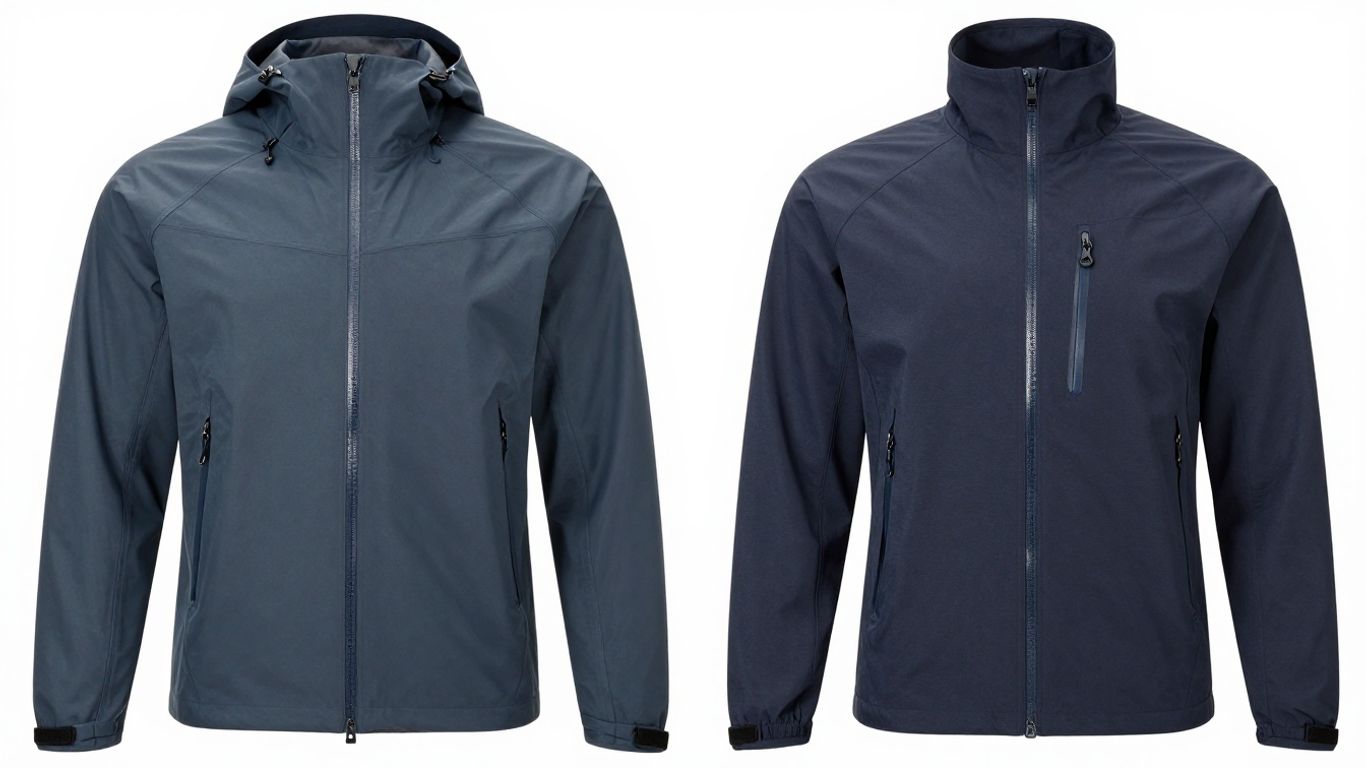
Softshell jackets, as the name suggests, are softer and more flexible. They are more for milder weather or for activities where you move a lot and get warm. A softshell jacket is wind-resistant and water-repellent, but not completely waterproof like a hardshell. This means you'll be fine in light drizzle or a brief shower. The big advantage of softshell is its wearing comfort and freedom of movement. The material is often stretchy and feels pleasant on the skin. Many softshells also have a lightly brushed interior that provides extra warmth. So, they are great if you are active and don't expect heavy rain.
The Main Differences at a Glance
The main difference lies in weather protection and breathability. Hardshell offers maximum protection against rain and wind, but is less breathable and flexible. Softshell scores with high breathability, comfort, and freedom of movement, but offers only limited protection in heavy rain and wind.
|
Feature |
Hardshell |
Softshell |
|---|---|---|
|
Waterproofing |
Absolutely waterproof |
Water-repellent (sufficient for light rain) |
|
Windproofing |
Absolutely windproof |
Wind-resistant |
|
Breathability |
Good, but lower than softshell |
Very good |
|
Freedom of Movement |
Limited by stiffer material |
Very high due to flexible material |
|
Thermal Insulation |
Low (requires additional layers) |
Light (often with brushed interior) |
|
Area of Use |
Heavy rain, storm, extreme conditions |
Light rain, wind, active movement |
Materials and Their Properties
The Nature of Hardshell Materials
Hardshell materials are designed to provide maximum protection against adverse weather conditions. They often consist of robust synthetic fibers like nylon or polyester, bonded with a waterproof and breathable membrane. Well-known membranes like Gore-Tex or Sympatex form the technological basis here. These membranes are constructed to allow water vapor to escape from the inside out, while simultaneously preventing rain and snow from penetrating from the outside. The result is a "hard shell" that keeps you dry, even when the weather outside is truly unpleasant.
The construction of hardshell textiles can vary. One often speaks of 2-, 2.5-, or 3-layer constructions. In a 3-layer construction, the membrane and the outer and inner layers are firmly bonded together. This makes the material very durable and long-lasting, but can also lead to a somewhat stiffer feel. While breathability is present, it can reach its limits during very intense activities, especially if the temperature differences are not great enough to optimally support moisture transport.
The Nature of Softshell Materials
Softshell materials prioritize flexibility and comfort. They are generally softer and more elastic than hardshell fabrics, allowing for greater freedom of movement. They often consist of polyester or elastane and frequently have a light fleece lining on the inside. This lining provides pleasant warmth and a soft feel against the skin. Softshell jackets are usually wind-resistant and water-repellent (DWR coating), but not completely waterproof. This means they effectively block light rain and wind, but are not the first choice for heavy, continuous rain or storms.
The focus with softshell is on breathability and wearing comfort. They are ideal for activities where you work up a sweat, such as hiking, climbing, or cycling on milder days. The materials are designed to quickly wick away sweat and prevent you from overheating. The combination of softness, elasticity, and breathability makes softshell jackets a popular companion for everyday wear and moderate outdoor adventures.
Comparison of Breathability and Weather Protection
The main difference between hardshell and softshell lies in the compromise between weather protection and breathability. Hardshell jackets offer superior protection against rain and wind. Their membranes are designed to keep you dry even in severe weather. However, this waterproofness can come at the cost of breathability, especially during strenuous tours. While moisture transport is present, it's not always as efficient as with softshell.
Read also: Hiking in the Rain
Softshell jackets, on the other hand, excel in breathability. They allow more air circulation and transport sweat away more effectively, making them ideal for strenuous activities. However, their weather protection is limited. They are good against light drizzle and wind, but they are quickly overwhelmed in heavy rain or storms. While the DWR coating helps, it is not a substitute for full waterproofness. The choice therefore depends heavily on the weather conditions and the type of your activity.
Comfort and Freedom of Movement
How Hardshell Affects Freedom of Movement
Hardshell jackets are often stiffer. This is due to the material designed to protect you from wind and rain. This stiffness can sometimes be restrictive, especially if you move a lot. Imagine wanting to raise your arms or bend down. With a hardshell, it can sometimes feel a bit cumbersome. This isn't always a problem, but in sports where every movement counts, it can be bothersome.
However, some hardshells are also cut to offer more freedom. So, it really depends on the model. But generally: the protective function often takes precedence over maximum mobility.
How Softshell Provides Comfort
Softshell jackets are often different. They are made from softer, more flexible fabrics. This makes them much more comfortable to wear, especially when you are active. The material stretches when you reach or twist. This is great for hiking, cycling, or climbing. You hardly notice you're wearing a jacket.
The soft material also doesn't rustle as much as hardshells. This is a small point, but it contributes to overall well-being. Many softshells also have a brushed interior. This feels good directly against the skin.
The Feel on the Skin
The material of a jacket is important in how it feels. Hardshells can sometimes feel cool and slick, especially when worn directly against the skin. This isn't necessarily unpleasant, but it is a difference.
Softshells, however, are often softer and warmer. The brushed interior, often like fleece, is very comfortable. They feel more like a sweater or a light fleece jacket. This makes them a good choice if you're looking for something comfortable for everyday wear or moderate tours. Comfort is often a clear advantage here.
Thermal Insulation Compared
The Warming Properties of Softshell
Softshell jackets can often provide a certain amount of warmth. This is because the inner materials are often brushed. Imagine it like a thin fleece layer that lies directly against the body. This structure helps to retain body heat and keep you comfortably warm even on cooler days. This makes them a good choice for transitional seasons or milder winter days when you don't want to immediately put on a thick down jacket. So, they are inherently warmer than pure hardshells.
Why Hardshell Requires Additional Insulation
A hardshell jacket is primarily designed to protect you from wind and wetness. It acts as a protective barrier against the elements. However, these jackets usually do not have a built-in insulation layer. This means that they themselves hardly retain any heat. So, if it gets really cold, the hardshell alone is not enough. You need to wear additional warming layers underneath, for example, a thick sweater or an insulated vest. This allows you to adjust the warmth as needed.
Temperature Dependence of Hardshell Breathability
The breathability of hardshell jackets can change depending on the temperature. In very cold conditions, the membrane responsible for weather protection may let a little less air through. However, this is usually not a big problem because you sweat less in the cold. But if it gets warmer and you still wear a hardshell, for example, because it's raining, the breathability can reach its limits. Then moisture accumulates more quickly. Some hardshells therefore have extra ventilation zippers to help with this.
Areas of Application and Suitability for Everyday Use
When a Hardshell Jacket is the Best Choice
A hardshell jacket is the right choice when you're preparing for really bad weather. Think of continuous rain, stormy winds, or snow. It's like an impenetrable barrier against everything coming from outside. This makes it perfect for challenging tours in high mountains, ski touring, or long trekking trips where you need to rely on absolute weather protection. It's often the outer layer in the layering principle, keeping you dry and warm, no matter what nature throws at you.
When a Softshell Jacket is the Best Choice
Softshell jackets shine more in moderate conditions and when movement is paramount. They are great for hikes, bike tours, or even just for everyday use when it's a bit cooler but no apocalyptic weather is threatening. The soft, stretchy material provides a lot of comfort and doesn't restrict you, which is invaluable when running or climbing. They are often wind-resistant and keep out light rain, but they reach their limits in heavy precipitation. Many softshells also feel good directly against the skin because they don't rustle as much and often have a lightly brushed interior.
The Role of Hardshell and Softshell in the Layering Principle
Both jacket types show their strengths in the so-called layering principle, i.e., layering clothes. A softshell jacket is often well suited as a middle layer. It provides warmth and is breathable if you wear a thin functional shirt or a sweater underneath. The hardshell jacket is then the outermost layer. It protects you from wind and rain and keeps the warmth you generate underneath in. This way, you can adapt your clothing depending on the weather and activity. Sometimes a combination can even be useful: a light softshell as a base and a hardshell over it when needed.
Additional Features and Variations
Ventilation Options in Hardshell Jackets
Some hardshell jackets are equipped with additional ventilation openings. These are often located under the arms and are usually fitted with zippers. They can be opened to quickly direct excess body heat outwards. This is particularly practical for strenuous tours or changing weather conditions. This way, the jacket can be adapted to the respective activity without having to take it off completely.
Layer Construction of Hardshell Textiles
Hardshell jackets often consist of multiple layers. The outermost layer protects against wind and wetness. Below it is the membrane, which is responsible for waterproofing and breathability. An inner layer, often a thin mesh lining, provides comfortable wear and protects the membrane. This construction makes the jacket robust and weather-resistant.
DWR Coatings on Both Jacket Types
Both hardshell and softshell jackets often feature a DWR (Durable Water Repellent) coating. This ensures that water and dirt simply bead off the surface. The coating is not permanent and needs to be reapplied after some time to maintain the jacket's water-repellent properties. It is an important component for optimizing weather protection.
The lines between hardshell and softshell are not always clearly drawn. Many jackets combine properties of both types. The features vary greatly, from very simple to very complex, depending on the intended use and manufacturer.
Conclusion: Which Jacket is Right for You?
So, at the end of the day, it's not that complicated. If you're truly out in all weather conditions and want to protect yourself from heavy rain and wind, then a hardshell jacket is probably your best bet. It's like a small fortress against the elements. But if you value comfort more, move a lot, and aren't standing in continuous rain, then a softshell jacket is great. It's more flexible, often feels more comfortable, and is great for everyday wear or tours where absolute waterproofing isn't critical. Just think about what you need most—protection or freedom of movement—and choose accordingly. Both have their justification; it just depends on the intended use.
Frequently Asked Questions (FAQ)
What is the main difference between hardshell and softshell?
Imagine you need an umbrella and a warm jacket. A hardshell is like the umbrella – it keeps you super dry and protects you from strong wind and rain, but it's not particularly warm. A softshell is more like a cozy cardigan that keeps you warm and feels good, but can't quite keep up in heavy rain.
Which jacket is better for hiking?
That depends on where you're going and what the weather will be like! In good weather and if you're moving a lot, a softshell is great because it's comfortable and you won't sweat as quickly. But if rain, snow, or strong winds are forecast, a hardshell is the better choice to truly protect you.
Can I wear a hardshell in summer?
A pure hardshell is often too warm and not breathable enough in summer, especially when it gets humid. But there are thinner hardshell jackets that you can carry as rain protection. Some also have extra zippers under the arms to allow more air in.
Is softshell also waterproof?
Softshell jackets are usually only water-repellent, meaning light rain beads off. However, they are not completely waterproof like a hardshell. If it rains heavily, you will get wet in them. But they are great if you move a lot and don't want to get wet from your own sweat.
Why does a hardshell jacket sometimes crinkle?
The crinkling comes from the rigid material and the membrane that makes the jacket waterproof. Imagine it's like a new plastic bag. Softshell is much softer and therefore hardly rustles or crinkles, which many people find more comfortable.
What's the best way to layer these jackets (onion principle)?
That's a great idea! You first wear a thin shirt that wicks away sweat. On top of that comes a warming layer, for example, a fleece sweater (this is more of a softshell's job). On the very outside comes the hardshell jacket as protection against rain and wind. This way, you can always adapt well!










Share:
Hiking in the rain - keep this in mind!
This is what an outdoor backpack needs to be able to do!