



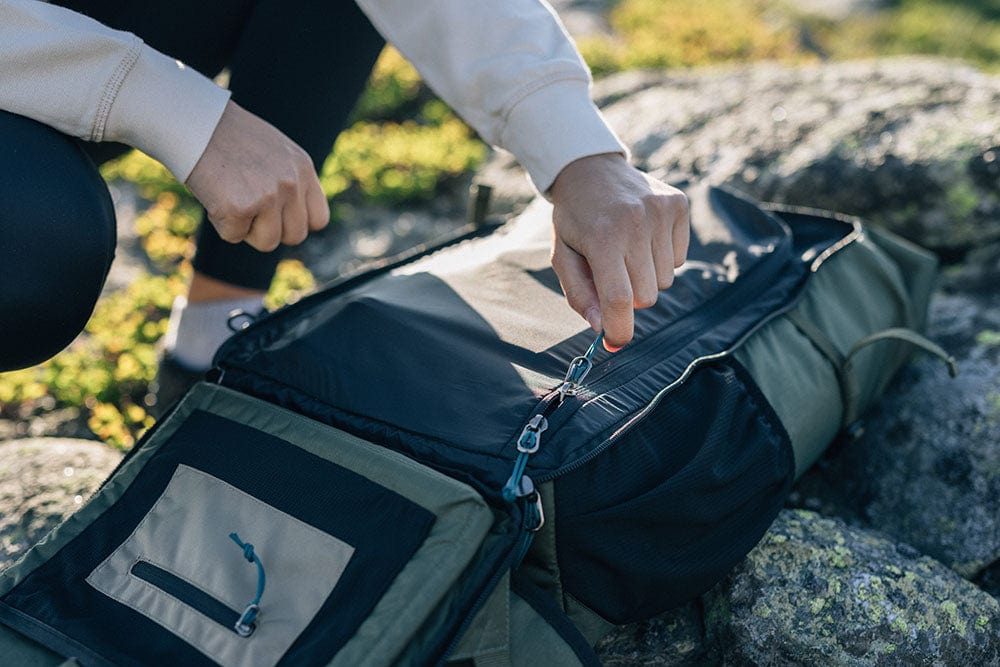
Finding a good outdoor backpack is not that easy. You might think, oh, as long as it's big and sturdy, but there's more to it than that. If you're on the go for hours with your backpack, you naturally want it to fit comfortably and have room for everything important. Let's take a look at what really matters so that your next trip is a complete success and your back thanks you.
Keys to Success
-
The right fit is crucial. Pay attention to the back length and whether the backpack is designed for women or men to maximize carrying comfort.
-
Clever organization helps enormously. Pack from bottom to top and place heavy items close to your body to protect your back and maintain balance.
-
Outer pockets and attachment options are invaluable. Use side pockets for water bottles and front pockets for quick access to clothing or equipment.
-
Weather protection is important. Waterproof materials or a good rain cover will keep your belongings dry, even if it pours.
-
Weight distribution makes all the difference. Use compression straps and properly adjusted shoulder and hip straps to distribute the weight optimally.
The Right Fit for Your Outdoor Backpack

The Importance of Back Length
A backpack has to fit, otherwise every tour becomes torture. The most important measurement for this is the back length. It is measured from the seventh cervical vertebra to the iliac crest. Many trekking backpacks can be adjusted in length. This is good, as it allows you to adapt the fit. If the shoulder straps don't sit correctly, i.e., are too high or too low, the back length is wrong. You'll quickly notice this, often through pressure points or an uncomfortable carrying sensation.
Adjustment for Women and Men
Women and men often have different body proportions. That's why there are backpacks specially designed for women. These often have a shorter back length. The hip fins are also shaped differently to better fit female hips. The chest strap on women's models is often set higher. This prevents uncomfortable pressure. But be careful: not every women's backpack fits every woman, and vice versa. Sometimes a men's model fits better if the proportions are simply different. It's worth trying out different models.
Fine Adjustments for Optimal Carrying Comfort
Once the basic fit is right, it's time for the details. The hip belt is crucial. It should sit on the hip bones and carry about two-thirds of the weight. Not too loose, but also not digging in. Then adjust the shoulder straps. They rest on the shoulders and should not carry too much weight.
The load lifter straps at the top of the shoulder straps pull the backpack closer to the body. This provides more stability. The sternum strap connects the shoulder straps at the front. It stabilizes and allows for more freedom of movement. All straps should be adjusted so that nothing presses or rubs. A well-adjusted backpack feels almost like a second skin.
Smart Organization in Your Outdoor Backpack
A well-organized backpack makes all the difference on any tour. Packing is best started at the very bottom. Light but bulky items such as your sleeping bag or a warm jacket belong in the bottom compartment.
Storage Wonder: Packing from Bottom to Top
This creates a good base. Then you move on to the main compartment. This is where most of your equipment goes. It's practical if you can access the contents from the top or from the side. Small packing bags help keep things organized. This way, you don't have to empty the entire backpack just to get to the sunscreen. These bags also protect against moisture.
Heavy Loads Close to the Body
Heavy equipment such as your tent or cooking utensils should always be stowed close to your back. This is important for balance, especially on rough terrain. The more alpine the terrain, the lower heavy items should be placed in the backpack. This way, the weight doesn't act as a lever that throws you off balance. The main compartment is the ideal place for this.
Quick Access to Important Utensils
Some things you need again and again on the go. Snacks, a water bottle, your rain jacket, or a map. These should be easily accessible. Stretchable mesh side pockets are great for this. They are often open or closed with a drawstring. This allows you to quickly access them without having to take off your backpack. The lid compartment is also intended for such small items. But be careful: an overstuffed lid compartment can hinder your head movement. This is where things like muesli bars, sunglasses, or your phone belong.
External Pockets and Attachment Options
External pockets are invaluable when you need to get to things quickly without having to open the entire backpack.
Side Pockets for Water Bottles and More
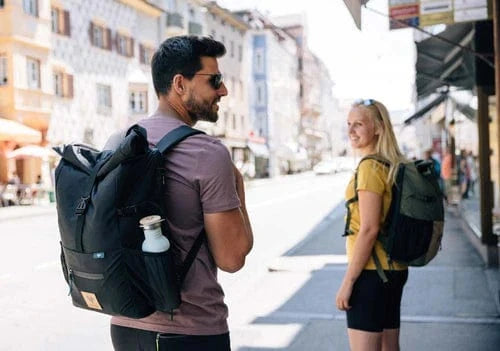
The side pockets, in particular, are a blessing here. Mostly made of stretchy mesh material, they offer space for water bottles, but also for snacks, rubbish bags, or small tools. This ensures hydration while hiking, without interrupting your rhythm. Some models even have special holders or additional straps to secure the bottle. But these pockets can also be useful for trekking poles or a small sleeping mat if they are sturdy enough.
Frontal Storage for Clothing and Equipment
The front pocket, often with an elastic bungee system, is ideal for items that need to be close at hand. Think of an extra rain jacket that you need to quickly put on in changeable weather, or a warmer layer when temperatures drop. Wet clothing can also be temporarily stored here to keep the rest of the backpack contents dry. Some backpacks even have special compartments here for crampons or other bulky equipment that you don't want to store in the main compartment.
The softshell jacket - when is it used?
External Loops and Straps for Bulky Items
In addition to the pockets, there are often other attachment options. Numerous loops and straps on the outside of the backpack are perfect for items that simply don't fit inside. These include, for example, a sleeping mat, a tent, or even a sleeping bag. These are securely lashed with the straps so that they do not slip and do not negatively affect the backpack's center of gravity. Trekking poles can also often be securely attached here. It is important that these items are well balanced so that they do not interfere with walking.
Protection from the Elements with Your Outdoor Backpack
A good outdoor backpack must protect you and your equipment from rain, snow, and dirt. This is important so that your belongings stay dry and you can be on the go even in bad weather. The choice of the right material and clever construction plays a major role here.
Waterproof Materials and Rain Covers
In the past, a rain cover was almost always included. Today, there are also completely waterproof backpacks. However, these are often simpler in design, more expensive to manufacture, and add more weight. For normal tours, a good rain cover is usually sufficient. It is often stored in the lid compartment or a separate pocket at the bottom. This way, you have it quickly at hand when it starts to pour.
Protecting Contents from Moisture
Even if the backpack itself is not completely waterproof, there are ways to keep the contents dry. Packing bags made of water-repellent material are a good choice here. They protect sensitive items such as electronics or clothing from moisture. Many backpacks also have a main compartment that can be well organized with such bags. This way, everything stays in place and dry.
The Lid Compartment as a Weather Protection Depot
The lid compartment is practical for things that need to be quickly accessible. These include snacks, a map, your phone, or sunscreen. If you don't pack it too full, it won't restrict your head movements. In the rain, the lid compartment can also serve as a small weather protection depot. Here you can quickly store a rain jacket or hat without having to open the entire backpack.
Weight Distribution and Compression
Correctly Setting Centers of Gravity
A well-packed backpack is crucial for a pleasant tour. If heavy items are packed too far from the body or too high, it can quickly lead to an uncomfortable swaying. This throws you off balance, especially on difficult terrain. Heavy equipment such as a tent or full water bottles should therefore be placed close to your back and rather in the upper area. This keeps your center of gravity stable and allows you to move better. Light, bulky items such as a sleeping bag are better placed at the bottom or attached to the outside.
Compression for Stability and Shape
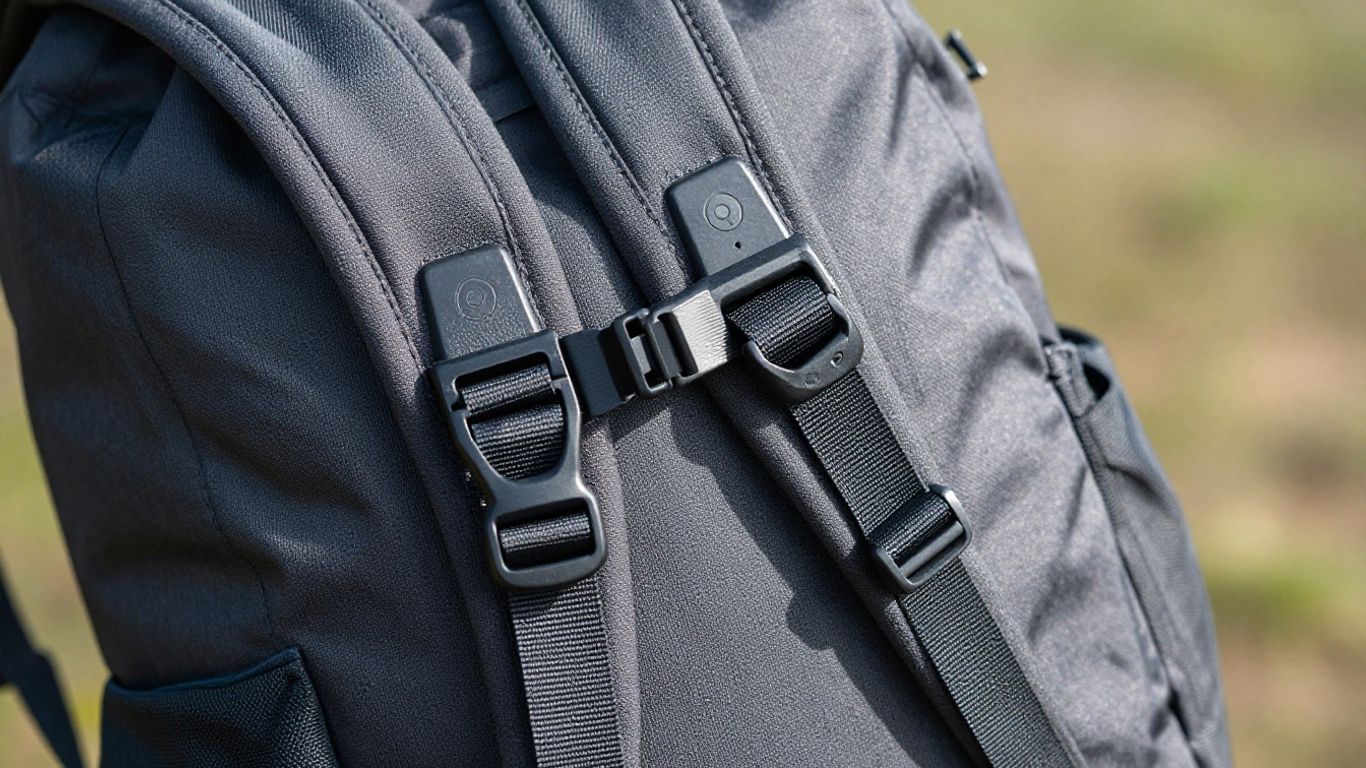
Compression is important so that the backpack doesn't hang on your back like a sack of potatoes. With the compression straps, you pull the backpack tighter. This stabilizes the contents and prevents everything from shifting. If your backpack isn't completely full, these straps help reduce the volume. This makes the backpack more compact and more comfortable to carry. Less movement in the backpack means less effort for you.
The Role of Shoulder and Hip Belts
The shoulder and hip belts are your most important helpers for weight distribution. The hip belt should carry the majority of the weight, ideally two-thirds. It sits on the hip bones and thus relieves the shoulders. The shoulder straps ensure that the backpack stays close to the body and doesn't pull backwards. They are only lightly tightened after the hip belt is properly seated. Load lifter straps on the shoulder straps help pull the backpack even closer to the body, which is particularly advantageous on demanding tours. A well-adjusted backpack feels almost like a second skin.
Conclusion: What Counts is the Overall Package
At the end of the day, it's not just a single feature that makes a good outdoor backpack. It's the interplay of many small things: how well it fits, how practically the compartments are arranged, and how easy it is to use when you're on the go. Sometimes it's the simple things, like an easily accessible side pocket for a water bottle or a lid compartment for a quick snack, that make all the difference. Remember, the best backpack is the one that won't let you down on your tours and with which you simply feel comfortable. So, take your time when choosing and pay attention to the details that are personally important to you. Then nothing stands in the way of your next adventure!
Frequently Asked Questions
How do I make sure my backpack fits well?
To ensure your backpack fits comfortably, the correct back length is super important. Measure from your neck vertebra to your hip crest. Many backpacks can be adjusted to be perfect for you, whether you're a man or a woman. You can also fine-tune the straps so nothing digs in.
What's the best way to pack my backpack?
Pack light items like your sleeping bag at the very bottom. Heavy things, such as cooking gear, belong close to your back in the middle. This distributes the weight well and protects your back. Smaller items you need quickly go at the top or in the outer pockets.
What are all the pockets and loops on the outside of the backpack for?
Outer pockets are super practical! You can store water bottles or snacks you need on the go quickly in the side pockets. There's often a pocket or bungee cords on the front where you can attach wet clothes or a jacket. With additional loops, you can also strap bulky items like a sleeping mat to the outside.
What do I do if it rains?
Many backpacks are already made of water-resistant material. Nevertheless, an extra rain cover is often included. You simply put it over the backpack when it pours. This keeps your stuff nice and dry. The lid compartment is also often somewhat more protected.
How do I ensure my backpack remains stable, even when full?
It's very simple: you can compress everything nicely with the straps on the backpack. This makes the backpack more compact and the weight doesn't shift as easily. Make sure heavy items are close to your body and lighter items are on the outside. This way, you won't tip over as easily.
Are special backpacks for women really necessary?
Yes, often they are! Women usually have a shorter back and different body proportions. Women's backpacks are therefore often shorter and the hip belts are shaped differently so that they fit better and don't press uncomfortably. But every back is different, so it's best to try out different models.







Share:
What is the difference between hardshell and softshell?
Which rain jacket for cycling?