



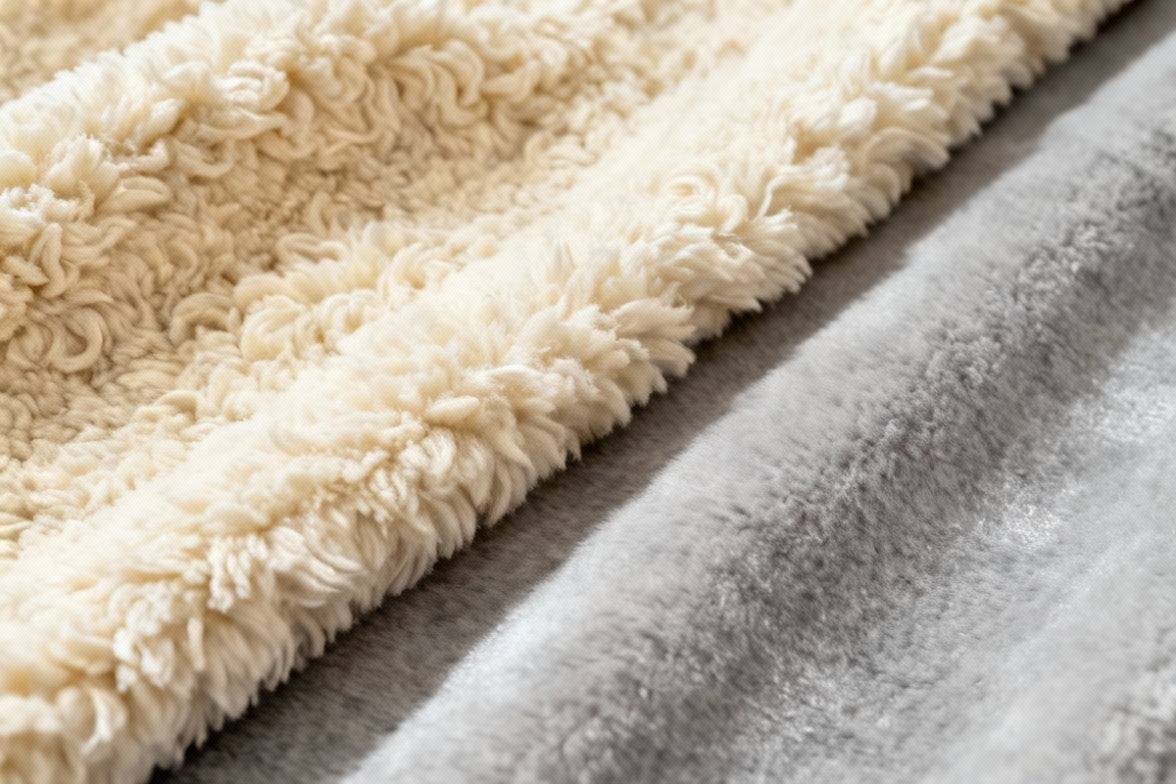
Teddy fleece, plush, fleece – we’re going to take a closer look at the differences between teddy fleece, plush, and fleece.

Teddy fleece, plush, and fleece in direct comparison
Teddy fleece, plush, and fleece are all known for their softness and warmth. But there are subtle differences that make them better suited for different purposes. A closer look at their texture helps in choosing the right fabric.
'

The fundamental differences in feel
When you touch these fabrics, you immediately feel the differences.
-
Fleece often feels smoother and more even, almost like a soft felt.
-
Teddy fleece has a much more pronounced, fluffier surface, reminiscent of a teddy bear's fur.
-
Plush is often even shaggier and has longer fibers, which gives it a very cuddly, almost luxurious feel. The fibers can be more irregular here, which creates its characteristic look.
Visual characteristics of the materials
Visually, the three also differ.
-
Fleece usually has a more uniform surface, unless it's a special variant.
-
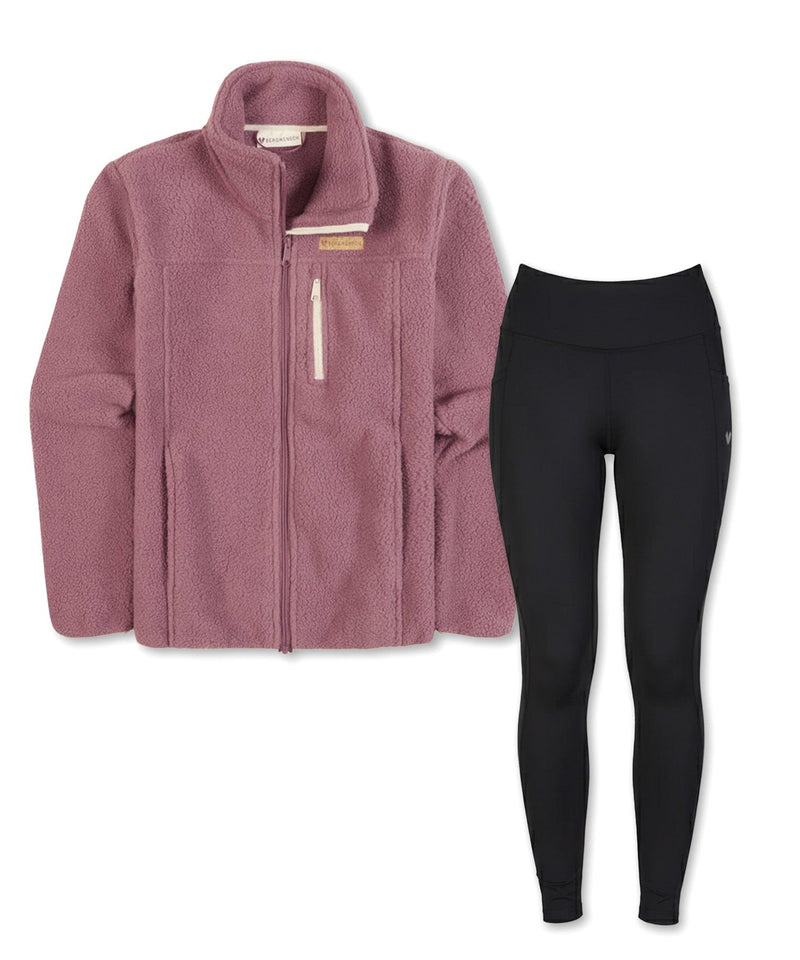
Teddy fleece is recognizable by its raised, bushy fibers.
-
With two-tone teddy fleece fabrics, you can often see the color of the underlying fabric between the longer fibers. Plush often looks denser and has longer, sometimes shinier fibers, giving it a deep, full appearance.
Comparison of fiber density and length
Fiber density and length are crucial for warmth and feel.
Fleece tends to have shorter and more densely packed fibers. This makes it light and breathable.
Teddy fleece has longer, but often less dense fibers, which leads to more air pockets and thus better insulation.
Plush can have both high density and very long fibers, making it particularly warm and voluminous. However, the exact properties depend heavily on the specific manufacturing process.
|
Material |
Fiber Length |
Fiber Density |
Feel |
|---|---|---|---|
|
Fleece |
Short |
High |
Smooth, even |
|
Teddy Fleece |
Medium |
Medium |
Fluffy, bushy |
|
Plush |
Long |
Variable |
Shaggy, voluminous |
The special properties of teddy fleece

Teddy fleece is a material characterized by its unique feel and appearance. It strongly resembles the soft fur of teddy bears, hence the name. This special surface structure makes it a favorite for cozy clothing and accessories.
Characteristics of the teddy bear surface
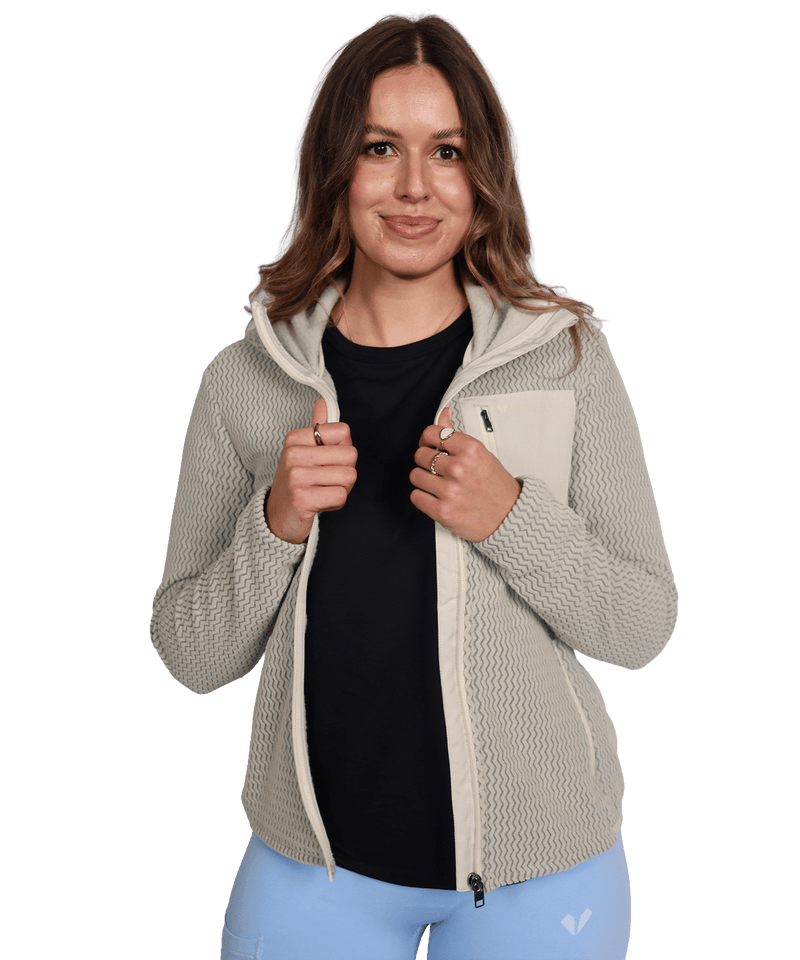
The surface of teddy fleece is characterized by a high, often irregular pile. The individual fibers are close together and are soft and pliable. This gives the fabric a very pleasant and warm feel. Sometimes, with two-tone variants, the color of the backing material can be seen between the raised fibers, which gives it an additional visual appeal.
Thermal insulation through high fiber pile
The dense and high pile of teddy fleece traps a lot of air. This trapped air acts as a natural insulating layer. That's why teddy fleece keeps you particularly warm. It's ideal for cold days, whether as a jacket, vest, or as a lining in other garments. Its ability to retain heat makes it a popular material for comfortable clothing.
Special features of two-tone variants
With two-tone teddy fleece fabrics, a contrasting color is often used on the back. When the fibers on the front are brushed up, the shorter fibers or the base color of the fabric can show through. This creates an interesting, mottled or two-tone effect. These designs are particularly popular for fashionable garments that should be both warm and visually appealing.
Fleece: A versatile material for every purpose
Fleece is a fabric that has firmly established itself in the clothing world in recent decades. Originally often made only from polyester, the material has evolved. It is known for its softness and its heat-insulating properties. This is due to the special manufacturing process: yarn loops are cut open and brushed, creating a voluminous pile. This makes fleece so pleasant on the skin and keeps you warm.
Fleece is a true all-rounder. It is lightweight, yet warm. It is also breathable, meaning that moisture is wicked away from the body. This is particularly practical when you are active. Many types of fleece also dry very quickly. This makes them ideal companions for outdoor activities.
Functional properties of polyester fleece
Polyester fleece, often referred to as classic fleece, has a whole range of advantages. It is lightweight and feels soft. The brushed surface traps air, which provides good thermal insulation. The material is also breathable and wicks away moisture well. This is important so that you don't overheat even when exerting yourself. Another plus point is the fast drying time. Even if it gets damp, it will soon be dry again. Fleece is also easy to care for and durable. It hardly wrinkles and retains its shape even after many washes.
A small disadvantage can be electrostatic charge, especially in very dry air. But this is usually not a big problem.
Sherpa fleece is a popular choice for many outdoor enthusiasts. But what exactly is Sherpa fleece?
Areas of application for fleece in outdoor clothing
Fleece is an indispensable part of the outdoor world. It can be found in jackets, vests, sweaters and trousers. Hats and gloves are also often made from it. It is also popular for sleeping bags or as a blanket. When hiking, skiing or mountaineering, fleece is a great choice. It keeps you warm without being heavy. It also performs well during sporting activities such as running or cycling. It is the perfect second layer that provides warmth. In mild weather, a fleece jacket can even be the only jacket you need.
Very fine types of fleece are also suitable for functional underwear. They are then particularly breathable and warming.
Differences between different types of fleece
Fleece is not all the same. There are many variants that differ in appearance and properties. For example, there is teddy fleece, which has a particularly fluffy, teddy bear-like surface. The fibers are long and soft. Then there is Sherpa fleece, which is also soft, but has slightly shorter and denser fibers. This makes it very cuddly.
On the other hand, there are lighter variants such as microfleece or tech fleece. These are often thinner and more breathable. They are often worn in everyday life, often in combination with technologies that quickly wick away moisture. Some fleece fabrics have a smooth outside and are only brushed inside, like knit fleece. Others, like waffle fleece, have a structured inside that improves moisture management. The material thickness and weight also vary greatly, so that the right fleece can be found for every purpose.
Plush: Cuddliness and Care
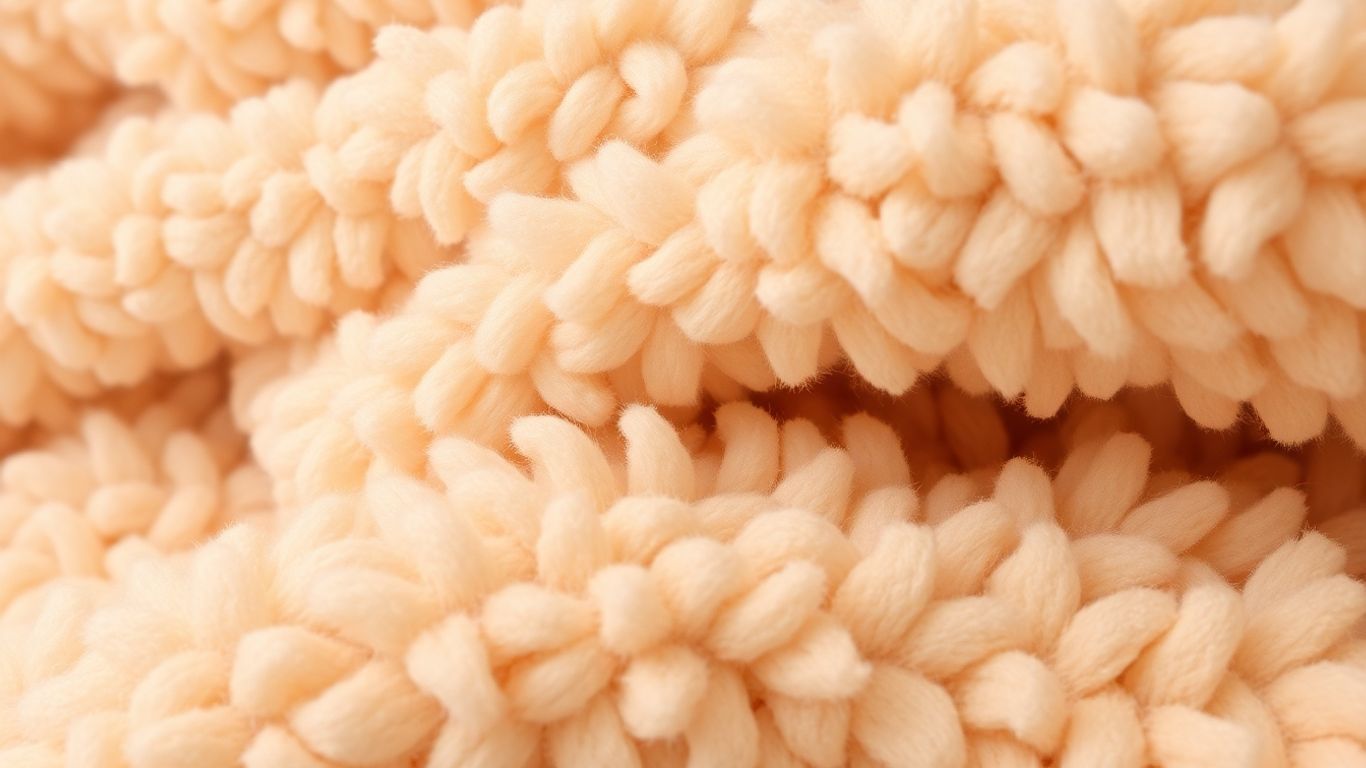
Plush is a fabric characterized by its long pile. Anything with a pile of more than 3 millimeters falls under this term. This makes it particularly soft and cuddly. Many faux furs, for example, are made of plush. The texture of plush can vary, but the basic feel is always fluffy and pleasant on the skin.
Caring for plush textiles is not complicated. Most plush items can generally be put in the washing machine. However, it is important to pay close attention to the care label. One tip for washing: avoid fabric softener at all costs. This can stick the fibers together and reduce the cuddly effect. Instead, the tumble dryer can help to fluff up the plush again. But here, too, only if the label allows it.
Sometimes plush can look a little dishevelled after washing. But there's no need to worry. With a soft brush, similar to one used for hair or pet fur, the pile can be brought back into shape. It's best to try this on an inconspicuous spot first. If you brush the plush slightly damp, you can even shape it directly into the desired form. Loose fibers can also be removed easily this way. The result is a beautifully soft and fluffy fabric again.
-
Care instructions for plush:
-
Wash according to the care label.
-
Do not use fabric softener.
-
Only use a tumble dryer if permitted.
-
Brush gently if necessary.
-
Proper care maintains the softness and appearance of plush. With simple means, you can preserve its cuddliness for a long time.
Quality features and material science
When buying fleece, teddy fleece, or plush, it's good to know what to look for. Not all materials are the same. Quality can vary greatly, affecting the feel, durability, and appearance. It's worth taking a closer look to find the best material for your needs.
What to look for in high-quality fleece
You can recognize high-quality fleece by several characteristics. The fibers should be dense and evenly brushed. This ensures good thermal insulation and makes the material soft. Look for a firm, yet flexible knit. If you hold the material up to the light, it should not be too translucent. This indicates a higher fiber density.
-
Density and uniformity of fibers: A fine, dense brushing is a good sign.
-
Feel: The material should feel soft and pleasant, not scratchy.
-
Fabric structure: A firm knit is more durable than a loosely woven fabric.
-
Colorfastness: High-quality fleece retains its color even after multiple washes.
Pilling as an indicator of material quality
Pilling, i.e., the formation of small knots on the surface, can occur with fleece and similar materials. It is caused by friction, especially during washing. Good fleece pills less or only after a long time. If a fabric pills heavily after only a few washes, it is often a sign of lower quality fibers or processing. When buying, pay attention to whether the material already shows signs of pilling, even if this is difficult to recognize with new fabric. The type of fiber and the density of the weave play a major role here.
-
Causes of pilling: Friction, inferior fibers, incorrect washing care.
-
Signs of quality: Low pilling even after repeated wear and washing.
-
Prevention: Gentle washing, use of a laundry bag.
Sustainability and care of textiles
Fleece is a popular material, often valued for its softness and warmth. But what about its durability and environmental compatibility? There are a few things to consider here to ensure that your favorite pieces last a long time and the environment is protected.
Environmental aspects in the production of fleece
Fleece used to be criticized for microplastics. Tiny fibers can detach during washing. These enter wastewater and cannot always be completely filtered out by sewage treatment plants. This can pollute the oceans. Many manufacturers today rely on fleece made from recycled materials. PET bottles or old fishing nets are processed into new yarn. This is a good step towards more environmentally friendly clothing. Some brands also offer take-back programs. Old pieces are then processed into new textiles.
Tips for gentle washing of fleece
Fleece is easy to care for, but there are a few things to keep in mind. Fleece can generally be machine-washed. It is important to pay attention to the care label. Fabric softener should be avoided, as it can damage the fibers. Instead, the tumble dryer can help to make the fleece fluffy again. To minimize the release of microplastics, it is recommended to use a special laundry bag. This way, the fine fibers remain better in the bag.
FAQ
What makes teddy fleece special?
Teddy fleece is super cuddly because it has very long, fluffy fibers that feel like a teddy bear. Sometimes you can see the other color of the fabric between the long fibers. This makes it particularly cozy and warm.
Is fleece the same as non-woven fabric?
No, they are not the same. Fleece is a fabric where the fibers are firmly intertwined and have a soft surface. A non-woven fabric is more like a pile of loose fibers that are only loosely held together, like a sheepskin.
Why is fleece so popular for outdoor clothing?
Fleece is super light, keeps you wonderfully warm, dries quickly, and wicks moisture away from your body. It's also easy to care for and often made from recycled materials, which is good for the environment. So it's perfect for sports activities or simply for keeping warm. Fleece – always a great gift idea for hikers!
How do I recognize good fleece?
Good fleece doesn't shed much and doesn't form small knots (this is called pilling). Look for well-known brands like Polartec, which are known for good quality. Also, if the fabric feels soft and dense, that's a good sign.
How do I best care for plush?
Plush is very cuddly, but it can sometimes look a bit shaggy after washing. To make it soft again, you can carefully brush it out, preferably when it is still slightly damp. This will loosen matted areas.
Can fleece be electrostatically charged?
Yes, that can happen. Because fleece is often made of polyester, it can sometimes become statically charged, like when you rub a balloon on your hair. But this is usually only a minor annoyance.











Share:
What Is a Sherpa Jacket? Function, Material, and Uses Explained
Women's Fleece Pullovers - What to Look for When Buying?