






Women's Fleece Sweaters
A fleece sweater is now one of the most important garments in women's outdoor fashion. It is lightweight, easy to care for, keeps you warm, and is versatile. Whether hiking, in everyday life, or when traveling – fleece has established itself as a material.
There are different types of fleece, each with its own strengths depending on the area of application. Sherpa fleece and teddy fleece, in particular, are two variants that have gained significant popularity in recent years.
Sherpa Fleece – robust and functional
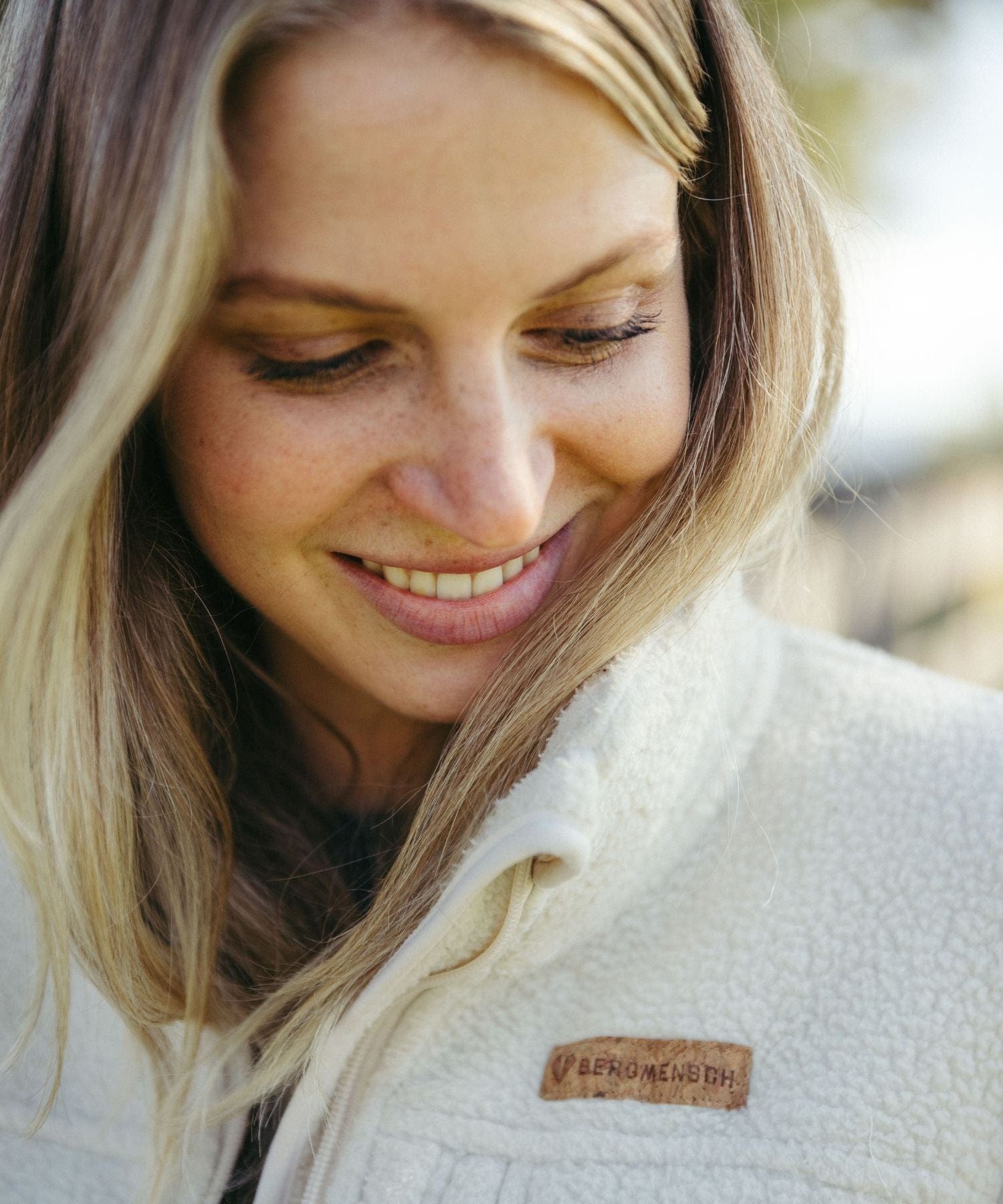
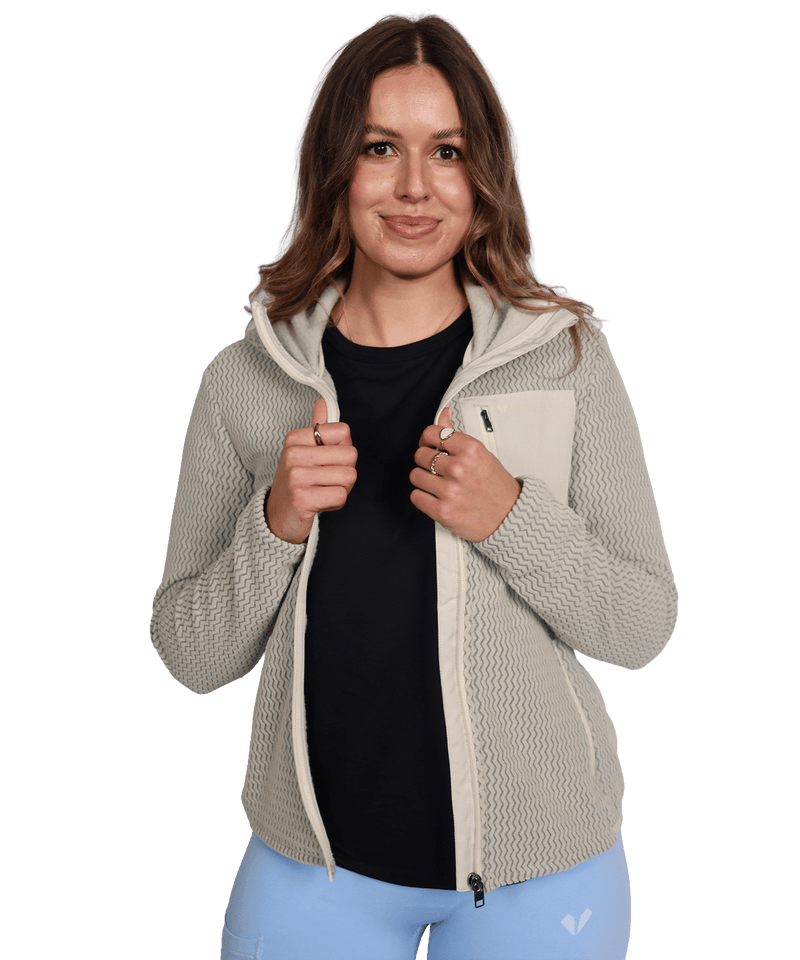
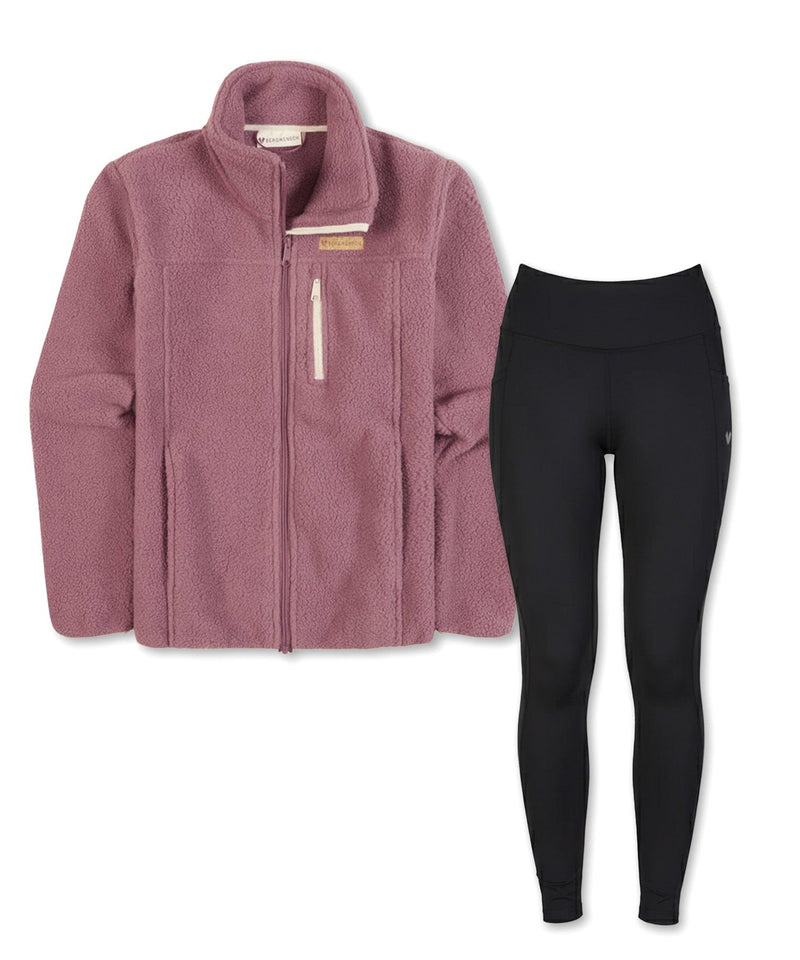
Outdoor brands, including us at Bergmensch, consciously rely on Sherpa fleece. The material is known for its thick, wool-like structure, which visually resembles sheep's wool. The brushed surface traps a lot of air, providing high thermal insulation.
Sherpa fleece sweaters are particularly interesting for outdoor activities. They are warm, breathable, and at the same time durable. At Bergmensch, Sherpa fleece jackets and sweaters are specially developed for people who spend a lot of time outdoors and value functional clothing.
Examples of use
-
Winter hikes at temperatures around freezing point
-
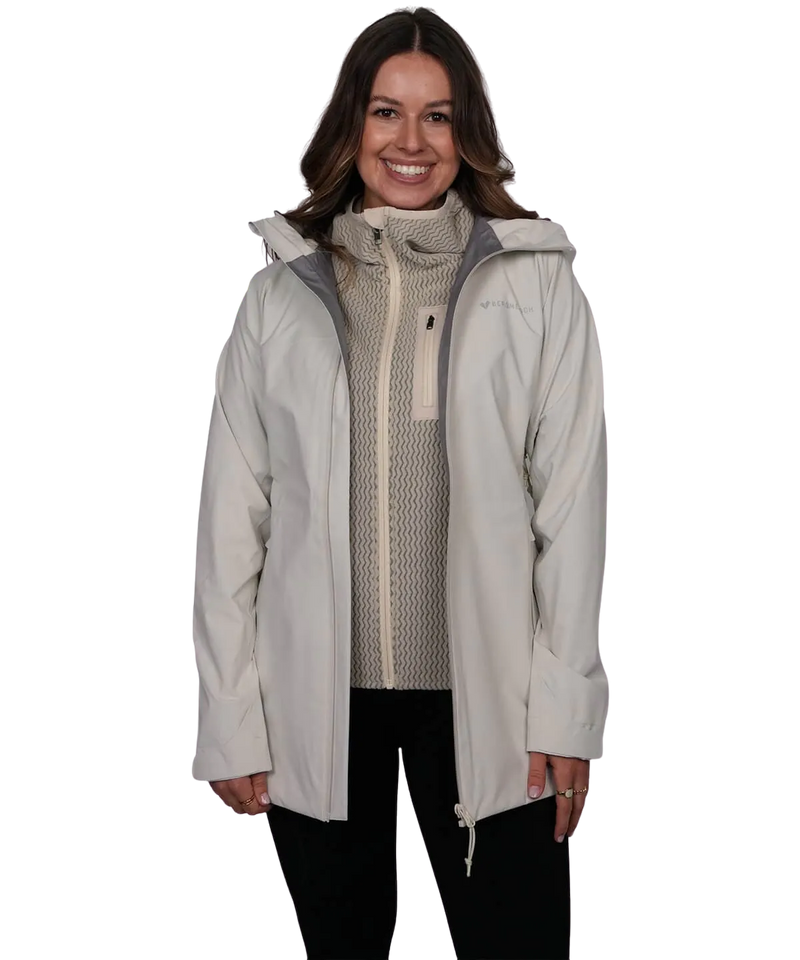
Layering as an insulating layer under a hardshell jacket
-
Campfire evenings or camping when it gets cold in the evening
Advantages of Sherpa Fleece
-
very warm due to high insulation performance
-
breathable
-
robust and durable
-
pleasantly soft feel
Disadvantages of Sherpa Fleece
-
less lightweight than classic microfleece due to its thicker structure
-
bulkier, requires more space in the backpack
-
dries a little slower than thinner fleece
Teddy Fleece – cuddly and cozy
In addition to Sherpa fleece, teddy fleece is also becoming increasingly popular. The name describes its structure: the material resembles the surface of a teddy bear. It is extremely soft, voluminous, and immediately invites comfort.
Teddy fleece sweaters are designed less for demanding outdoor use and more for comfort. They are ideal for leisure, everyday life, and cozy hours at home. Nevertheless, they also have practical properties such as thermal insulation and breathability.
Examples of use
-
cozy hours at home in winter
-
as a cuddly layer in everyday life
-
transition jacket in autumn or spring
Advantages of Teddy Fleece
-
very soft, plush surface
-
high comfort factor
-
fashionably versatile, from oversized to form-fitting
-
good thermal performance
Disadvantages of Teddy Fleece
-
less durable than Sherpa fleece
-
may lose structure more quickly with frequent washing
-
less wind-resistant
General advantages of fleece sweaters
Fleece is a synthetic material, usually made of polyester, that has been used in outdoor and leisure clothing since the 1980s.
Pros:
-
lightweight and comfortable to wear
-
quick-drying
-
machine washable
-
keeps warm even when damp
-
usually cheaper than wool
-
animal-friendly, as it contains no animal fibers
Cons:
-
not windproof without an additional layer
-
can absorb odors more quickly
-
microplastic issue during washing
-
less durable than natural fibers like wool
Fleece in a layering system
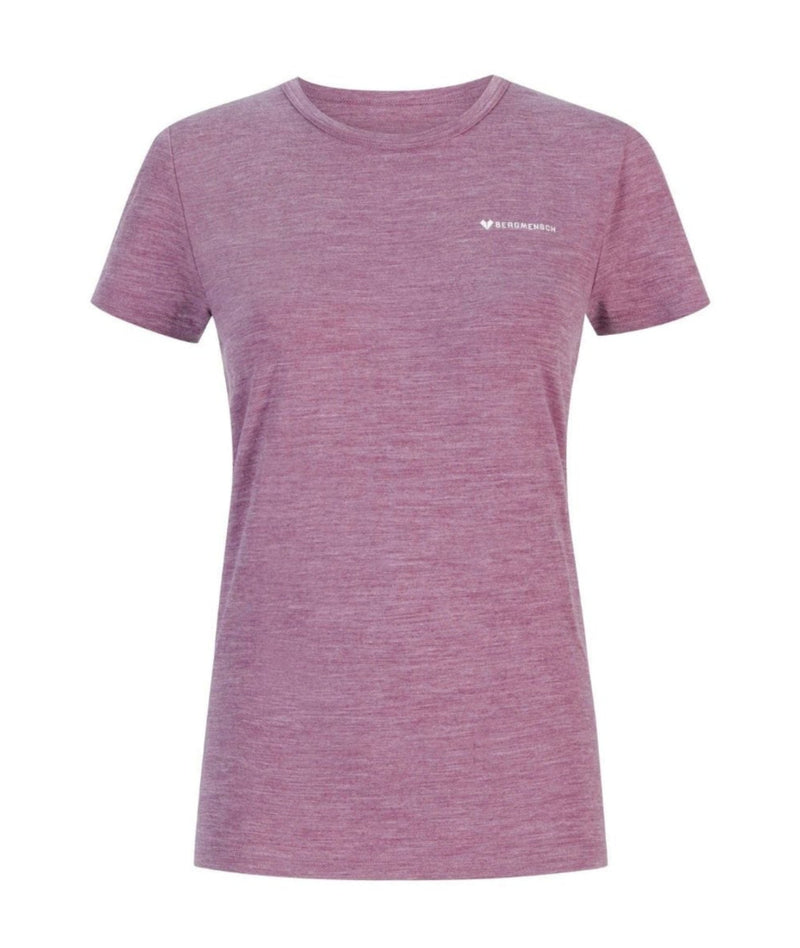
Fleece sweaters are a classic example of the layering principle in outdoor clothing. They serve as an insulating layer between a functional base layer (e.g., merino wool or synthetic fiber) and an outer layer (hardshell or softshell).
Advantage: The system is flexible. During exertion, you can take off the sweater; during breaks or when temperatures drop, you can quickly put it back on.
Example: Women and men often wear merino long sleeves when hiking in winter, with a Sherpa fleece sweater over them and a windproof hardshell on the outside. This protects them from cold, wind, and moisture without overheating.
Care of fleece sweaters
A great advantage of fleece is its easy care. Most sweaters can be machine washed at 30 or 40 degrees. Fabric softener should be avoided as it can stick the fibers together. Fleece sweaters are best air-dried, as a dryer can damage the structure.
Tip: To reduce microplastics, it is recommended to use special wash bags (e.g., Guppyfriend) that catch fiber abrasion.
Fashion aspects of fleece sweaters
In addition to function, aesthetics and fashion also play a role. Fleece sweaters are available in many variations:
-
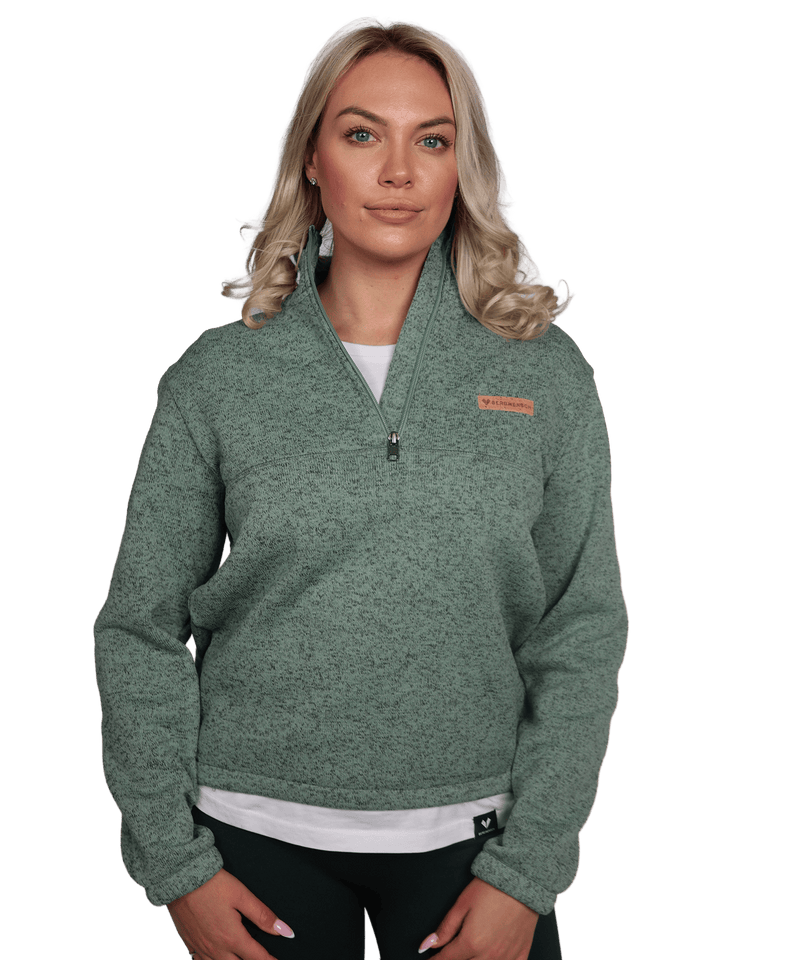
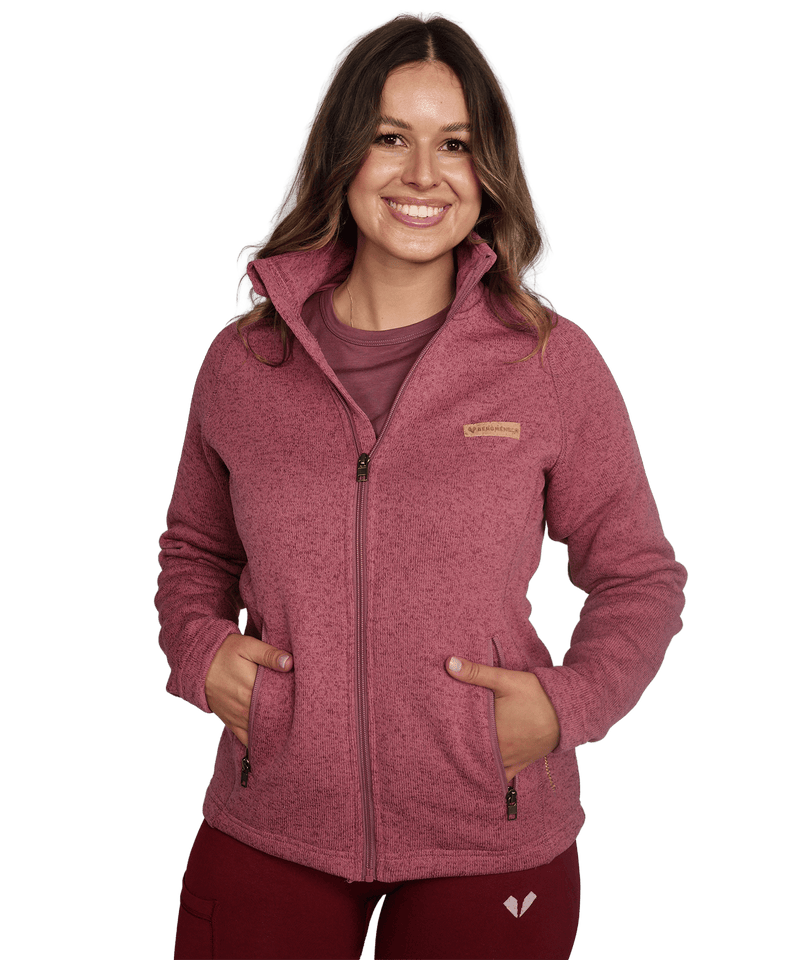
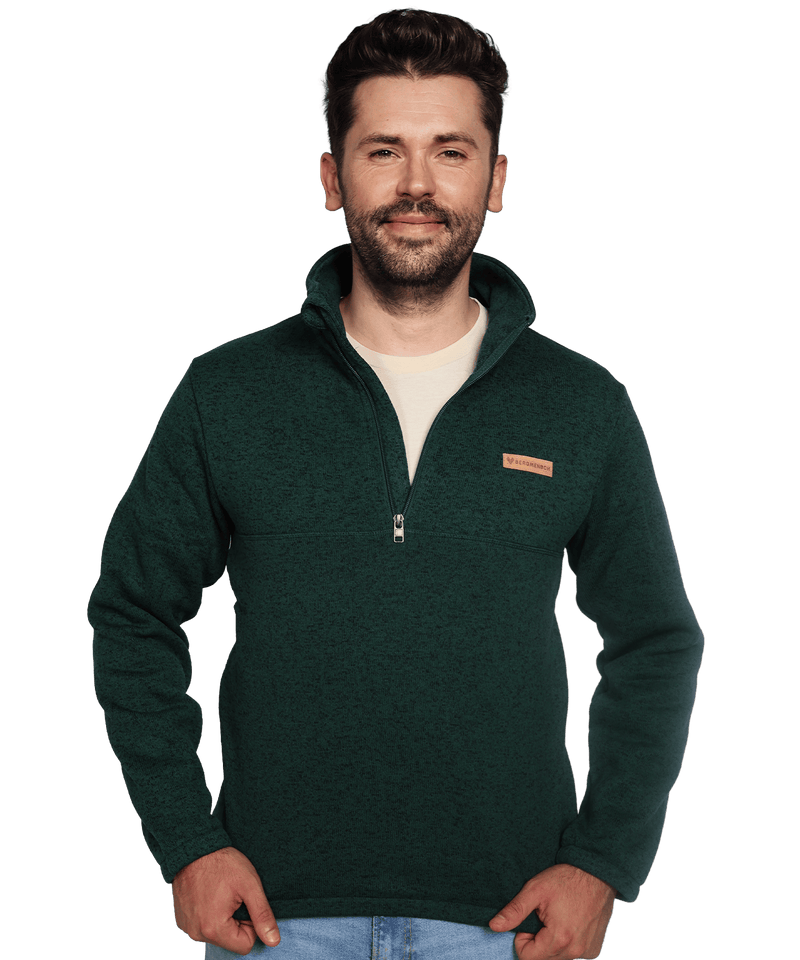
with half or full zipper
-
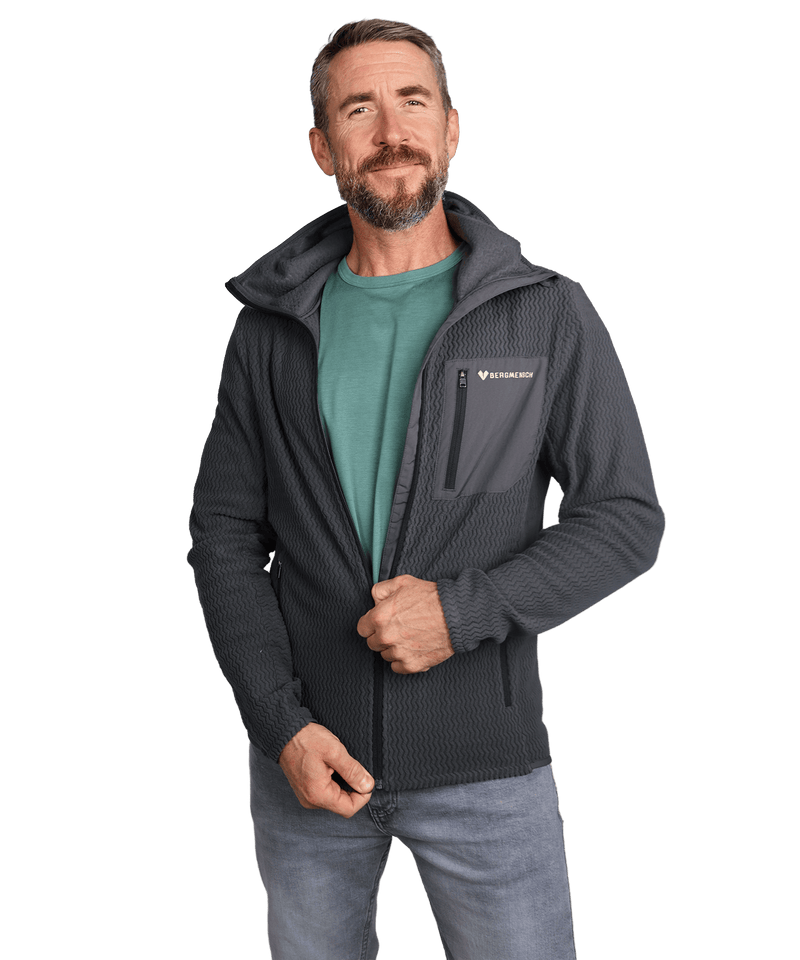
with hood or stand-up collar
-
oversized or tailored fit
-
in neutral natural tones or striking colors
Sherpa fleece often appears high-quality and rustic due to its wool-like structure, while teddy fleece looks more playful and cozy. Both materials can be worn in both sporty and fashionable contexts.
Sustainability in fleece
More and more manufacturers are using recycled polyester. This transforms old plastic bottles or production waste into new fabric. Those who care about sustainability should pay attention to whether a sweater is marked with "recycled" when buying.
Some brands also combine fleece with natural fibers like cotton to reduce environmental impact.
Which fleece sweater is suitable for whom?
-
Sherpa fleece: Ideal for women who spend a lot of time outdoors, hiking, camping, or looking for a warm, robust mid-layer.
-
Teddy fleece: Perfect for women who want a particularly soft, cozy garment for everyday life and leisure.
-
Classic microfleece: Good for sports and movement, as it is lightweight, thin, and breathable.
Also interesting: Pilling - what is it?
Conclusion on women's fleece sweaters
A women's fleece sweater is more than just a warming garment. It combines function, comfort, and style. Depending on the material, there are differences: Sherpa fleece offers warmth and durability, while teddy fleece excels in coziness and a fashionable look. Both variants are easy to care for, versatile, and available in many designs.







Share:
Teddy Fleece vs. Fleece vs. Plush – Differences Explained
10 Reasons Why We Love Sherpa Apparel!