




Merino Wool in Summer
Many immediately associate merino wool with cold winter days and thick sweaters. But this fine natural fiber can do much more than just keep you warm. In fact, merino wool offers surprising advantages even in high temperatures, which conventional summer clothing often lacks.
Especially when temperatures rise and you are active, merino wool shows its true strengths. We delve deep into the science behind this amazing fiber.
This article highlights the unique properties of merino wool and explains why it is an excellent choice for your summer wardrobe. You will learn how merino fibers manage moisture, prevent odors, and protect you from UV radiation. Get ready for a new perspective on your summer clothing!
Merino wool is a natural fiber that comes from merino sheep and is characterized by its fine, crimped fibers, which allow for excellent temperature regulation and moisture wicking.
Brief Summary
- Merino wool actively cools through moisture management and evaporative cooling.
- The fiber effectively neutralizes odors, even with heavy sweating.
- Merino offers natural UV protection of up to UPF 50+.
- Despite the heat, merino clothing remains breathable and comfortable on the skin.
Why Does Merino Wool Work Surprisingly Well in Hot Temperatures?
Merino wool works amazingly well in hot temperatures because the fibers have a unique structure that both insulates and cools by efficiently wicking moisture away from the body and generating evaporative cooling.
Most people associate wool with warmth, but merino fibers are different. They are incredibly fine, typically between 15 and 24 micrometers in diameter. This fineness allows for high flexibility and low fabric weight.
A crucial factor is the crimp of the fibers. This creates small air pockets that not only insulate in winter but also dissipate body heat in summer. It's a principle known as thermal regulation, which works perfectly for merino sheep in extreme climates.
The Role of Fiber Structure in Temperature Regulation
The complex structure of the merino fiber is key to temperature regulation. Each fiber consists of an outer scale layer and an inner cortex that can absorb moisture.
Merino wool is hydrophilic, meaning it can absorb up to 35% of its own weight in moisture without feeling wet. This moisture is then slowly released into the environment, creating a cooling effect through evaporation. Cotton, on the other hand, stores moisture on the surface and dries more slowly.
The fibers transport sweat in the form of water vapor away from the skin. This keeps your skin dry. This process is crucial to prevent overheating and create a comfortable microclimate directly on the skin.
How Merino Wool Manages Moisture and Neutralizes Odors
Merino wool's moisture management is impressive. When you sweat, the fiber absorbs the water vapor and wicks it outwards. This process is not only cooling but also odor-neutralizing.
Merino wool contains natural keratin proteins that bind and neutralize bacteria responsible for unpleasant odors. This is a significant advantage over synthetic fibers, which often start to smell after only a short time of wear.
You can often wear a merino shirt for several days without it smelling unpleasant. This is especially practical when traveling or on multi-day hikes. The antibacterial effect of the wool is a natural protective mechanism of sheep.
Which option fits?
Light Merino Shirts – Brief Description
Ideal for sports and everyday wear in high temperatures, if you are looking for maximum breathability.
Merino Blends – Brief Description
For additional durability and faster drying, often combined with Tencel or synthetic fibers.
What are the Advantages of Merino Wool over Cotton and Synthetics in Summer?
Merino wool outperforms cotton and synthetics in summer due to its superior temperature regulation, odor resistance, and natural UV protection, making it the ideal choice for comfort and hygiene in the heat.
A common misconception is that cotton is always the best choice in summer. However, cotton absorbs sweat and dries slowly, leading to a clammy feeling. Merino wool, on the other hand, actively wicks away moisture and stays dry.
Synthetic fibers like polyester or nylon transport moisture quickly but tend to develop odors. The molecular structure of merino wool effectively prevents this. A crucial difference that significantly impacts wearing comfort.
The Natural UV Protection of Merino Fibers
An often underestimated advantage of merino wool is its natural protection against ultraviolet radiation. Many light summer fabrics offer only low UV protection, which can lead to sunburn.
Merino wool naturally has a high UPF (Ultraviolet Protection Factor), often ranging from 30+ to 50+. This means it blocks over 97% of harmful UV rays. So you are better protected without additional chemical treatments.
Synthetic fabrics often need special treatment to achieve similar protection. This protection can decrease over time or after several washes. Merino wool retains its protective properties permanently. The dense fiber structure effectively absorbs UV light.
Feel on the Skin and Wearing Comfort: Merino Wool versus Other Materials
The feel on the skin is another area where merino wool excels. Many find cotton or synthetics scratchy or sticky in the heat once they get damp.
Merino fibers are extremely fine and soft, ensuring a pleasant feel directly on the skin. The fibers bend when they touch the skin, instead of poking.
Additionally, merino wool is more breathable than many other fabrics. This is a noticeable difference, especially when you are active in high temperatures.
Pros and Cons: The Role of Fiber Structure in Temperature Regulation The complex structure of the
|
Advantages
|
Disadvantages
|
Which Types of Merino Clothing Are Particularly Suitable for Summer?
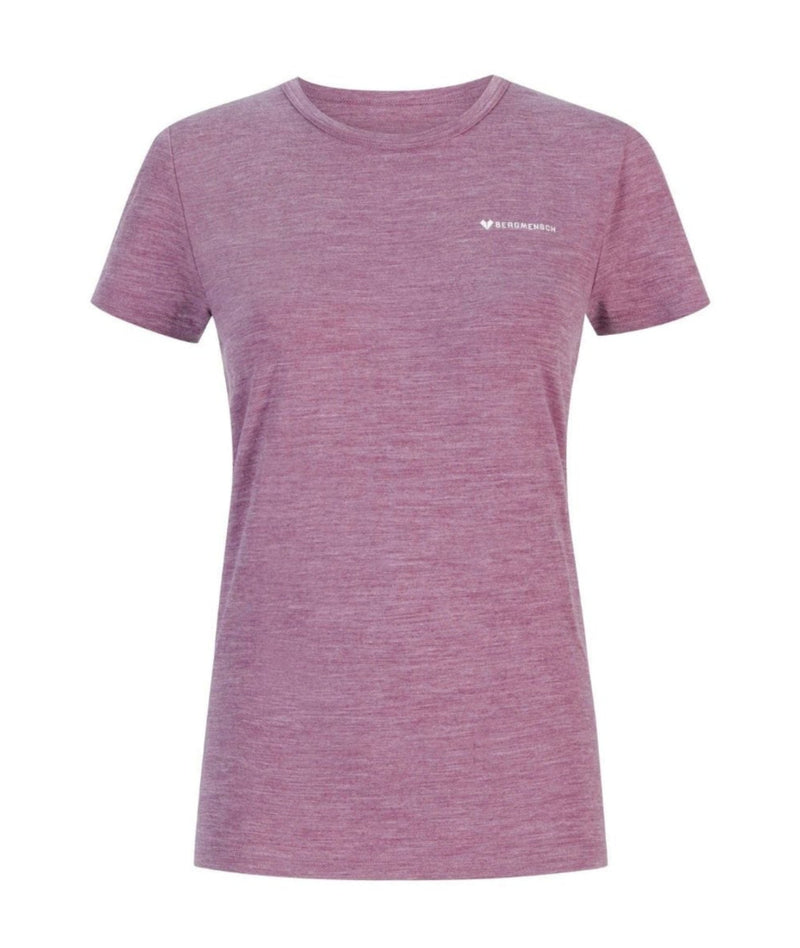
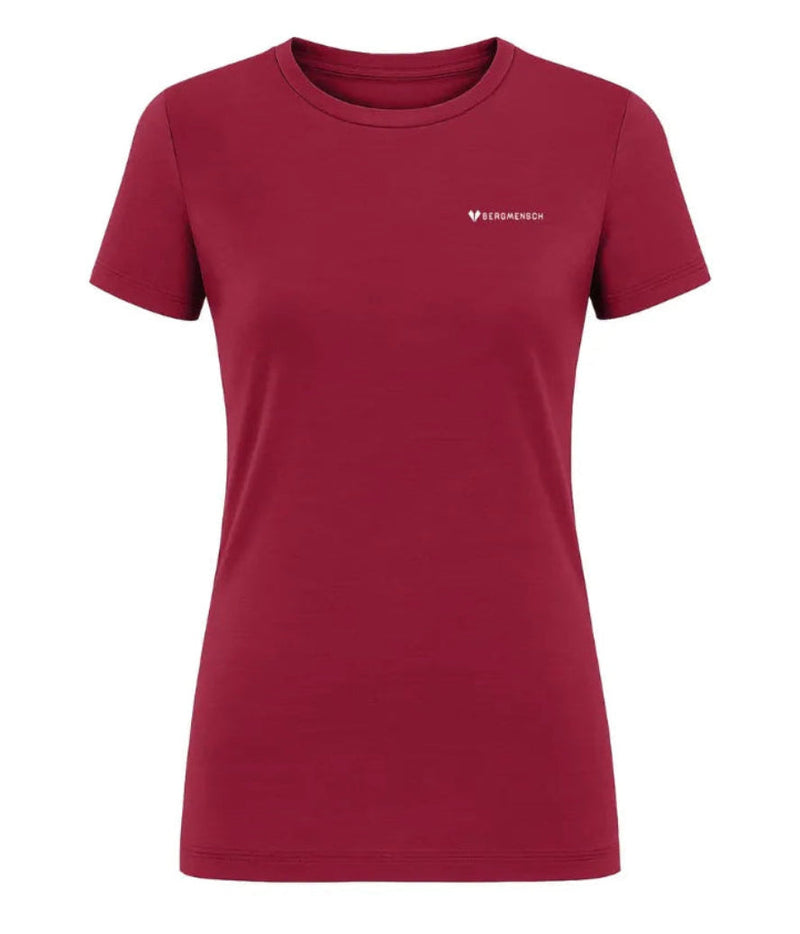
For summer, lightweight merino shirts, tank tops, and thin long-sleeved shirts with a low fabric weight of 120 to 150 g/m² are particularly suitable, as they offer maximum breathability and cooling.
The selection of merino clothing for summer is diverse. The fabric weight of the wool is particularly important. This is given in grams per square meter (g/m²) and is an important indicator of the thickness and warmth of the fabric.
For hot days, fabrics weighing under 150 g/m² are ideal. These are wafer-thin, extremely breathable, and barely noticeable on the skin.
Light Merino Shirts and Tank Tops: The First Choice
A light merino shirt is a true all-rounder for summer. Whether hiking, cycling, or in the office – it always fits. The fine fiber ensures that you feel comfortable even in scorching heat.
Merino wool tank tops are another excellent option. Look for a loose fit that further promotes air circulation.
Many manufacturers also offer blended fabrics, for example, merino wool with Tencel or Lyocell. These combinations often improve durability and drying time without compromising the positive properties of merino wool. The Tencel fiber, derived from eucalyptus wood, is also very breathable.
Merino Accessories for Additional Comfort
In addition to tops, there are also a number of merino accessories that can be useful in summer. A thin merino scarf protects your neck from the sun and can also serve as a headband if needed.
Merino socks are a revelation for your feet. Even on long hikes, your feet remain dry and comfortable. The fibers of the socks are often reinforced with nylon to increase durability.
Merino wool underwear is also worth considering. Once you try it, you won't want to go back to conventional cotton underwear. Discover the benefits of natural materials for your outdoor activities now.
Did you know?
A single merino sheep produces enough wool annually to make approximately ten light T-shirts.
How to Care for Merino Wool to Make It Last in Summer?
Merino wool is best cared for by machine washing at low temperatures (30°C) with a special wool detergent to protect the fibers and extend the life of the clothing.
Proper care is crucial for your merino clothing to retain its positive properties and accompany you for many summers. Many shy away from putting wool in the machine, but modern merino products are often machine washable.
Always use a wool detergent without enzymes and fabric softener. Enzymes can attack the protein structure of the wool and damage it. Fabric softeners clump the fibers and reduce breathability. This is a common mistake that impairs the function of the wool.
Washing and Drying Merino Clothing
Wash merino clothing at a maximum of 30 degrees Celsius on a gentle cycle or wool program of your washing machine. Turn the garments inside out to protect the surface. Too high a temperature can cause the fibers to shrink.
After washing, drying is important. Lay merino clothing flat to dry on a drying rack. Hanging to dry can cause the garment to distort or stretch, especially with finer fabrics.
Avoid direct sunlight and the tumble dryer. High heat is the biggest enemy of merino fiber. Gentle drying preserves the elasticity and shape of the clothing. Find more tips on caring for your outdoor gear here.
Tips for Storage and Stain Removal
Store merino clothing in summer in a dry place, ideally laid flat or loosely folded. Hanging storage can also lead to stretching, especially over a long period. Moths are a problem, so lavender sachets or cedar wood are good prevention.
For small stains, a targeted hand wash with a little wool detergent is often sufficient. Gently dab the stain instead of rubbing. You should definitely avoid aggressive stain removers, as they can destroy the fiber structure.
Air your merino clothing regularly outdoors. This is often enough to remove light odors and reduce the number of washes. The self-cleaning properties of wool are an advantage here.
Myth vs. Fact
Myth
Wool always scratches and is much too warm for summer.
Fact
Fine merino wool is soft, non-scratchy, and actively cools through moisture management.
Which Sustainability Aspects are Important for Merino Wool in Summer?
Sustainability aspects of merino wool include animal welfare, environmentally friendly production processes, and the longevity of products, which reduces the need for frequent repurchases.
Merino wool is a renewable natural fiber, which fundamentally makes it more sustainable than synthetic alternatives, which are often petroleum-based. However, even with natural fibers, there are important differences you should consider.
The origin of the wool plays a major role. Look for certifications such as the Responsible Wool Standard (RWS). This standard ensures that sheep are treated humanely and the environment is protected. Mulesing, a painful practice, is excluded.
Environmentally Friendly Production and Longevity
The production of merino wool is often less water-intensive compared to cotton, especially when sheep live in natural grazing areas. Cotton cultivation requires enormous amounts of water and often pesticides.
Another plus point is the longevity of merino clothing. Well-maintained merino shirts last for many years. This reduces consumption and conserves resources. While synthetic fabrics can also last a long time, their production is often more energy-intensive.
At the end of its life, merino wool is biodegradable. This is a decisive advantage for our environment, especially with regard to ocean pollution.
Ethical Aspects of Merino Wool Production
The ethical treatment of merino sheep is a central issue. The RWS standard not only guarantees animal welfare but also fair working conditions throughout the supply chain. This is an important aspect for conscious consumers.
Educate yourself about the brands you buy. Many companies value transparency and provide information about the origin of their wool. This way, you can ensure that your merino shirt is not only functional but also ethically sound.
Buying merino wool can therefore be a sustainable decision if you pay attention to the right certifications and origin. It is an investment in quality, comfort, and responsible use of resources.
Cost Overview
Merino T-Shirt (lightweight):
60 – 120 €
Merino Tank Top:
40 – 90 €
As of: 2026, information without guarantee
Frequently Asked Questions
How merino wool manages moisture and neutralizes odors
Merino wool's moisture management is impressive. When you sweat, the fiber absorbs the water vapor and wicks it outwards. This process is not only cooling but also odor-neutralizing.
Washing and Drying Merino Clothing
Wash merino clothing at a maximum of 30 degrees Celsius on a gentle cycle or wool program in your washing machine. Turn garments inside out to protect the surface. Too high a temperature can cause the fibers to shrink.
Is merino wool really cooling in summer?
Yes, merino wool actually has a cooling effect in summer, as the fibers absorb moisture in the form of water vapor from the skin and create a thermoregulating effect through evaporation, which keeps the body temperature stable.
Can merino wool prevent odors in summer?
Absolutely, merino wool is known for its excellent odor neutralization in summer, as the keratin proteins it contains bind odor-forming bacteria and inhibit their multiplication, keeping clothing fresh for longer.
Does merino wool offer UV protection?
Yes, merino wool offers natural UV protection with a high UPF (Ultraviolet Protection Factor) value, often 30+ to 50+, which effectively protects the skin from harmful sun exposure without chemical additives.
How thin is merino wool for summer?
Merino wool for summer is very thin and lightweight, typically with a fabric weight of 120 to 150 grams per square meter (g/m²). These fine fabrics ensure maximum breathability and a comfortable feel in the heat.
How often do I need to wash merino clothing in summer?
Merino clothing needs to be washed less often in summer than other materials, as it has an odor-neutralizing effect. Often, airing out the clothes after wearing them is sufficient, and washing is only necessary after several uses.
What is the biggest advantage of merino wool in summer?
The biggest advantage is excellent temperature regulation and moisture management. Merino wool cools when it's hot by wicking sweat away from the skin and creating a cooling effect through evaporation. At the same time, it remains odor-neutral, even when you sweat.
Doesn't merino wool feel too warm in summer?
No, on the contrary! For summer, there are special, very light and thinly woven merino fabrics (often 120–150 g/m²). These are extremely breathable and feel pleasantly cool and airy on the skin, as they promote air circulation and quickly wick away moisture.
Can I wear merino wool for sports in summer?
Absolutely! Merino wool is ideal for sports and outdoor activities in summer. Its moisture-wicking and odor-neutralizing properties ensure that you feel dry and fresh even during intense activity. Many sportswear manufacturers therefore rely on merino wool.
How do I care for merino wool in summer?
Merino wool is easier to care for than many people think. Most merino products can be washed at 30°C on a gentle cycle with a special wool detergent. Since merino wool is odor-neutralizing, you don't need to wash it after every wear in summer; airing it out is often sufficient.
Are there any disadvantages of merino wool in summer?
A possible disadvantage could be the price, as merino wool is often more expensive than synthetic fibers or cotton. Furthermore, it is not as durable as some synthetic fibers, especially with heavy mechanical stress. For summer, however, these points are often secondary, as comfort outweighs them.
Final thoughts on merino wool in summer
Merino wool is an excellent choice for summer, combining comfort, function, and sustainability. Its unique properties offer an unparalleled wearing experience, even on the hottest days. It's worth trying this natural fiber.
The prejudices against wool in summer are unfounded. The fine merino fiber impressively proves that it can do much more than just warm. A wonder of nature.
Invest in high-quality merino clothing. You will feel the difference and won't want to miss the benefits during your outdoor adventures or in everyday life. It's a decision for more comfort and conscious consumption. Give it a try!
The amazing properties of merino wool
Before we turn our attention to summer, let's take a look at the special properties that make merino wool so popular:
- Temperature regulation: Merino fibers can absorb and release moisture, which helps regulate body temperature – both in cold and warm conditions.
- Breathability: The fine fibers allow for excellent air circulation, preventing the skin from overheating quickly.
- Odor-neutralizing: Merino wool has natural antibacterial properties that inhibit the formation of odors. This is particularly practical when you sweat a lot.
- Moisture management: Merino wool can absorb up to 35% of its own weight in moisture without feeling wet.
- Soft and scratch-free: Unlike conventional wool, merino fibers are much finer and more flexible, making them feel pleasantly soft on the skin and non-scratchy.
Merino wool in summer – a good idea?
The short answer is: Yes, absolutely! The properties mentioned above make merino wool an excellent material for summer clothing. Here are the main reasons why you will love merino wool even in the heat:
1. Cooling effect through moisture management
When you sweat in summer, merino wool absorbs moisture and transports it away from your skin to the fabric's surface, where it can evaporate. This evaporation process has a cooling effect on your skin. You stay drier and feel fresher, even when you start to sweat.
2. Breathability for optimal comfort
The structure of merino fibers ensures excellent air circulation. This means that air can circulate well through the fabric, preventing heat build-up and promoting a comfortable body climate. You know that feeling when a fabric sticks to your skin and heat builds up underneath? With merino wool, that happens less often.
3. Odor-neutralizing – ideal for on the go
In summer, you naturally sweat more. The natural, odor-inhibiting properties of merino wool are a great advantage here. You can often wear a merino shirt for several days without it developing an unpleasant smell. This is particularly practical when traveling or during outdoor activities where you can't constantly change or wash clothes.
4. UV protection
Merino wool offers natural UV protection, which varies depending on the density and weave of the fabric. This is a welcome bonus if you spend a lot of time outdoors and want to protect your skin from the sun.
5. Light and thin
For summer, there are special, very light and thinly woven merino fabrics. These are barely noticeable on the skin and are perfect for hot days as they don't feel heavy.
What to look for in merino wool for summer
Not all merino wool is the same. For summer, you should pay attention to the following points:
- Fabric weight: Choose lightweight fabric qualities, often labeled "Ultralight" or with a grammage of 120-150 g/m². These are thinner and airier.
- Weave: A loose weave or a single jersey knit is more breathable than a dense knit.
- Cut: Look for loose cuts that promote air circulation and don't cling tightly to the body.
- Color: Light colors reflect sunlight better and heat up less than dark colors.
Conclusion: Merino wool in summer – a smart decision for well-being
In summary: Yes, merino wool in summer is not only a good, but often an excellent idea! Its unique properties, such as temperature regulation, effective moisture management, and natural odor neutralization, make it the ideal companion for hot days and strenuous activities. You stay dry longer, feel fresher, and benefit from a comfortable wearing experience that conventional materials often cannot offer.
Especially if you travel a lot, play sports, or simply want a comfortable and easy-care material for your summer wardrobe, you should give merino wool a chance. Pay attention to lightweight fabric qualities and loose cuts, and you'll be surprised how comfortable this natural material feels even at high temperatures.










Share:
E5 Alpine Crossing - Packing List
Functional Shirt for Hiking - which fiber makes sense when