



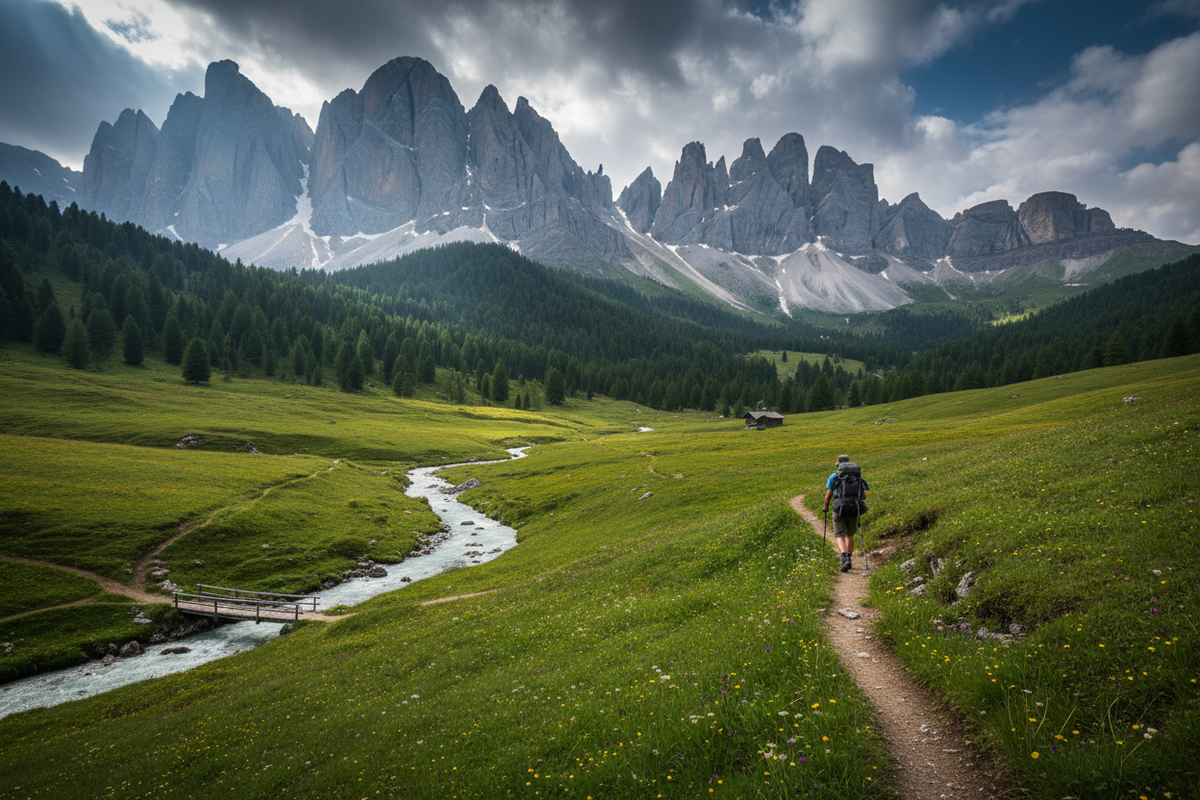


Alpenüberquerung E5
⏱ Reading time: approx. 17 min.
Crossing the Alps on the E5 trail is a true adventure that requires careful preparation. You're embarking on one of Europe's most impressive trekking tours, leading you over majestic passes and through breathtaking valleys. But this is precisely where the challenge begins: What do you pack to be prepared for all eventualities without unnecessarily burdening your backpack?
Many underestimate the weight of their equipment and the extreme weather changes that can occur at any time in the Alps. A backpack that is too heavy can quickly dampen the joy of the tour, while missing equipment can even become dangerous. It's about finding the perfect balance.
This guide will show you how to optimize your packing list. You'll learn which layers of clothing are essential and which equipment will truly benefit you on the European long-distance hiking trail E5, so you can enjoy nature unburdened.
Brief summary
- A lightweight backpack is crucial for comfort and safety.
- The layering principle for clothing protects against sudden weather changes.
- Navigation and first-aid equipment are an absolute must.
- Alpine club huts offer food and accommodation.
What equipment is absolutely indispensable on the E5?
For crossing the Alps on the E5, robust hiking boots of category B/C with a high shaft and reliable rain gear are essential. A well-fitting backpack with 40 to 50 liters of volume, which optimally distributes your luggage, is also part of the basic equipment.
Imagine standing on a ridge, the wind howling around you, and suddenly a thunderstorm rolls in. In such moments, every fiber of your equipment counts. Your hiking boots must provide secure grip even on loose scree and wet ground, while your rain jacket and pants keep you reliably dry. This is not a matter of comfort, but of safety.
A backpack with about 45 liters capacity has proven ideal. It offers enough space for clothing, provisions, and emergency equipment without overloading you. Pay attention to a good carrying system that distributes the load evenly over hips and shoulders. A backpack with an integrated rain cover also protects the contents from moisture.
Robust hiking boots: Foundation for the E5
Choosing the right hiking boots is perhaps the most important decision. Models of category B/C are designed for alpine tours and offer the necessary stability and sure-footedness.
A Vibram sole provides excellent grip on rock and scree, while a waterproof membrane, for example from Gore-Tex, keeps your feet dry in rain and when crossing streams. Be sure to try on the shoes with hiking socks and walk a few kilometers to identify pressure points early on.
The mistake is often made of choosing shoes that are too light. But on the E5, which leads you over scree fields and steep passages, a firm sole and good ankle protection are essential. A good shoe minimizes the risk of blisters and injuries.
Rain gear: Protection against alpine weather caprices
The weather in the Alps can change within minutes. A waterproof and breathable rain jacket as well as matching rain pants are therefore indispensable.
Look for a water column of at least 10,000 mm and sealed seams. A good hood that you can pull over your helmet is also practical. Breathability is important so that you don't get wet from the inside, even during exertion.
A common misconception is that a simple windbreaker is sufficient. But in an alpine rainstorm that can last for hours, full-fledged rain gear is crucial for your well-being and health.
How to optimally protect yourself from changing weather?
The layering principle is the key to protection from changing weather on the E5. It allows you to flexibly adapt your clothing to temperature and activity by wearing several thin layers on top of each other.
Imagine starting in the cool dawn, hiking through shady forests, climbing sunny passes, and suddenly experiencing a drop in temperature in the afternoon. With the layering principle, you can react quickly. You simply take a layer off or put one on, without getting too warm or too cold. The principle is based on three main layers: baselayer, midlayer, and hardshell.
This method is not only effective but also weight-saving. Instead of one thick, unwieldy jacket, you pack several light items of clothing that together offer high insulation. This way, you are perfectly equipped for any alpine situation.
Baselayer: The first layer against the skin
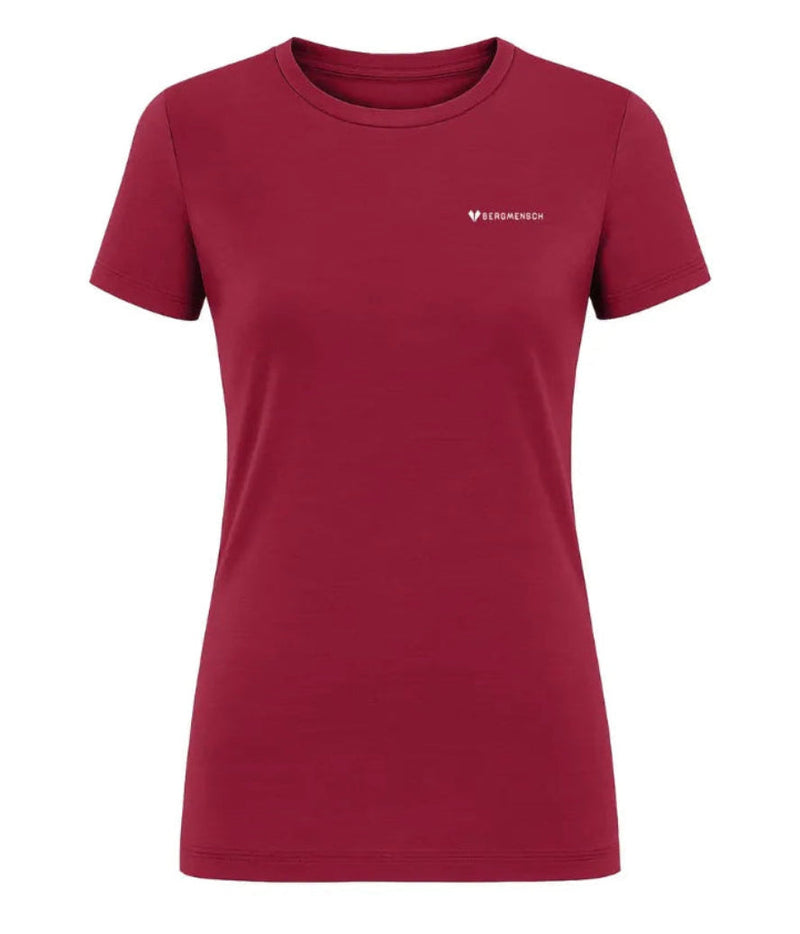
The baselayer, the layer directly against your skin, is crucial for moisture transport. It wicks sweat away from the body, keeping you dry. Materials like merino wool or functional fibers are the best choice here.
Merino wool is particularly popular because it warms even when damp and is odor-neutralizing. Synthetic functional fibers dry faster and are often more robust. Avoid cotton, as it absorbs sweat and cools the skin.
A good baselayer prevents you from getting cold during breaks or after strenuous ascents. This is an important aspect to prevent colds and muscle tension, especially in the exposed areas of the Alps.
Midlayer: Warmth and insulation for cold days
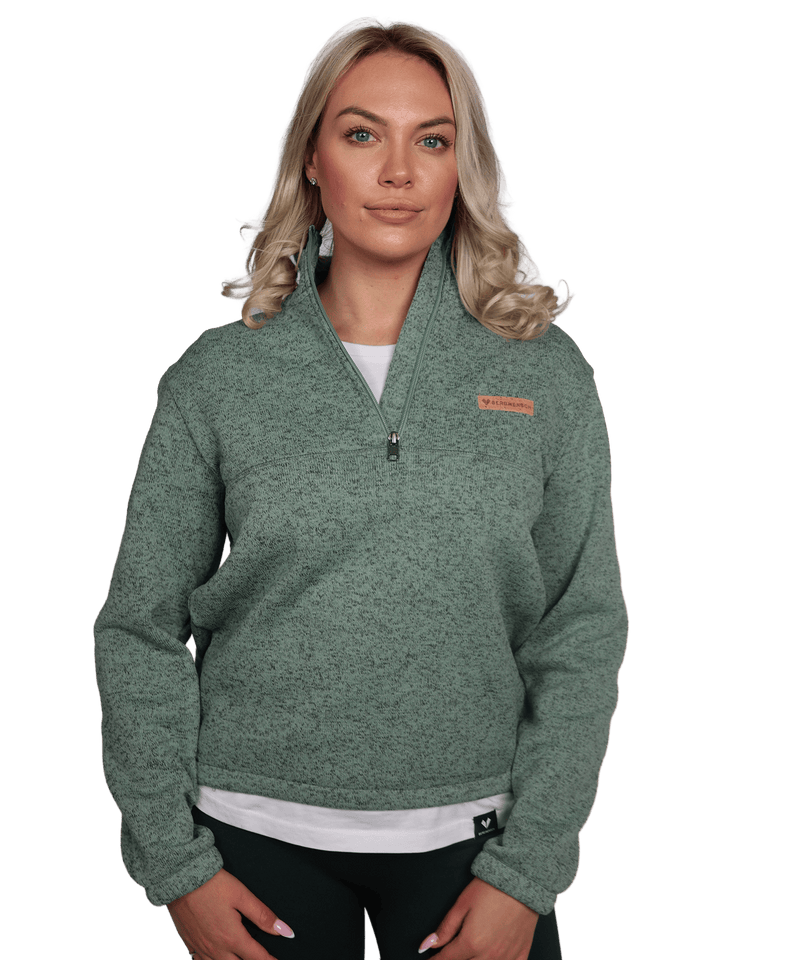
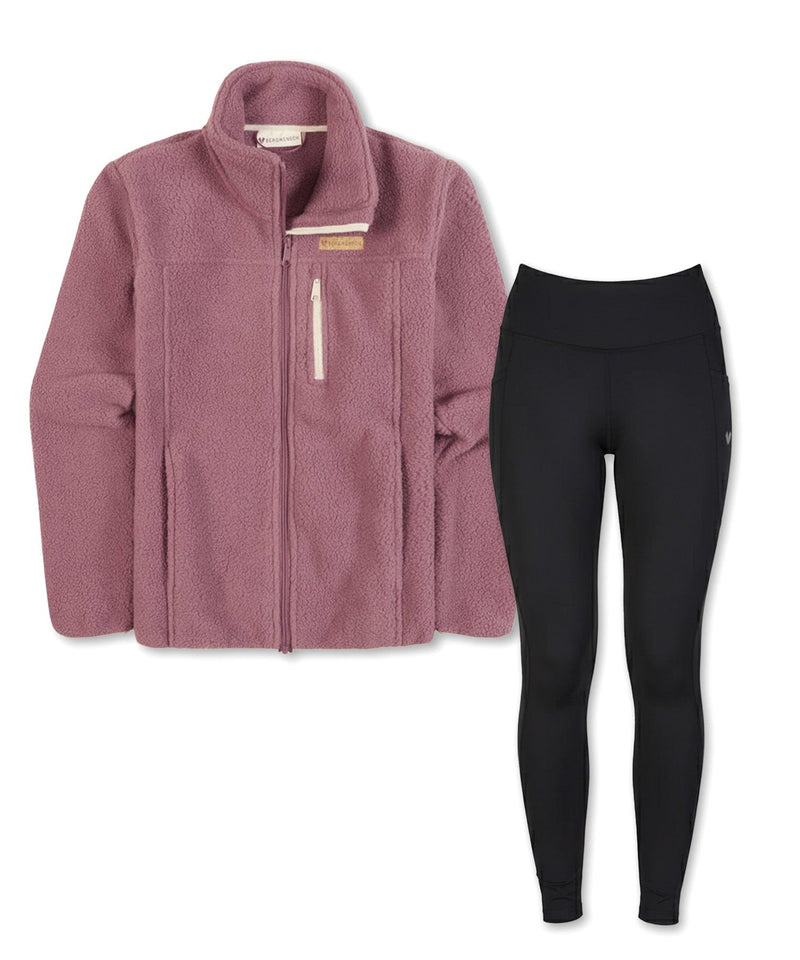
The midlayer serves as an insulating layer and keeps you warm. This is where fleece jackets or light down jackets come in. The task is to trap air and thus create a barrier against the cold.
A Polartec fleece jacket offers an excellent warmth-to-weight ratio and is breathable. In very cold conditions or at higher altitudes, a light down jacket with high fill power (at least 700 cuin) can be useful.
The choice of midlayer depends heavily on the season and individual sensitivity to cold. In summer, a thin fleece is often sufficient, while in spring or autumn, a warmer insulating layer is essential to make the alpine nights in the huts comfortable.
Practical tip
Always pack a pair of light hut shoes or Crocs.
Hardshell: The outer protective shield
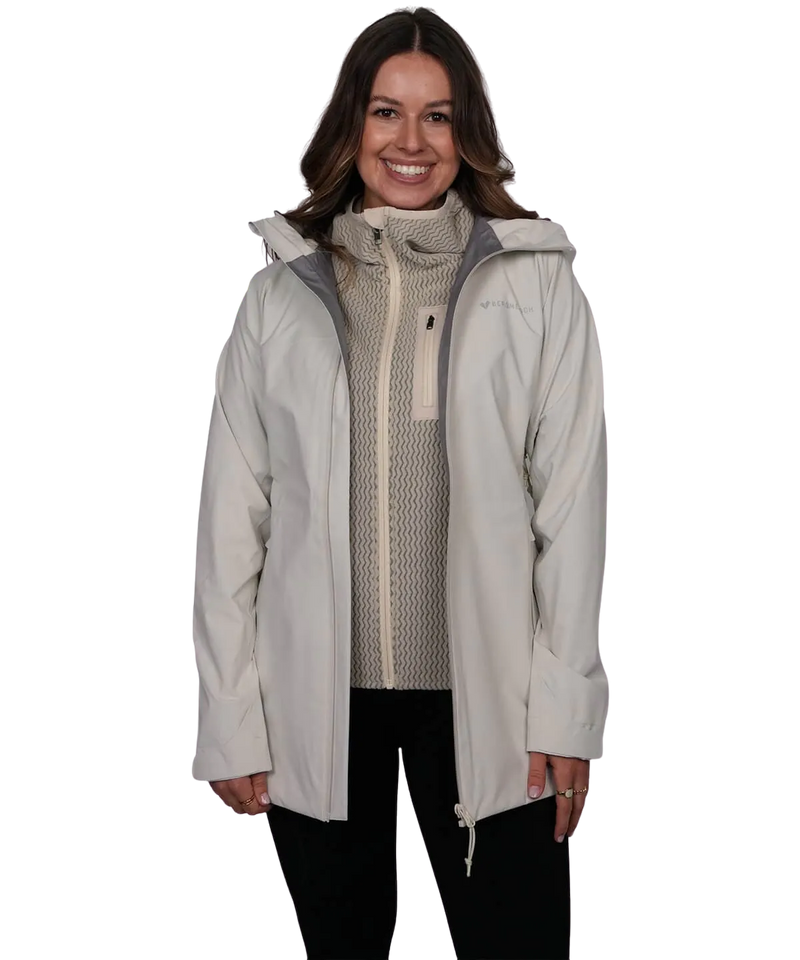
The hardshell is your outermost protective layer and repels wind, rain, and snow. It must be robust, waterproof, and breathable. A good hardshell jacket is a hiker's best friend in bad weather.
Materials such as Gore-Tex Pro or eVent offer the highest functionality. Look for an adjustable hood that fits over a climbing helmet, as well as ventilation zippers under the arms. These increase comfort during strenuous sections.
A common mistake is to choose a hardshell jacket that is not robust enough. On the E5, you are often in contact with rocks and bushes, which can quickly damage thin materials. A durable hardshell withstands the stresses and reliably protects you.
In short: The layering principle with baselayer, midlayer, and hardshell offers optimal protection against alpine weather conditions and keeps you dry and warm.
Which navigation aids and safety equipment are necessary?
For a safe crossing of the Alps on the E5, a reliable GPS device or a smartphone app with offline maps, as well as a detailed hiking map and a compass, are essential. A headlamp and a first-aid kit are also part of the standard equipment.
Imagine being surprised by dense fog or twilight setting in earlier than expected. Without suitable navigation aids and safety equipment, such a situation can quickly become dangerous. Good preparation minimizes risks and gives you a sense of security on the often poorly marked trails.
The combination of digital and analog navigation is the best strategy. Technology can fail, batteries can run out. A physical map and a compass are always ready for use and provide important redundancy. After all, your safety in the mountains is at stake.
GPS device and smartphone apps: Digital helpers
A modern GPS device or a reliable hiking app on your smartphone is very useful on the E5.
Apps like Komoot or Outdooractive offer detailed offline maps that you can download beforehand. This saves battery and also works without mobile reception. A power bank is an absolute must to be able to charge devices on the go.
A GPS device, such as a Garmin model, is often more robust and waterproof than a smartphone. It has a longer battery life and is specifically designed for outdoor use. The precision of positioning is crucial on the E5, especially in poor visibility.
Hiking map and compass: Analog safety
Despite all digital aids, you should never do without a physical hiking map on a scale of 1:25,000 or 1:50,000 and a compass.
Before the tour, learn how to use a map and compass correctly. Orienting yourself in the terrain with these tools is a fundamental alpine skill. The maps of the alpine clubs are often particularly detailed and contain important information about paths and danger spots.
A common misconception is that you cannot get lost on the E5 because it is well marked. But trail markings can fade, be covered by snow, or be difficult to find in confusing terrain. A map then provides the necessary overview.
First-aid kit and headlamp: Prepared for emergencies
A well-equipped first-aid kit is mandatory on every mountain tour. It should contain bandages, disinfectant, painkillers, blister plasters, and personal medications. A small emergency bivy sack can save lives during unexpected overnight stays.
A headlamp with spare batteries is essential if you unexpectedly get caught in dusk or darkness. It is also useful in the huts to avoid disturbing others.
What is often overlooked: a small repair kit with needle, thread, duct tape, and cable ties can work wonders if a strap tears or a sole detaches. Such small things can make the difference between an aborted tour and a successful continuation.
As of: 2026, information without guarantee
What provisions and hygiene articles are important in huts?
For provisions on the E5, you should plan for sufficient water and energy bars for the daily stages, as hut provisions are often only available in the evening. For hygiene articles, minimalism counts, but a hut sleeping bag is mandatory.
Although the Alpine Club huts usually offer good provisions, you have to provide for yourself between the huts. Sufficient hydration is crucial during physical exertion in the mountains to maintain performance and concentration. Hygiene in the huts also requires a special approach.
A hut sleeping bag is not just a recommendation, but even mandatory in most huts. It ensures hygiene in the dormitory and protects you from foreign germs. These small details make a big difference for your well-being on the tour.
Water and snacks: Energy on the go
Plan for at least two liters of water per day, preferably three liters in high temperatures or long stages. A lightweight hydration bladder or water bottles are ideal for this. There are always springs along the E5, but don't rely solely on them.
Energy bars, nuts, dried fruits, or wholemeal biscuits are suitable as snacks. Avoid heavy or fatty foods that could upset your stomach.
A good rule of thumb is: pack a little more for each stage than you think you'll need. An unexpected detour or a longer break can quickly increase energy requirements. A small supply of emergency snacks is always a good idea.
Hut sleeping bag and minimalist hygiene
A lightweight hut sleeping bag made of silk or cotton is obligatory in the Alpine Club huts. It weighs next to nothing and ensures a hygienic sleeping environment. Silk is particularly light and packable.
For hygiene articles, less is more. A small tube of toothpaste, a travel toothbrush, biodegradable soap, and a small towel are completely sufficient. A small toiletry bag that can be hung up is practical.
What is often forgotten: earplugs are worth their weight in gold in a dormitory. A small luxury that significantly affects your recovery.
Fact
A backpack that is too heavy (over 10-12 kg) strains joints and muscles, which significantly complicates the tour and increases the risk of injury. Lighter is better.
What documents and personal items belong in the backpack?
For crossing the Alps on the E5, identification documents, cash, and the Alpine Club membership card are indispensable. A mobile phone for emergency calls and a small travel first-aid kit for personal needs are also part of it.
Imagine standing at the border or needing medical help in a mountain hut. Without the right documents or means of communication, this can lead to major problems. These items are not only important for emergencies but also for the smooth running of your trip. A well-organized document folder saves you a lot of stress.
The Alpine Club card not only offers discounted overnight stays in the huts but also includes alpine emergency insurance. This is an invaluable advantage that can save you a lot of trouble in case of an emergency. Always remember that the mountains are unpredictable and prevention is better than cure.
Important documents: Always at hand
Your identity card or passport is essential for cross-border hiking. You should also have your health insurance card with you. It is best to keep all important documents in a waterproof cover.
The membership card of the German Alpine Club (DAV) or a comparable Alpine Club is mandatory in many huts and secures you the cheaper overnight rates.
A small amount of cash is also advisable, as not all huts accept card payments. In case of loss, it can be useful to keep copies of the most important documents separately or to save them digitally in a cloud.
Mobile phone and power bank: Communication in an emergency
A fully charged mobile phone is your most important means of communication in an emergency. Save the numbers of mountain rescue and your emergency contacts. However, note that reception in the mountains is often limited.
A powerful power bank is essential to be able to charge your phone and other electronic devices like GPS devices on the go. A capacity of at least 10,000 mAh is recommended to allow for multiple charging cycles.
What hardly anyone knows: The mobile phone should remain in flight mode when reception is poor to save battery. Only switch it on briefly when needed to search for reception. This way, the battery lasts longer when you really need it. This is a small trick that can help you in an emergency.
Important to know
The E5 Alpine Crossing passes through various countries. Inform yourself in advance about the respective entry requirements and emergency numbers.
What equipment can you leave at home?
On the E5, you can safely leave heavy books, unnecessary electronics, and too many clothes at home. Large quantities of provisions are also superfluous, as the huts provide ample supplies.
Many hikers tend to overpack, fearing they might forget something. However, every unnecessary item means additional weight that you have to carry over hundreds of kilometers and thousands of meters in altitude. A light backpack is your best friend on this tour.
It's about setting priorities and focusing on the essentials. Experience shows that you can get by with significantly less than you initially think. A minimalist packing list increases enjoyment and significantly reduces physical strain.
Superfluous clothing and heavy items
Avoid taking too many changes of clothes. For a week, two to three sets of functional underwear, two hiking pants, and one to two mid-layers are usually sufficient. You can wash and dry clothes at the huts.
Heavy jeans or cotton t-shirts have no place on an alpine trekking tour. Instead, opt for light functional materials.
Large DSLR cameras or heavy books are also ballast. A smartphone often takes sufficiently good photos today, and an e-reader weighs significantly less than a printed book. Every gram counts on a long mountain tour.
Avoiding unnecessary provisions
The Alpine Club huts along the E5 generally offer breakfast and dinner. Packed lunches for the next day can often be ordered as well. This means you don't have to carry provisions for the entire tour.
Focus on light snacks and sufficient water for the daily stages. This saves considerable weight. A 500-gram bag of pasta may be tempting, but it's unnecessary ballast when you're supplied at the huts.
A typical example: Many hikers pack canned goods or glass bottles. This is an absolute no-go. Opt for dried food or freeze-dried meals if you absolutely want to cook yourself, which is usually not allowed in the huts.
Did you know?
The European long-distance hiking trail E5 stretches over approximately 3200 kilometers from Brittany to Verona, with the Alpine crossing being only a part of this impressive route.
Frequently Asked Questions
Final Thoughts on Optimal Equipment
The perfect packing list for the Alpine crossing on the E5 is a balance of necessity and minimalism. Every item should serve a clear purpose and not unnecessarily burden your weight. Less is often more here, because a light backpack means more joy in hiking.
The right equipment protects you from the unpredictable alpine weather and ensures your safety. From robust hiking boots to waterproof hardshells – every piece helps you concentrate on the beauty of the mountains instead of dealing with problems. Good preparation is half the battle.
Always remember that the mountains demand respect. Be well prepared, but not overloaded. This way, your Alpine crossing on the E5 will become an unforgettable experience that strengthens you physically and mentally. Pack wisely, hike freely!
Perfect Packing List for the E5: Well-Prepared for Summit Bliss
As you can see, creating the packing list for your Alpine crossing on the E5 is an art in itself. It's not just about packing everything necessary, but also about leaving superfluous items at home. Every gram counts when you're on the go for days and conquer meter after meter of altitude. Well-thought-out equipment is the key to an unforgettable and safe experience.
Remember that the recommendations presented here form a solid basis. Be sure to adapt them to your personal needs, the weather forecast, and the specific requirements of your chosen route. Test your equipment beforehand to avoid surprises, and rely on high-quality products that won't let you down on your journey.
With the right preparation and an optimized packing list, nothing stands in the way of your E5 adventure. Enjoy the breathtaking nature, the challenge, and the unique feeling of crossing the Alps under your own power!











Share:
Camino de Santiago Packing List: Companions for the Pilgrimage
Merino wool in summer - a good idea in the heat?