




Functional Shirts for Hiking
A sudden shower, a strenuous ascent, or cool morning air at the summit – hikes pose real challenges to your clothing. The wrong shirt can quickly spoil the fun because you're freezing or overheating.
Many hikers underestimate how crucial the right fiber choice is for comfort and safety on the go. A cotton shirt, for example, soaks up moisture and dries slowly, which can lead to chilling.
This article shows you which fibers really work and how to find the right functional shirt for your individual tours. You'll learn the specific advantages of synthetic fibers and natural materials and can then make informed decisions!
Summary
- Synthetic fibers (polyester, polyamide) excel in fast moisture wicking and low weight.
- Merino wool offers excellent temperature regulation and odor inhibition, even when wet.
- The choice of fiber strongly depends on weather conditions and intensity of the hike.
- An optimal fit and flat seams prevent chafing and increase wearing comfort.
Why is material selection so important for hiking?
The material selection for a functional hiking shirt is crucial for your well-being and safety, as it lies directly on the skin and must effectively wick sweat away from the body to prevent chilling and maintain a comfortable body climate.
Read also: What makes merino wool so special?
Imagine you're in the mountains for hours, the sun is beating down, then a thunderstorm rolls in. In this situation, your shirt has to do more than just look good. It actively helps regulate your body temperature.
A good functional shirt wicks moisture away from the skin. It directs sweat to the surface where it can evaporate. This process keeps you dry and prevents your body from expending unnecessary energy on thermoregulation.
This effect is invaluable, especially in changeable weather or at higher altitudes. A soaked cotton shirt can quickly lead to hypothermia in the wind, while a functional shirt made of synthetic fiber keeps you warm.
In addition, odor development plays a role. Some materials tend to smell unpleasant faster than others. This not only affects your own perception but also that of your hiking companions.
What types of fibers are there for functional shirts?
For functional hiking shirts, mainly synthetic fibers such as polyester and polyamide or natural fibers such as merino wool are used. Each material has specific properties that make it suitable for different areas of application.
Polyester is a very popular choice. This synthetic fiber absorbs hardly any moisture, which leads to extremely fast drying times. This is a great advantage for sweaty activities or if you need to wash clothes on the go.
Another advantage of polyester is its durability. It is resistant to abrasion and UV radiation, which makes it ideal for rough use in the field. However, polyester can absorb odors faster than merino wool.
Polyamide, often known as nylon, shares many properties with polyester. It is also very robust, elastic, and dries quickly. Polyamide fibers are often even softer and smoother on the skin, which increases wearing comfort.
A real game changer is merino wool. This natural fiber comes from merino sheep and offers an impressive range of functions. Merino wool can absorb up to 35 percent of its own weight in moisture without feeling wet.
The fine fibers are also odor-neutralizing because they inhibit bacterial growth. This means you can often wear a merino shirt for several days without it smelling unpleasant.
There are also blended fabrics that combine the advantages of both worlds. For example, a blend of merino wool and synthetic fiber. Such shirts are then often more robust than pure merino shirts and dry faster than pure wool.
When is synthetic fiber the better choice?
Synthetic fibers like polyester or polyamide are the better choice if you need a lightweight, extremely fast-drying, and durable functional shirt for intense hikes or humid conditions, as they efficiently wick moisture away from the skin.
Are you planning a demanding day tour with many vertical meters? Or a multi-day tour where every gram counts and you want to dry your clothes quickly in the evening? Then synthetic fibers are your first choice!
The main advantage lies in moisture wicking. Polyester fibers are hydrophobic, meaning they absorb hardly any water. Instead, they wick sweat to the outside surface, where it evaporates quickly.
The result: You stay dry and your body doesn't cool down. This effect is invaluable, especially for sweaty activities like trail running or fast ascents. A polyester shirt often dries completely within 30 to 60 minutes.
Robustness also speaks for synthetic fibers. This makes them more durable, especially if you use your shirt frequently and intensely.
Another aspect is the price. Functional shirts made of synthetic fibers are generally cheaper than models made of merino wool. This is an important point if you need several shirts for different tours or have a limited budget.
Modern synthetic fibers are also often equipped with antimicrobial treatments. These technologies, such as silver ion coatings, are designed to reduce odor formation, which can otherwise occur more quickly with pure synthetic fibers.
Practical Tip
For intense tours with high sweat production, choose a functional shirt made of polyester with a honeycomb structure. This structure increases the surface area, which further accelerates moisture wicking and evaporation!
When does merino wool impress for hiking?
Merino wool impresses for hiking due to its excellent temperature regulation, natural odor inhibition, and ability to keep warm even when wet, making it ideal for long tours, changeable weather, and sensitive skin.
Imagine you're on a multi-day hut tour. You sweat on the ascent, but a cool wind blows at the summit. Your merino shirt adapts perfectly to these conditions. It cools when hot and warms when cold.
The natural odor inhibition is an unbeatable advantage. Merino fibers have a scaly surface and contain lanolin, which inhibits bacterial growth. This means you can wear your shirt for days without it starting to smell.
This not only saves space in your backpack because you need fewer changes of clothes but also increases comfort on long trips. A merino shirt is often fresh enough for the next day after airing it out.
Another plus point is the wearing comfort. Merino wool is extremely soft and doesn't scratch the skin, even with very fine fibers of 18 microns or less. This is particularly important for people with sensitive skin or wool sensitivity.
Merino wool is also a renewable resource, which represents an ecological advantage. The fibers are biodegradable and come from sheep that are shorn every year.
However, merino wool is less robust than synthetic fibers. The drying time is also longer than with polyester, often up to 2-3 hours.
What role does the fit of the functional shirt play?
The fit of a functional shirt plays a crucial role in its functionality and your wearing comfort, as an optimally fitting shirt maximizes moisture wicking and minimizes friction points, preventing blisters and skin irritations.
A functional shirt should fit close to the skin but never restrict. Only then can it directly absorb sweat from the skin and transport it outwards. If the shirt is too loose, an air pocket forms, which hinders moisture transport.
If it is too tight, however, it can restrict freedom of movement and cause uncomfortable pressure points. Such spots are particularly problematic under the armpits or on the shoulders where the backpack rests.
Pay attention to flat seams. These are standard on high-quality functional shirts and prevent chafing on the skin, even when wearing a backpack for hours. Normal seams can quickly lead to painful irritations.
The cut should also support natural movement when hiking. Sleeves that don't ride up and a hem that doesn't expose your back when you raise your arms are important details for comfort.
A well-fitting functional shirt feels like a second skin. You should hardly feel it. This is especially important on long tours, where every small irritation can become a big problem over time.
What are the special features of hybrid shirts?
Hybrid shirts combine different fibers or fabric structures in one garment to optimally utilize the advantages of the individual materials.
A typical example is a shirt with a merino wool torso and robust synthetic fiber shoulder sections. The merino wool provides odor inhibition and climate comfort, while the synthetic fiber on the shoulders better withstands the abrasion of the backpack.
Another design might have zones with particularly breathable mesh structure under the armpits or on the back. These areas promote ventilation exactly where you sweat most, while other zones provide more warmth.
Such shirts are a clever solution for hikers who don't want to choose between the extreme properties of pure synthetic fiber and pure merino wool.
The development of hybrid shirts shows how manufacturers are continuously trying to improve the performance of outdoor clothing.
However, hybrid shirts are often more expensive than single-fiber models, as manufacturing is more complex. Care can also be more demanding if different materials require different washing temperatures.
Did you know?
The fiber thickness of merino wool is measured in microns; finest fibers under 18 microns feel particularly soft on the skin and are ideal for sensitive individuals.
How to properly care for functional shirts?
Proper care of functional shirts is crucial for the longevity and functionality of the materials. Incorrect washing can permanently impair the special properties of the fibers, such as moisture wicking or odor inhibition.
A common mistake is the use of fabric softener. Fabric softener forms a film around the fibers and clogs the pores of the fabric. This significantly impairs moisture wicking.
Wash functional shirts made of synthetic fibers at 30 to 40 degrees Celsius on a gentle cycle. Use a mild liquid detergent, ideally one specifically for sports or functional clothing. Powder detergents can leave residues.
Merino shirts require even gentler treatment. Wash them on a wool cycle at a cold temperature (maximum 30 degrees) with a special wool detergent. Never use fabric softener!
It's best to air dry functional shirts. Direct sunlight or a tumble dryer can damage the fibers and impair elasticity. Synthetic fibers dry extremely quickly anyway.
Another important point: Always wash functional shirts separately from cotton clothing. Cotton fibers can stick to the functional fibers and reduce their performance.
Important to know
Most functional shirts should not be ironed, as the heat can melt the synthetic fibers or damage the structure of the merino wool. Always observe the care label!
What details make a functional shirt perfect?
In addition to fiber choice and fit, many small details contribute to making a functional shirt the perfect companion on your hikes. These subtleties significantly increase comfort and functionality.
Think about sleeve length. A short-sleeved shirt is ideal for hot days, while a long-sleeved shirt provides additional sun protection or warmth on cooler mornings. Some long-sleeved shirts have thumb loops that prevent the sleeves from riding up.
A zipper at the collar, often called a "zip-neck," is a real comfort feature. You can open it on strenuous climbs for extra ventilation and close it in cooler temperatures to protect your neck.
The UV protection function should not be underestimated either. Many functional shirts offer integrated UV protection that protects you from sunburn. Pay attention to the UPF (Ultraviolet Protection Factor) value – a value of 30+ or 50+ is recommended.
Some shirts have an antibacterial finish, especially with synthetic fibers. These treatments, often based on silver ions, inhibit the growth of odor-causing bacteria and keep the shirt fresh longer.
Reflective elements can increase safety, especially if you are out at dusk or at night.
Finally, design also plays a role. Even if function is paramount, you want to feel comfortable in your shirt. Modern functional shirts come in many colors and cuts that are also visually appealing.
Can functional shirts also be worn in everyday life?
Yes, functional shirts can be excellently integrated into everyday life, as their breathable and moisture-regulating properties ensure high wearing comfort not only during sports but also during everyday activities, especially on warm days or with light physical exertion.
Many people appreciate the comfort of functional shirts even off the hiking trail.
Merino shirts, in particular, are very popular for daily use due to their odor inhibition and soft feel.
Even in the office or during leisure activities where you tend to sweat easily, a functional shirt can be a good choice. It prevents unpleasant sweat stains and keeps you fresh all day long.
The days when functional clothing exclusively looked "sporty" are over. Manufacturers are offering more and more models that are visually almost indistinguishable from conventional casual wear.
You can wear a functional shirt under a regular shirt, as a light top in summer, or as a base layer in winter. The versatility of these shirts is impressive and makes them a worthwhile investment.
What is the biggest misconception about functional shirts?
The biggest misconception about functional shirts is the assumption that all materials perform equally well, or that a functional shirt alone is sufficient to be optimally dressed in all weather conditions. Many underestimate the importance of the layering principle.
It is often said that a functional shirt is an all-purpose weapon. However, reality shows that the choice of material depends heavily on external conditions and the intensity of the activity. A polyester shirt is insufficient in extreme cold without additional layers.
Another common myth is that synthetic functional shirts always scratch or feel uncomfortable. However, modern synthetic fibers are very soft and supple, often even more comfortable than cotton.
Many also believe that merino wool functional shirts are too warm for summer. That's not true! Merino wool has excellent temperature-regulating properties and actively cools in hot weather.
Another misconception concerns care. Some think functional shirts can be washed like normal clothes. But fabric softeners or excessively high temperatures destroy the fibers and their function.
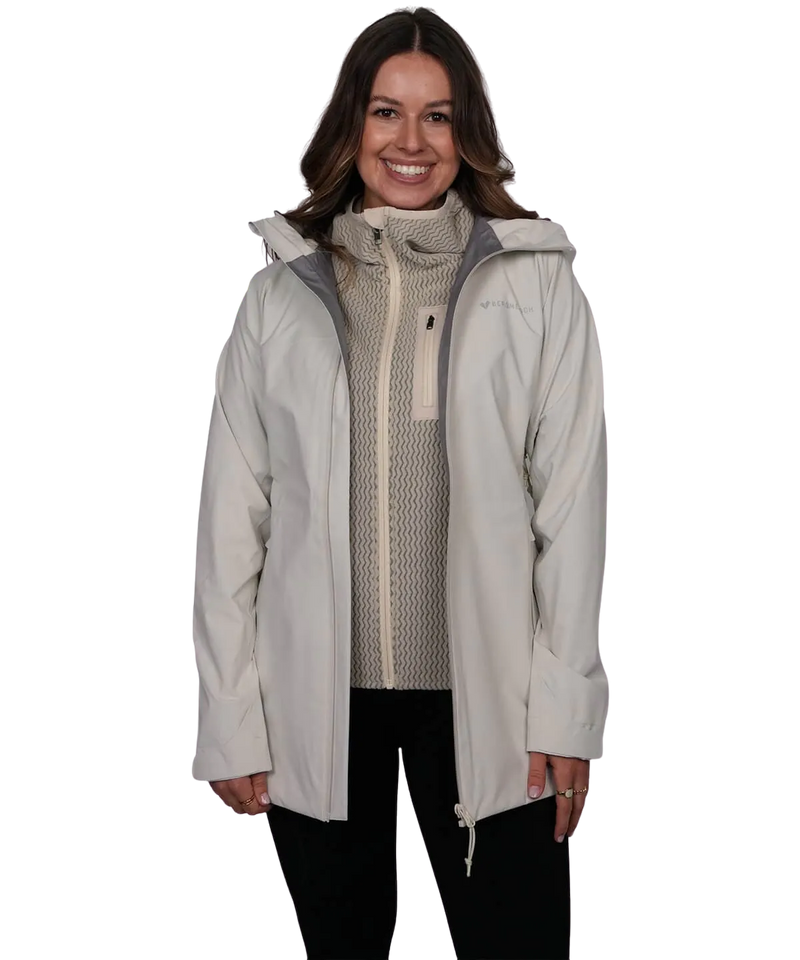
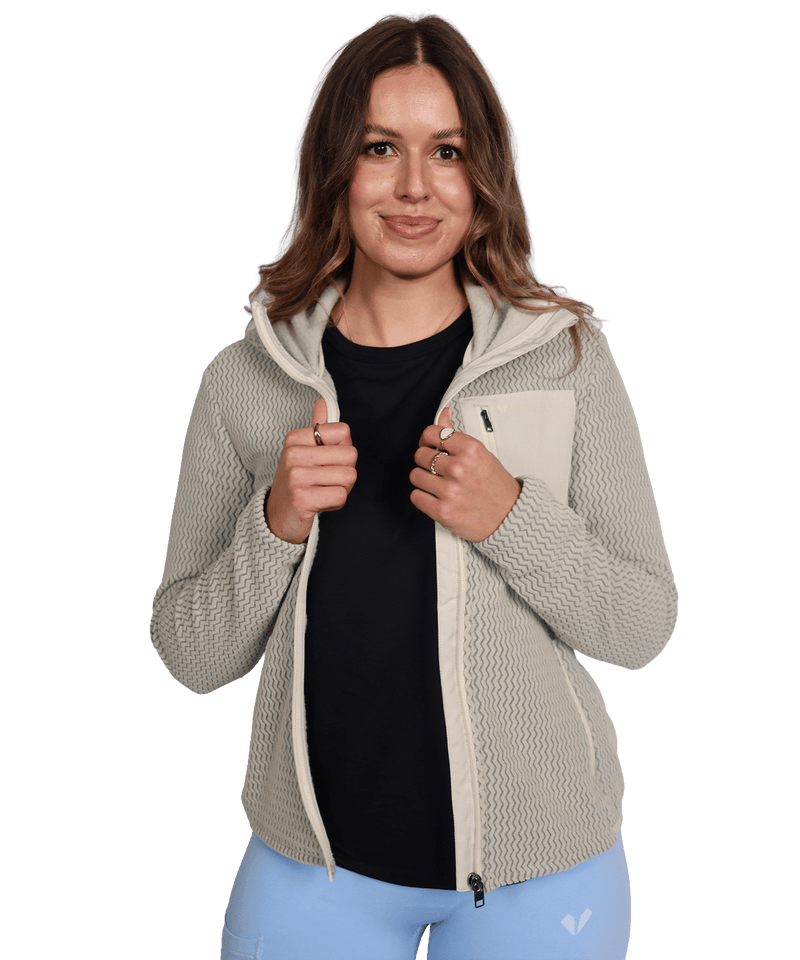
The layering principle is the key to success. A functional shirt is always just the first layer against the skin. Above it belong an insulating mid-layer and a protective outer layer. Only then are you prepared for all eventualities.
Myth vs. Fact
Myth
Cotton is comfortable and sufficient for light hikes.
Fact
Cotton absorbs a lot of moisture, dries slowly, and cools the body significantly when wet, posing a health risk.
Frequently Asked Questions
What types of fibers are there for functional shirts?
For hiking functional shirts, synthetic fibers like polyester and polyamide or natural fibers like merino wool are mainly used. Each material has specific properties that make it suitable for different applications.
When are synthetic fibers the better choice?
Synthetic fibers like polyester or polyamide are the better choice if you need a light, extremely fast-drying, and durable functional shirt for intense hikes or damp conditions, as they efficiently wick moisture away from the skin.
When does merino wool impress for hiking?
Merino wool excels for hiking due to its excellent temperature regulation, natural odor resistance, and its ability to keep you warm even when wet, making it ideal for long treks, changeable weather, and sensitive skin.
What are the special features of hybrid shirts?
Hybrid shirts combine different fibers or fabric structures in one garment to optimally utilize the advantages of each material.
How do you care for functional shirts properly?
Proper care of functional shirts is crucial for the longevity and functionality of the materials. Incorrect washing can permanently impair the special properties of the fibers, such as moisture transport or odor resistance.
Can functional shirts also be worn daily?
Yes, functional shirts can be excellently integrated into everyday life, as their breathable and moisture-regulating properties provide high wearing comfort not only during sports but also during everyday activities, especially on warm days or during light physical exertion.
What is the biggest misconception about functional shirts?
The biggest misconception about functional shirts is the assumption that all materials perform equally well, or that a functional shirt alone is sufficient to be optimally dressed in all weather conditions. Many underestimate the importance of the layering principle.
Which material is better: merino wool or synthetic fiber?
Merino wool and synthetic fiber are both excellent for functional shirts, but the better choice depends on the specific requirements. Merino wool excels with natural odor resistance and thermal performance even when wet, while synthetic fibers like polyester or polyamide dry faster and are more robust, ideal for intensive activities.
Why shouldn't I wear cotton when hiking?
Cotton is unsuitable for hiking because it absorbs sweat heavily and dries very slowly. A soaked cotton shirt cools the body extremely quickly during breaks or in the wind, which can lead to hypothermia and significantly reduces wearing comfort.
How often do I need to wash a merino shirt?
A merino shirt needs to be washed significantly less often than a synthetic shirt or cotton, often only after several days or even weeks of wear. The natural, odor-resistant properties of merino wool allow the shirt to simply be aired out to refresh it.
Can I tumble dry functional shirts?
No, functional shirts should generally not be tumble dried. The high temperatures in the dryer can damage or melt synthetic fibers and impair the fine structures of merino wool, which reduces the functionality and longevity of the shirt.
What does UPF value mean for functional clothing?
The UPF (Ultraviolet Protection Factor) value for functional clothing indicates how well a fabric protects against ultraviolet radiation. A UPF of 30, for example, means that only 1/30 of UV rays penetrate the fabric, providing very good protection against sunburn.
Conclusion on the optimal fiber choice for hiking
The decision for the right functional shirt for hiking heavily depends on your individual needs, the planned tour, and the weather conditions. There is no universal solution, but knowing the fiber properties will help you immensely.
For intensive, sweat-inducing tours or in very humid climates, synthetic fibers like polyester or polyamide are often the best choice. Their quick-drying time and robustness are unbeatable here.
For longer tours, changeable weather, or if you value natural odor resistance and a pleasant feel on the skin, merino wool is the first choice.
Always remember the layering principle and combine your functional shirt with suitable mid-layers and outer layers. This way, you are prepared for all eventualities and can enjoy your hikes to the fullest!






Share:
Merino wool in summer - a good idea in the heat?
Insulated Jacket - Duties in a Shift System