




We all know the problem: after a strenuous hike or an intense workout, sportswear starts to smell. It becomes particularly annoying when you're on the go for several days and have no washing facilities.
But does it really have to be this way? In this article, we'll take a closer look at two popular materials: merino wool and synthetics. We'll clarify why one fiber smells faster than the other and what you can do about it. Because let's be honest, who wants to smell like an old sock after a day on the trail? Merino vs. Synthetics – the truth about odor-free sportswear.
Further information and the current selection from Bergmensch here:
Merino vs. Synthetics: The Basics
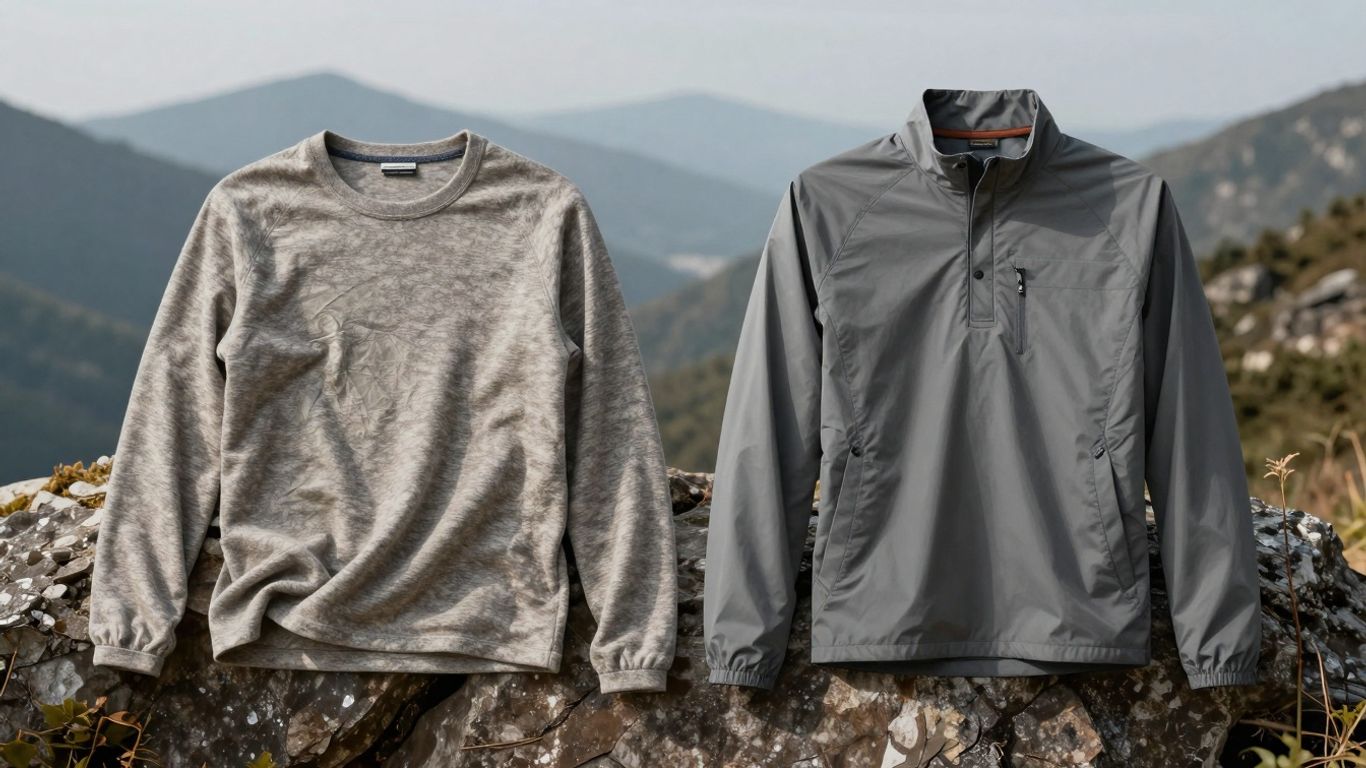
What makes sportswear prone to odor?
Sweat odor on sportswear is a topic familiar to many hikers and outdoor enthusiasts. But why is that? It's not the sweat itself that smells. Sweat is initially odorless.
The problem arises when bacteria on the skin come into contact with sweat. These bacteria break down the components of sweat, and this process creates the unpleasant odors we know. The type of clothing plays a major role, as it creates the conditions under which bacteria can multiply.
The Science Behind Sweat Odor
The human body produces two main types of sweat: eccrine and apocrine sweat.
Eccrine sweat, found almost everywhere on the skin, consists mainly of water and salts.
Apocrine sweat, produced in areas like the armpits and groin, also contains fats and proteins. It is precisely these fats and proteins that are a welcome food source for the bacteria that naturally live on our skin.
When these bacteria break down the organic compounds in sweat, volatile fatty acids and other compounds are produced, which are responsible for the typical sweat odor. The textile fibers of the garment can store these bacteria and their breakdown products, thus intensifying the odor.
Why Does Merino Wool Smell Different From Synthetics?
The difference in odor between merino and synthetics lies in the nature of the fibers and their interaction with bacteria. Merino wool has a natural structure with tiny scales that make it difficult for bacteria to adhere and multiply.
In addition, merino wool can absorb moisture without feeling wet, which further reduces bacterial activity. Synthetic fibers, on the other hand, often have a smoother surface where bacteria adhere more easily. While they quickly wick moisture away from the body, moisture can accumulate in the fabric and be broken down by bacteria there. This means that synthetic clothing often starts to smell faster than merino wool clothing.
Choosing the right material can therefore make a big difference when it comes to avoiding unpleasant odors on a hike. It's about how the fiber interacts with sweat and the bacteria living on it.
The Properties of Merino Wool
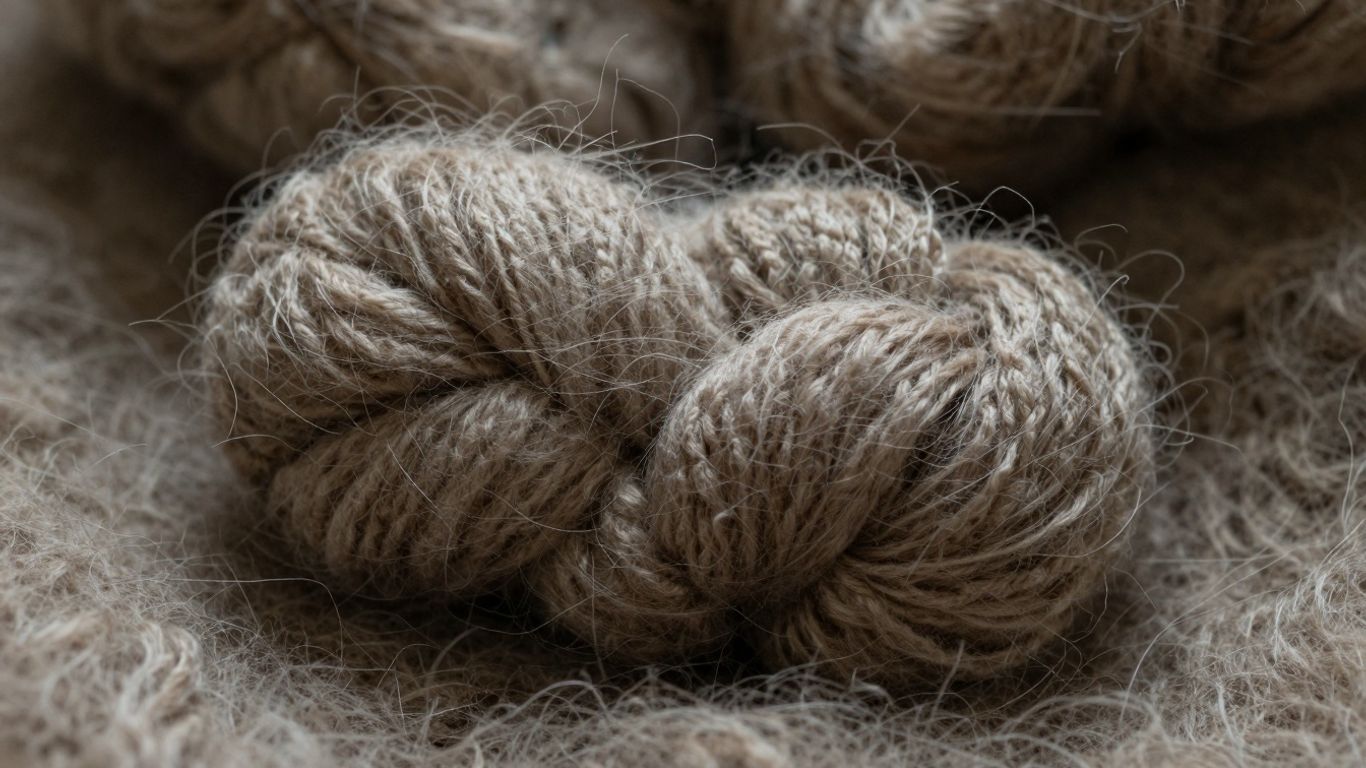
Natural Odor Neutrality of Merino
Merino wool has a very special structure. Imagine the fibers like tiny roof tiles that overlap. This surface offers bacteria little grip. They cannot easily attach and multiply. This is a big difference from smooth synthetic fibers, where bacteria and thus odors quickly form.
The wool absorbs moisture before it collects as sweat on the skin. Less moisture on the skin means less breeding ground for odor-causing bacteria. The wool itself contains keratin, a protein molecule. This makes it difficult for bacteria to multiply. This delays the decomposition process of sweat. The result: odor only develops much later, if at all.
Wearing Comfort and Temperature Regulation
Merino fibers are extremely fine. They are much thinner than conventional virgin wool. That's why they don't scratch the skin. Instead, they feel soft and pleasant. The crimped fibers trap air. This provides good insulation. Merino wool warms when it's cold. But it also cools when it gets warm. This is due to its good breathability. The fibers can absorb a lot of moisture, almost a third of their own weight. Even when they are damp, they still feel dry. The surface of the fiber is water-repellent. This helps to wick moisture away from the skin.
Experiences with Merino on Multi-Day Tours
Many hikers and outdoor enthusiasts swear by merino wool, especially on longer tours. The reason is simple: you can often wear merino clothing for days without it starting to smell. This is a huge advantage when you don't have the opportunity to wash every day. On multi-day hikes, bike tours, or camping, this is invaluable.
You save weight because you don't have to carry as much clothing. Merino's natural odor neutrality makes this possible. Even after intense exertion, the clothing remains fresh. This saves time and effort on the go. The clothing still feels comfortable on the skin, even after several days of use. This makes merino the ideal choice for adventures where comfort and hygiene are important, but washing facilities are limited.
Merino wool offers a natural solution against odor formation in sportswear. Its unique fiber structure and material properties ensure that clothing can be worn longer without unpleasant odors. This makes it particularly practical for on the go.
The Properties of Synthetic Fibers
Fast Moisture Wicking in Synthetics
Synthetic fibers like polyester and polyamide are known for wicking moisture away from the body extremely quickly. They absorb hardly any water, instead guiding it outwards through their special structure, often with small hollow spaces in the yarn. This ensures that the clothing feels relatively dry even when sweating heavily. This property is particularly important to prevent cooling down when you are active in cooler weather.
The fibers themselves are designed not to retain moisture. Instead, it is transported to the surface of the fabric, where it can then evaporate quickly. This is a great advantage over materials that soak up moisture and then become heavy and take a long time to dry.
Skin-Friendliness of Synthetic Fibers
Many people find clothing made of synthetic fibers very comfortable on the skin. This is because the fibers can be produced very finely and softly. They are often smooth and do not rub unpleasantly. This makes them a good choice for sportswear that is worn directly on the skin. Especially for sensitive skin, this can be a decisive factor.
The smooth surface also prevents the fibers from easily catching or chafing. This increases the durability of the clothing and wearing comfort over longer periods. There is hardly any feeling of scratching or itching, which can occur with some natural fibers.
The Challenge of Odor Formation in Synthetics
One point where synthetics often lag behind merino is odor formation. The smooth surface of synthetic fibers provides a good breeding ground for bacteria. They can easily settle there and decompose sweat components. This quickly leads to unpleasant odors that are known from sportswear.
In contrast to merino wool, where the structure of the fibers inhibits bacterial growth, bacteria have an easier time on synthetics. This means that synthetic shirts often have to be washed after just one intensive use to stay fresh. However, there are now technologies that are designed to mitigate this problem.
Synthetic fibers are great at wicking moisture and dry quickly. They are often very soft and comfortable to wear. The main problem, however, is that they absorb odors faster than, for example, merino wool. Bacteria simply find a better hold on the smooth surface and multiply faster there, which then causes the typical sweat odor.
Merino vs. Synthetics in Direct Comparison
Odor Development in the Endurance Test
When it comes to odor, merino wool often has the upper hand. This is due to its natural structure. Bacteria, which are responsible for sweat odor, find hardly any grip on the fine scales of the merino fiber. Synthetic fibers, on the other hand, offer bacteria a better attacking surface with their smoother surface. This means that shirts made of synthetic fibers tend to start smelling faster, especially under intense strain.
Merino wool often remains odor-neutral even after several days of wear, while synthetics can become unpleasant after a short time.
Blended Fabrics: The Best of Both Worlds?
Many manufacturers rely on blended fabrics to combine the best of both worlds. A combination of merino and synthetics can utilize the advantages of both fibers. This combines the robustness and quick drying of synthetic fibers with the odor neutrality and wearing comfort of merino wool. However, a high synthetic content can impair the odor-neutral properties of the wool. The more synthetic fiber, the faster the garment can develop odors.
-
Advantages of blended fabrics:
Faster drying than pure wool
Higher robustness and durability
Good compromise between comfort and function
-
Disadvantages of blended fabrics:
Odor neutrality may suffer
Less natural feel than pure wool
The positive properties of merino are diluted
When is Merino the Better Choice?
Merino wool is often the better choice for longer tours where you want to carry less clothing. If you are on multi-day hikes and want to minimize the weight in your backpack, merino is ideal.
You can often wear a merino shirt for several days without it starting to smell. This not only saves space and weight, but also the need to wash clothes on the go. Merino can also be a good option for people with sensitive skin, as the fine fibers do not scratch and offer a comfortable feel.
For long tours where hygiene and weight play a role, merino is often the first choice. Its natural odor neutrality saves packing space and ensures freshness, even if you don't have washing facilities.
Tips for Odor-Free Sportswear
Proper Care for Merino and Synthetics
The care of functional clothing is crucial to keep it fresh for a long time and prevent unpleasant odors. Both merino and synthetics have different needs, but some basic rules apply to both.
For merino wool, it is important not to wash it too hot. 30 degrees Celsius is usually sufficient. Avoid fabric softener, as it can stick the fibers together and impair breathability and odor-neutralizing properties. A special wool detergent is often the best choice. After washing, merino should ideally air dry, not in the dryer. This protects the fibers and preserves their natural properties.
Synthetic fibers are often more robust, but caution is also advised here. Lower washing temperatures (often up to 40 degrees) and avoiding fabric softener are also recommended here. Special sports detergents can help to dissolve odor molecules better. Synthetics usually dry faster than merino, but air drying is often gentler than a tumble dryer, especially at low temperatures. Direct sunlight during drying should be avoided, as it can fade colors and damage the fibers.
Observe washing temperature: 30-40 degrees is usually sufficient.
Avoid fabric softener: It damages the fibers and their function.
Use special detergents: They are tailored to the needs of functional fibers.
Prefer air drying: This protects the clothes and saves energy.
Technologies for Odor Prevention in Synthetics
Synthetic fibers are more prone to odor formation because they provide a good breeding ground for bacteria. Fortunately, there are technologies that counteract this. A well-known method is treatment with silver ions, often known under brand names such as Polygiene. These silver ions inhibit the growth of odor-causing bacteria on clothing. This does not mean that the clothing no longer smells at all, but odor formation is noticeably slowed down and the wearing intervals between washes can be extended.
Some garments are already equipped with such finishes ex works. However, there are also retrofit options, for example through special detergents or sprays that impart odor-inhibiting properties. These treatments are usually washable, but lose their effectiveness over time. With pure synthetics, this technology can make a big difference in maintaining the freshness of the clothing.
The idea is that fewer bacteria grow on the clothing, which directly reduces odor formation. This is particularly practical for multi-day tours where you cannot wash every day.
How to Extend the Freshness of Merino
Merino wool naturally has good odor-neutralizing properties. Nevertheless, these can still be supported. A simple trick is to rinse the sweaty merino shirt briefly with clear, warm water after sports. This rinses out most of the sweat and thus the odor-causing substances from the fibers before they can really take effect. Afterwards, it is important to air the clothes well. It is best to hang them in an airy place so that they dry quickly.
Even if the garment is not heavily sweaty, airing merino wool does it good. The fibers can regenerate and odors that may have accumulated are released into the air. This is part of the natural self-cleaning ability of the wool. These simple measures can significantly extend the time between washes and increase the life of merino clothing.
More on the correct care of merino wool here
Conclusion: Your New Favorite Shirt for On the Go
So, what do we learn from this? If you really want peace of mind from smelly sportswear, merino is often the better choice. Sure, synthetics also have their advantages, especially when it comes to quick drying. But if the smell bothers you, then look for shirts with a high merino content. Even if it's a mix, the more wool in it, the better it usually is. And hey, if you love synthetics, there are tricks like Polygiene that can help. At the end of the day, however, it's probably the natural fiber that really does us hikers and outdoor fans a favor, so we can concentrate on the tour and not on the smell.
Frequently Asked Questions
Why does my sportswear smell quickly after exercise?
When you sweat, bacteria on your skin find a great breeding ground. These bacteria then decompose the sweat, creating unpleasant odors. Synthetic fibers are often smoother, allowing bacteria to settle and multiply more easily there. Merino wool has a different structure that slows down odor formation.
Is merino wool really odor-neutral?
Merino wool is not completely odor-neutral, but it smells much later and less strongly than synthetics. This is because the wool can bind and neutralize odors. Often, it's enough to air the shirt well, and it smells fresh again.
Can I wear merino shirts on multi-day tours without washing them?
Yes, that's often possible! Many people wear merino shirts on tours lasting several days because they don't smell as quickly. This saves space and weight in your backpack because you have to carry less change of clothes. But after a few days, even merino can develop a slight odor.
What is the best way to care for merino and synthetic shirts so they don't stink?
Both materials prefer to be washed at a low temperature and air-dried. For merino, it helps to rinse the shirt briefly with clear water after sports and air it well. Synthetics should be dried as quickly as possible. Special detergents or treatments like Polygiene can help slow down odor formation in synthetics.
What's better: 100% merino or blended fabric?
100% merino stays odor-free the longest. When merino is mixed with synthetic fibers, the shirt dries faster and is often more robust. However, a higher proportion of synthetic fibers can lead to the shirt starting to smell faster because the odor-neutral properties of the wool diminish somewhat.
Are there any tricks to keep synthetic shirts odor-free?
Yes, there are special technologies like Polygiene, which are often already incorporated into the fabric or can be applied afterwards. These help inhibit the bacteria responsible for the odor. The shirt then smells noticeably less. Immediate drying and airing after exercise is also important.










Share:
The Right Hiking Backpack for Your Day Trip
Bivouacking vs. Camping: The Differences Simply Explained