



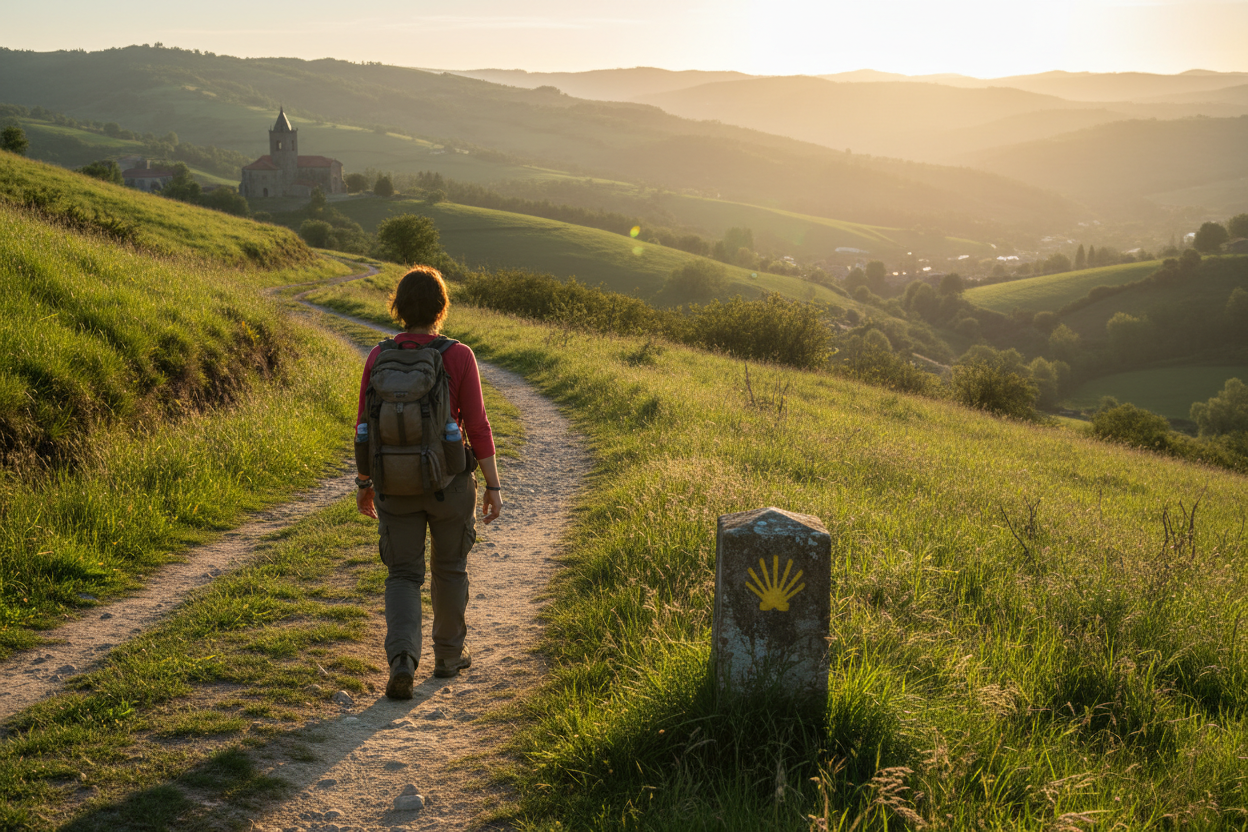


Camino de Santiago Packing List
⏱ Reading time: approx. 17 min.
The Camino de Santiago calls, but what really belongs in your backpack? Many pilgrims face the challenge of packing the essentials while paying attention to every gram.
A backpack that is too heavy can quickly dampen the joy of hiking and even lead to physical discomfort. Well-thought-out equipment is therefore crucial for a carefree experience on the historic trails.
Here you will learn how to optimally compile your Camino de Santiago packing list so that you can fully concentrate on your pilgrimage. We will show you which equipment is really important and where you can cleverly save weight.
A well-planned Camino de Santiago packing list includes essential clothing, suitable shoes, important toiletries, and first-aid supplies to be prepared for all eventualities and optimize the pilgrimage experience.
In a Nutshell
- A light backpack under 10 kg is crucial for comfort and health.
- Functional clothing in layers protects against capricious weather and dries quickly.
- Blister prevention and treatment are essential for foot health.
- Pilgrim's passport and cash are indispensable on the Camino de Santiago.
What equipment absolutely needs to be in your backpack?
The right equipment is the alpha and omega for a successful pilgrimage. Many underestimate the importance of a light backpack that protects the back and relieves the joints.
Imagine hiking day after day with a backpack that feels like it's pushing you into the ground. That can quickly drain your motivation. A good guideline for the total weight is a maximum of 10 percent of your body weight, ideally even less.
For a person weighing 70 kg, this means the backpack should not weigh more than 7 kg. This is a real challenge, but absolutely doable with the right strategy.
The optimal backpack for the Camino de Santiago
A suitable backpack is more than just a container; it is your constant companion. Look for a model with a volume between 30 and 45 liters.
A good carrying system that optimally distributes the weight to your hips and shoulders is important. An adjustable hip belt and padded shoulder straps are essential.
An integrated rain cover is also useful, as the weather on the Camino de Santiago can change quickly. Models with many compartments help you stay organized and quickly access important items.
Clothing for all weather conditions
The weather in Spain or France is often unpredictable. Therefore, the layering principle is the best choice for clothing.
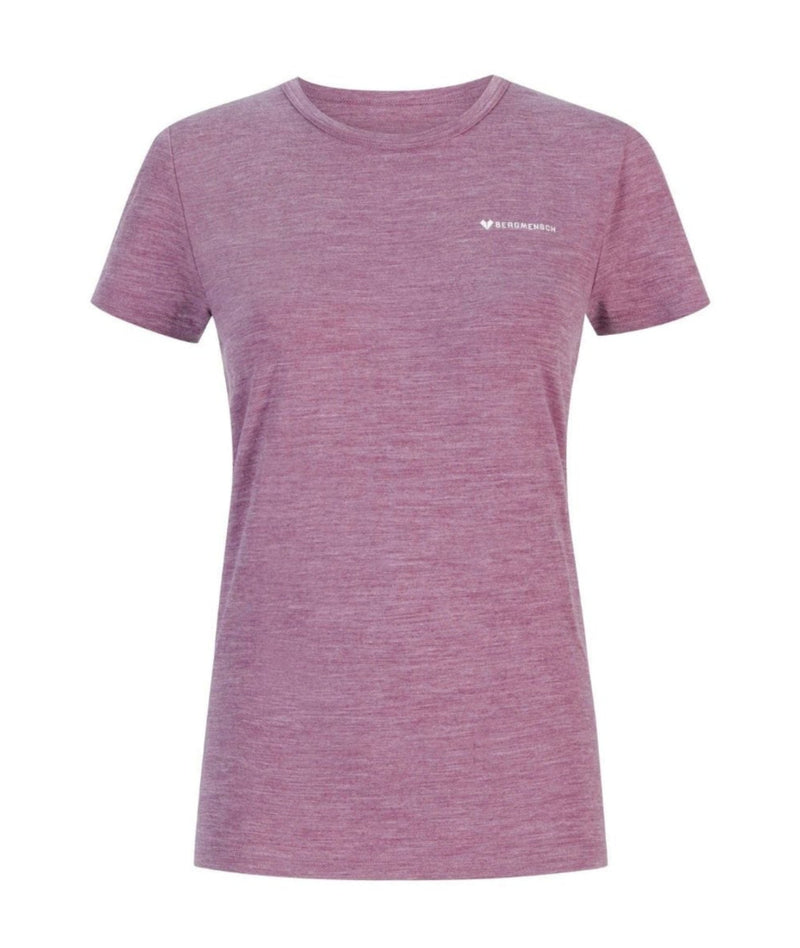
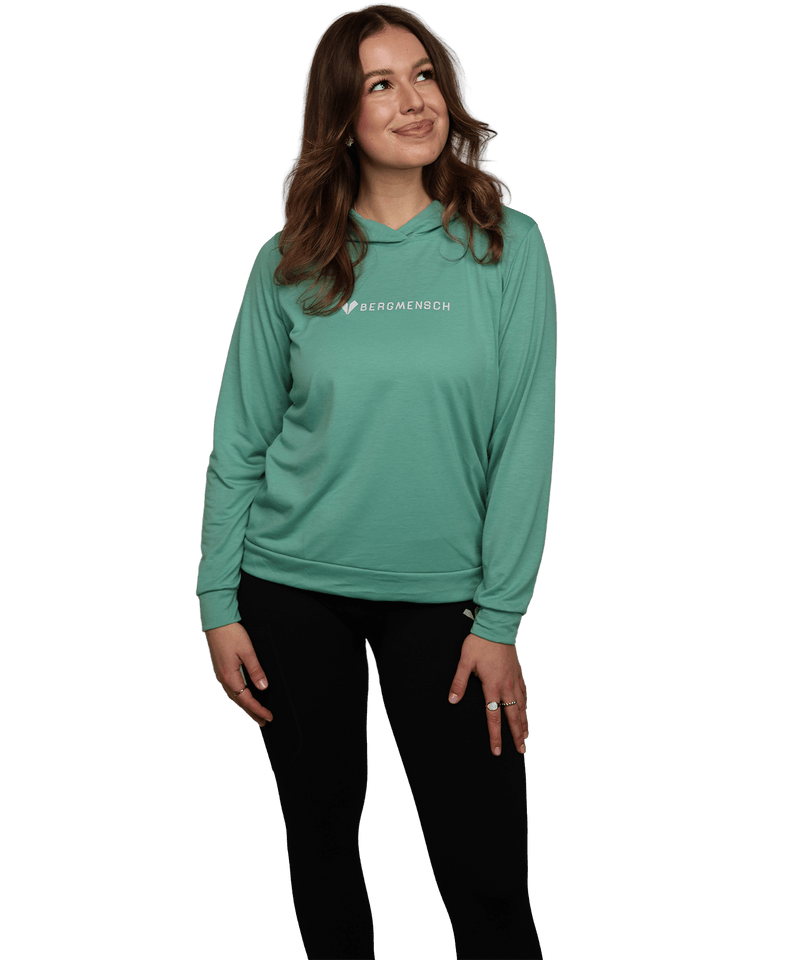
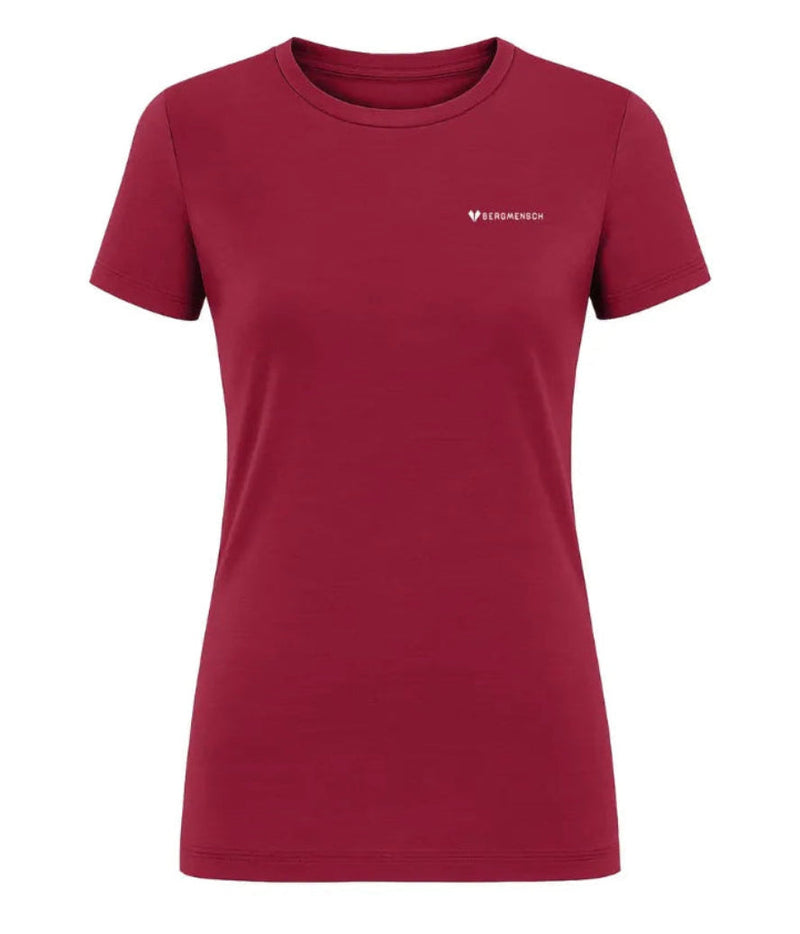
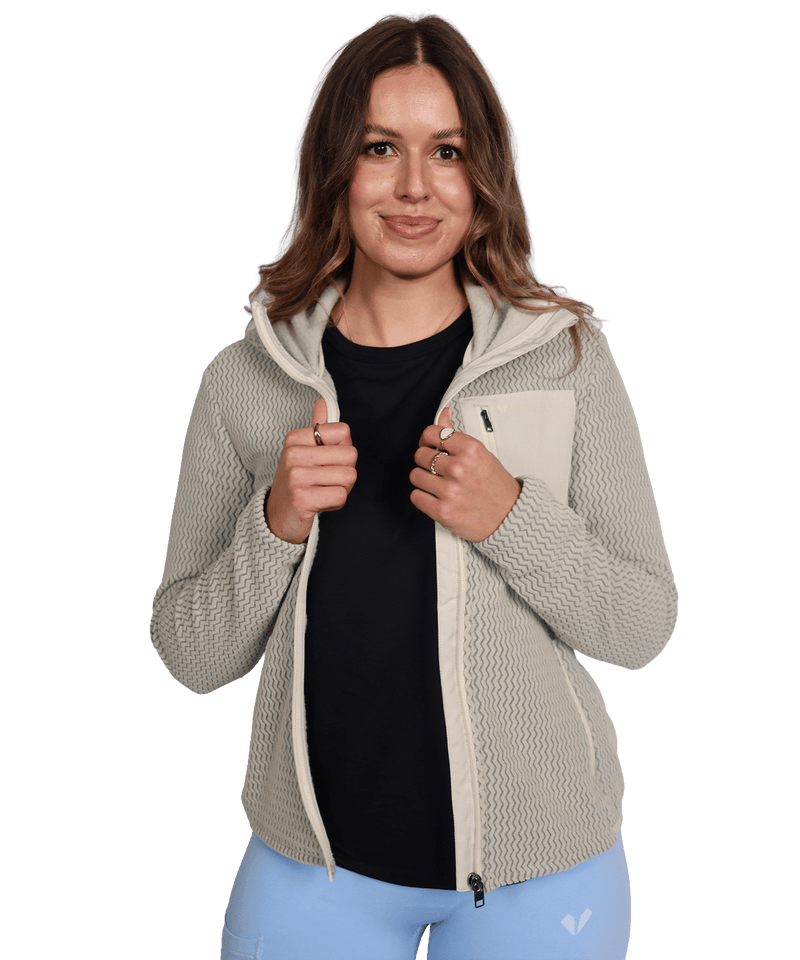
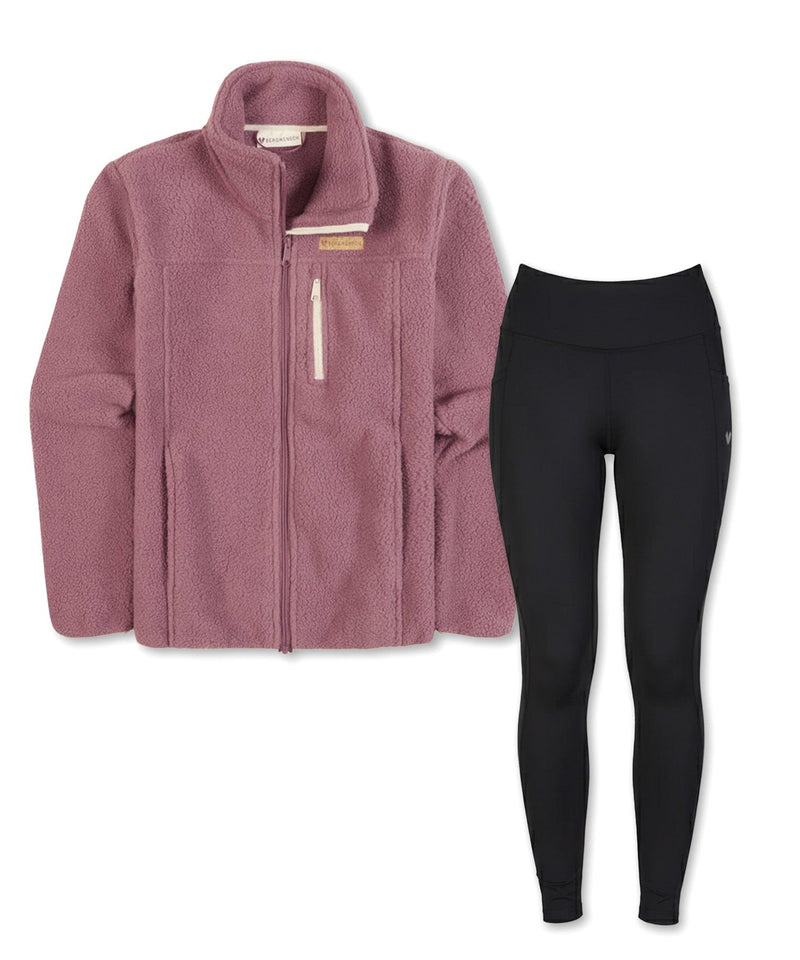
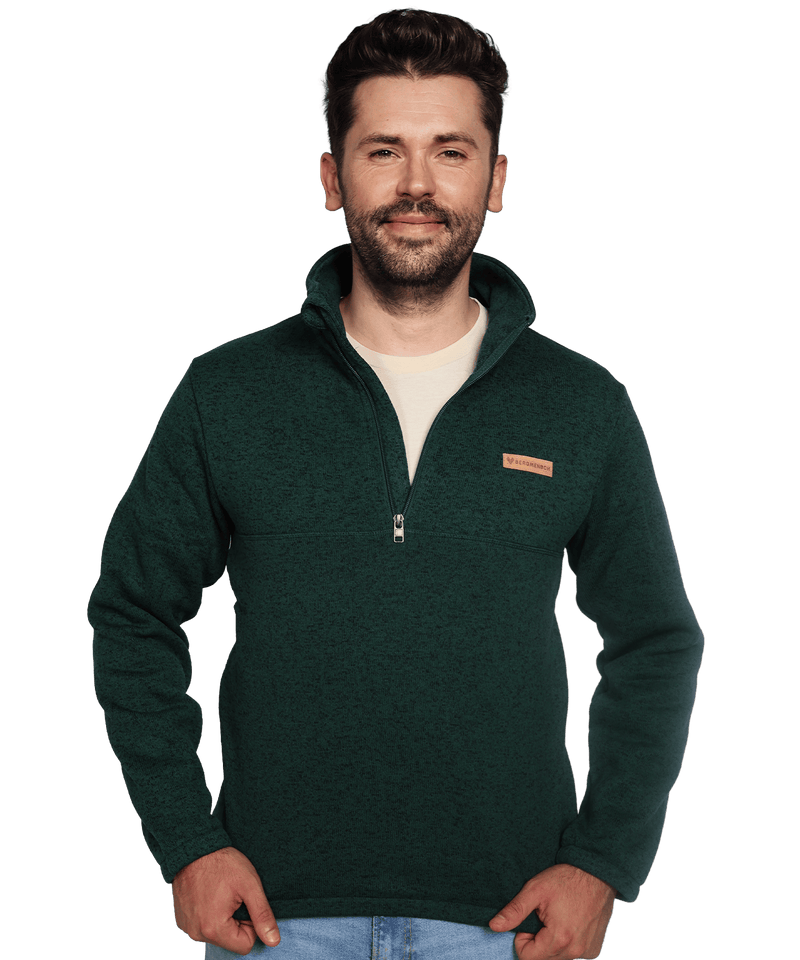
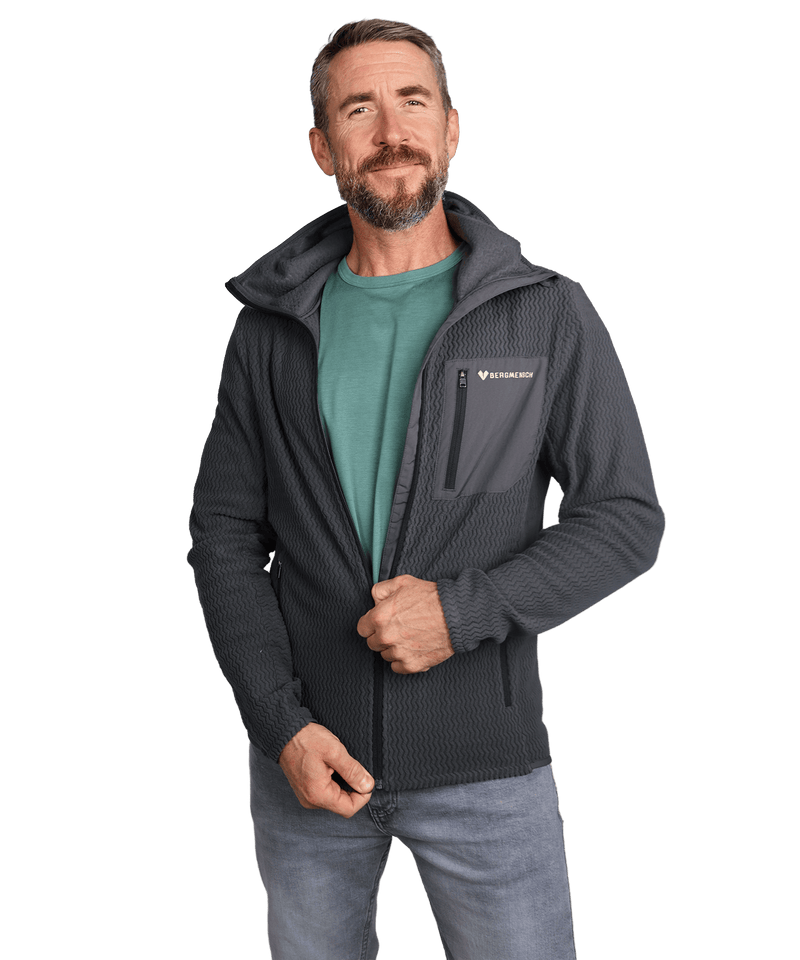
Pack clothing in layers that you can put on or take off depending on the temperature and weather. Functional clothing made of merino wool or synthetic fibers is ideal here, as it is light, dries quickly, and minimizes odors.
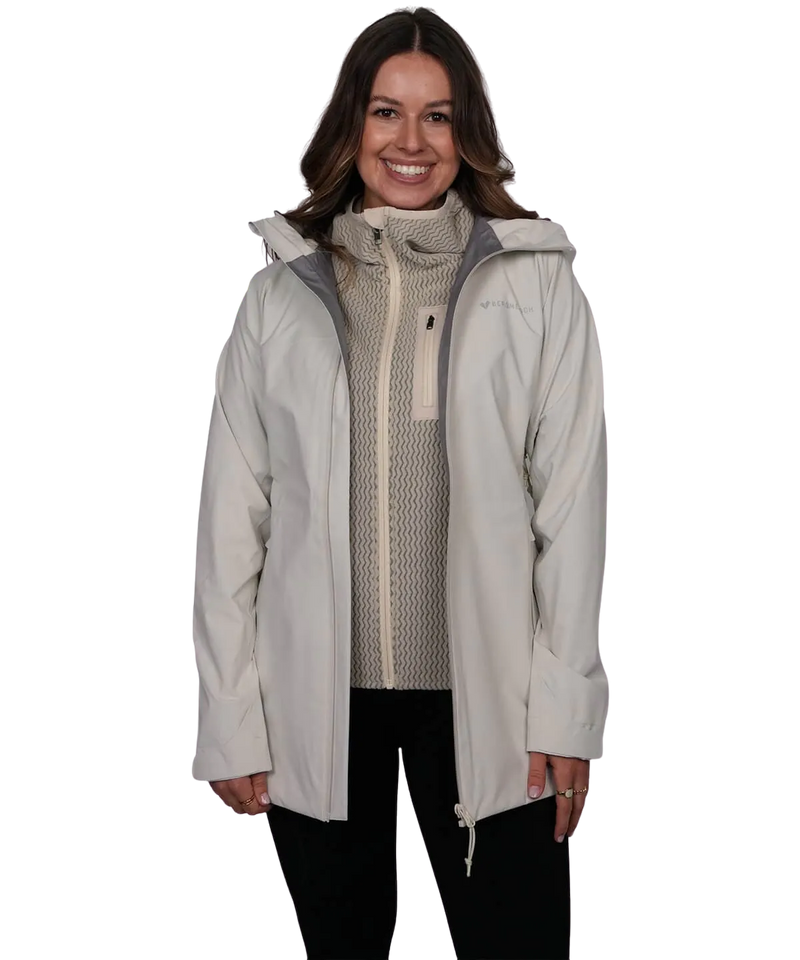
Three to four outfits are usually sufficient, as you can wash clothes regularly along the way. A light rain jacket and rain pants are indispensable to stay dry even in continuous rain.
In short: A light backpack with 30-45 liters, a good carrying system, and functional clothing in layers are the basis for a comfortable pilgrimage.
How do you optimally protect your feet on long stages?
Your feet are your most important mode of transport on the Camino de Santiago; their health determines success or failure. Blisters, pressure points, and pain can make the pilgrimage a torment.
Imagine that after only a few days you have such severe pain that every step becomes agony. This is a common problem and the main reason why many pilgrims have to give up. Careful foot care and the right shoe choice are therefore of paramount importance.
Experts recommend breaking in your shoes at least three months before starting your trip to avoid nasty surprises and get your feet used to the strain.
The right shoes and socks
Choose hiking shoes that are well broken in and offer enough space for your feet, especially in the toe area. Many pilgrims prefer light hiking shoes or trail runners instead of heavy hiking boots, as they are more breathable and weigh less.
A myth states that sturdy boots are always the best choice. The fact is, however, that lighter shoes often offer more comfort and put less strain on the joints, as long as they provide sufficient support.
Combine the shoes with special hiking socks that reduce blister formation. Socks made of merino wool or a synthetic blend effectively wick away moisture and prevent friction.
Effective blister prevention
Blisters are the sworn enemy of every pilgrim. But with the right prevention, they can often be avoided. Always wear fresh, dry socks and change them several times a day if necessary.
A proven home remedy is to rub your feet with Vaseline or deer tallow before starting. This significantly reduces friction. Special blister plasters or tape can also be applied preventively to vulnerable areas.
If a blister still forms, treat it immediately. A small first-aid kit with disinfectant, sterile needles, and blister plasters should definitely be in your daypack.
Practical Tip
Take a second pair of light shoes or sandals with you. Crocs or light trekking sandals are ideal for this.
Foot care on the go
After each stage, foot care is crucial. Wash your feet thoroughly, dry them carefully, and air them out. A short foot massage can support regeneration.
Check your feet daily for redness or pressure points. React immediately if you discover the first signs of problems. A foot bath with cooling additives can work wonders and reduce swelling.
In short: Well-broken-in hiking shoes, special hiking socks, and consistent blister prevention are the key to pain-free feet on the Camino de Santiago.
Which toiletries and medicines are indispensable?
Hygiene and health are essential on the Camino de Santiago to prevent infections and quickly alleviate minor ailments. The sanitary facilities in the hostels are often simple, so a basic kit is important.
Imagine you are far from the nearest pharmacy and urgently need a plaster or painkiller. A well-stocked travel first-aid kit gives you security and saves you unnecessary stress. Packing should be reduced to the essentials to save weight.
Many pilgrims always carry a small bag with the most important toiletries within reach, so they can quickly access them even during short stops or in crowded hostels.
Your personal travel first-aid kit
Your travel first-aid kit should be compact and contain the most important medicines and dressings. These include painkillers (e.g. ibuprofen), anti-diarrhea medication, disinfectant, and various plasters.
Also think about personal medications that you need to take regularly. A small tube of sunscreen with a high sun protection factor is essential to prevent sunburn, especially in the more open landscapes of Spain.
Bed bugs can occur in hostels. A small antihistamine or a cortisone ointment will relieve itching from bites. Insect repellent is also advisable, especially in the evenings.
Compact toiletries
When it comes to toiletries, less is more. Pack travel sizes of shampoo, shower gel, and toothpaste. A small, quick-drying microfiber towel is significantly lighter and more practical than a conventional cotton towel.
A small toiletry bag that you can hang up is practical, as storage options in bathrooms are often limited. A small tube of hand washing detergent allows you to quickly wash clothes on the go.
Do without unnecessary cosmetics. A solid soap bar can replace shower gel and shampoo and saves plastic waste. This is not only practical but also a small contribution to sustainable travel.
Important documents and money
In addition to equipment, documents and money are also crucial. Your ID card or passport, health insurance card, and pilgrim's passport belong in a waterproof cover.
Take a mix of cash and a credit card. Not all small shops or hostels accept card payments, especially in more remote areas. A small wallet that you can carry securely on your body is advisable.
In short: A compact travel first-aid kit, minimalist toiletries, and securely stored documents and cash are essential for health and safety on the Camino de Santiago.
How to pack your backpack efficiently and weight-optimized?
Packing your backpack is an art in itself, especially when every gram counts. A disorganized backpack can not only be heavy but also make it difficult to find important items and negatively affect weight distribution.
A common mistake is to fill the backpack to the brim without considering the necessity of each individual item. The result is often an overloaded backpack that diminishes the joy of hiking.
A good packing strategy helps you to distribute the weight optimally and to quickly access everything you need. This way, your backpack becomes a real helper and not a burden.
Important to know
The total weight of your backpack should ideally not exceed 10 percent of your body weight. Every additional kilogram can feel like three times as much on long stages.
The right weight distribution in the backpack
The way you pack your backpack significantly influences carrying comfort. Heavy items belong close to your back and centrally placed to keep your center of gravity stable.
Light, bulky items such as your sleeping bag or spare clothes should be placed at the bottom of the backpack. Items you need frequently, such as a water bottle, snacks, or rain jacket, should be easily accessible in the outer pockets.
A common misconception is that heavy items should be stored at the very top of the backpack. However, this leads to poor weight distribution and can unnecessarily strain your back.
Packing cubes and compression sacks
To stay organized and save space, packing cubes or compression sacks are extremely helpful.
A compression sack for your sleeping bag can reduce its volume by up to 50 percent. This creates valuable space for other things. Separate bags are also useful for dirty laundry to keep it separate from clean clothes.
Think carefully in advance about what you really need every day and what you need less often. This way you avoid unnecessary rummaging and save time and nerves.
Minimalism as the key to success
The Camino de Santiago is a journey of reduction. Only take what you really need and what serves a clear purpose. Every extra gram is a burden that you carry with you day after day.
A good trick is to ask yourself if you really need an item every day or at least every two days. If not, it's advisable to question it critically. A light smartphone with a charging cable and power bank is often sufficient as a communication and navigation device.
Many pilgrims report that they took too much with them on their first journey and were significantly more minimalist on their second tour. Learn from these experiences and start directly with a well-thought-out, lean packing list.
In short: Conscious weight distribution, the use of packing cubes, and a minimalist approach are crucial for an efficiently packed backpack on the Camino de Santiago.
What equipment is important for sleep and food?
After a long day of hiking, a restful night's sleep is essential to be fit again the next morning. The accommodations on the Camino de Santiago, the so-called albergues, often only offer simple sleeping places.
Imagine you're in an albergue, it's cold, and you don't have a suitable sleeping bag. Or you're hungry but have no way to prepare anything. Such situations can dampen your mood and impair your recovery.
Well-thought-out equipment for sleep and food ensures comfort and independence, so you can optimally regenerate and strengthen yourself.
Sleeping bag and sleeping essentials
A light hut sleeping bag made of silk or cotton is sufficient in most albergues, as the beds are often equipped with blankets. It protects you from possible contamination and provides an additional layer of warmth.
For cooler seasons or if you are more sensitive, a light down sleeping bag with a comfort range of 5 to 10 degrees Celsius can be useful. Look for a model that can be compressed to a small size.
Earplugs and a sleep mask are absolute must-haves in the often bustling and noisy multi-bed rooms of the albergues.
Food and cooking options
Even though there are many shopping and dining options along the Camino de Santiago, it is advisable to always have some emergency rations and the necessary equipment for food with you.
A light water bottle or a hydration system with a capacity of at least 1.5 liters is indispensable. You need to drink regularly, especially in warm weather.
A small pocket knife or a multi-tool can be useful for preparing snacks or opening packaging. A small spoon and fork made of lightweight material are also practical.
Light down sleeping bag (5-10 °C comfort)
For cooler seasons or sensitive pilgrims who need more warmth.
Snacks and energy providers
Even if you can always buy groceries in the villages, it makes sense to have small energy providers for on the go. Cereal bars, nuts, dried fruit, or chocolate are ideal for keeping blood sugar levels stable.
A small bag of instant coffee or tea bags can work wonders in the morning if you leave early and don't yet have a chance to stop for a meal. A small, reusable cup is perfect for this.
Remember that you expend a lot of energy on the Camino de Santiago. A balanced diet and regular small meals are important to maintain your performance.
In short: A light hut sleeping bag, earplugs, and a sleep mask ensure a good night's rest, while a water bottle and energy bars guarantee food on the go.
What other useful helpers make the pilgrimage easier?
In addition to the basic equipment, there are some small helpers that can make the pilgrimage considerably more pleasant. These things are often not essential at first glance, but quickly turn out to be extremely practical.
A typical example: You are standing in front of a rusty water pump and wonder if the water is drinkable. A small water filter could remove this uncertainty and give you access to clean drinking water.
Such well-thought-out additions can make the difference between a arduous and a truly fulfilling pilgrimage experience.
Trekking poles and their benefits
Trekking poles are indispensable for many pilgrims.
Look for light, adjustable models made of aluminum or carbon. A common myth is that trekking poles are only for older people. In fact, pilgrims of all ages benefit from the additional support.
The correct length of the trekking poles is crucial for effectiveness. Ideally, your upper and lower arm should form a right angle when you place the poles on the ground.
Navigation Aids and Communication
A smartphone with GPS functionality and downloaded offline maps is an excellent navigation aid. A power bank is essential for this, as battery life quickly diminishes with intensive use.
A small notepad and pen are practical for thoughts, addresses, or important notes. A small, lightweight book can provide distraction in quiet moments.
Don't forget to inform your family and friends about your travel plans and provide regular updates. A small guidebook with information about the stages and hostels can also be useful.
Safety Equipment and Extras
A small headlamp is essential if you start before sunrise or arrive at dusk.
A small bag for trash is important to keep the environment clean. Remember that on the Camino de Santiago, you are a guest of nature and should minimize your footprint.
A small padlock can be useful to secure your backpack in the hostels, even if theft is rare. It gives you an additional sense of security.
In short: Trekking poles relieve joints, a smartphone with a power bank aids navigation, and a headlamp increases safety on the pilgrimage route.
Final Considerations for a Successful Pilgrimage
Compiling your Camino de Santiago packing list is more than just packing a backpack; it's a process of preparing for a transformative journey. Every item you bring should serve a clear purpose and contribute to your well-being.
Often, true value lies not in the quantity of things you possess, but in the freedom you gain by letting go of the superfluous. A light backpack symbolizes this inner freedom on the pilgrimage.
Remember that the Camino de Santiago is not only a physical but also a spiritual journey. A well-thought-out packing list allows you to fully immerse yourself in these experiences without being distracted by unnecessary burdens.
Trust your intuition and the experiences of other pilgrims. What is indispensable for one may be superfluous for another. Adapt the list to your individual needs and the season in which you are traveling.
Buen Camino!




Share:
Merino wool base layer - the system
E5 Alpine Crossing - Packing List