






Insulation Jackets and their Role in the Layering System
Imagine yourself on a windy mountain peak, the temperature dropping rapidly. Your body cools down, your concentration wanes. This is where the insulation jacket comes in, because it is much more than just a warm covering.
Many outdoor enthusiasts underestimate the precise role of this layer of clothing. A common mistake is to see it as a mere source of warmth, without understanding its thermoregulatory function within the overall system.
This article explains the mechanics behind insulation, shows you which materials really matter, and how to optimally integrate your insulation jacket into your layering system. This way, you'll stay warm and performant on every adventure!
An insulation jacket is a specialized outdoor clothing layer designed to effectively retain body heat and thus protect against cooling by creating a thermal barrier between the body and the environment.
In a nutshell
- Insulation jackets retain body heat through trapped air, not the material itself.
- Filling materials such as down and synthetic fibers offer different advantages and disadvantages in terms of weight, pack size, and sensitivity to moisture.
- In the layering system, the insulation jacket functions as a mid-layer or outer layer, depending on the weather and activity.
- The fill power for down and the fill weight for synthetic fibers are crucial performance indicators.
How does a jacket's insulation work?
A jacket's insulation primarily relies on the principle of air insulation, where air is trapped in small chambers or fibers to minimize heat transfer.
Warm air is lighter than cold air and rises, but in an insulation jacket, this natural convection current is suppressed. The filling material, be it down or synthetic fiber, forms a dense network that holds the air molecules in place. This creates a stationary layer of air that conducts heat very slowly because the molecules cannot efficiently transfer energy.
Imagine you have two identical cups of hot coffee. One you place directly on the table, the other on a thick felt coaster. The coffee on the felt coaster stays warm longer because the felt traps air between its fibers, thus slowing down heat loss to the tabletop. Similarly, the insulation layer protects your body from the cold environment.
The thickness of the insulation layer plays a direct role in its thermal performance. A thicker layer can trap more air, which increases thermal resistance and thus improves insulation capacity.
The material itself has only a low thermal conductivity; the true performance comes from the volume of trapped air. This is why a thick, lofty jacket is warmer than a thin one, even if both are made of the same material.
Another factor is moisture regulation. Moisture, whether from rain or sweat, drastically reduces insulation capacity because water displaces the air in the fibers and also has a much higher thermal conductivity than air.
Therefore, choosing the right filling material is crucial, especially if you are in damp or variable conditions. A wet insulation jacket hardly provides any warmth because the air chambers collapse and water dissipates heat.
Important to know
The insulation performance of a jacket is not primarily determined by the weight of the material, but by the volume of trapped air. The more air a jacket can effectively store, the better its thermal performance.
What filling materials are available and what advantages do they offer?
At its core, when it comes to insulation jackets, we distinguish between two main categories of filling materials: down and synthetic fiber. Both have specific properties that make them suitable for different applications.
Down, mostly from geese or ducks, is a natural product and offers an unbeatable combination of low weight and high thermal performance. The fine down clusters have a complex three-dimensional structure that can trap an extreme amount of air, leading to excellent loft (measured in cuin or fill power).
For example, a down jacket with 800 cuin fill power can store significantly more heat than one with 600 cuin with the same fill weight, because it occupies a larger volume and thus binds more insulating air. This makes down jackets ideal for cold, dry conditions and situations where every gram counts, such as high-altitude tours or expeditions.
However, down is very sensitive to moisture. If it gets wet, it clumps together, loses its loft, and thus almost completely loses its insulating capacity. Modern down is often treated hydrophobically to counteract this problem, but the basic sensitivity remains.
Synthetic fibers, such as polyester, are synthetic alternatives designed to mimic the structure of down. insensitive to moisture and still provide warmth when wet.
This is because synthetic fibers largely retain their structure and thus their ability to trap air even when wet. For rainy or strenuous activities, such as trekking in variable weather or ski touring, synthetic fiber jackets are often the better choice, as they offer reliable thermal insulation in adverse conditions.
In addition, synthetic fiber jackets are generally easier to care for and often less expensive to purchase. However, their lifespan may be shorter with intensive use, as the fibers can lose their loft over time.
What role does the insulation jacket play in the layering system?
In the proven onion principle, the insulation jacket plays a central role, usually as a mid-layer or as a standalone outer layer, depending on weather conditions and activity intensity.
As a mid-layer, the insulation jacket is worn over a base layer and under a weather protection layer (hardshell). Its main task is to efficiently store the heat generated by the body while simultaneously transporting moisture from the base layer outwards.
This setup is ideal for changeable weather or activities with varying intensity. For example, if you are tackling a steep ascent, you can take off the hardshell to avoid overheating. When you reach the summit and the wind is howling, you put the hardshell back over the insulation jacket to minimize the wind chill effect.
However, the insulation jacket can also serve as the sole outer layer. This is often the case in cold, dry conditions with little wind, where no additional weather protection is needed. A light down jacket is perfect here to warm up quickly during a break or in camp.
A typical scenario: You are hiking in autumn under a clear sky. A light insulation jacket over your functional shirt is sufficient. If it gets colder or light drizzle starts, you put on a thin hardshell over it. This way, you are flexible and can adapt quickly.
The art is to use the layering system dynamically. This means putting on or taking off layers before you overheat or get too cold. A good insulation jacket is designed to maintain an optimal microclimate on the body.
Remember that a too-thick insulation layer during high activity can quickly lead to overheating and heavy sweating. This in turn impairs insulation performance and can lead to cooling down once the activity subsides. So, choose the thickness of the insulation layer appropriate for the expected activity and temperatures.
What should you look for when buying an insulation jacket?
When buying an insulation jacket, there are some crucial criteria you should consider to find the right model for your needs. It's not just about warmth, but also about functionality and comfort.
First, the filling material is important. As already mentioned, down and synthetic fibers offer different profiles. Consider the conditions in which you will primarily use the jacket: Rather cold and dry (down) or wet and variable (synthetic fiber)?
For down jackets, pay attention to the fill power, indicated in cuin. Values from 600 cuin are considered good, from 700 cuin very good, and above 800 cuin excellent. Higher fill power means more warmth with less weight and pack size. The blend ratio of down to feathers (e.g., 90/10) indicates the proportion of pure down; the higher, the better the insulation.
For synthetic fiber jackets, the fill weight (grams per square meter) is an important indicator of thermal performance. A higher fill weight means more insulation, but also more weight and pack size. Typical values range from 60 g/m² for light jackets to over 150 g/m² for very warm models.
The outer material of the insulation jacket is also important. It should be windproof to prevent the wind chill effect, and ideally water-repellent (DWR coating) to repel light rain or snow. A robust outer material also prevents down from escaping or the synthetic fiber filling from being damaged.
Pay attention to a hood. A well-fitting, insulated hood effectively protects the head and neck from cold and wind. Some models offer hoods that fit over a helmet, which is crucial for climbers or ski tourers.
Which option fits?
Lightweight Down Jacket
For dry, cold conditions and as emergency warmth in your backpack. Ideal for trekking, climbing in clear weather.
Robust Synthetic Jacket
For damp, changeable conditions and high activity. Perfect for ski touring, snowshoeing, everyday use.
Fit and Features: What makes a good insulation jacket?
The fit of an insulation jacket is crucial for its effectiveness and your comfort. A jacket that is too loose allows too much cold air to circulate and reduces insulation, while a too-tight fit compresses the loft of the filling material and also diminishes thermal performance.
The ideal insulation jacket fits snugly to the body without being restrictive, and provides enough space for a base layer underneath. Make sure the sleeves are long enough and the jacket doesn't ride up in the back when you raise your arms. For men, you can find suitable models in the collection for men's jackets.
Some manufacturers offer special body-mapping solutions. Here, different filling materials or fill weights are used in different body zones to optimize thermal performance where it is most needed, while improving breathability in areas with high sweat production.
Practical features significantly increase the utility of your insulation jacket. Zippers should be smooth-running and ideally backed with a storm flap to prevent cold spots. Adjustable cuffs and a drawstring at the hem help to seal in warmth and prevent wind from entering.
Pockets are also important: Zippered side pockets keep small items secure and warm your hands. A chest pocket is practical for a phone or GPS. Some jackets even have an internal pocket where the jacket itself can be stowed for a minimal pack size.
An often-overlooked detail is the collar. A high, well-insulated collar protects the sensitive neck area from cooling down. If you wear the jacket as a mid-layer under a hardshell, the collar should not be too bulky to avoid friction or pressure points.
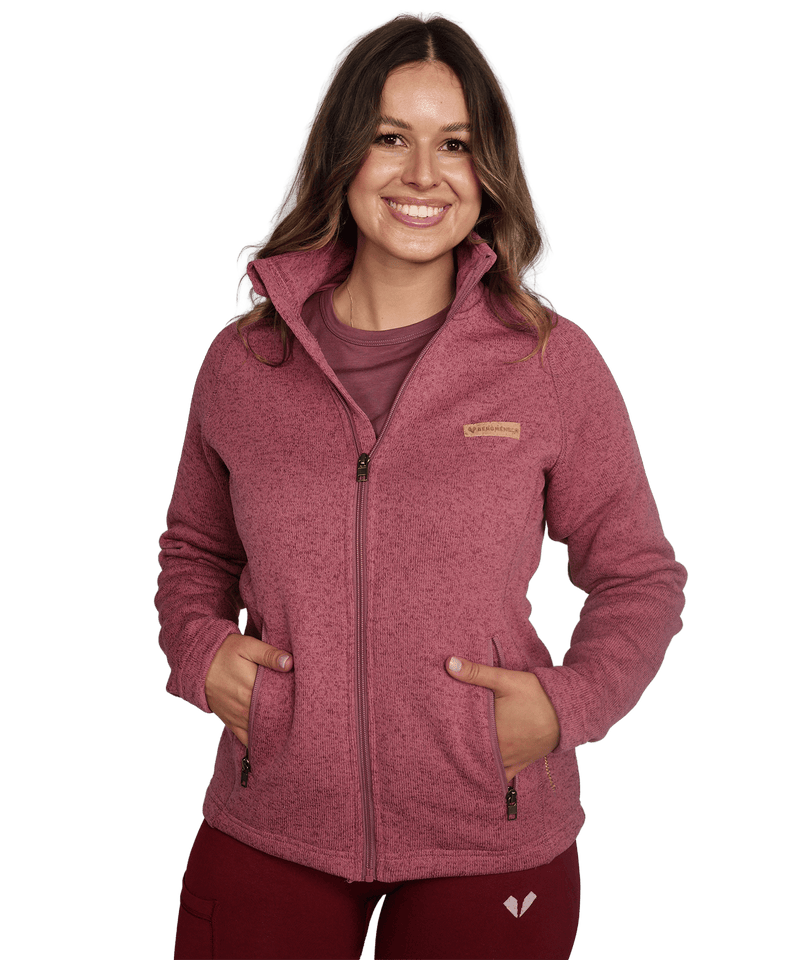
For women, there are special cuts that take into account the female anatomy and ensure an optimal fit. Discover the variety of women's jackets for your next outdoor adventures.
Did you know?
The fill power of down is measured in cubic inches per ounce (cuin). High-quality down weighs only about 27 grams per ounce but can fill over 800 cubic inches of volume.
Care and Storage: How to keep your insulation jacket performing for a long time
The right care and storage of your insulation jacket is crucial to maintain its lifespan and, most importantly, its insulation performance for years to come. A neglected jacket quickly loses loft and thus thermal performance.
A common mistake is washing insulation jackets too often or incorrectly. Every wash stresses the filling material. Therefore, only wash your jacket if it is really dirty or smells unpleasant. Always use a special down detergent or a delicate detergent without optical brighteners and fabric softeners, as these can glue the fibers together.
Wash the jacket on a gentle cycle at a low temperature (often 30°C) and spin it very gently. For down jackets, the drying process is the most critical: Place them in the dryer with several clean tennis balls. The tennis balls will repeatedly fluff up the down, preventing clumping and restoring its loft.
The drying process can take several hours, sometimes up to four hours at a low temperature. Take the jacket out periodically, shake it up, and check if the down is still damp. Synthetic-filled jackets are a bit less complicated here, but can also benefit from gentle drying.
Storage is just as important. Do not compress your insulation jacket in a stuff sack for extended periods. Continuous compression damages the structure of the down or synthetic fibers and leads to an irreversible loss of loft.
Instead, store the jacket loosely hanging in a dry, well-ventilated place, such as in a wardrobe. This allows the filling material to fully expand and retain its loft. You should only pack it into the stuff sack shortly before your trip.
Practical Tip
To extend the lifespan of your insulation jacket, you can air it regularly instead of washing it immediately. This helps remove odors and refresh the fibers without unnecessarily stressing them.
Common Mistakes in Use and How to Avoid Them
Even the best insulation jacket can lose its effectiveness if used incorrectly. A classic mistake is overheating during activity. If you're dressed too warmly and sweat heavily, the insulation layer becomes damp. As we know, it then loses a significant amount of its thermal performance.
The solution is the dynamic layering system: Take off your insulation jacket as soon as you feel too warm, and only put it back on when you take a break or the intensity of the activity decreases. This requires some practice and a good sense of your body, but it's worth it.
Another common mistake is wearing the insulation jacket directly against the skin without a functional base layer. The base layer is designed to wick sweat away from the body. Without it, moisture adheres directly to the insulation layer, which impairs thermal performance and leads to an unpleasant, clammy feeling.
The insulation jacket is a mid-layer. You should always wear a base layer underneath to wick away moisture. If you're unsure about mid-layer options, read our blog post on which mid-layers fit under a hardshell.
Don't forget weather protection. An insulation jacket, especially a down jacket, is rarely completely waterproof. In heavy rain or wet snow, you always need an additional hardshell jacket over it to keep the insulation layer dry.
A final tip: Pay attention to the correct size. A jacket that is too small restricts freedom of movement and compresses the insulation. A jacket that is too large allows too much air to circulate and does not insulate optimally. Always try on the jacket with the layers you would wear underneath.
Myth vs. Fact
Myth
A thicker jacket is always warmer.
Fact
Thermal performance depends on the amount of trapped air, which is determined by fill power (down) or fill weight (synthetic), not solely by material thickness.
Which Insulation Jacket for Which Adventure?
Choosing the right insulation jacket heavily depends on the intended use. A jacket perfect for a leisurely winter hike might be completely unsuitable for a demanding ski tour.
For light hikes and everyday use in cool temperatures, lightweight synthetic-filled jackets with a fill weight of 60 to 100 g/m² are often suitable. Their advantage is their resilience to light drizzle or snowfall.
For trekking tours and mountaineering in dry, cold regions where every gram counts, a high-quality down jacket with a fill power of 700 cuin or more is the first choice.
For ski touring or snowshoeing, where you exert yourself significantly and sweat a lot, breathable synthetic-filled jackets are often the better option. Look for models with ventilation zippers under the arms.
For expeditions and extremely cold conditions, thick down jackets with a fill power of 800 cuin and more, often with water-repellent down treatment, are indispensable. These jackets are usually voluminous but offer maximum insulation for temperatures well below freezing.
Also consider the season. In spring and autumn, a light hybrid jacket, which offers insulation in critical areas (torso) and is more breathable in the arms, is often sufficient. In winter, however, you need a full-fledged insulation jacket that keeps you warm even during longer breaks.
Think carefully about the demands your next adventure places on your equipment. Investing in the right insulation jacket pays off in comfort, safety, and enjoyment of nature.
In short: The choice of insulation jacket depends on climate, activity, and personal cold perception, with down being ideal for dry cold and synthetic for damp conditions.
Frequently Asked Questions
What filling materials are there and what advantages do they offer?
At its core, we distinguish between two main categories of filling materials for insulation jackets: down and synthetic fibers. Both have specific properties that make them suitable for different applications.
What role does the insulation jacket play in the layering system?
In the proven onion principle, the insulation jacket plays a central role, usually as a mid-layer or as a standalone outer layer, depending on weather conditions and activity intensity.
Fit and features: What makes a good insulation jacket?
The fit of an insulation jacket is crucial for effectiveness and your comfort. A jacket that is too loose allows too much cold air to circulate and reduces insulation, while a too tight fit compresses the filling material's loft and also reduces thermal performance.
Common mistakes in use and how to avoid them.
Even the best insulation jacket can lose its effectiveness if used incorrectly. A classic mistake is overheating during activity. If you're dressed too warmly and sweat heavily, the insulation layer becomes damp. As we know, it then loses a significant amount of its thermal performance.
What is the difference between a down and a synthetic insulation jacket?
The main difference lies in the filling material: down jackets use natural down, which offers an excellent warmth-to-weight ratio and a small pack size, but are sensitive to moisture. Synthetic fiber jackets use synthetic fibers that insulate even when wet and are easier to care for, but can be heavier and bulkier.
How do I properly care for my insulation jacket?
Wash your insulation jacket only when necessary with special detergent on a gentle cycle at 30°C. Tumble dry down jackets with tennis balls on low heat to restore loft. Store all insulation jackets loosely hanging to prevent permanent compression of the filling material.
Can I wear an insulation jacket in the rain?
Most insulation jackets are not completely waterproof. In heavy or prolonged rain, you should always wear a waterproof hardshell jacket over it to keep the insulation layer dry and functional.
What does "Fill Power" mean for down jackets?
"Fill Power" or loft is a measure of the quality and insulating ability of down, given in cubic inches per ounce (cuin). A higher value, for example 800 cuin, means that the down takes up more volume for the same weight and can thus trap more insulating air, leading to better thermal performance.
What is the main purpose of an insulation jacket?
The main purpose of an insulation jacket is to keep you warm by trapping a layer of insulating air around your body.
When do I wear an insulation jacket in the layering system?
An insulation jacket is typically worn as a mid-layer, meaning between the base layer (which wicks away moisture) and the outer layer (which protects against wind and weather). You can find out more about this in our article "Which Mid-layer under a Hardshell?".
What filling materials are available for insulation jackets?
There are mainly two types of filling materials: down and synthetic fibers. Down offers an excellent warmth-to-weight ratio and is highly compressible. Synthetic fibers are less sensitive to moisture and still insulate when wet, but are often somewhat bulkier and heavier.
Final Thoughts on Optimal Thermal Insulation
The insulation jacket is an indispensable component of your outdoor gear, far more than just a piece of clothing. It is a technical marvel based on physical principles to keep your body warm and performing in harsh environments.
Understanding air insulation, the differences between down and synthetic fibers, and its dynamic role in the layering system empowers you to make informed decisions. It's about finding the right balance between warmth, weight, pack size, and moisture resistance for your individual endeavor.
A common misconception is to focus only on the jacket itself. However, the insulation jacket only functions optimally when it is part of a coherent layering system. The base layer wicks away moisture, the insulation layer stores heat, and the outer layer protects against wind and weather.
Invest in quality and pay attention to proper care, and your insulation jacket will reliably accompany you on all your adventures for many years to come.
Ultimately, the best insulation jacket is the one you have with you, that fits correctly, and that you adapt to the conditions. Stay warm and enjoy nature!
Conclusion: Finding Your Perfect Insulation Jacket
As you can see, an insulation jacket is much more than just a warming piece of clothing. Its ability to retain heat while wicking away moisture makes it an indispensable companion for your outdoor adventures. When choosing, pay attention to the material, weight, and packability to ensure it perfectly suits your individual needs.
Remember that the insulation jacket only achieves its full effect in combination with other layers. A good base layer and a protective outer layer are crucial to fully exploit the potential of your insulation jacket. Whether you're looking for a lightweight jacket for fast tours or a robust model for icy conditions – the right insulation jacket makes the difference between freezing and feeling comfortable.
Invest in quality and functionality, because well-thought-out equipment is the key to unforgettable outdoor experiences. Take a look through our men's jackets or discover the variety of our women's jackets to find your ideal model. This way, you'll be perfectly equipped for any weather and any challenge that awaits you.













Share:
Functional Shirt for Hiking - which fiber makes sense when