



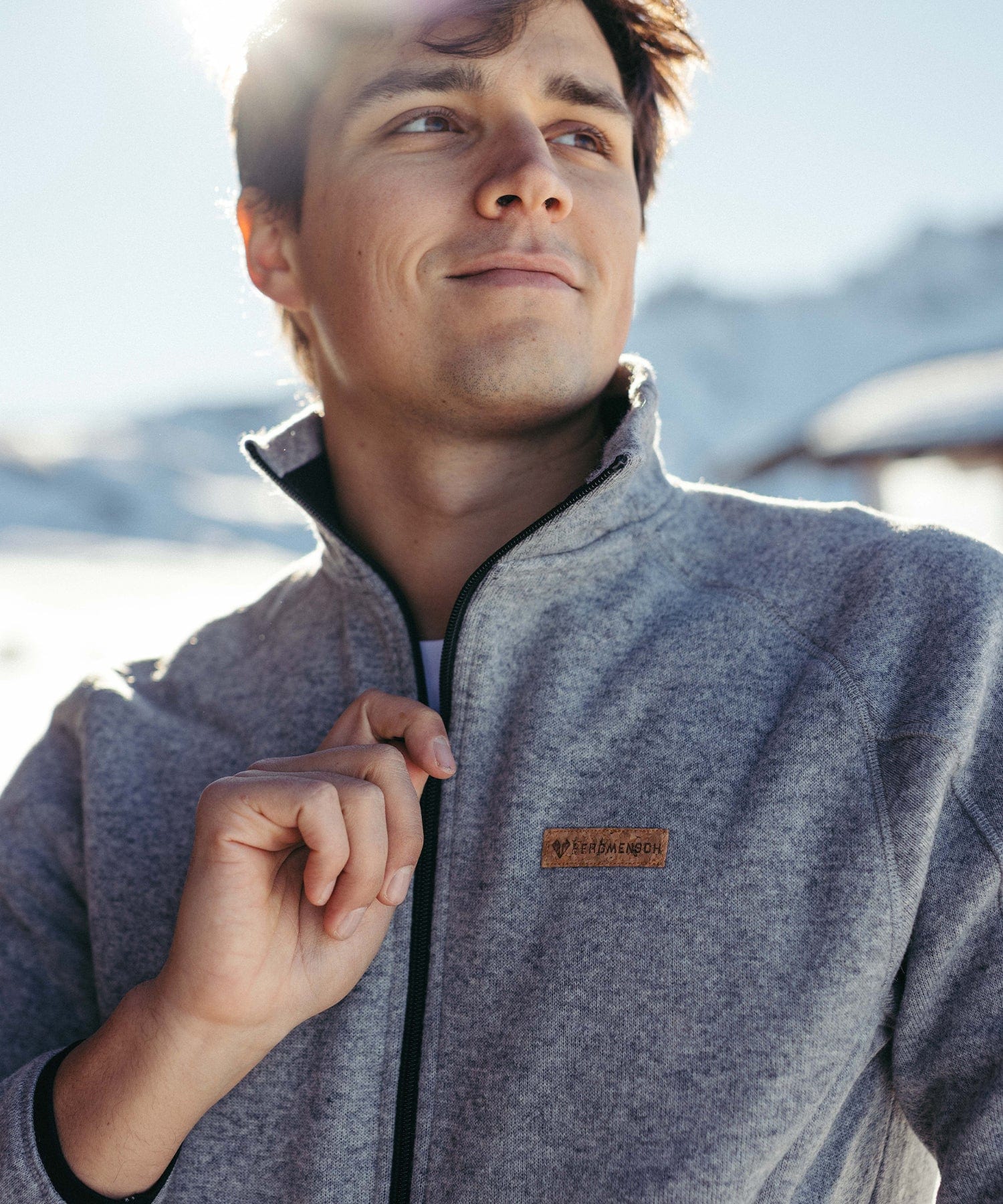


When skiing, you don't want to freeze, but you also don't want to overheat. Many swear by the layering principle for ski clothing, but what about a fleece jacket under a ski jacket? Is that a good idea or rather superfluous?
The Layering Principle for Skiers
If you don't want to freeze or overheat on the slopes, you rely on the so-called layering principle. This is not a complicated science, but a clever method of wearing clothes in several layers.
Each layer has its own task, and together they provide comfort and protection in changing conditions.
This principle is particularly important when skiing, as the body is put under different demands during skiing and during breaks.
The Importance of Three Layers
Wearing three layers is the key to success. Each layer fulfills a specific function that is coordinated with the others.
This allows you to adapt flexibly to the outside temperature and your own physical activity. If it gets colder, all layers stay on.
If it gets warmer or you move more, you can simply take off a layer. This prevents you from sweating too much or getting too cold.
-
Base Layer: Wicks moisture away from the body.
-
Mid-Layer (Insulation Layer): Retains body heat.
-
Outer Layer (Weather Protection Layer): Protects against wind and moisture.
Function of the Individual Clothing Layers
The bottom layer, also known as the base layer, is responsible for wicking sweat away from the body. It should therefore be quick-drying and breathable. Cotton is an absolute no-go here, as it retains moisture and you cool down quickly.
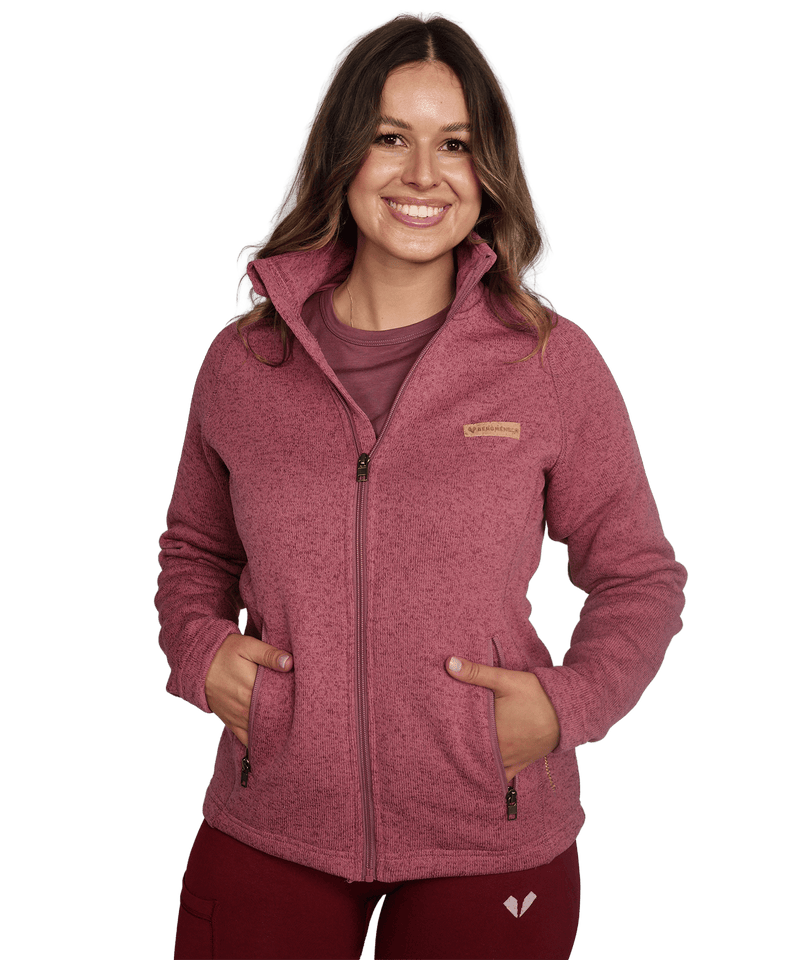
The mid-layer, often a fleece jacket, serves as an insulator. It traps body heat and keeps you warm.
The outermost layer, the ski jacket, is your shield against wind, snow, and rain. It must be waterproof and windproof, but also breathable so that moisture can escape from the inside out.
Adaptation to Weather and Activity
The beauty of the layering principle is its flexibility. On a cold, windy day with little movement, you might need all three layers and a thicker insulation layer.
On a sunny spring day with lots of action, a thin base layer and a light ski jacket might be enough. It is important to adapt your clothing to the respective conditions.
Those who sweat a lot should pay attention to breathable materials. Those who get cold quickly should choose warmer insulation layers. This way, you stay comfortable on the slopes all day long.
Proper layering of clothing is crucial to staying warm, dry, and mobile while skiing. Each layer has its own important role to play in the overall system.
The Role of the Fleece Jacket as a Mid-Layer
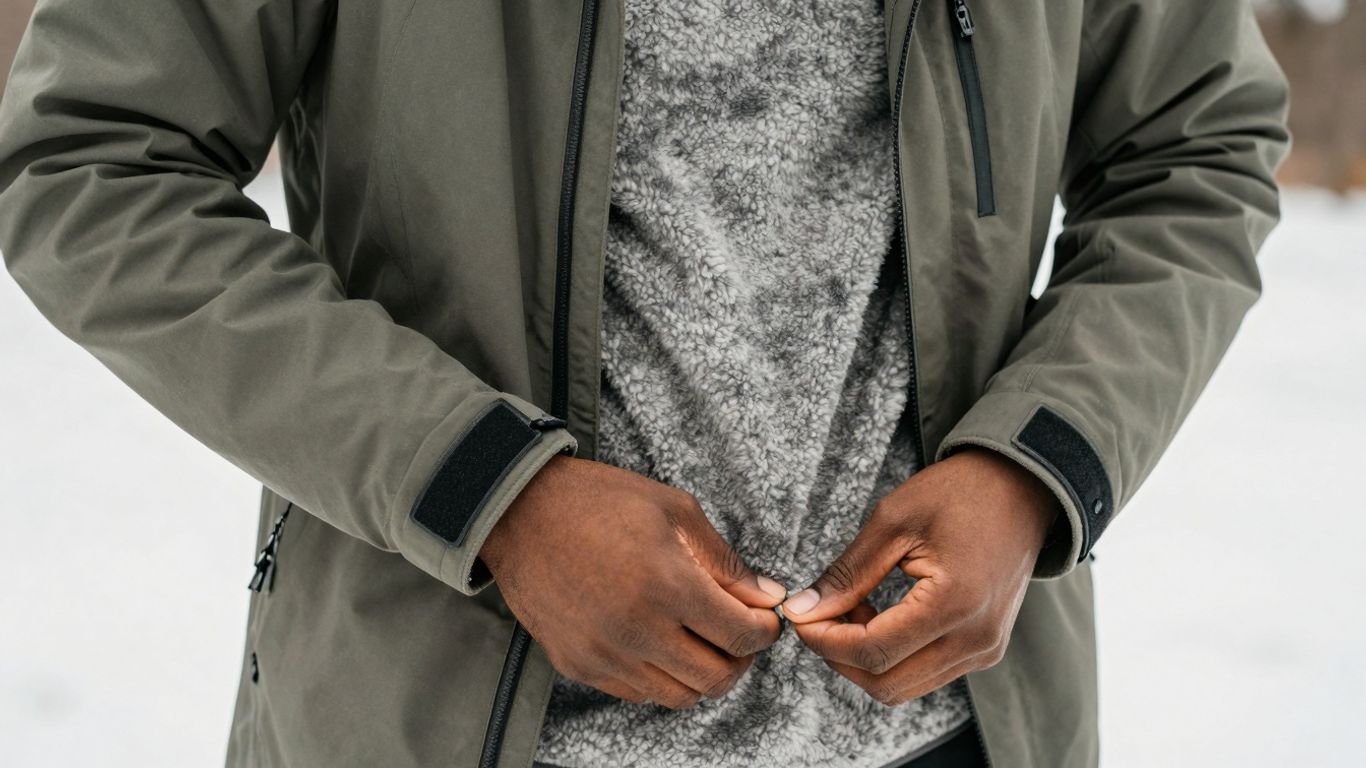
Insulation against Cold
The fleece jacket plays an important role as a mid-layer when it comes to keeping you warm on the slopes. Its main task is insulation.
It traps body heat and prevents it from escaping to the outside. This is particularly important on cold days or when you take a break and your body temperature drops. A well-insulating mid-layer ensures that you feel comfortable even at low temperatures.
Breathability and Moisture Transport
In addition to thermal insulation, the breathability of the fleece jacket is crucial. As you move, your body produces moisture in the form of sweat. The mid-layer must be able to absorb this sweat from your base layer and transport it outwards.
This keeps you dry, even when you exert yourself. If the moisture is not wicked away, it can accumulate and cause you to cool down. This is exactly what you want to avoid when skiing.
Materials for the Mid-Layer
Various materials are suitable for the mid-layer, with fleece being the most popular. Fleece is lightweight, warm, and dries quickly. However, there are also other options. Synthetic materials such as polyester are also good insulators and dry quickly. Some skiers also use thin down jackets or vests as an intermediate layer. It is important that the material retains heat and at the same time allows moisture to escape. The thickness of the fleece jacket can be varied depending on the weather and personal sensitivity to cold.
-
Fleece: Provides good warmth at low weight and dries quickly.
-
Synthetics (polyester, polyamide): Similar properties to fleece, often more robust.
-
Down/synthetic filling: Very good insulation, but more sensitive to moisture and dries slower.
Adaptation to Weather and Activity
The flexibility of the fleece jacket as an intermediate layer is a great advantage. You can easily adapt it to changing weather conditions or your activity level. If it gets colder or you take a break, simply put on the fleece jacket.
If you warm up during the ascent, you can perhaps take it off. This adaptability makes the layering principle so effective. It allows you to regulate your body temperature precisely and avoid overheating or cooling down.
The Ski Jacket as the Outer Protective Layer
The ski jacket forms the outermost barrier against the elements. Its main task is to protect you from wind and moisture so that the underlying layers can retain their insulating function. A good ski jacket is therefore waterproof and windproof.
Waterproofing and Wind Protection
Mountain weather can change quickly. Snow, rain or strong winds can quickly spoil your mood if your clothes can't keep up. That's why it's important that the ski jacket reliably keeps you dry. Materials with membranes like Gore-Tex or similar technologies are often the first choice here. They allow water vapor to escape from the inside out, but at the same time keep rain and snow out. This is crucial so that you don't get cold.
Insulating Properties of the Outer Jacket
Some ski jackets already have an integrated insulation layer. This can be a thin layer of synthetic fibers or down. This additional warmth is particularly advantageous on very cold days or with little physical activity.
With a pure hardshell jacket, i.e., a jacket without its own filling, you rely entirely on the insulating effect of the underlying layers, such as a fleece jacket. This offers more flexibility, as you can adjust the insulation strength as needed.
Functions of a Good Ski Jacket
In addition to pure weather protection, modern ski jackets offer many other useful features. These include:
-
Adjustable hood: Protects the head from wind and snow and can be easily adjusted to a helmet.
-
Snow skirt: An integrated waistband at the bottom of the jacket prevents snow from entering the jacket from below.
-
Ventilation zippers: Located under the arms or on the sides, they allow for quick regulation of body temperature during exertion.
-
Pockets: Practical pockets for mobile phone, ski pass (often on the sleeve), ski goggles and other small items are essential.
-
Safety precautions A small, passive safety system that can facilitate localization in the event of an avalanche can save lives
Combination of Fleece Jacket and Ski Jacket

Advantages of the Combination
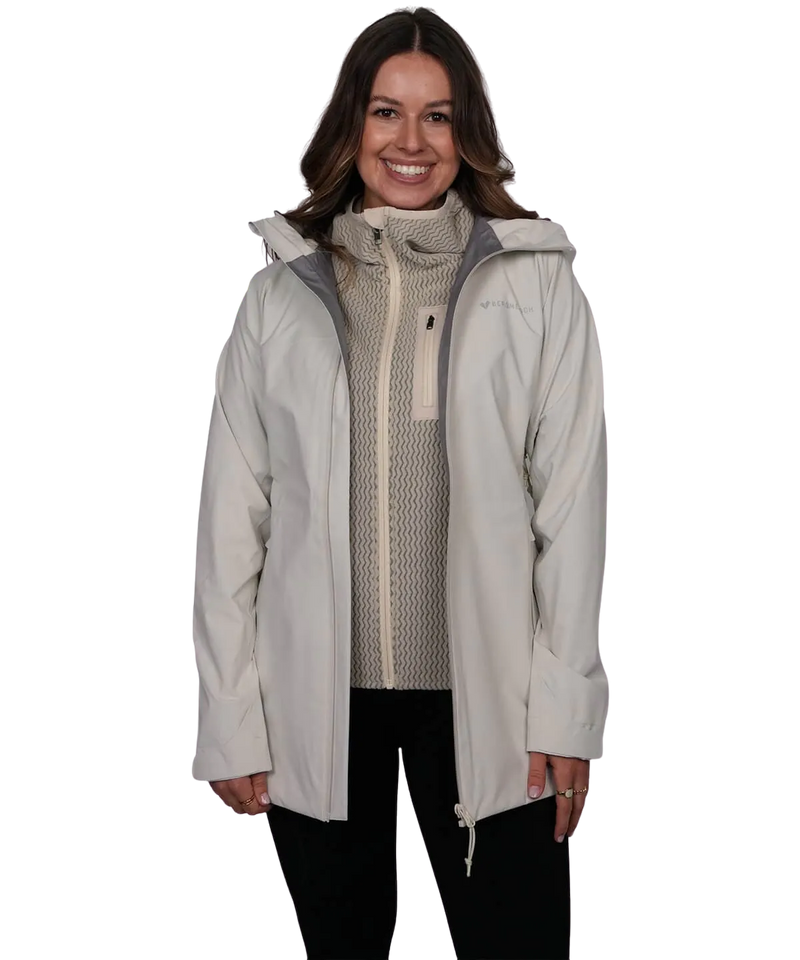
Combining a fleece jacket with a ski jacket is a great idea, especially if you want to stay flexible. The layering principle simply makes sense here.
You can easily react to changing weather. On a mild day, a ski jacket with a thin fleece layer might be enough.
But if it gets really cold, you simply wear a thicker fleece jacket underneath. This keeps you warm without feeling restricted. In addition, fleece is super breathable, which is important so that you don't get wet from the inside when you exert yourself.
When is a Fleece Jacket Under a Ski Jacket Useful?
A fleece jacket under a ski jacket is always a good idea if you want to regulate the temperature well. This is the case, for example, when ski touring. On the ascent, you might only need a thin layer, but it quickly gets colder for the descent.

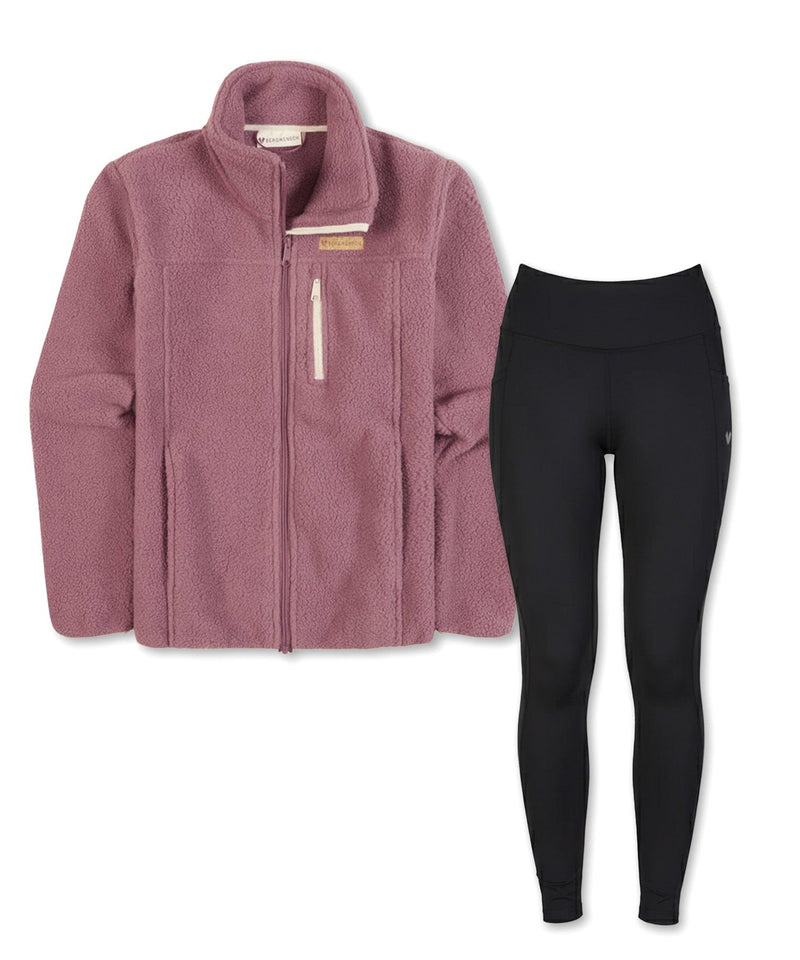
Wundervolle Sherpa Fleece Jacken | Praktisch und stylish!
Hier geht es zu unseren Sherpa Fleece Highlights
Then you simply put on the fleece jacket. Even if you know that the weather could change, this combination is practical. You are prepared for everything. Even if you only spend one day on the slopes, but the temperatures fluctuate greatly, this is a good solution.
Remember that a good ski jacket is often a hardshell that provides little insulation itself. It protects you from wind and moisture, but you have to bring the warmth yourself – and that's where the fleece jacket comes in.
Also interesting: The perfect clothing for a hut tour
Choosing the Right Combination
When choosing the right fleece jacket, you should pay attention to the material. Fleece is not just fleece. There are thinner and thicker variants. Thicker fleece layers are more suitable for winter.
Choose breathable material. Synthetic fibers are often a good choice here. For the ski jacket itself, it depends on what you plan to do.
A pure hardshell jacket is the most flexible because you can determine the insulation underneath yourself. If you have a jacket with integrated insulation, you need to see how warm it is. Sometimes a thinner mid-layer or none at all is enough. The combination should not be too tight.
You need freedom of movement. Clothing that is too tight can hinder blood circulation and make you feel colder faster. So it's better to choose one size larger if you are unsure.
The right combination of fleece jacket and ski jacket allows you to quickly adapt to changing conditions while staying warm and dry. The key is to make the insulation layer flexible so that you neither overheat nor freeze.
Practical Tips for Ski Clothing
Avoid Cotton
When choosing the right clothing for skiing, it is important to avoid certain materials. Cotton is the biggest enemy here. It absorbs moisture, dries slowly, and cools the body. This is particularly unpleasant when you start to sweat. Functional underwear made of synthetic materials or merino wool is much more suitable. It wicks sweat away from the body and keeps you dry and warm.
Quality over Quantity
It's worth investing in good ski clothing. Cheap clothing often doesn't last long and has poor zippers or seams. High-quality materials and good workmanship ensure that the clothing continues to function well even after many runs. A good ski jacket or ski pants can last for many years, especially if you opt for timeless designs that don't go out of fashion quickly.
Budget-Friendly Options
Good ski clothing doesn't always have to be expensive. There are various ways to save money. You can look for sales or borrow clothes from friends. Often, you already have suitable items in your own wardrobe. Old fleece jackets or thermal underwear from camping trips can be well suited for après-ski or as an additional layer. Water-repellent impregnating spray can also breathe new life into an existing winter coat.
Shoes are Crucial
The right footwear is essential for a winter vacation. Icy conditions and snow quickly make normal shoes unsuitable. Waterproof shoes with good tread provide grip and prevent slipping. For the evening in the chalet, comfortable slippers or thick socks are a treat after a day in stiff ski boots.
Thinking in Layers
The layering principle is invaluable when skiing. Several thin layers can be better adapted to changing temperatures and your own activity level than one thick jacket. This way, you can quickly add or remove layers when it gets too warm or too cold. The combination of a base layer, an insulating mid-layer like a fleece jacket, and a weatherproof outer layer is ideal.
Conclusion: Fleece Jacket Under Ski Jacket – Yes or No?
So, what do we learn from this? A fleece jacket under a ski jacket is definitely not a bad idea, especially when it's really cold. It's like an extra cozy layer that keeps us warm. But you also have to be careful not to sweat too much. If the sun is shining and it's not that cold, less might be enough.
The most important thing is that you feel comfortable and don't freeze. With the layering principle, i.e., several layers, you are always well equipped. This way, you can adapt when the weather changes or you move more. At the end of the day, what counts is that you can enjoy the day on the slopes without having to worry about your clothes.
Frequently Asked Questions
Why should I wear several layers of clothing when skiing?
Wearing multiple layers is like the onion principle for your body. Each layer has a purpose: The bottom layer keeps you dry, the middle layer warms you, and the top layer protects you from wind and wetness. This way, you can adapt perfectly to the weather and always stay comfortably warm and dry.
Is a fleece jacket really good under a ski jacket?
Yes, absolutely! A fleece jacket is perfect as a middle layer. It's warm, but also breathable, meaning it lets your sweat escape while still keeping you warm. Imagine it like a cozy but smart blanket for your upper body.
Are Sherpa fleece jackets suitable as a mid-layer under a ski jacket?
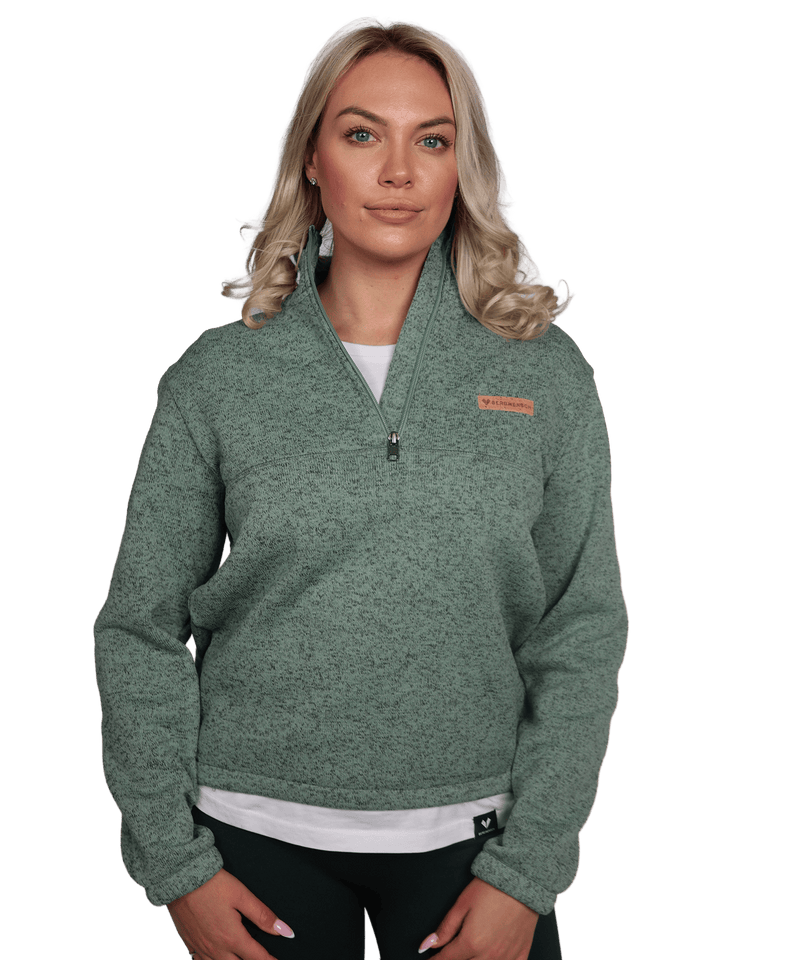
Yes – Sherpa fleece is generally well-suited as a mid-layer for skiing because its thick, fluffy structure stores a lot of warmth, is soft and comfortable, and wicks moisture away from the skin.
However, it is not particularly windproof and can be bulky, which is why it should always be combined with a wind and waterproof outer layer (ski jacket).
For very intense tours or heavy sweating, more technical, lighter mid-layer materials (e.g., stretch or grid fleece) may work better as they dry faster and offer more breathability.
For cold, dry days or cozy breaks at the lift, Sherpa fleece is a good choice as a warm mid-layer.
What is the most important thing about a good ski jacket?
A good ski jacket must above all protect you from wind and wetness, i.e., be waterproof and windproof. At the same time, it should also allow air to pass through so that you don't sweat too much. Many good jackets also have extra pockets for your phone or ski pass and a hood that protects you well.
When is it best to wear a fleece jacket under my ski jacket?
A fleece jacket is great when it's really cold or if you know you might sweat a lot. On mild days, a thinner shirt might be enough. But if you want to play it safe and it gets chilly, the fleece jacket is a great addition to your ski jacket.
What materials should I rather avoid for ski clothing?
Very important: Avoid clothing made of cotton! Cotton absorbs sweat like a sponge, then gets wet and quickly cools you down. This is really uncomfortable on the slopes. Instead, opt for functional materials that dry quickly and are breathable.
Can I also buy inexpensive clothing for my ski vacation?
Sure, there are ways to save money! Look for sales or check out cheaper brands. Sometimes you can also buy well-preserved used items. It's important that the clothing fits well and fulfills the most important functions like waterproofing, even if it's not the most expensive model.









Share:
Packing list for your hut-to-hut hike | This is how you'll be perfectly prepared!
3-Day Hut-to-Hut Hike for Beginners – Your Introduction to Mountain Adventures