



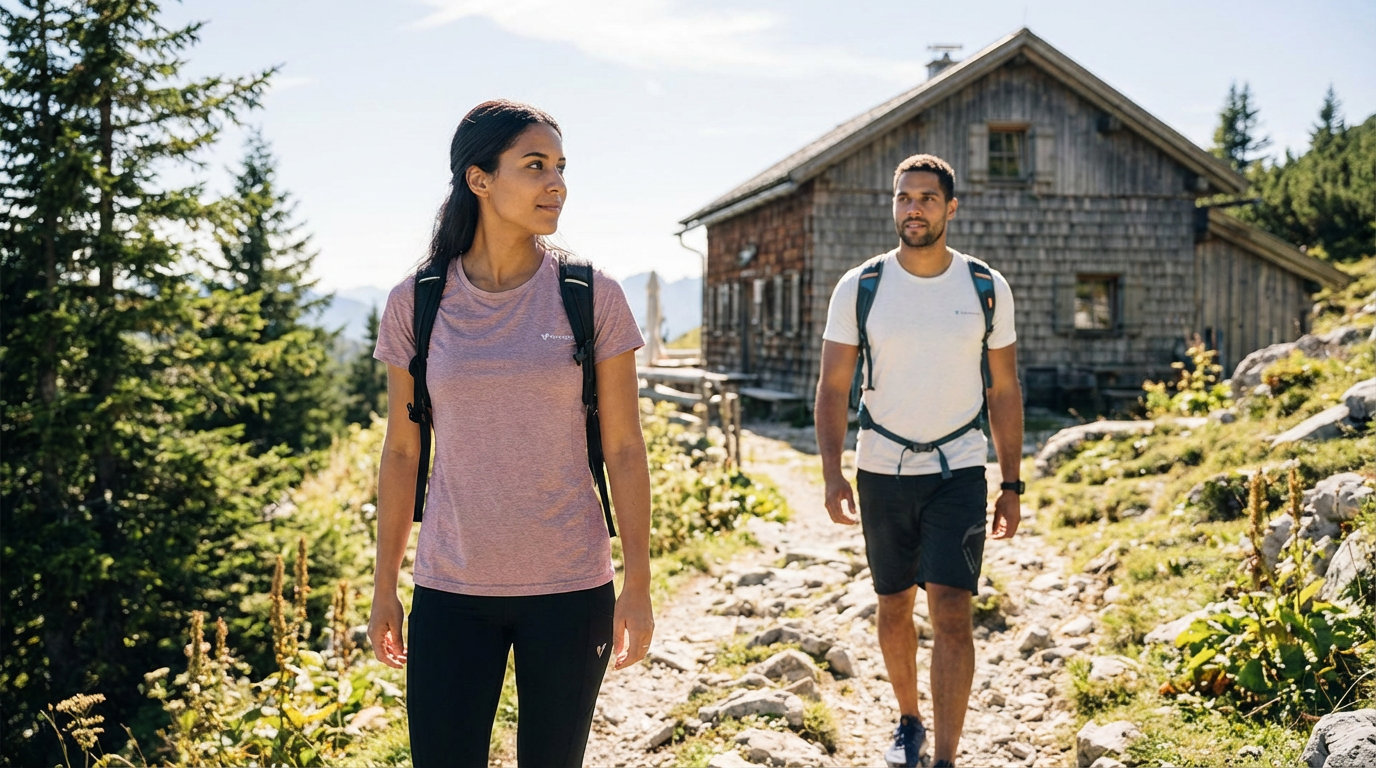


Are you planning a hut-to-hut tour and wondering what to pack in your backpack? Don't worry, many people do! A good hut-to-hut packing list is essential so that you have everything you need on the go, but also don't carry unnecessary weight. We've put together what should be on such a list so you can focus on the essentials: the mountain experience!
Hut-to-hut packing list 1–7 days – What you should plan for depending on the tour duration

A well-thought-out packing list for your hut-to-hut tour is crucial, whether you're only out for 1 day or planning a 7-day multi-day tour in the Alps.
-
For a 1-day hut-to-hut tour, a small backpack with a water bottle, snack, rain jacket, and sun protection is usually sufficient.
-
For a 2 to 3-day hut hike, you'll already need change of clothes, a hut sleeping bag, and basic toiletries.
-
For a 4 or 5-day hut-to-hut tour, you should also bring spare socks, a power bank, blister plasters, and sufficient provisions for the journey.
-
For a 6 or 7-day multi-day tour over mountain huts, additional insulation layers, more underwear, and reliable weather protection clothing become particularly important.
The right packing list for a hut-to-hut tour of 1 to 7 days not only helps you save weight but also ensures safety, comfort, and optimal preparation for hiking in the mountains – whether it's a pleasure hike, an Alpine crossing, or a challenging high-altitude route.
Basic equipment for the hut-to-hut tour
The right backpack
Choosing the right backpack is crucial for a pleasant hut-to-hut tour. A volume of about 30 to 35 liters is usually sufficient. It is important that the backpack fits well and distributes the weight evenly. An integrated or separate rain cover protects the contents from moisture. Pay attention to easily accessible outer pockets for things you often need on the go, such as a water bottle or map.
Important documents and finances
Always take your ID card or passport with you. The Alpine Club membership card can also be useful if you are a member.
Money in huts is often only payable in cash, so pack enough cash.
An EC or credit card can serve as a reserve, but don't rely solely on it. Inform yourself in advance about payment options at the huts on your route.
Orientation and technology
A topographical map of the region is essential. A compass or a GPS device (or a corresponding app on your phone) helps with orientation, especially if visibility is poor. Remember to fully charge your phone and take a power bank with you if you need power on the go. A headlamp with spare batteries is also important if you arrive in the dark or set off early.
Clothing for on the go and the hut
The right clothing for a day on the hut is crucial for comfort and performance.
Functional clothing for the day
It's all about feeling good, no matter what the weather is doing. The layering principle is your best friend here. It allows you to quickly adapt to changing temperatures.
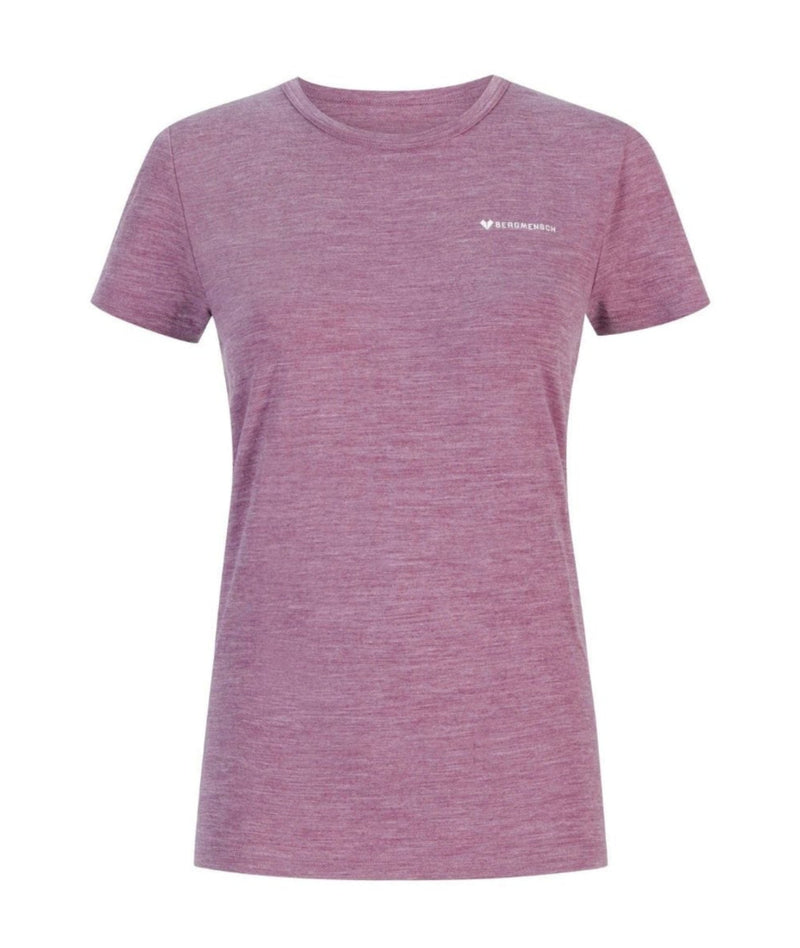
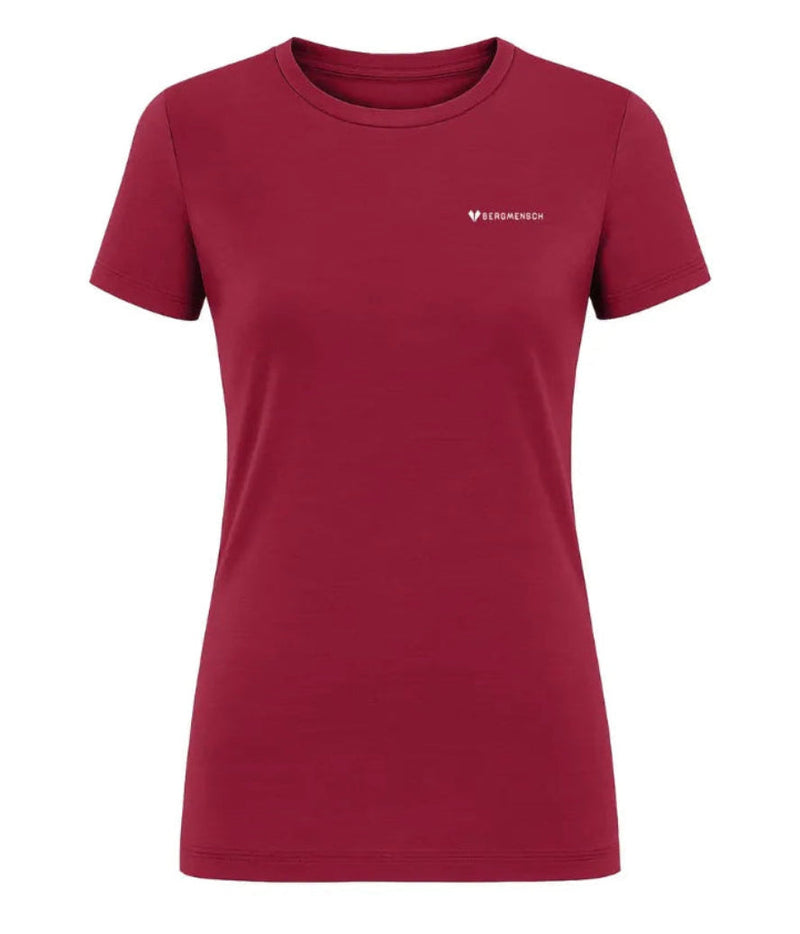
Think about a good base layer that wicks moisture away from the body. Functional underwear made of merino wool is great for this. It also keeps you warm when wet and doesn't smell as quickly. This saves space and weight because you need less to change into.
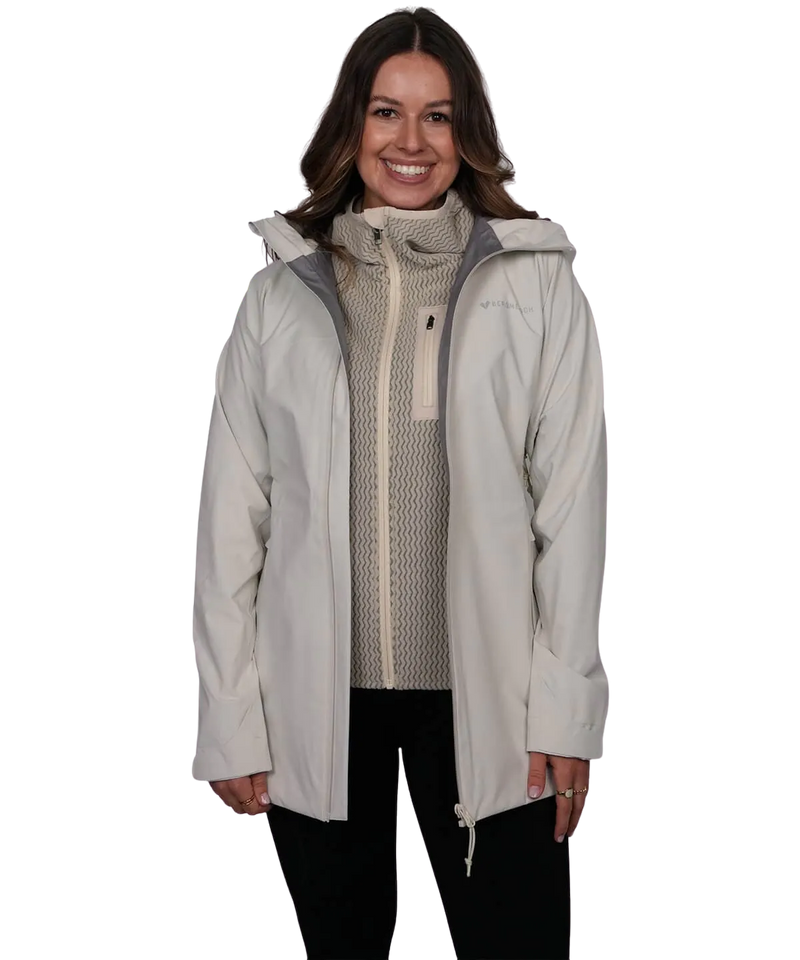
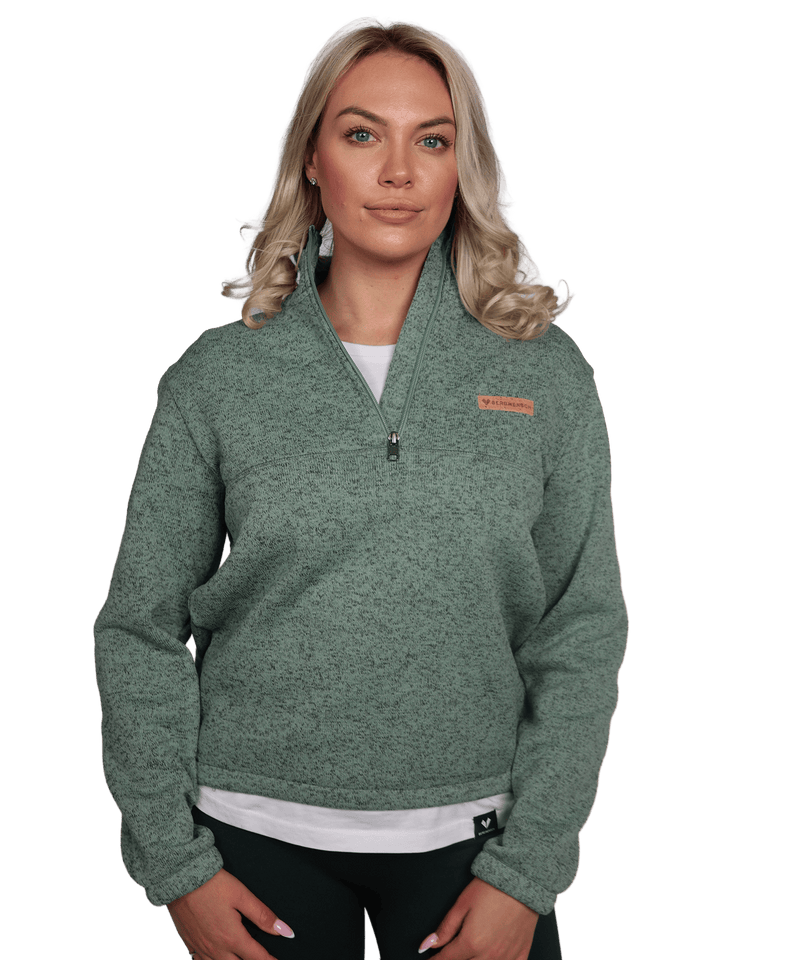
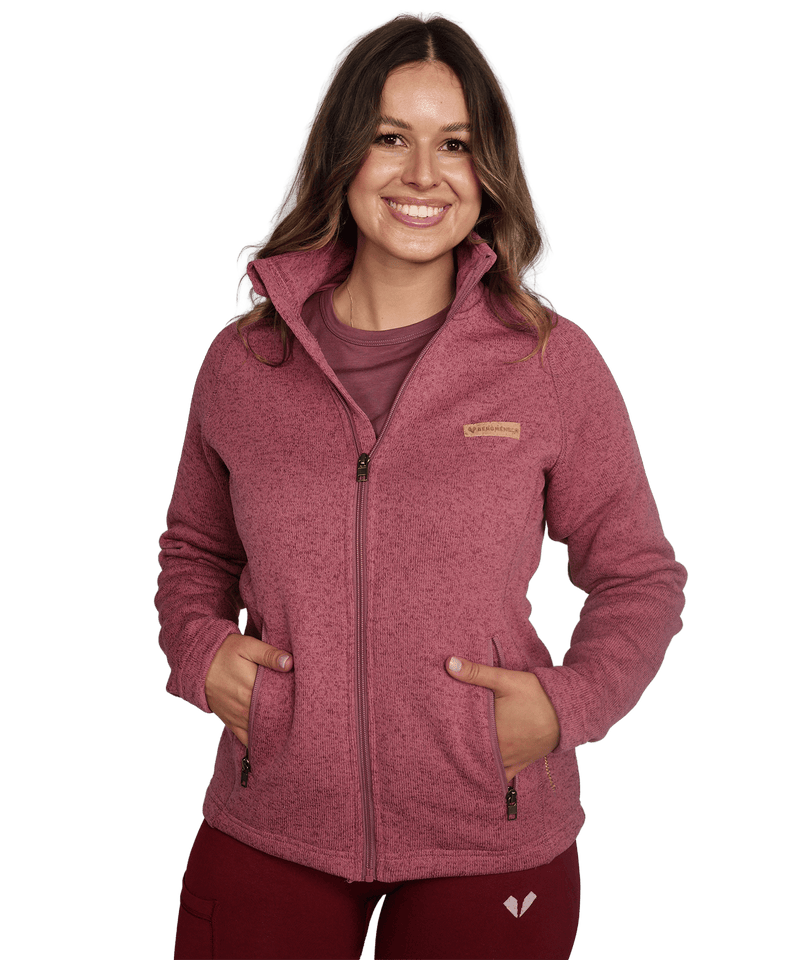
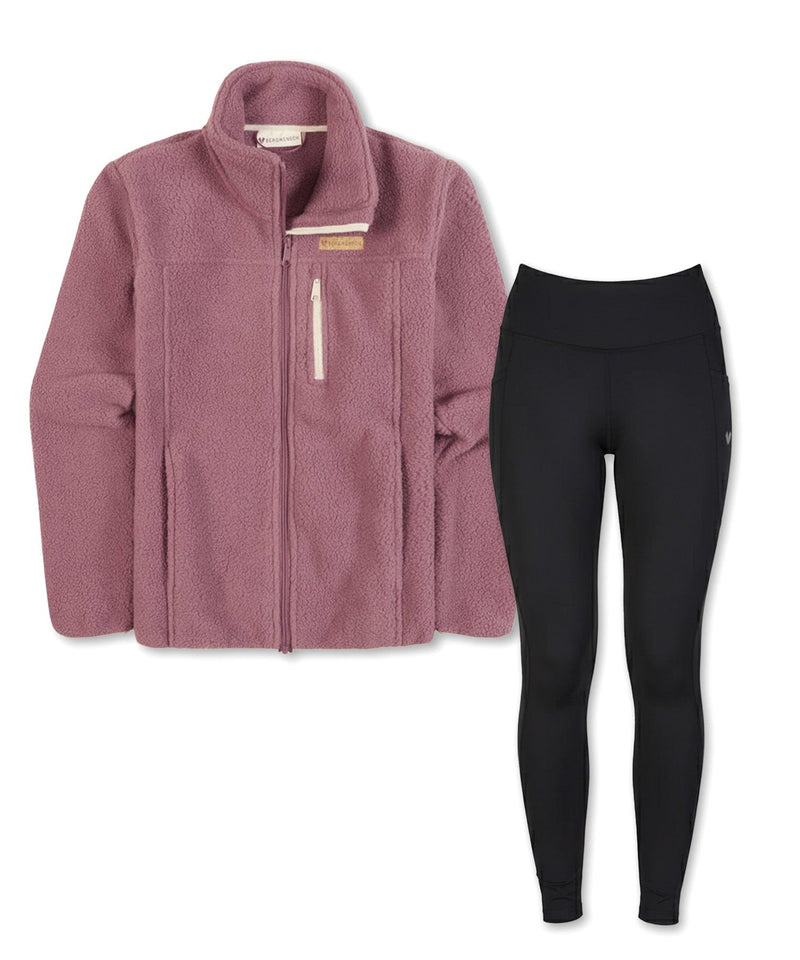
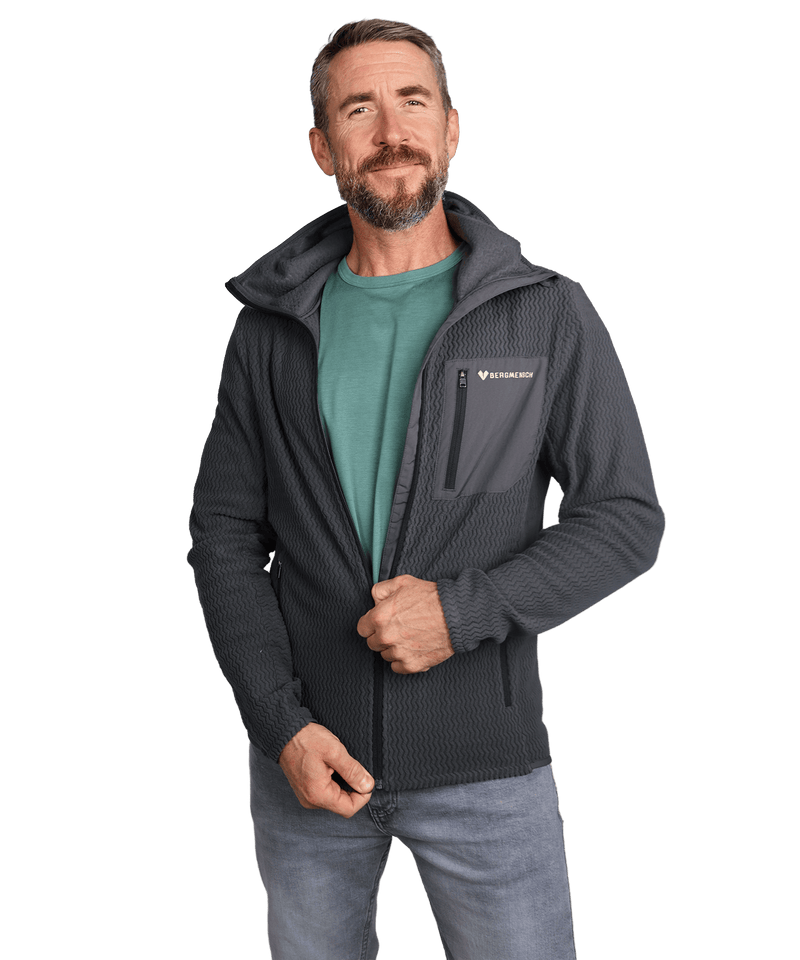
Above that comes an insulation layer. A fleece jacket or a lightweight synthetic jacket are good options here. They keep you warm when it gets colder. The outermost layer is your weather protection. A waterproof and breathable rain jacket is a must. It protects you from rain and wind. Good hiking trousers that are robust and quick-drying complete the outfit. Zip-off trousers can be practical if you want to quickly turn them into shorts.
Also read: Well prepared for the day trip
Warm layers for cool weather
When the sun goes down or you're resting on a summit, it quickly gets cold. Extra warm clothing is worth its weight in gold then. A thicker fleece jacket or a lightweight down jacket are ideal. They compress well and don't take up much space in your backpack. A warm hat and gloves are also important. Hands and head, in particular, cool down quickly. A headband or a buff can also be useful for keeping your neck warm.
Remember that temperatures in the mountains can drop quickly, even in summer. It's better to have a few extra warm pieces of clothing than to freeze. These layers are not only for the hut but also for breaks on the way or in case the weather changes. Good preparation for cooler weather increases safety and enjoyment on the tour.
Footwear and socks
The right footwear is perhaps the most important thing on a hut tour. Well-broken-in hiking boots that are suitable for the terrain are essential. They should be waterproof and provide good grip. Pay attention to the category of shoes, depending on the tour and terrain. Wet feet can quickly ruin a tour and blisters are extremely uncomfortable. Therefore, good hiking socks are also important. Packing several pairs of them is not a bad idea. They wick away moisture and cushion the foot.
-
Hiking socks: Preferably made of wool or a functional material. Bring several pairs.
-
Hiking boots: Well broken-in, waterproof and with good tread.
-
Hut shoes: Light, comfortable shoes for the hut. Crocs or light trainers are popular.
Don't forget that you often want to change shoes at the hut. Light hut shoes are therefore highly recommended. They relieve your feet after a long day and are more comfortable in the accommodation.
Clothing for hut relaxation
After a long day on your feet, you look forward to the hut. There you want to change and wear something comfortable. So pack a set of spare clothes that you only use for the hut. Comfortable trousers, such as jogging bottoms or leggings, are ideal. Plus a T-shirt or a jumper. This is not only for the evening, but also for sleeping.
Many huts have shared dormitories. It's good if you don't lie there in your sweaty hiking clothes. Your own hut sleeping bag is often compulsory and sensible for hygienic reasons. It protects you from the hut's blankets. A small towel, preferably made of microfiber, is also practical. It dries quickly and is lightweight.
Choosing the right clothing is more than just comfort. It influences your safety and well-being in the mountains. It's better to take one piece too many than too few, especially when it comes to warmth and weather protection.
Hygiene and health on the tour
On a hut tour, it is important to pay attention to your personal hygiene and health. This means taking the most important items for personal care and a small first-aid kit. Less is often more here, as every gram in the backpack counts. It is best to pack your hygiene items in small travel sizes or buy them directly in this form. This saves space and weight.
Toiletry bag and personal care
A well-stocked toiletry bag doesn't have to take up much space. Choose products that are light and take up little space. Solid soap or shower bars are a good alternative to liquid products. Solid shampoo and conditioner also save weight and are more environmentally friendly. Think of a small toothbrush and travel-size toothpaste. A small, quick-drying towel is also essential. It dries quickly and takes up hardly any space.
-
Small toothbrush and toothpaste
-
Solid shampoo and soap/shower bar
-
Small, quick-drying towel
-
Deodorant (travel size)
-
Hairbrush or comb
-
Moisturizer for hands and face
First aid kit
A small but well-equipped first aid kit is a must on every tour. It should be prepared for the most common ailments and injuries. Blister plasters are particularly important, as blisters can quickly form when hiking. Personal medication that needs to be taken regularly must also be included. A small kit with plasters, bandages, disinfectant, and pain relievers can be invaluable in an emergency.
Small injuries or discomfort can quickly affect the tour. A well-thought-out travel first-aid kit provides security.
-
Plasters in various sizes
-
Blister plasters
-
Bandages and gauze bandages
-
Disinfectant
-
Painkillers (e.g., ibuprofen, paracetamol)
-
Medication for diarrhea and nausea
-
Personal medication
Sun protection and insect repellent
Even in the mountains, the sun can be intense, especially at higher altitudes. Good sun protection is therefore important to avoid sunburn. This includes sunscreen with a high SPF, a hat or cap, and sunglasses.
Lip protection with a UV filter is also advisable. Depending on the region and season, insect repellent may also be useful to protect against mosquitoes or ticks. Look for products that are well tolerated and do not burden you additionally.
Provisions and provisions accessories
Energy for on the go
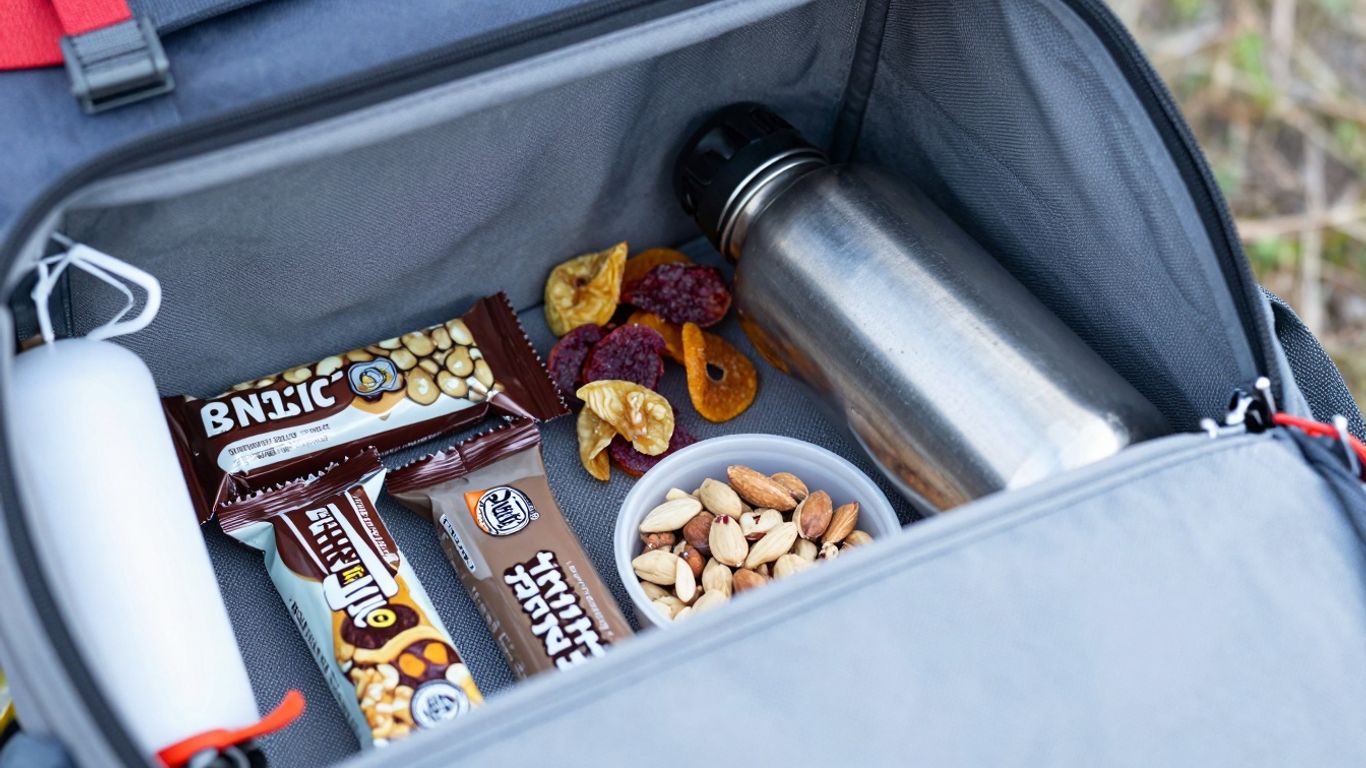
So, what kind of food do you pack when you're on a tour? Clearly, things that provide quick energy and don't take up much space. Energy bars are a classic. But nuts, dried fruit, or a bar of chocolate also do a good job. Glucose can quickly help when you're feeling low.
For lunch on the summit or on the way, a lunch box is practical for taking sandwiches or fruit. If you prefer something more hearty, you can also use trekking food specially developed for such tours.
Drinks and water treatment
Sufficient fluids are important on every tour. A water bottle with at least 1.5 liters capacity is mandatory. If you want to drink more or are on longer tours, you should consider a hydration system. This has the advantage that you can drink more easily on the go without having to stop.
If you are not sure whether the water from springs or streams is drinkable, water treatment can be useful. This can range from special filters to sterilization tablets. Tea bags or instant coffee can also be a good idea for the morning at the hut.
Kitchen utensils for the hut
Many huts offer cooking facilities, but you often have to bring your own utensils. A small pocket knife is almost always useful, whether for cutting bread or fruit.
A lighter or matches are also important if you want to cook something. A small rubbish bag should also not be missing to take your own waste back down into the valley. If you want to be on the safe side, pack a small box of salt and pepper to spice up your food.
Sometimes a small washing-up bag and a piece of biodegradable soap are also useful for cleaning dishes, if necessary.
Additional equipment for comfort and safety
Sleeping bag and sleeping accessories
A hut sleeping bag is mandatory in most huts. It ensures hygiene and often provides an additional layer of warmth. A silk or cotton liner is light and small in pack size.
Anyone who is sensitive to noise should definitely pack earplugs. A small, inflatable pillow can significantly increase sleeping comfort on the hard bunk.
Lighting and power supply
A headlamp is essential for finding your way around the hut or on the way there in the dark. Batteries or a power bank for charging are important in case your phone battery runs out. Not every hut offers sockets, so plan accordingly.
Repair and emergency equipment
Small repairs can quickly become necessary. A few safety pins, some string, or a small sewing kit are often worth their weight in gold. A multi-tool or a pocket knife is also practical. For emergencies, a rescue blanket set can't hurt; it's light and small.
Remember that shared rooms are often used in huts. Consideration and a certain degree of organization are important so that everyone feels comfortable. Small things can make a big difference here.
-
Headlamp: With spare batteries.
-
Earplugs: Against snoring or other noises.
-
Small repair kit: Needle, thread, safety pins, tape.
Special packing list for children
When the little ones go on a hut tour, a few special things are needed.
Children's clothing and shoes
The right clothing is particularly important so that children stay warm and dry. Think of several layers, because the weather in the mountains can change quickly. A good rain jacket and a warm fleece jacket are almost always a good idea. The shoes must also fit – broken-in hiking boots are a must to avoid blisters. Don't forget to pack spare shoes for the hut.
-
Weatherproof jacket and trousers
-
Warm jumpers (fleece or merino wool)
-
Several pairs of hiking socks
-
Comfortable clothes for the hut
-
Sturdy, broken-in hiking boots
-
Comfortable hut shoes or trainers
Toys and entertainment
Long tours can be exhausting for children. Small games or books can help pass the time in the hut or during breaks. A small pair of binoculars to observe animals is often a highlight. A small notebook and pens to record impressions can also be well received. Remember that weight in the backpack counts, so choose the toys wisely.
-
Card games (e.g. UNO)
-
Small books or colouring books
-
Binoculars for animal observations
-
A small cuddly toy for the night
Safety and comfort for the little ones
With children, safety comes first. A child carrier can be invaluable for smaller children when their strength wanes. Also think about sun protection for sensitive children's skin, such as a sun hat and sunscreen with high SPF.
For the night, a child's own sleeping bag is often more comfortable than a normal hut sleeping bag. And of course: enough snacks to give the little hikers energy!
When planning a hut tour with children, it is advisable to adapt the route and the daily stages to the age and stamina of the children. It is better to plan shorter stages and more breaks so that the tour is a positive experience for everyone.
-
Child carrier (if necessary)
-
Sun protection (hat, sunscreen)
-
Plenty of snacks and drinks
-
Personal medication and a small first aid kit
Conclusion: Well prepared for the next hut tour
So, that was a lot of information about what you need for a hut tour. But don't worry, you don't have to drag your whole household with you. In the end, what counts most is that you feel comfortable and are safe on the go.
With this list in mind, you are definitely well equipped for your next adventure in the mountains. Remember: less is often more, and experience on the tour teaches you the most anyway. Pack wisely and enjoy your time on the peaks and in the huts!
Frequently asked questions
How much clothing do I really need for a hut tour?
For a hut tour, two to three sets of functional clothing per week are usually sufficient. If you have the opportunity to quickly wash your clothes at the huts, you can even get by with less. Merino wool is great because it doesn't smell as quickly. Remember that you often have comfortable clothes to change into at the hut.
Which backpack is best suited for a hut tour?
For tours lasting a few days up to a week, a backpack of about 30 to 35 liters is usually perfect. If you're going to be out longer or need more gear, a larger one might work, but make sure it doesn't get too heavy. Multiple compartments help with organization.
Do I always need to carry cash on hut tours?
Yes, at most huts you can only pay with cash. So it's important to have enough money for food, drinks, and overnight stays. A small wallet or a neck pouch is practical for keeping your money safe.
What's most important for hygiene at the hut?
When staying at huts, it's important to bring space-saving hygiene products. Think of small travel sizes of shampoo, toothpaste, and deodorant. A quick-drying towel is also great. Many items like soap and shower gel are often available at the hut, but it's better to ask beforehand.
Do I need special shoes for the hut?
Besides your hiking boots, which should be well broken in, comfortable hut shoes are golden. These can be light sneakers, Crocs, or similar. This way, your feet can relax after a long day on tour, and you'll be comfortable moving around the hut.
How do I prepare for a hut tour with children?
With children, the packing list gets longer. Think of child-friendly clothing that is warm and weather-resistant. Snacks that the little ones like are also important, and perhaps a small toy or book for the hut. A child carrier can be very helpful for smaller children.








Share:
Packing List for Day Trips: What Really Belongs in Your Backpack
Fleece jacket under ski jacket - a good idea?