




With winter comes a very special atmosphere in nature. Many people think that there isn't much to photograph in winter because everything is gray and cold. But that's not true at all! Nature has a lot to offer even in the cold season, you just have to look closely. From glittering ice to snow-covered trees – there are great motifs for beautiful winter photos in nature. Today I'll show you some ideas on how to capture these moments.
Capturing the Magic of Light in Winter
Photographing During the Golden Hour
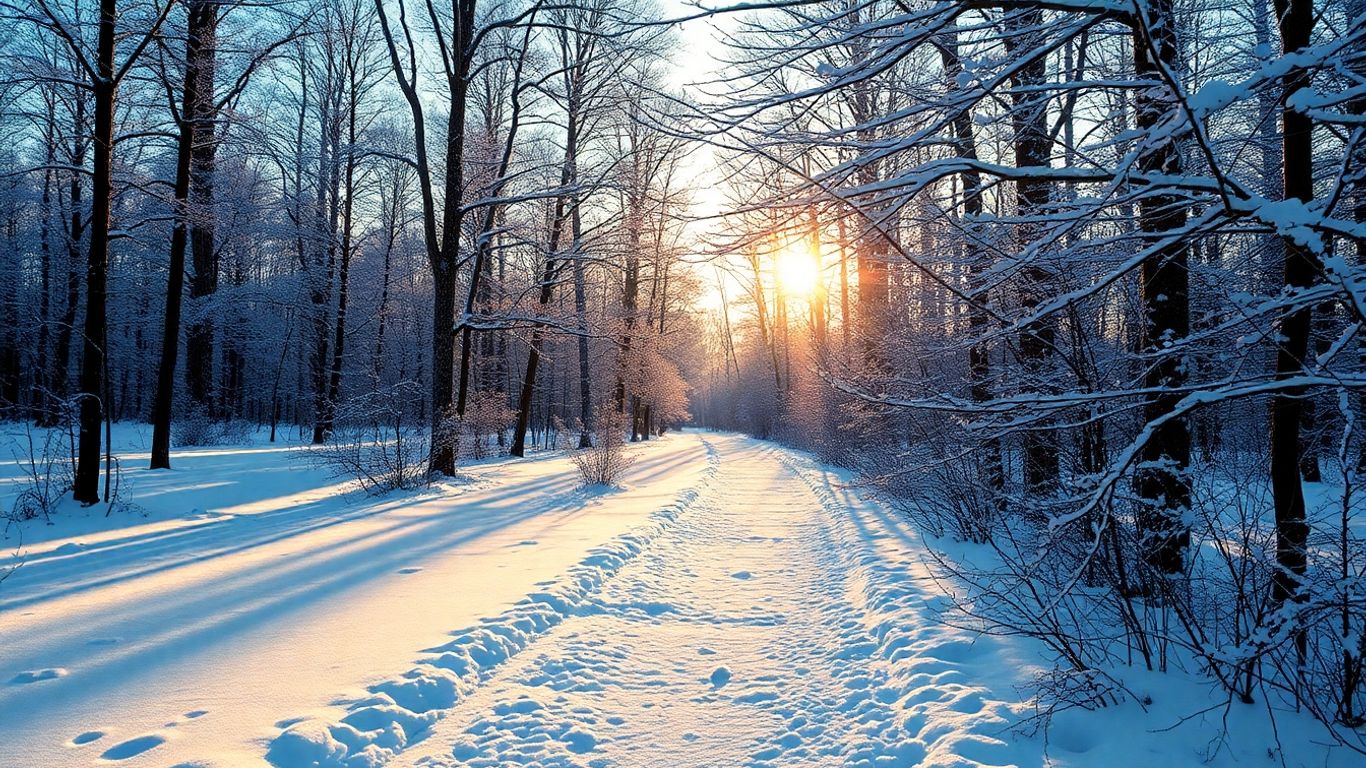
The golden hour in winter is something very special. When the sun is low on the horizon, it bathes the landscape in a warm, soft light. Long shadows stretch across the snow, lending depth and drama to the scene. Especially in winter, sunsets and sunrises can be spectacular. Use this time to immerse the winter nature in a golden light. Find an elevated position to get a good view of the horizon. The play of light and shadow is particularly appealing here.
Tip: Set the white balance to 'Cloudy' or 'Shade' to enhance the warm tones and make the rays appear more intense.
Atmospheric Pictures During the Blue Hour
After sunset or before sunrise, we experience the blue hour. The light is then subdued and has a cool, bluish tone. This time is excellent for capturing a calm and melancholic mood. The snow reflects the residual light and creates an almost surreal atmosphere. Especially in combination with the clear winter sky, very atmospheric shots can be created here. Look for silhouettes or isolated light sources that create a beautiful contrast to the blue light.
Playing with Light and Shadow
Winter light is often softer and more diffused than in summer. But that doesn't mean it's less interesting. On the contrary: precisely the low sun casts long, soft shadows that can highlight structures in the snow or on frozen surfaces. Use these shadows to give your pictures more depth and dimension. Experiment with different perspectives to optimally capture the interplay of light and shadow. Sometimes it's precisely the small details that come into their own particularly well through the light, such as hoarfrost on grasses or ice crystals on branches.
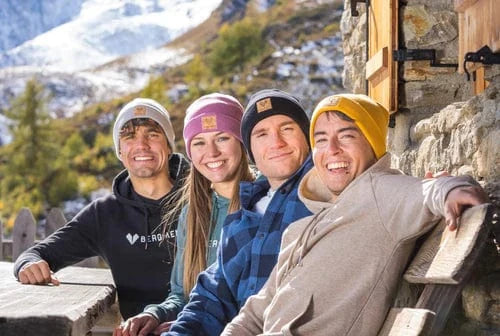
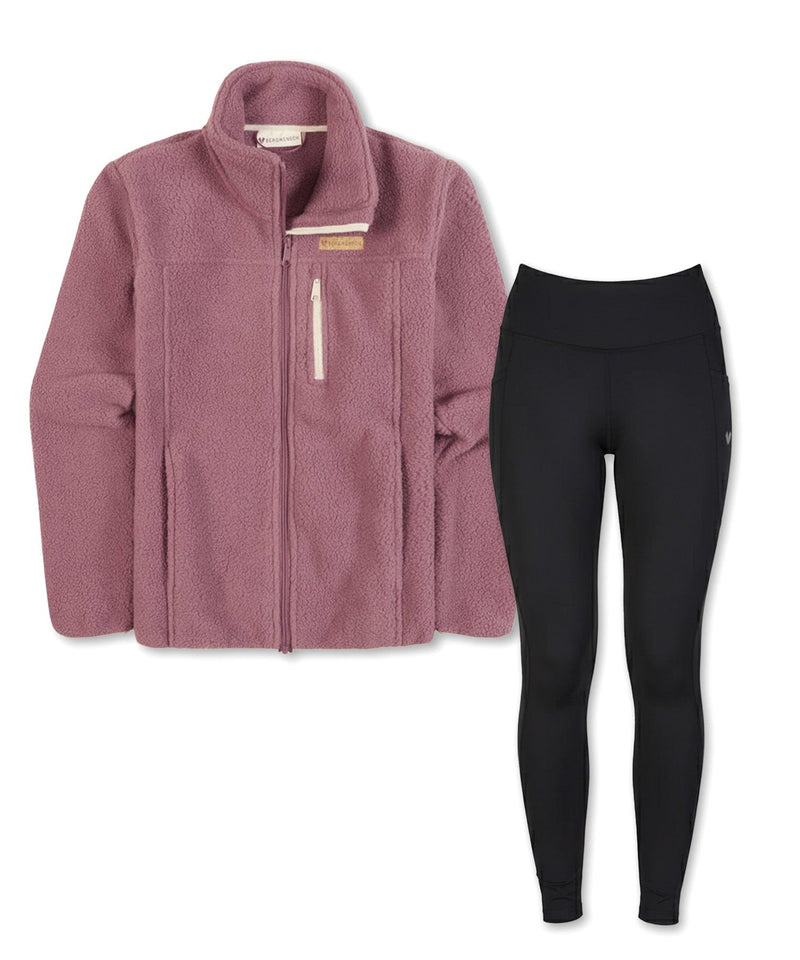
Also pay attention to the right clothing in winter: Teddy fleece and Sherpa fleece keep you warm and are a good choice for a nature lover's winter outfit.
Discovering and Designing Winter Motifs
Detail Shots of Ice and Frost
Winter often reveals hidden beauties that only become apparent upon closer inspection. Frozen surfaces, be it on lakes, rivers, or simply on grasses and branches, offer fascinating patterns and structures. Icicles hanging from eaves are like small works of art by nature. They glitter in the light and show the fine crystals they are made of. It's worth setting the camera to macro and focusing on these small details. A light mist or hoarfrost can make the scene even more magical. The texture of ice and frost is a great motif.
Staging Winter Trees
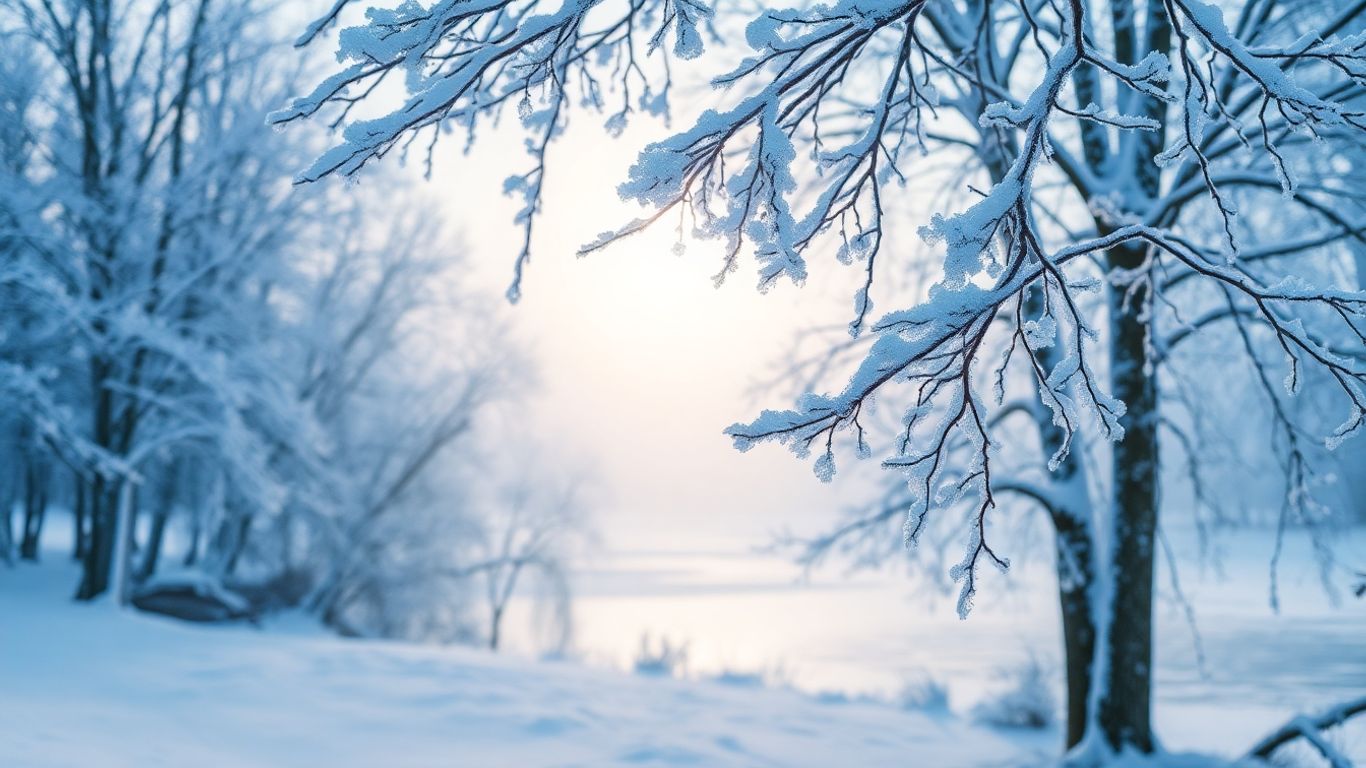
Trees in winter have their own unique charm. When covered in snow, they often look like sculptures. Particularly impressive are trees bent by the weight of the snow. A single, striking tree in a wide, snowy expanse can make a powerful image. But a whole forest, whose branches groan under the weight of the snow, also has its appeal. You can play with different perspectives to emphasize the size and majesty of the trees. Or you can look for trees with interesting shapes that come into their own even without leaves.
Solitary Motifs in the Snowy Landscape
A wide, untouched snowy landscape can be very calming. But often it's the small elements that give a picture depth and character. A single tree, an old bench, a fence post, or even just a footprint in the snow – such motifs can tell a story. They often stand in strong contrast to the vastness and emptiness of the surroundings. Light plays a big role here. On a cloudy day, the light is soft and diffused, creating a peaceful atmosphere. On a sunny day, long shadows create drama. Look for lines and shapes that stand out from the snow.
Technique and Feel for Beautiful Winter Pictures
Mindful Perception of the Surroundings
Technique is important, of course. Aperture, shutter speed, ISO – that has to be right. But what's the use of all that if you don't see the motifs? If you just walk past because you're stressed?
Take your time. Feel the cold on your face. Listen to the snow crunching under your boots. Look closely. What has changed since summer? Where are colors still hiding in the otherwise gray landscape? Maybe red berries from autumn?
Go from the large to the small. Change your perspective. Look for lines and shapes. Winter is full of minimalist motifs, if you just look closely.
Nature photography is a moment of pause. A pleasure. The rustling of the wind, the cawing of a crow – these are the moments that count.
Color Contrasts in Winter Nature
Even if winter often appears gray and white, they exist: the color contrasts. Look for them. Perhaps a few last red berries on a snow-covered branch? Or the deep green of fir branches standing out from the white?
Sometimes it's also the subtle tones. The delicate pink of the sky during the blue hour, reflected on the snow. Or the warm golden light of the low winter sun, bathing everything in a special glow.
These small splashes of color can give your pictures a whole new depth. They break the monotony and make your photo special.
Finding and Using Minimalist Motifs
Winter is made for minimalism. Less is often more. A single, bare branch fork against a white sky. The clear line of a frozen stream. Or the texture of hoarfrost on a leaf.
These simple motifs can have an incredible effect. They draw the eye to the essentials. Focus on shapes, lines, and structures.
Sometimes just a small change of perspective is enough to turn an inconspicuous motif into a strong, minimalist image. Try it out. You'll be surprised what you discover.
Dealing with Snow and Cold
Winter often brings icy temperatures. This can put equipment and personal motivation to the test. But don't worry, with a few tricks you can get through the cold season and take great pictures.
Avoiding the Blue Cast in Snow
Snow can quickly get an unsightly blue cast in photos. This often happens when the snow is in shadow and the light is reflected from the sky. To prevent this, you can adjust your camera's white balance. The "Shadow" mode often helps. However, some people also like a slight blue cast because it conveys the cold well. Just try out what you like best.
-
Set white balance to "Shadow."
-
Experiment with different settings.
-
Pay attention to the color temperature.
Choosing the Right ISO Setting
In daylight, you usually have enough light to shoot with a low ISO value. Start with ISO 100 or 200. This avoids image noise. If it's getting dark or you're shooting at sunrise or sunset, you'll need higher ISO values. A wide aperture can also help here to capture more light. But remember that the aperture also affects the depth of field.
-
Daytime: Low ISO (100-200).
-
Dusk/sunrise/sunset: Higher ISO, wide aperture.
-
Always check if your pictures are bright enough.
Protecting Equipment from Cold
Cold can quickly drain batteries. That's why it's important to always have spare batteries with you. Keep them close to your body, for example in your jacket pocket, to keep them warm. The camera itself also doesn't like rapid temperature changes. If you go from the cold into a warm room, condensation can form. The best way to prevent this is to wrap your camera in a plastic bag before going indoors. This way, the moisture only collects on the outside of the bag. Also remember to have microfiber cloths ready to quickly wipe away any moisture.
-
Carry spare batteries close to your body.
-
Protect camera from rapid temperature changes (plastic bag).
-
Keep microfiber cloths ready for moisture.
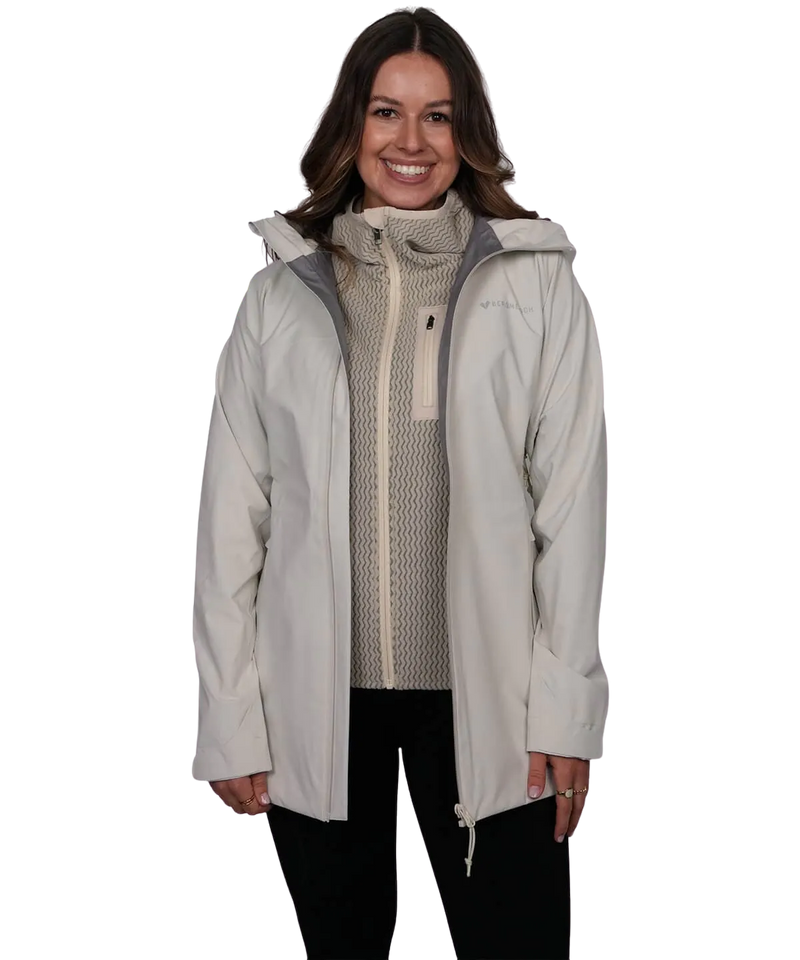
The right clothing is also crucial. Warm gloves that still give you enough feeling for the camera are worth gold. Warm pants that protect you from wetness and cold also make a big difference. This way you'll stay outside longer and can concentrate on your motifs.
Creative Techniques for Winter Photos
Framing Winter Motifs
Sometimes the key to a strong image lies in finding the motif itself and then skillfully staging it. A simple method to create depth and focus is to frame the main subject. Look for natural frames in the landscape – these can be tree branches that extend over the image, or snowdrifts that enclose a scene. To keep this frame soft and out of focus, get very close to the framing material without touching it. Choose a wide aperture, for example f/2.8 or f/4, and then focus sharply on your actual subject. This will make the foreground beautifully blurred and direct the eye to the essential.
Abstract Winter Images Through Movement
Camera movement during shooting can lead to fascinating, abstract images. This is a technique that requires some practice, but the results can be very rewarding. Choose a slightly longer shutter speed, perhaps between 1/15 and 1/4 second, depending on the lighting conditions and desired effect. While the shot is running, move the camera abruptly in one direction – for example, up, down, or sideways. The result is blurred lines and color areas that create their own unique dynamic and mood. Experiment with different directions of movement and shutter speeds to find your personal style.
Black and White Photography with Strong Contrasts
Winter often offers a reduced color palette, which makes it an ideal candidate for black and white photography. To truly impress in black and white, it is important to look for motifs with strong contrasts. Think of dark tree trunks against a snow-covered background, icy structures glittering in the light, or the clear lines of frozen watercourses. Reflections on a calm water surface can also be very impressive in black and white. Pay attention to the shapes and textures created by the interplay of light and shadow. Images with a lot of white space can wonderfully emphasize the stillness and tranquility of the winter landscape. Another possibility is to combine a static element with a moving one to create more dynamism. Here, a longer exposure time that captures movement can create an exciting contrast to the calm foreground.
Capturing Winter Wildlife and Plants
Birds in a Winter Environment
Winter is a great time to photograph birds. Many parks are good places for this. Birds there are often used to people. You don't need long lenses. You can see waterfowl like ducks and swans well at ponds. If you feed them, they come very close.
Sometimes there are also special bird species in cities. The colorful Mandarin Duck or geese are beautiful motifs. Herons often wait for food near anglers. They are hardly afraid of people.
If you have a garden, you can set up a bird feeder. With a little preparation, you can get great pictures of titmice, finches, and woodpeckers. Make sure the feeding stations look natural.
Tip: Use the gray sky to make birds stand out well. This can give the birds a special touch.
Plants and Buds in the Snow
Plants covered in snow often look fascinating. The contrast between green leaves and white snow is strong. Such pictures often arise during sudden weather changes.
Icicles are also great motifs. They look like works of art up close. Try different angles. Use your camera's portrait function to blur the background. This highlights the structures in the ice.
Pay attention to the small details. Often it's the inconspicuous plants that look particularly beautiful in the snow.
Animals in their Winter Environment
Other animals besides birds are also interesting photo motifs in winter. Horses that are outside all year round are often good to photograph. Huskies are also very photogenic and feel comfortable in winter.
If you want to photograph animals in the wild, be patient. Animals are often more cautious in winter. Without leaves, they are easier to see, but you are also more visible to them.
Try to capture the animals in their natural environment. This makes the pictures more authentic. Remember that nature has its own rules. Sometimes the animals are not where you expect them to be.
Conclusion: Capturing the Magic of Winter
So, those were a lot of tips for winter photography. I hope you were able to take away some good ideas to capture the cold season yourself. Remember, it's not just about the technique, but also about truly perceiving nature. Take your time, look closely, and you'll see how many great motifs winter has to offer, even if it's just a few frozen berries. And when you come home after a long day with cold fingers and look at the pictures, you'll know why it's worth the effort. Have fun photographing!
Frequently Asked Questions
When is the best time to take winter photos?
The best time for winter photos is often the 'golden hour' shortly after sunrise or before sunset. The light is then soft and warm, making the snow look great. The 'blue hour' shortly after sunset can also be very atmospheric, when the sky still has some color and the first lights come on.
How do I avoid snow looking blue in my photos?
Snow can look blue if it's in shadow and reflects the blue sky light. To prevent this, you can set your camera's white balance to 'Shade' or 'Cloudy'. This makes the colors warmer. But sometimes a slight blue cast is also nice because it effectively conveys the cold.
What camera settings are good for snow?
In bright daylight with snow, you can usually use a low ISO value (like 100 or 200). Make sure your pictures are bright enough. If it's dim, you might need a higher ISO value or a wider aperture to let more light hit the sensor.
What motifs are particularly good for photographing in winter?
There are many great motifs in winter! Think of frozen ice flowers on windows, trees covered in snow, or lonely landscapes. Animals like birds in the snow or plants with hoarfrost are also exciting motifs. Play with light and shadow to create interesting effects.
How do I protect my camera in winter?
When you go from indoors to outdoors with your camera, leave it in your backpack for a while so it can slowly get used to the cold. This prevents it from fogging up. Always take a clean cloth with you to wipe the lens if it gets wet.
Can I take beautiful winter photos even without snow?
Yes, of course! Even without snow, there's a lot to discover in winter. Focus on the special lighting conditions, the clear air, or the structures of bare trees and rocks. Black and white photography can also work very well without snow, especially if you have strong contrasts or quiet, white areas.











Share:
Practical gift ideas for hikers!
Practical gift ideas for hikers!