





Avoiding Sweating While Hiking
⏱ Reading time: approx. 11 min.
A sweaty shirt clings uncomfortably to the skin, the forehead glistens, and clothes feel heavy – many hikers know this scenario all too well. But especially when hiking, where the body works continuously, excessive sweating can spoil the enjoyment of nature and even lead to health problems.
No one wants to feel uncomfortable on a long hike. Proper preparation and equipment are crucial to minimize fluid loss and maintain a pleasant body climate. It's not about completely stopping sweating, but about managing it intelligently.
This article shows you how to significantly reduce sweating while hiking with targeted measures. You will learn which materials really help, how to optimize your equipment, and which strategies will help you achieve more comfort on the trail.
To effectively avoid sweating while hiking, a combination of breathable functional clothing, adapted equipment, and a conscious hiking strategy is crucial. This includes the layering principle, choosing lightweight materials, and good hydration to keep the body cool.
In a nutshell
- Breathable functional clothing is essential for moisture wicking.
- The layering principle optimally regulates body temperature in changing weather.
- Lightweight backpacks and the right hydration strategy minimize sweat production.
- Shady breaks and an adjusted walking pace reduce strain.
Which clothes keep you dry on the trail?
Choosing the right clothing is the foundation for preventing excessive sweating while hiking. Cotton is the biggest enemy here, as it absorbs sweat and dries extremely slowly, which can lead to chilling. Instead, opt for modern functional materials.
Synthetic fibers like polyester or polyamide are true marvels. They quickly wick moisture away from the skin and evaporate it on the surface. This keeps you dry and prevents an unpleasant feeling of cold, especially in wind or falling temperatures.


The layering principle: layer by layer to a comfortable climate
The so-called layering principle is a proven method for flexibly regulating body temperature. It consists of several thin layers that you can put on or take off depending on the weather and exertion.
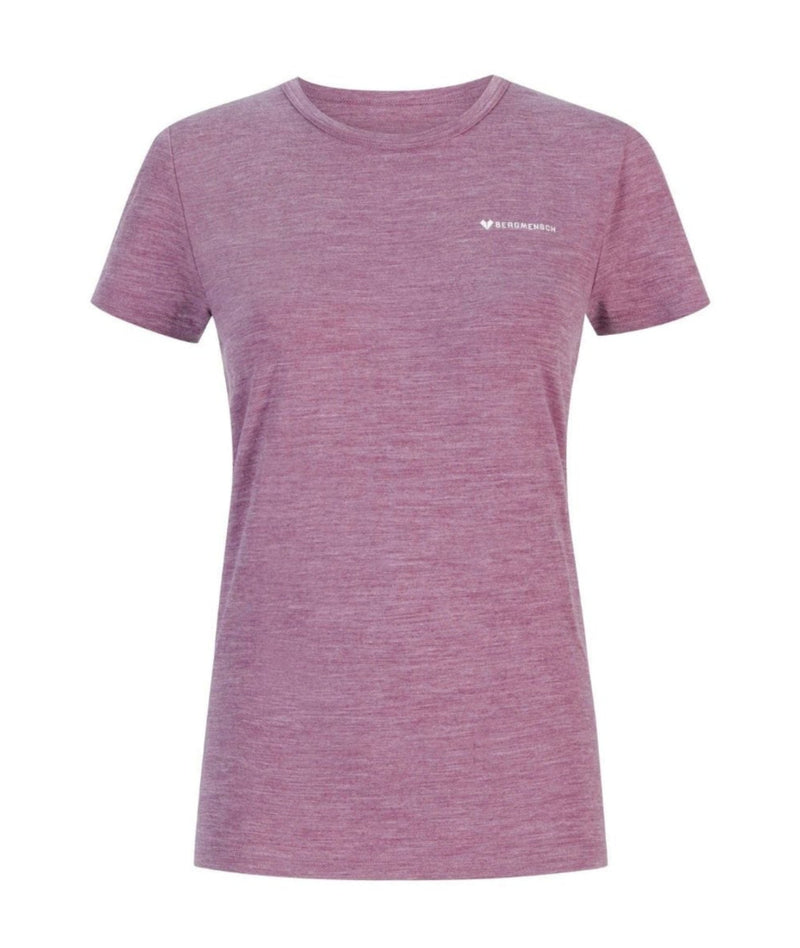
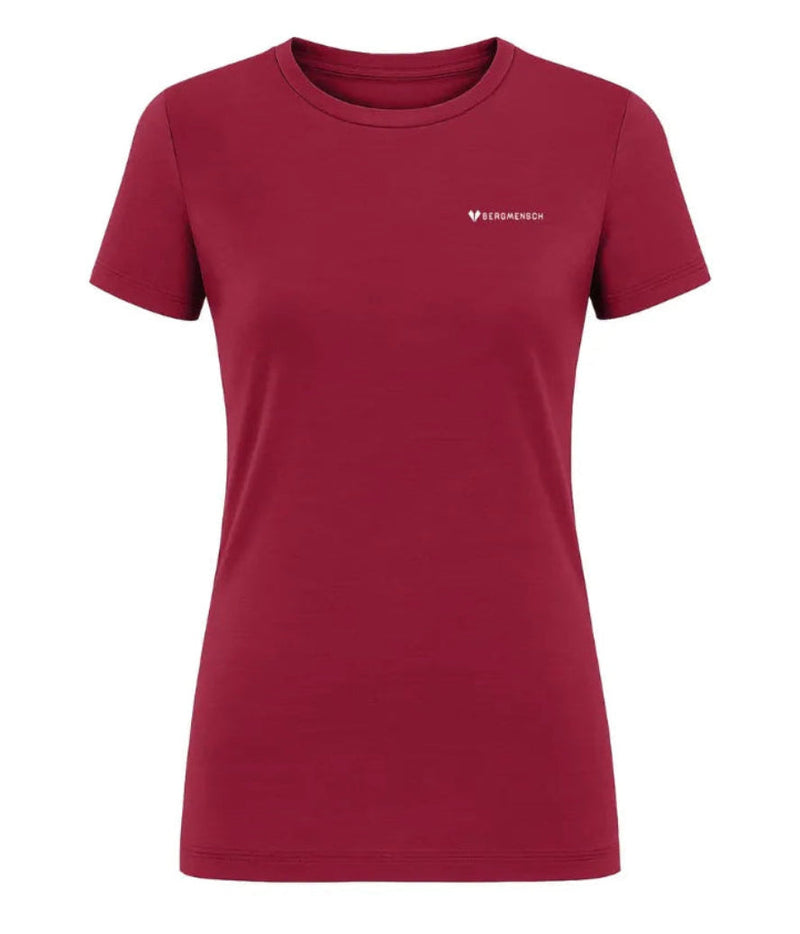
The base layer, directly against the skin, should be made of moisture-wicking material. Merino wool is an excellent choice here, as it is breathable, odor-resistant, and insulates even when wet. Synthetic underwear also serves this purpose very well.
Above that comes the insulation layer, which retains warmth. A thin fleece pullover or a mid-layer made of merino blend fabric is ideal. This layer should also be breathable so as not to impede the moisture transport of the base layer.
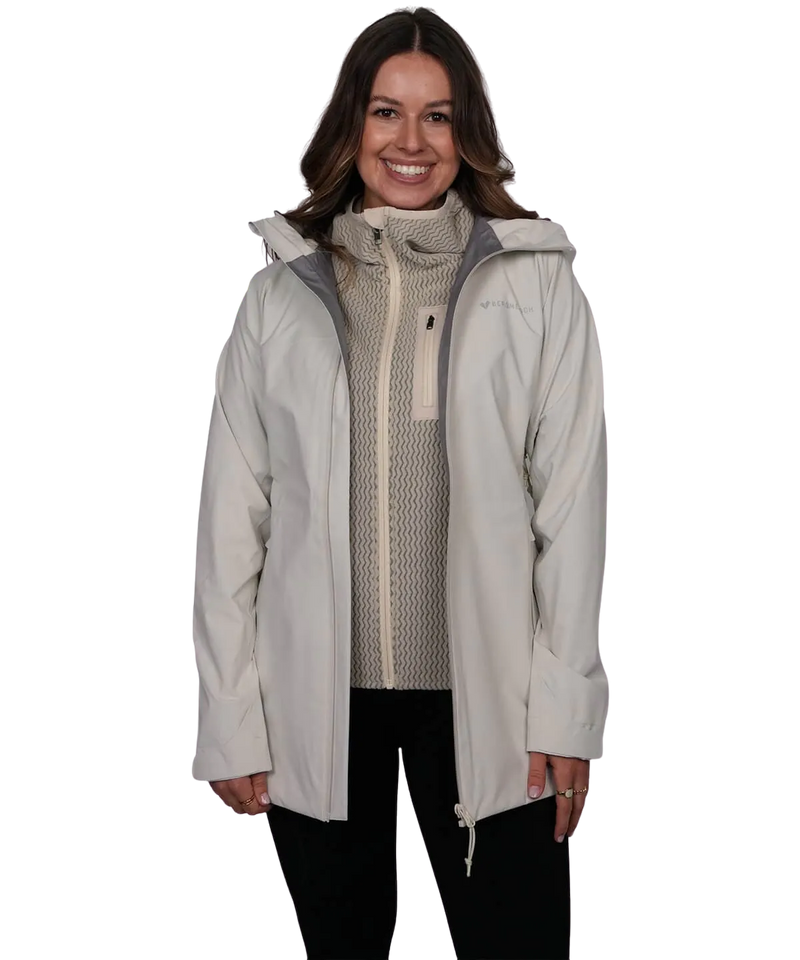
The outer layer, also known as the weather protection layer, protects against wind and rain. A lightweight hardshell or softshell jacket with good ventilation is crucial here. Look for zippers under the arms, which allow for additional ventilation.
Practical Tip
Choose a base layer top with a long zipper at the collar. This way, you can quickly provide extra ventilation on ascents without having to remove an entire layer. This saves time and keeps you in the optimal temperature range.
Material science: Merino, synthetics and benefits
Merino wool is a natural product characterized by its fine fibers. These fibers can absorb up to 35% of their own weight in moisture without feeling wet. In addition, Merino wool is antibacterial and odor-resistant, which makes it perfect for multi-day tours.
Synthetic fabrics like polyester are extremely lightweight and dry even faster than Merino wool. They are often more durable and easier to care for. Many manufacturers use special weave structures to further improve breathability.
A common misconception is that thick clothing keeps you warmer. In fact, multiple thin layers are more effective because the air layers in between insulate. A thin Merino base layer with a light fleece over it is often warmer and more breathable than a single thick pullover.
Also think about your socks! Cotton socks are a no-go. Merino or synthetic socks prevent blisters by wicking away moisture and reducing friction. Ensure a good fit to avoid pressure points, which can also promote sweating.
How does equipment affect sweating?
Not only clothing, but also the rest of the equipment plays a role in minimizing sweating. A heavy, ill-fitting backpack, for example, can put a lot of strain on the back and cause heat buildup there. There are clever solutions for this.
A well-designed carrying system is crucial. Many modern hiking backpacks feature ventilated back panels that allow airflow between your back and the backpack. Mesh inserts or special padding reduce direct contact and improve circulation.
Backpack choice: Ventilation and weight as success factors
Choose a backpack that fits your back and whose volume is appropriate for your planned tour. For day hikes, a model with 20 to 30 liters of capacity is often sufficient. Less luggage means less weight and therefore less effort.
Look for backpacks with tensioned mesh back systems. These create a gap between the backpack and your back, allowing air to circulate. Models like the Deuter Futura or Osprey Stratos are known for this and offer noticeably more comfort.
Packing itself also has an impact. Heavy items should be placed close to the back and centrally to optimize the center of gravity. Uneven weight distribution can lead to increased effort and increased sweat production.
Another aspect is the backpack cover. Many backpacks come with an integrated rain cover. This not only protects against wetness but can also serve as an additional windbreaker when you take a break. Make sure it is well ventilated to prevent condensation.
Good to know
A hydration system with a tube is often more practical than individual bottles. You drink regularly in small sips, which keeps your body temperature stable and compensates for fluid loss. This is more efficient than drinking large amounts at once.
Headwear and sunglasses: protection against overheating
The head is an important temperature regulator. A light head covering, such as a cap or a buff, protects against direct sunlight and can also absorb sweat. Choose materials that are breathable and dry quickly.
Sunglasses not only protect your eyes from UV radiation but also reduce blinking and squinting, which means less strain. This indirectly contributes to a more relaxed hiking experience and can reduce the perceived heat.
Some hikers swear by a damp cloth or bandana worn around their neck. The evaporative cooling can provide pleasant relief, especially on hot days. Make sure to re-wet it regularly.
The choice of shoes should also not be underestimated. Waterproof membranes like Gore-Tex are great in wet conditions, but they can limit breathability in high temperatures. For dry, warm conditions, shoes with less membrane or airier materials are often the better choice.
What strategies reduce body heat when hiking?
In addition to suitable equipment, there are also proven behaviors that help you sweat less. It's about not unnecessarily stressing your body and giving it the opportunity to cool down naturally.
An adjusted walking pace is key here. Many start too fast, especially at the beginning of a tour. A moderate pace that you can maintain over a longer period is more effective and keeps your core body temperature more stable.
Pace and breaks: Hiking efficiently without heat stress

Start your hike slowly and gradually increase your pace. Observe your breathing: if you can still speak without getting out of breath, your pace is probably optimal. On steep ascents, it's better to take frequent short breaks than to rush through.
Plan your breaks strategically. Look for shady spots, ideally with a light breeze. Use the time to drink something, eat a small snack, and loosen your clothing. Sometimes, simply taking off your jacket or backpack helps to allow air to circulate.
A lunch break during the hottest part of the day can work wonders. Between 12 and 3 p.m., the sun is at its highest, and UV radiation is most intense. If possible, take a longer rest during this time or hike through shady forest sections.
Pay attention to your body's signals. Dizziness, headaches, or sudden nausea can be signs of overheating. In such cases, you should immediately take a break, cool down in the shade, and drink plenty of fluids. This is not a sign of weakness, but of common sense.
Poor planning: Overpacking and insufficient preparation
A backpack that's too heavy is a direct path to more sweating. Every unnecessary kilogram increases physical exertion and thus heat generation. Consider carefully what you really need and leave superfluous items at home.
Inadequate route planning can also lead to problems. If you get lost or choose a much more demanding route than planned, exertion and thus sweat production will increase. Inform yourself in advance about elevation profiles and difficulty levels.
Some underestimate the importance of sun protection. Sunburn puts additional strain on the body and can impair its ability to regulate heat. Use sunscreen with a high SPF and wear headwear.
The weather can also be unpredictable. A missing rain jacket or a too warm mid-layer when temperatures suddenly rise are typical mistakes. Checking the weather forecast before the tour and packing flexibly is essential.
In short: Avoiding mistakes in clothing and planning is crucial to prevent unnecessary sweating and physical strain while hiking.
Are there special products that help with sweating?
Yes, the market offers some products that can additionally help you stay dry or minimize the effects of sweating. These are often a useful complement to the right clothing and strategy.
Antiperspirants are the first choice here. They contain aluminum salts, which temporarily constrict the sweat glands. This significantly reduces sweat production in the treated areas. Look for products without perfume and alcohol to avoid skin irritation.
Antiperspirants and deodorants: What's the difference?
An antiperspirant actively reduces sweat production. It acts directly on the sweat glands. A deodorant, on the other hand, merely masks odor or fights bacteria responsible for sweat odor, but does not affect the amount of sweat.
For hikes where you sweat heavily, an antiperspirant is the more effective choice. It's best to apply it to clean, dry skin in the evening. This allows it to work overnight and unfold its full effect.
Some antiperspirants are specifically formulated for sensitive skin and contain soothing ingredients. Look for products labeled "skin-friendly" or "sensitive" to avoid irritation.
Especially on longer tours, a good antiperspirant can make all the difference. It not only prevents wet spots but also the uncomfortable feeling of damp skin, which promotes friction and blistering. This is an important aspect for general comfort.
Powder and special insoles for dry feet
Feet are also a common problem area for sweating. Special foot powders, often talcum- or starch-based, can absorb moisture and reduce friction. This prevents blisters and keeps feet drier.
Insoles made of breathable materials such as merino wool or bamboo fibers can also help wick away moisture. There are also special activated charcoal insoles that also have an odor-inhibiting effect.
Changing socks is a simple but effective trick. Take a fresh pair of socks with you and change them during a longer break. This not only feels good but also significantly reduces the risk of blistering, as your feet are dry again.
Another tip is to let your shoes air out well after your hike. Take out the insoles and open the laces wide so that moisture can escape. This extends the life of your shoes and prevents odor.
Myth vs. Fact
Myth
Sweating a lot means burning a lot of calories and losing weight quickly.
Fact
Sweating is primarily a cooling mechanism for the body; weight loss through sweat is mainly water, not fat. Effective weight loss results from a calorie deficit, not the amount of sweat.
Frequent Questions
Conclusion for a Dry Hiking Experience
Avoiding excessive sweating while hiking is not magic, but the result of thoughtful planning and the right equipment. It begins with the clothes that lie directly on your skin and extends to the conscious design of your tour.
Invest in high-quality functional clothing made from merino wool or synthetic fibers and consistently apply the onion principle. A well-ventilated backpack and an adjusted walking speed are equally important to prevent the body from overheating unnecessarily.
Remember that regular drinking and strategic breaks in the shade are crucial to keeping your body temperature stable. With these tips, you'll transform every hike into a pleasant, dry adventure where you can enjoy nature carefree.






Share:
The Ideal Via Ferrata Backpack: What Really Matters
Is merino wool breathable?