





Anyone who skis in winter knows: the right clothing determines well-being and performance. A high-quality ski jacket protects against wind, snow, and rain. But it's the clothing underneath that ensures warmth, dryness, and freedom of movement.
What to wear under a ski jacket?
Skiers often rely on the layering system with a base layer, mid-layer, and functional underwear. In this article, you'll learn which layers prove effective for skiing, which materials offer the best properties, and which Bergmensch products will help you comfortably enjoy long days in the snow.

Why the layering system is crucial for skiing
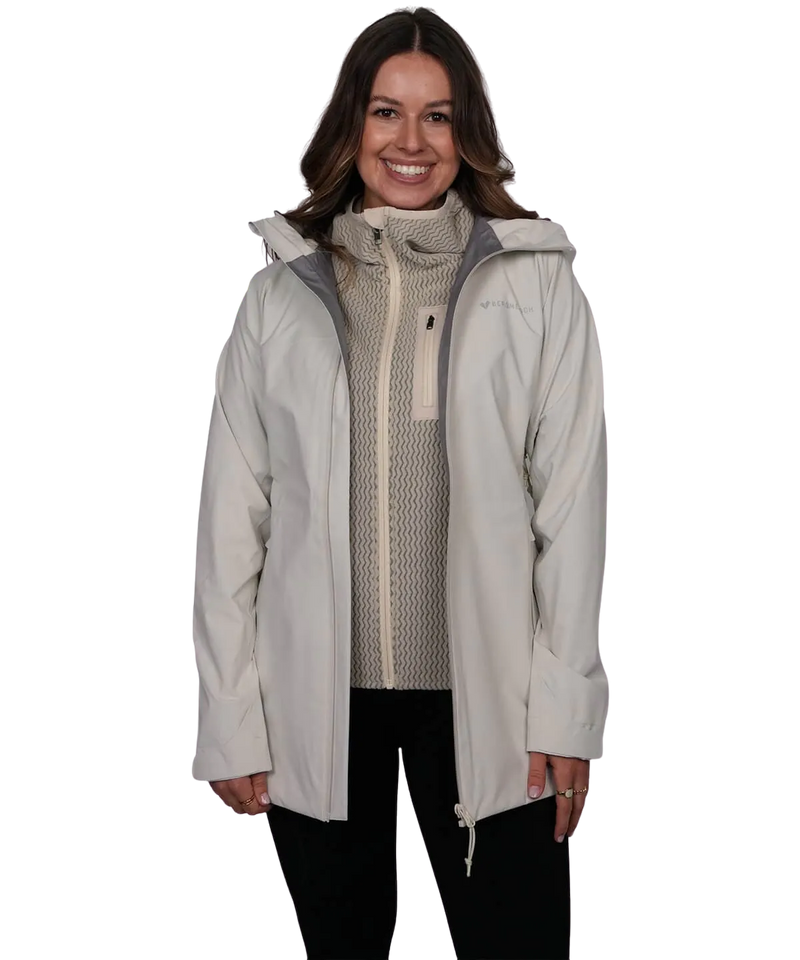
The layering system divides ski clothing into three levels: base layer, middle layer, and outer layer. The ski jacket provides weather protection. Below it, the base layer and mid-layer work together to keep the body warm and dry. Combining these layers effectively provides more energy and comfort on the slopes.
Requirements for ski clothing under the jacket
-
Breathability: Sweat must be wicked away
-
Insulation: Heat should be retained, but without heat build-up
-
Freedom of movement: Clothing must fit snugly but allow for every movement
-
Quick drying: Wet clothing cools down and reduces comfort
What kind of underwear is useful for skiing?
The base layer lies directly on the skin and is crucial for a dry feel. Cotton retains moisture and is unsuitable. Functional underwear made of merino wool or synthetic fibers ensures dryness and comfort.
Merino underwear as a base layer
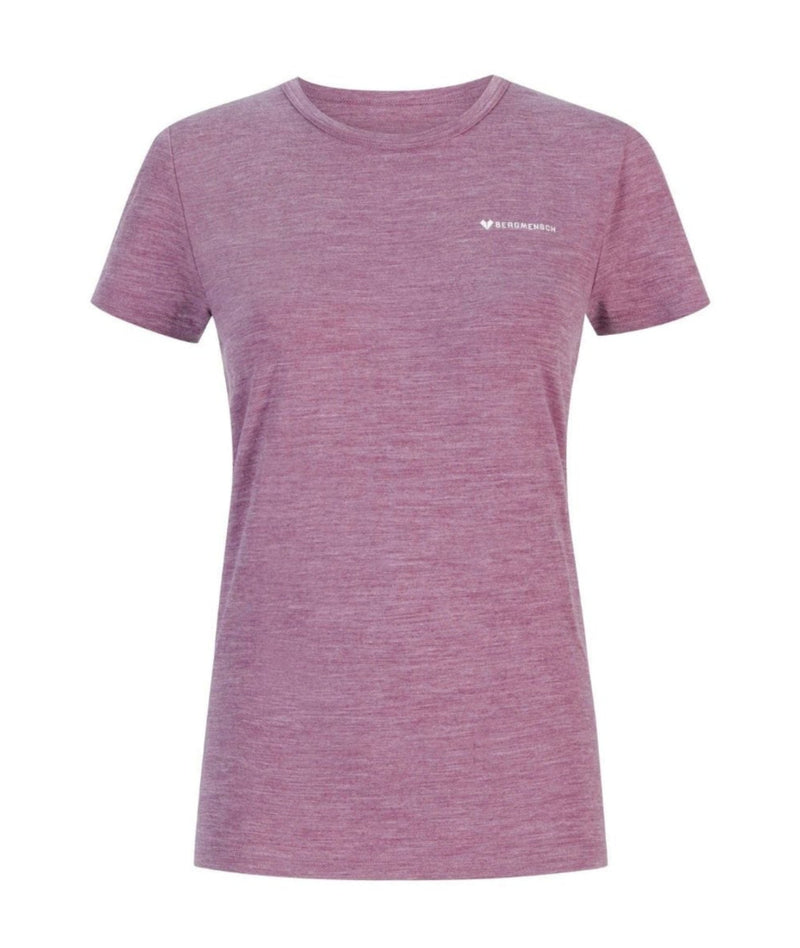
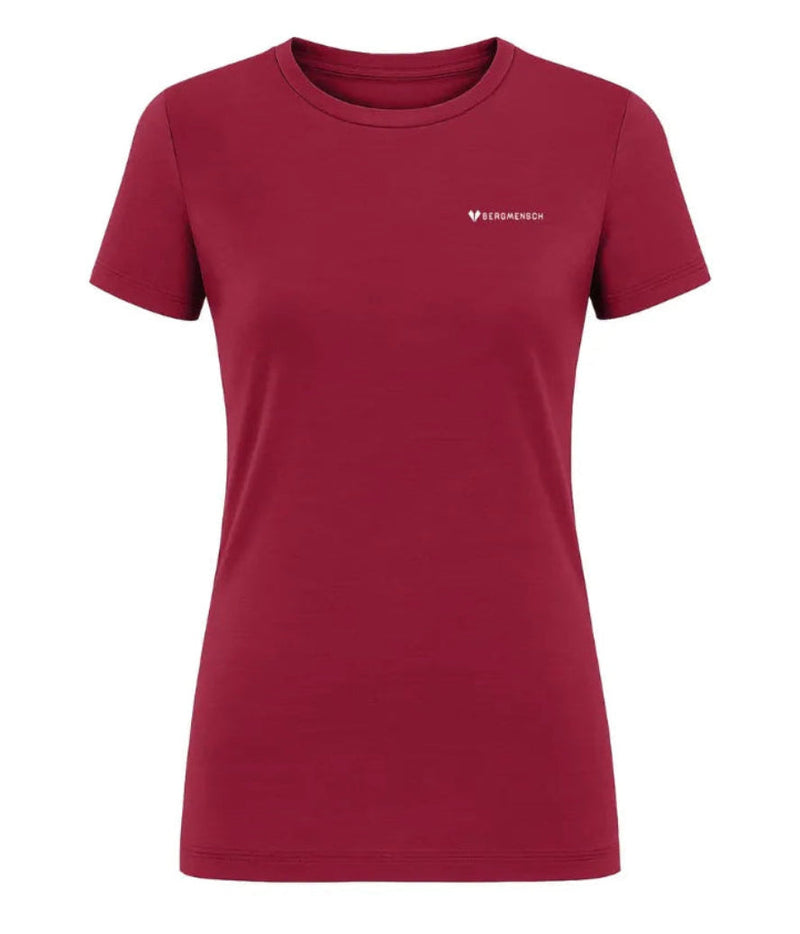
Merino wool is ideal for skiers. It regulates temperature, warming in the cold, slightly cooling during exertion, and remaining odor-neutral. Examples from Bergmensch:
Both shirts reliably wick away sweat and ensure a pleasant feel on the skin.
Synthetic functional underwear
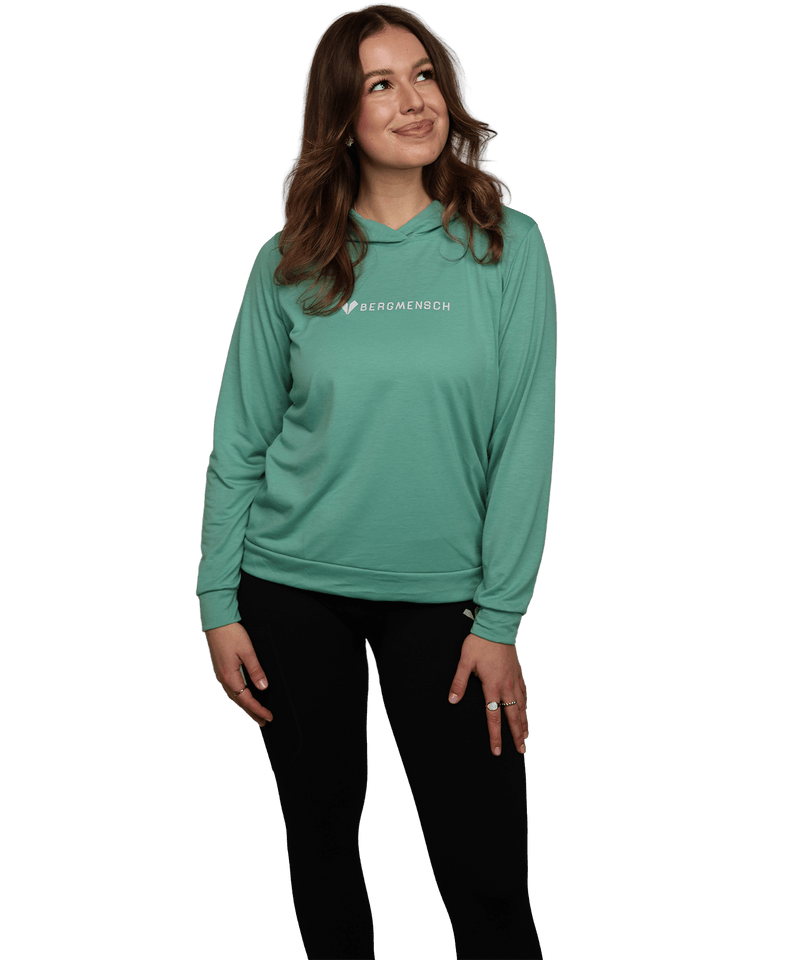
Synthetic base layers transport moisture extremely quickly. They are ideal for skiers who sweat a lot. Example from Bergmensch:
These shirts dry quickly and keep the skin dry even during high activity.
Functional leggings for the lower body
The legs are particularly stressed when skiing. Insulating functional leggings provide warmth and moisture transport. Example:
For men, comparable functional leggings made of merino or synthetic fibers are suitable.
Functional underwear in detail
Bergmensch offers a model with Modal functional boxer shorts that combines breathability and freedom of movement. This layer prevents chafing and increases comfort on long ski days.
Which mid-layers are suitable for skiing?
The middle layer sits between the underwear and the ski jacket. It insulates, stores heat, and releases excess energy.
Fleece and functional sweaters
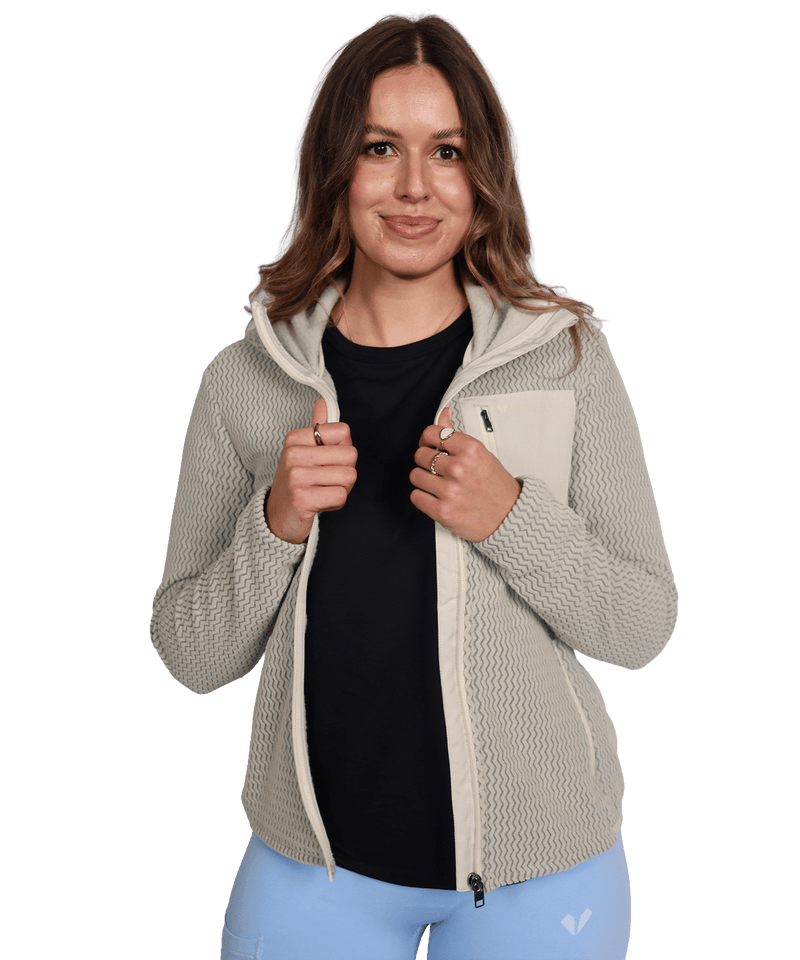
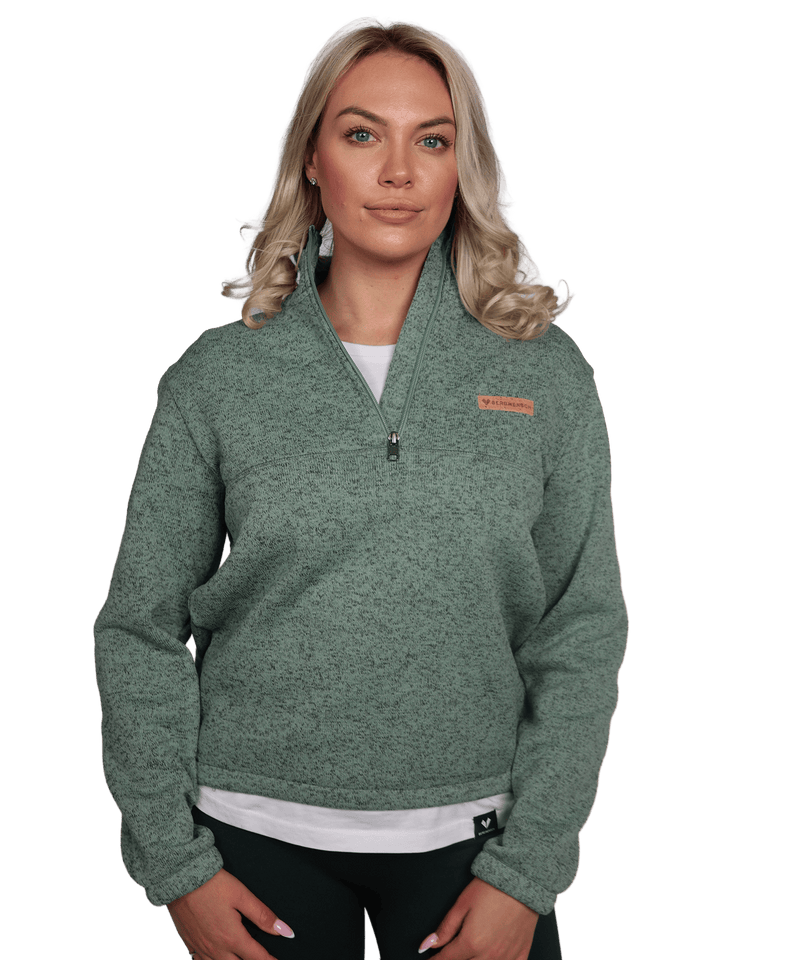
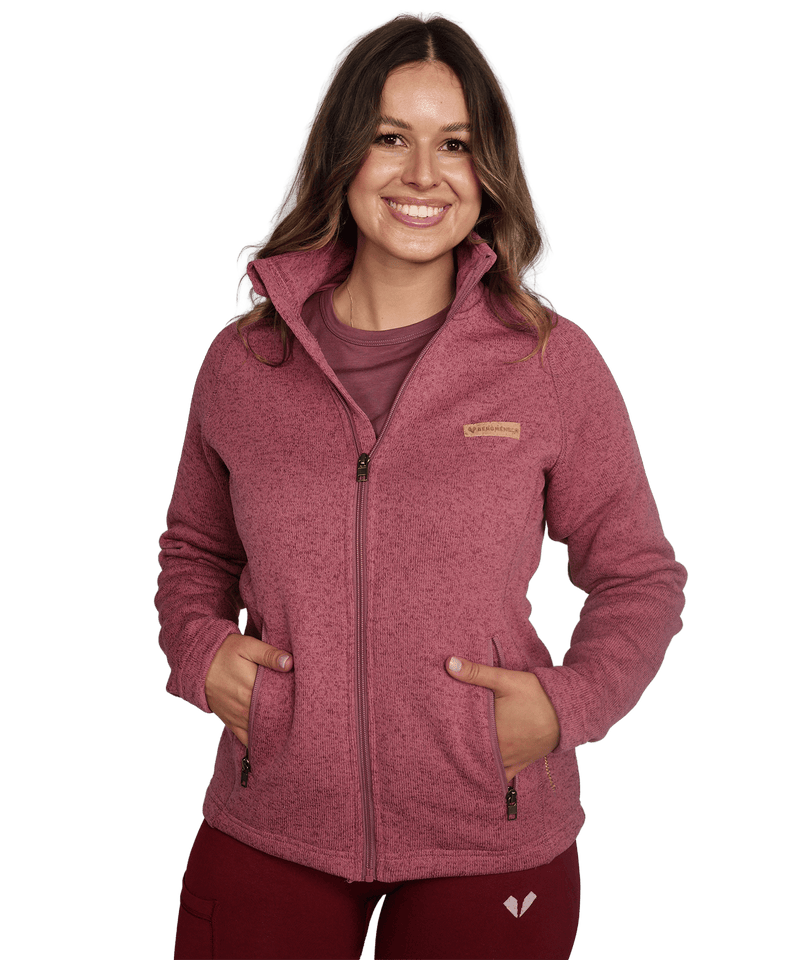
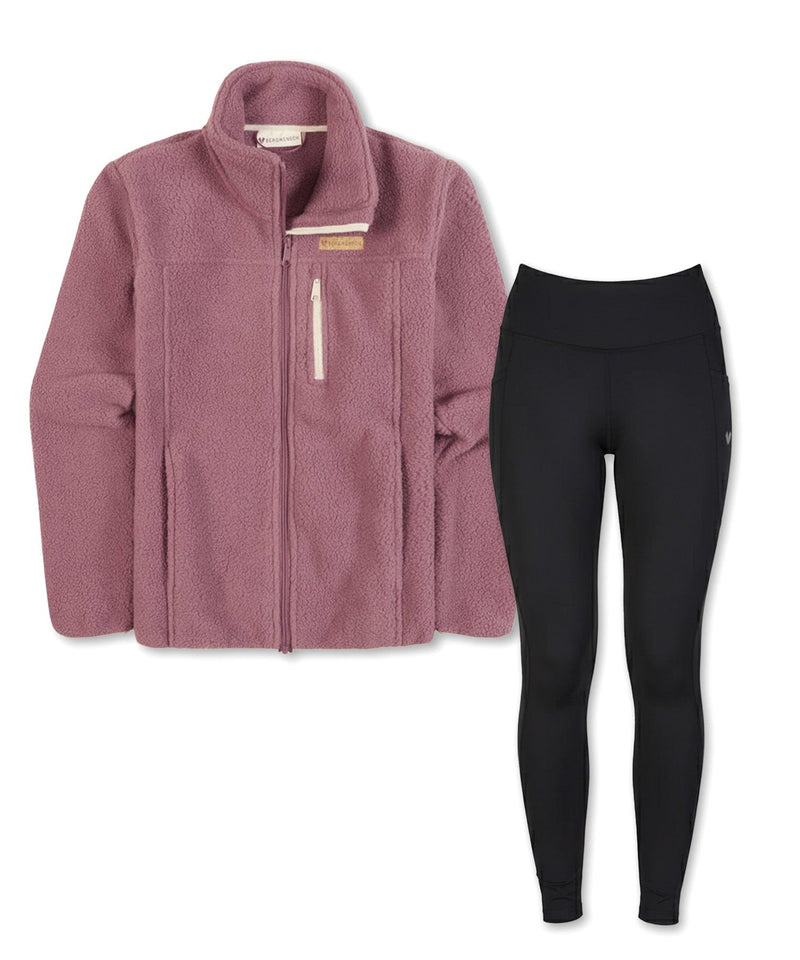
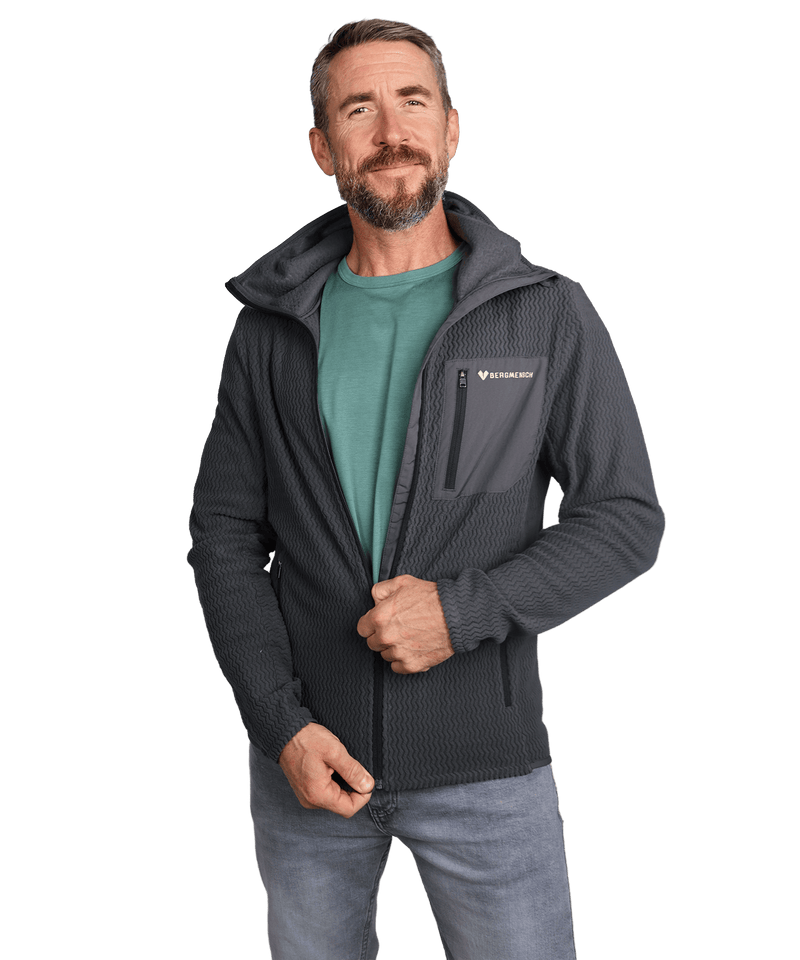
Fleece jackets or thin wool sweaters are ideal mid-layers. They keep you warm without restricting movement. On particularly cold days, teddy fleece or an insulation vest is recommended.
Functional shirts as a flexible mid-layer
The Unisex Logo Basic drirelease ECO Shirt is suitable as a lightweight mid-layer. It combines breathability with a warming effect. In combination with a merino base layer, a flexible system for mild winter days is created.
Examples of layering combinations for skiing
Mild winter days around 0 °C
-
Base layer: Merino shirt or FlowDry shirt
-
Mid-layer: drirelease® shirt
-
Outer layer: Ski jacket with weather protection
Cold days at –10 °C
-
Base layer: Merino shirt + functional leggings
-
Mid-layer: Fleece sweater or wool sweater
-
Outer layer: Insulated ski jacket
Very cold days at –15 °C and wind
-
Base layer: Long-sleeve merino shirt + functional leggings
-
Mid-layer: Teddy fleece or wool sweater
-
Outer layer: Windproof ski jacket
Freedom of movement remains key
All layers should fit snugly but not restrict. Elastic fabrics such as merino wool or functional fibers adapt to movements. Skiers benefit from unrestricted technique, even with multiple layers.
Care instructions for ski clothing
-
Clean merino wool with wool detergent at low temperature (Care of merino wool)
-
Wash synthetic fabrics at 30 to 40 degrees
-
Avoid fabric softener to maintain breathability
-
Wash regularly to remove sweat residue
Conclusion: The right layer makes the difference
Underneath the ski jacket, the layering system determines warmth, dryness, and comfort. Functional underwear made of merino or synthetic fibers forms the base. An insulating mid-layer complements the system. Leggings and functional underwear complete the outfit.
Products such as the Men's Essential Merino Shirt, the FlowDry Functional Shirt, or the Essential Hike Leggings from Bergmensch are reliable companions for long ski days. Those who implement the layering principle remain flexible, dry, and performing - regardless of weather and temperature.









Share:
Cuddly sweater for women - Which material?
Packing List for Day Trips: What Really Belongs in Your Backpack