



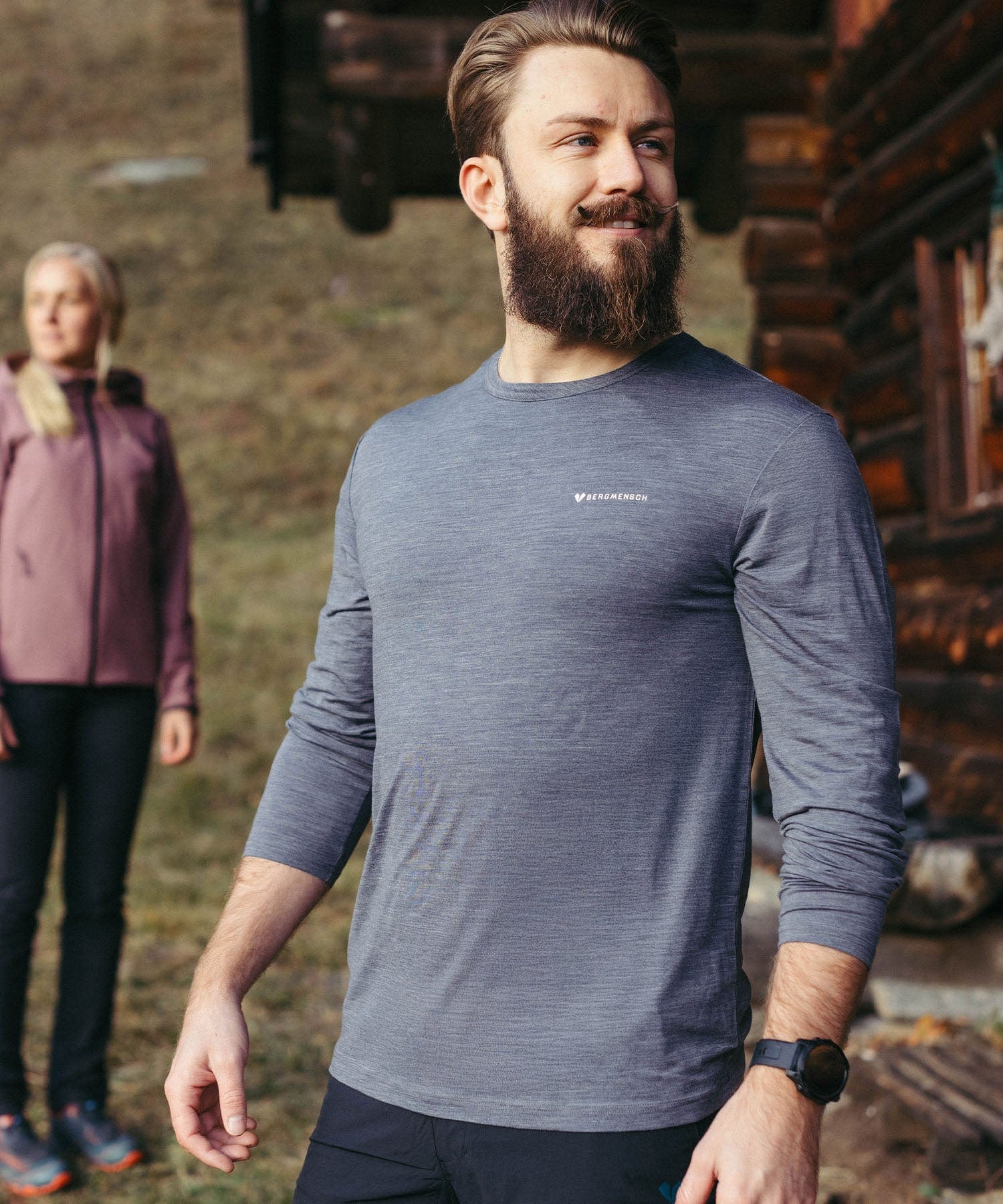


Should Merino be tight or not?
⏱ Reading time: approx. 17 min.
Merino wool is known for its exceptional properties, but the optimal fit often raises questions. The way merino is worn significantly influences the material's functionality – especially during sports activities or changing weather conditions. Precise knowledge of the ideal fit maximizes the benefits of this natural product.
The decision for a tight or loose fit heavily depends on the intended use. Certain criteria are crucial for effective temperature regulation and moisture wicking. This article explains the physical principles behind merino wool and provides well-founded recommendations for various applications.
Here, the advantages and disadvantages of different fits are analyzed in detail. Practical examples and specific tips help to make the right choice for individual needs. The correct fit optimizes wearing comfort and the performance of the merino fibers.
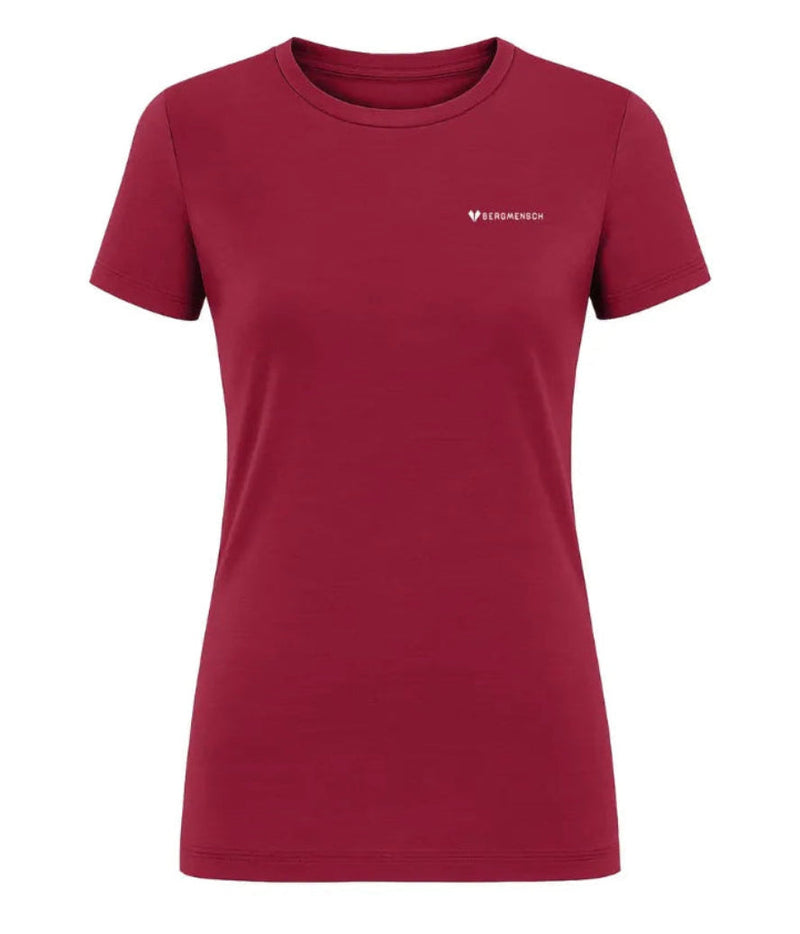
Merino clothing should fit snugly against the body to ensure the full functionality of the fibers, especially effective moisture wicking and optimal thermal insulation. Direct skin contact allows for rapid sweat transport to the outside and prevents the body from cooling down.
In a nutshell
- For maximum function, merino should fit snugly against the body.
- Moisture transport works best with direct skin contact.
- Loose fits are suitable for everyday wear and light activities.
- The fiber thickness (micron) influences the wearing comfort.
What role does fit play in functionality?

The fit of merino clothing is crucial for unleashing its unique properties. Snug-fitting clothing worn directly on the skin enables optimal moisture regulation. The fine merino fibers can quickly absorb sweat from the skin and release it to the outer layer, where it evaporates.
This effect is particularly important during physical exertion. A loose fit would promote the formation of an air cushion between the skin and the fabric, which would slow down moisture transport. The result would be a damp, clammy feeling on the skin, which in turn promotes cooling down.
Temperature regulation also benefits from a close-fitting cut. Merino wool insulates excellently by trapping air within its fibers. A snug-fitting layer forms an efficient base layer that retains body heat while simultaneously wicking away excess heat. This prevents both overheating and hypothermia.
How does fiber thickness affect wearing comfort?
Fiber thickness, measured in microns, has a significant impact on wearing comfort and fit. Finer merino fibers, typically under 18.5 microns, feel softer on the skin and are less scratchy. These fibers are ideal for layers worn directly on the skin, such as base layers.
Coarser fibers, for example over 20 microns, are often used for outer layers or more robust garments. They offer greater durability, but may be perceived as less comfortable with direct skin contact. The choice of fiber thickness thus influences how snugly a garment can be worn without compromising comfort.
For example: A T-shirt made of 17.5 micron merino wool can easily fit snugly, whereas a sweater made of 21 micron wool might require a looser fit to ensure comfortable wear. The micron rating is an important indicator for the intended use and ideal fit of a merino product.
Why is sweat wicking more effective with a close fit?
The mechanism of sweat wicking in merino wool is based on the fibers' ability to absorb moisture while simultaneously transporting it outwards. With close-fitting clothing, a capillary effect is created that pulls sweat directly away from the skin. The fiber structure of merino wool can absorb up to 35% of its own weight in moisture without feeling wet.
This process, known as moisture management, is most efficient with direct skin contact. An air gap between the skin and the fabric would slow down the diffusion of water vapor and reduce evaporative cooling on the skin's surface. Close-fitting merino clothing minimizes this effect and ensures a dry feeling on the body, even during intense activity.
Measurements show that the evaporation rate of close-fitting base layers is up to 20% higher than with loose clothing under identical conditions. This is a crucial factor in preventing cooling down after exercise or in cold environments. The fibers effectively wick away moisture, keeping the skin dry and allowing the body to maintain its temperature better.
When is a loose fit for merino sensible?
Although a snug fit is often ideal for the full functionality of merino, there are situations where a looser cut offers clear advantages. For everyday wear that doesn't require high athletic performance, a more relaxed fit can increase comfort and fulfill a fashionable aspect. Freedom of movement is often greater in this case.
In very high temperatures or as an outer layer over other garments, loose merino clothing can also be useful. Here, it serves more as light sun protection or an additional insulating layer, without direct skin contact. Breathability is maintained, even if direct moisture transport is reduced.
Another aspect is aesthetics. Many people prefer less form-fitting clothing for everyday wear. Merino sweaters or T-shirts with a relaxed fit are comfortable and versatile, without completely losing the basic benefits of wool such as odor neutrality or temperature regulation. The material properties remain, even if the efficiency of moisture management slightly decreases.
Important to know
Merino wool is naturally odor-neutralizing. The fibers bind odor molecules and only release them during washing. This is a great advantage over synthetic fibers, which often start to smell faster.
What compromises arise with loose clothing?
A loose fit for merino clothing comes with certain compromises, especially regarding performance characteristics. Direct skin contact is crucial for efficient sweat wicking. With a loose fit, a film of moisture can form on the skin, which in the worst case leads to a clammy feeling.
Temperature regulation can also be impaired. While a snug merino shirt as a base layer creates an insulating air layer directly on the body, a loose garment may fulfill this function less effectively. This can lead to uneven heat distribution, which can be uncomfortable in fluctuating temperatures.
For intensive sports such as trail running or ski touring, a loose merino fit is therefore less suitable. Here, every advantage in terms of moisture management and temperature control counts. In everyday life or during light activities, however, these compromises are often negligible and are outweighed by the increased comfort.
How to find the right size for different purposes?
Choosing the right size for merino clothing largely depends on the intended use. For a base layer worn directly on the skin, the size should be chosen so that the garment fits snugly without restricting freedom of movement. It is important that no wrinkles form that could chafe.
For a mid-layer worn over a base layer, a slightly looser fit is appropriate. There should be enough space for the underlying layer, but not so much that unnecessary air pockets form. The layers should harmonize well with each other to optimize insulation performance.
For everyday wear or as an outer layer, the size can be chosen more generously. Here, comfort and style are often paramount. It is advisable to carefully check manufacturers' size charts and, if necessary, consider customer reviews, as fits can vary depending on the brand. Trying it on is, of course, always the best option.
Which merino products benefit most from a snug fit?
Certain merino products are specifically designed for a snug fit to fully leverage their advantages. Base layers, also known as functional underwear, are the prime example. These layers are worn directly on the skin and form the foundation for an effective layering system. They wick away sweat and regulate body temperature.
Also merino socks benefit from a snug fit. They prevent blisters due to friction and keep feet dry by wicking away moisture. A sock that is too loose would wrinkle and significantly reduce comfort. Compression can also promote blood circulation.
For sports activities such as hiking, skiing, or running, snug-fitting merino shirts and leggings are essential. They allow for unrestricted freedom of movement and maximize the moisture-regulating and odor-inhibiting properties of the wool. Investing in high-quality, well-fitting products pays off here.
|
Advantages
|
Disadvantages
|
Basics: Base layers and fit

Merino wool base layers form the first layer in the layering principle and are optimized for direct skin contact. The fit is crucial for moisture transport. A base layer should fit like a second skin, without wrinkling or constricting. This ensures that sweat is effectively wicked away from the skin.
The elasticity of merino fibers enables this close-fitting shape without restricting freedom of movement. Many high-quality base layers also contain a small percentage of elastane to further improve shape retention and stretchability. A well-fitting base layer is the foundation for comfort and performance in any outdoor activity.
A common mistake is choosing a base layer that is too large, which then no longer functions effectively. Thermoregulation is disrupted because air collects between the skin and the fabric. This can lead to the body cooling down or overheating more quickly. The right size here is therefore not just a question of comfort, but of functionality.
Merino socks: Snug for comfort and blister prevention
Merino socks are an underestimated component of functional clothing. A snug fit is of paramount importance here to prevent friction and thus blistering. The socks should fit tightly on the foot without wrinkling, which could cause pressure points. The natural elasticity of merino wool supports this.
The moisture-wicking properties of merino fibers keep feet dry, even on long hikes or intense runs. A dry foot is less prone to blisters and fungal infections. The odor-neutralizing properties are another plus, especially appreciated on multi-day tours.
Manufacturers like Falke or Smartwool offer special anatomical fits that are adapted to the shape of the foot. These socks often have different padding at the heel and toes to further increase comfort. Investing in high-quality merino socks is a worthwhile decision for anyone who spends a lot of time on their feet.
Did you know?
Merino wool can absorb up to 35 percent of its own weight in moisture without feeling wet. This is a crucial advantage over cotton, which quickly cools down when wet.
What factors influence the choice of fit?
The choice of the optimal fit for merino clothing is determined by several factors that go beyond pure comfort. The intended use is the primary indicator here. For athletic activities that require high performance, a snug fit is almost always the better choice to fully utilize the wool's functionality.
Ambient temperature also plays a role. In very cold conditions, a tighter fit can maximize the insulating effect, as less air can circulate between the layers. In milder temperatures or everyday life, a looser fit can be more comfortable without causing major disadvantages.
Personal preferences and individual cold sensation are other important aspects. Some people generally prefer close-fitting clothing, while others feel more comfortable in loose cuts. The material composition, especially the proportion of elastane, can also influence the fit and should be taken into account.
Intended use: Sport, everyday life, or outdoor adventures?
The intended use largely defines the ideal fit for merino clothing. For intensive sports such as trail running, ski touring, or climbing, a snug base layer is essential. It ensures rapid moisture transport and effective temperature regulation, which is crucial for performance and safety.
In everyday life or during light activities such as walks, a loose fit of merino shirts or sweaters can increase comfort. Here, the fashionable aspect and a relaxed wearing feel are often in the foreground. The basic advantages of merino wool, such as odor neutrality and breathability, are retained.
For longer outdoor adventures where changing weather conditions are expected, a combination is recommended. A snug base layer forms the first layer, complemented by a looser mid-layer or an outer layer. This layering system allows for flexible adaptation to different demands and temperatures.
Temperature and layering systems
Ambient temperature and the concept of layering systems are closely linked to the fit of merino clothing. In cold temperatures, a close-fitting base layer is essential to ensure efficient thermal insulation. The merino fibers form an insulating layer of air directly on the skin.
Above this, further layers can follow, with their fit progressively looser. A merino or fleece mid-layer provides additional warmth and wicks away moisture from the base layer. The outermost layer, often a hardshell jacket, protects against wind and weather and should also offer sufficient freedom of movement.
In warm temperatures, a single, slightly loose merino shirt may be sufficient. It offers breathability and sun protection without overheating. The flexibility of the layering principle, combined with the correct fit of each individual layer, is key to optimal comfort in any environment.
In short: The choice of merino fit largely depends on the intended use and ambient temperature, with a close fit maximizing functionality.
Are there differences between men's and women's models?
Yes, there are generally significant differences between men's and women's models of merino clothing that go beyond mere color. These differences primarily concern the cut and fit to accommodate anatomical characteristics. Women's models are often more tailored and account for the bust area.
Men's models usually have a straighter cut and are wider in the shoulder area. These adjustments are crucial for the clothing to fit optimally on the body and fully unfold its function. A well-fitting garment prevents creasing and ensures effective moisture wicking.
Some manufacturers also offer unisex models, which have a more neutral fit. Here, it is particularly important to carefully study the size charts and, if necessary, follow the manufacturer's recommendations. The right fit is crucial for comfort and the performance of merino wool, regardless of gender.
Anatomical Adjustments for Optimal Fit
The anatomical differences between men and women require specific cut adjustments for functional clothing made from merino wool. Women's models are often designed with more waist tapering and more volume in the bust area. This ensures that the material fits snugly without straining or appearing unflattering.
Men's models, on the other hand, are often cut straighter and offer more width in the shoulder and chest area. Sleeve length and torso length are also adapted to average proportions. These precise cuts are crucial for the base layer to fit like a second skin and for the moisture-regulating properties of merino fibers to work optimally.
A poorly fitting garment that is not adapted to the anatomy can lead to chafing points or restrict freedom of movement. Modern manufacturers invest heavily in developing ergonomic cuts to maximize comfort and functionality for both genders. The fit is therefore a quality feature.
Check size chart
Carefully compare your own measurements with the manufacturer's specifications.
Define intended use
Consider whether the garment is for sports, everyday wear, or as a mid-layer.
Test freedom of movement
Try various movements to check the fit.
Why Unisex Models Often Require Compromises
Unisex models of merino clothing try to offer a fit that is equally suitable for both genders. However, this often leads to compromises, as the specific anatomical differences cannot be fully accounted for. A unisex cut is generally straighter and less tailored than a pure women's model.
For men, this can mean that the fit in the chest or shoulder area is not optimal, while women may receive clothing that is too loose or shapeless. The direct skin contact, which is so important for moisture transport, may be less efficient in unisex models if the fit is not exact.
Freedom of movement can also be impaired if the garment does not fit optimally. Such compromises are particularly noticeable during sports activities. It is advisable to pay particular attention to the material composition and stretchability of unisex models to achieve the best possible fit.
How to properly care for close-fitting merino clothing?
Proper care is crucial for the longevity and functionality of close-fitting merino clothing. Merino wool is naturally self-cleaning and odor-neutralizing, but still requires gentle treatment. Frequent washing at too high temperatures or with aggressive detergents can damage the fibers and impair the fit.
It is recommended to wash merino clothing at a maximum of 30 degrees Celsius on a wool wash cycle. A special wool detergent without enzymes or bleach is ideal. Avoiding fabric softener is also important, as it can stick to the fibers and reduce breathability. After washing, the clothing should be dried flat to prevent stretching.
Regular ventilation in the fresh air can replace many washes, as merino wool hardly absorbs odors. This saves water and protects the environment. Proper care maintains the elasticity and shape retention of close-fitting merino products and ensures full functionality for many years.
Which option fits?
Close-fitting – For maximum performance
Ideal for athletes and outdoor enthusiasts who demand the highest standards in moisture management and thermal regulation.
Loose-fitting – For everyday comfort
Suitable for daily use, travel, or light activities where freedom of movement and relaxed style are paramount.
Washing Tips for Long-lasting Shape Retention
To ensure the shape retention of close-fitting merino clothing, some washing tips should be observed. Always use the washing machine's wool wash cycle at a low temperature, a maximum of 30 degrees Celsius. The lower spin speed protects the fibers and prevents felting.
A special wool detergent is essential. It should contain lanolin to preserve the wool's natural fats and be free of enzymes such as protease, which can damage merino fibers. Fabric softeners are taboo, as they can stick to the fine fibers and impair breathability and moisture wicking.
After washing, do not tumble dry the clothes. Heat can shrink the fibers and permanently alter the fit. Instead, gently reshape the merino items and lay them flat on a drying rack. This prevents stretching and maintains the original shape.
Ventilation instead of Washing: Merino's Natural Odor Resistance
A great advantage of merino wool is its natural odor resistance. The fiber structure binds odor molecules and only releases them during washing. This means that merino clothing can often be worn for days or even weeks without developing unpleasant odors.
Regular ventilation in the fresh air, ideally overnight, can replace many washes. The fibers regenerate, and odors dissipate. This not only protects the clothing and extends its lifespan but also saves water and energy.
This property makes merino clothing particularly practical for travel or multi-day tours where access to washing facilities is limited. The reduced washing frequency also contributes to sustainability, as fewer resources are consumed and environmental impact is reduced. Conscious use of odor resistance is an important aspect of merino care.
Frequent Questions
Washing Tips for Long-lasting Shape Retention +
To ensure the shape retention of close-fitting merino clothing, some washing tips should be followed. Always use the wool wash cycle of the washing machine at a low temperature, a maximum of 30 degrees Celsius. The lower spin speed protects the fibers and prevents felting.
Ventilate Instead of Wash: Merino's Natural Odor Resistance +
A great advantage of merino wool is its natural odor resistance. The fiber structure binds odor molecules and only releases them during washing. This means that merino clothing can often be worn for days or even weeks without developing unpleasant odors.
Can Merino Be Worn Directly on the Skin? +
Yes, merino wool is ideally suited to be worn directly on the skin, especially as a base layer. Its moisture-wicking and temperature-regulating properties are best utilized when in direct contact with the skin. The fibers efficiently draw away sweat and keep the skin dry, which is crucial for comfort and function.
Does Merino Wool Stretch Out Over Time? +
Merino wool has natural elasticity, but it can stretch out over time with improper care or prolonged overstretching. To maintain its shape, it is important to wash merino clothing gently, not tumble dry it, and store it flat. Many manufacturers add a small amount of elastane to improve shape retention.
Is Merino Also Suitable for Summer? +
Yes, due to its temperature-regulating properties, merino wool is also excellently suited for summer. It has a cooling effect by effectively wicking moisture away from the skin and utilizing evaporative cooling. Lightweight merino fabrics with a low fiber thickness are breathable and offer natural UV protection, making them an ideal choice for warm days.
How Often Is It Necessary to Wash Merino Clothing? +
Thanks to its odor-neutralizing properties, merino clothing needs to be washed significantly less often than synthetic or cotton textiles. Often, simply airing out the clothing after wearing is sufficient. For light soiling or after intense physical activity, a gentle wool wash cycle at 30 degrees Celsius with special detergent is sufficient.
Conclusion on the Optimal Merino Fit
The question of whether merino wool should fit snugly can be clearly answered: For the maximum development of its functional properties, a close-fitting cut is essential. Especially for base layers and socks, direct skin contact ensures efficient moisture transport and optimal thermoregulation. This is of utmost importance for sports activities and in demanding environments.
Nevertheless, there are situations in which a looser fit offers advantages, for example in everyday life or as an outer layer. Here, comfort and style often take precedence, without completely losing the fundamental positive properties of merino wool. The choice should always be adapted to individual needs and the intended use.
Ultimately, the right fit is a combination of fiber thickness, intended use, personal preferences, and anatomical conditions. A conscious decision for the appropriate size and cut maximizes the benefits and enjoyment of this exceptional natural material. Investing in high-quality, well-fitting merino clothing pays off in terms of comfort and durability.







Share:
What makes merino clothing so special?
The Ideal Via Ferrata Backpack: What Really Matters