




What exactly is merino wool?
Merino wool is becoming increasingly popular, and outdoor enthusiasts, in particular, swear by merino as a material for hiking clothing. Whether it's merino hiking socks, merino shirts, sweaters, or merino underwear, merino is on everyone's lips these days. Let's take a look at the material and its special properties.

The special virgin wool from Merino sheep
Merino wool, as the name suggests, comes from Merino sheep. These sheep are really clever because their fleece is perfectly adapted to different temperatures.
Merino sheep primarily live in regions like New Zealand and Australia, where the climate can be quite extreme. Their fleece is super fine and soft, completely different from the scratchy wool you might remember from the past. The secret lies in the fiber structure.
Keratin: The building block of the wool fiber
Like our hair and nails, merino wool mainly consists of keratin. This is a natural protein that makes the wool so elastic and resistant. Imagine each individual fiber is like a small spiral.
This spiral shape ensures that the wool can stretch without breaking. It also creates small air chambers that provide insulation. It's like natural air conditioning!
The difference between merino and regular wool
Classic wool can be scratchy; everyone knows that. Merino wool is completely different. The fibers are much finer, usually between 16.5 and 24 microns thick. For comparison: a human hair is about 30 to 80 microns thick.
This makes merino wool feel super soft on the skin. No scratching, no itching, just pure comfort. In addition, merino wool has a few other tricks up its sleeve:
-
It is breathable.
-
It regulates temperature.
-
It wicks away moisture.
Merino wool is not only soft and comfortable to wear, but also super practical. It warms you when it's cold and cools you when it's warm. And the best part: it doesn't smell quickly because it has antibacterial properties. This means you don't have to wash it as often. Truly an all-rounder!
Why is merino wool so special?
Merino wool is really amazing, isn't it? But what actually makes it so much better than regular wool? Let's take a look!
Fineness you can feel
The first thing you notice is how soft merino wool is. This is because the fibers are much finer than those of regular wool. Imagine you have a super fine yarn – that's merino wool.
This fineness ensures that it feels great on the skin. For comparison: a merino fiber often has a diameter of less than 19 micrometers, while normal hair is between 30 and 80 micrometers. Crazy, right?
Scratching on the skin is so 90's
Who hasn't experienced it: you put on a wool sweater and it itches like crazy. That doesn't happen with merino wool! Because the fibers are so fine, they bend when they touch the skin instead of clinging to it.
The natural resilience of the fiber
Merino wool is impressively elastic. This is due to its spiral structure, which acts like a small spring. As a result, garments made from merino wool retain their shape, wrinkle less, and are simply more robust.
In addition, this structure creates small air chambers that provide insulation. This means merino wool keeps you warm in winter and cool in summer.
Where does merino wool come from?
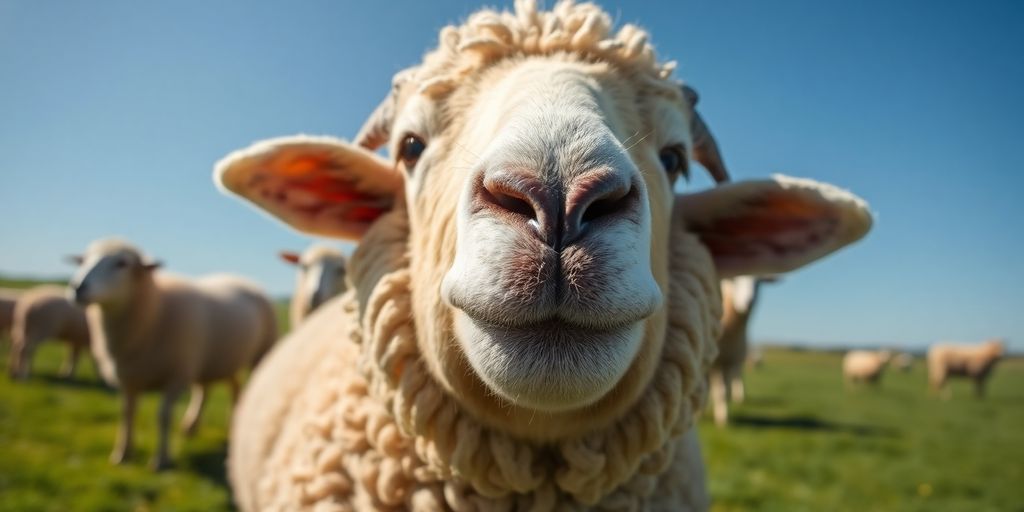
The home of Merino sheep
Most Merino sheep live in Australia and New Zealand. But there are also many of them in South America and South Africa. Originally, Merino sheep came from North Africa, from where they then came to Spain and later spread all over the world.
Shearing: How often and when?
Merino sheep need to be shorn regularly because their wool keeps growing. They are usually shorn once or twice a year. This is important to prevent the sheep from overheating, especially in summer.
The timing of shearing depends on the climate and husbandry conditions. In warmer regions, shearing is done earlier in the year so that the sheep can get through the summer well. Shearing itself is a craft that requires a lot of experience so that the sheep are not injured.
Animal welfare: An important topic
Unfortunately, there are practices like "mulesing," where skin around the tail of sheep is removed without anesthesia to prevent flystrike. This is, of course, extremely painful and ethically completely unacceptable.
When buying merino products, always make sure that the wool comes from farms that do not practice mulesing and value animal-friendly husbandry. There are certifications and seals that can help you make a good choice. Find out where the wool comes from and how the sheep are kept. This is not only fairer, but often also better for the quality of the wool.
There are also more and more manufacturers who rely on mulesing-free wool and provide transparent information about their supply chains. This is a good step in the right direction!
The superpowers of merino wool
Merino wool is the superhero of materials for hiking and outdoor clothing. Let's summarize its special features once again:
Temperature-regulating: Always the right climate
Do you know that feeling when you're outside and you're either too warm or too cold? That doesn't happen as quickly with merino wool. The wool helps you regulate your body temperature.
In winter, it keeps you warm because the crimped fibers trap air and thus insulate. In summer, however, it has a cooling effect as it wicks away moisture and allows it to evaporate. It's like natural air conditioning!
Antibacterial and odor-neutralizing
Who hasn't experienced it: you wear a shirt while exercising and afterwards it immediately smells bad. Merino wool is different. It has natural antibacterial properties.
This means that bacteria responsible for unpleasant odors cannot multiply as easily. So you can wear merino clothing more often without having to wash it right away. Really practical, isn't it?
Moisture transport: Stay dry!
Merino wool can absorb a lot of moisture without feeling damp. It transports sweat away from the body and releases it into the surroundings. This keeps you pleasantly dry even during strenuous activities. This is especially great for hiking, sports, or simply in everyday life when you don't want to get sweaty right away.
Less washing, more wearing
Another very positive effect of merino wool is that you don't have to wash it as often. Often, simply airing it out is enough. This saves time, water, and protects the environment. Win-win-win, I'd say!
Self-cleaning effect: A small miracle
The fibers of merino wool are structured in such a way that they do not easily pick up dirt and odors. This is very practical when you are on the go or simply don't feel like washing. I've tested it, and it's really true!
Versatile: From underwear to mid-layer
Whether it's underwear, socks, t-shirts, a headband, or even jackets – merino wool is very versatile. It keeps you warm when it's cold and cools you when it's warm. And the best part: it doesn't scratch!
And here are some advantages at a glance:
-
Less washing necessary
-
Odor-neutralizing
-
Temperature-regulating
-
Breathable
-
Comfortable to wear
Merino wool and sensitive skin
If you have sensitive skin, you know the problem: many fabrics irritate and itch. Merino wool is often a great solution. It is not only soft, but also breathable and temperature-regulating.
This means it helps your skin feel comfortable and prevents it from overheating or drying out. In addition, it is naturally antibacterial, which is also great for sensitive skin. Many people with skin problems such as eczema or neurodermatitis swear by merino wool because it is so gentle and well-tolerated.










Share:
How to care for Sherpa fleece?
The advantages of CloudBlend shirts