



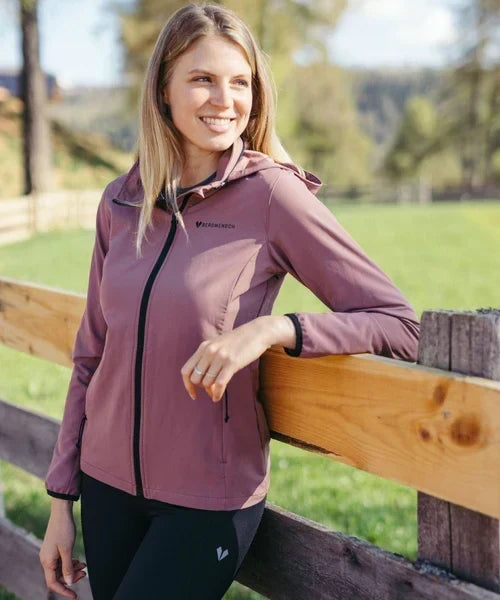


What is a softshell jacket? These jackets are everywhere – hiking, cycling, or just in everyday life. They feel soft, are comfortable to wear, and always seem to be just right when the weather can't make up its mind. But what exactly is behind them? Here you'll find out what makes a softshell jacket, what it's for, and why it shouldn't be missing from any wardrobe.
'

What is a softshell jacket and how does it differ from other jackets?
A softshell jacket describes a group of modern functional jackets.
Definition and origins of the softshell term
It is not a single type or a single material. Instead, softshell stands for a construction principle: The jacket has a soft outer shell, often pleasantly tactile and elastic. The first models appeared in the mid-1980s, quickly becoming part of many outdoor wardrobes. Their goal? More comfort and protection during sports or everyday life.
The term softshell – literally "soft shell" – stands in direct contrast to the so-called hardshell jacket with a hard, often rustling surface. The material usually consists of several functional layers that specifically repel wind, cold, and moisture.
Comparison to hardshell and fleece jackets
Softshell jackets are somewhere between classic hardshell rain jackets and pure fleece jackets. Each type of jacket has its own strengths:
|
Jacket Type |
Wind Protection |
Water Protection |
Breathability |
Insulation |
|---|---|---|---|---|
|
Softshell |
Good |
Repellent |
High |
Medium |
|
Hardshell |
Very Good |
Very Good |
Low |
Low |
|
Fleece |
Hardly Any |
None |
Very High |
Good |
The softshell jacket thus offers a real compromise:
-
It protects better against wind than fleece, but allows more air through than rain jackets.
-
It stays dry in drizzle or a short shower, but is not suitable for heavy continuous rain.
-
Thanks to the flexible outer material, it is very comfortable to wear and adapts to every movement.
Typical uses of a softshell jacket
In everyday life or during outdoor activities, a softshell jacket plays to its strengths:
-
Optimal for hiking, mountain biking, climbing or walking
-
Perfect for changeable conditions in spring and autumn
-
Also comfortable for tours with a lot of movement, when weather protection and breathability are required
Softshell jackets strike a balance between protection and comfort – they feel like a second skin, yet keep wind and drizzle away from the body.
Especially in the transitional period, during a morning walk or on the bike path to work, the comfort of a softshell jacket pays off. Hardshells quickly become too warm here, but fleece alone is too airy. Thus, the softshell jacket is a suitable companion for most days, except for heavy thunderstorms or snow chaos.
How is a softshell jacket constructed?
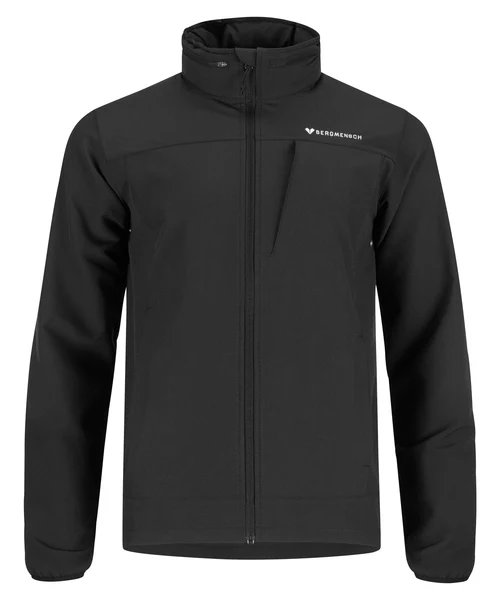
The construction of a softshell jacket follows a simple principle: different layers are combined to create a versatile garment. Each layer performs a specific task. The result is a jacket that is comfortable to wear and protects against wind and light precipitation.
Multi-layer construction and material composition
Softshell jackets usually rely on a multi-layer fabric:
-
Outer layer: This provides protection. It is usually abrasion-resistant, slightly elastic, and often treated with a water-repellent coating. Polyester or polyamide are common here. The coating causes water to simply bead off.
-
Middle layer: In high-quality models, a breathable membrane ensures that wind stays out, but moisture is transported from the inside to the outside. This makes it comfortable to wear.
-
Inner layer: This is where it gets soft. A fleece or mesh lining provides additional warmth, conforms to the body, and absorbs moisture well.
This combines protection, comfort, and breathability in one jacket.
Hybrid models and special variants
There are also hybrid models: These combine several types of fabric in one garment.
-
Areas on the shoulders or elbows are often more robust because they are subjected to more stress.
-
In the back or under the arms, many rely on particularly breathable inserts.
-
Some models even combine softshell with other fabrics, such as merino wool in the interior for even more comfort.
In addition, there are special variants with features such as detachable hoods, additional ventilation zippers, or warming inner material for cold days.
Differences between two- and three-layer softshells
Softshell jackets are available in two-layer and three-layer versions. The difference lies in the construction:
|
Construction |
Outer Layer |
Membrane |
Inner Layer |
|---|---|---|---|
|
Two-layer |
✓ |
✗ |
✓ |
|
Three-layer |
✓ |
✓ |
✓ |
-
Two-layer softshells consist of an outer material and an inner lining. They are particularly elastic, very light, and ideal for everyday use or the transitional season.
-
Three-layer models also have a membrane. This provides more wind protection and usually better water repellency.
In everyday life, a two-layer jacket is usually sufficient; for longer tours or changeable weather, a three-layer model is worthwhile.
Softshell jackets score above all with their versatility. They are real all-rounders in terms of protection against wind and light insulation against cold, without appearing too heavy or stiff.
What properties make softshell jackets special?
Softshell jackets rely heavily on breathability. The materials are designed to quickly wick moisture away from the body. This creates a dry body climate, even when everything outside is really wet. Anyone who has ever sweated under their jacket while hiking or cycling knows how important this is. Sweat hardly collects in softshells; you stay pleasantly dry.
Thanks to breathable fabrics, a softshell jacket offers high wearing comfort during movement.
Many models have small extras like underarm zippers. They provide additional ventilation if it gets too warm.
-
Moisture is wicked away quickly
-
Sweating is hardly noticeable
-
The climate under the jacket remains stable
If you often sweat during exertion outdoors, a softshell jacket is usually the more comfortable choice – the skin stays drier than with many other jacket types.
Wind and water repellency in everyday life
Anyone who cycles through the autumn wind in the morning or takes a short walk through drizzle often feels the advantages. Softshell jackets keep wind out very well. A fine membrane in the fabric ensures that cold has no chance.
Water-repellent coatings simply let drops bead off. This works well in light rain and splashes. But: Continuous rain and large amounts of water will eventually get through the material. That's why softshells offer protection – but not a real substitute for rain jackets.
|
Feature |
Level of Protection |
|---|---|
|
Wind |
Very High |
|
Light Rain |
High |
|
Heavy Rain |
Low |
-
Wind stays out, cold hardly gets through
-
Easy to care for thanks to robust outer material
-
Re-impregnation ensures longer protection
Freedom of movement and comfort through elastic materials
A typical feature of softshell jackets is their high elasticity. They use fabrics that stretch and move with you. This is a real advantage, especially for activities like climbing, cycling, or hiking.
Rigid jackets restrict movement – softshell jackets move with every motion. This not only increases comfort but also the joy of movement. Most models are very light and comfortable to wear.
Important comfort features at a glance:
-
Flexible cut, no pinching
-
Light and soft, no rustling when worn
-
Movements remain natural, nothing restricts you
Many appreciate softshell jackets primarily for their freedom of movement. For sports, work, or on the go in everyday life, the material simply adapts – that feels really good, even when more action is called for.
How warm does a softshell jacket really keep you?
Softshell jackets are known for a good balance between cold protection, freedom of movement, and climate function. However, their warmth retention can vary depending on the model and construction.
Heat-insulating materials and linings
Many softshell jackets have a thin fleece or microfleece layer on the inside. This ensures that heat stays inside and moisture is wicked away from the body.
-
Soft lining cushions and warms
-
Special fabrics like fleece keep windy cold out
-
Thicker models usually provide more warmth than particularly lightweight jackets
Compared to typical rain jackets, softshells are often warmer and more comfortable to wear. However, down jackets or explicit winter jackets with a lot of insulation are usually unbeatable in real frost.
|
Model Type |
Inner Layer |
Insulation Value |
|---|---|---|
|
Light Softshell |
Thin Microfleece |
Medium |
|
Sporty Softshell |
None or Thin Lining |
Low |
|
Winter Softshell |
Thick Fleece or Teddy |
High |
Limits of cold protection in softshell jackets
The insulation is often sufficient for spring, autumn, and mild winter days. However, really cold temperatures and longer periods spent outdoors push the softshell concept to its limits.
-
Softshell jackets are windproof and partially water-repellent
-
No full replacement for padded or down jackets in cold weather
-
In frost and snow, it's better to wear additional layers
Many hikers rely on softshell jackets as a mid-layer, but add a thin functional jacket or insulation layer if needed. Versatility remains the big plus.
Tips for combining with other clothing items
With the so-called layering principle, softshell jackets can be flexibly adapted.
-
Functional underwear is suitable as a first layer to wick away moisture.
-
For more wind or cold, choose an additional fleece jacket or vest.
-
In rain or strong wind: wear a waterproof or windproof outer jacket over it.
Combined with other layers, softshell can keep you surprisingly warm. In everyday life, a T-shirt or long-sleeve underneath is usually sufficient; for sports and outdoors, suitable layers made of functional material are recommended.
Important: Softshell jackets are versatile, but they do not replace a thick winter jacket in sub-zero temperatures over a longer period.
For which activities is a softshell jacket best suited?
Softshell jackets are true all-rounders. This garment usually comes into play when the weather is uncertain and active movement is required.
Outdoor sports like hiking, cycling, and climbing
Softshell jackets are made for outdoor movement. Their strength is particularly evident during hikes, bike tours, or climbing excursions. The material protects against wind and short rain showers without heat buildup. Closed jackets are breathable and ensure that sweat can evaporate. Freedom of movement is crucial when climbing – and softshell keeps up with everything. Cycling in changeable weather is also a typical use, because the jacket remains light and flexible.
-
Windproof and water-repellent, ideal for changeable weather
-
Low weight: comfortable to wear, even on longer tours
-
Elastic: no restriction at all
Leisure use and everyday suitability
Such jackets are not just for athletes. In everyday life, on the way to work or walking the dog, a softshell jacket protects against cold and wet. It remains discreet and sits comfortably, so it is always practical – for example, in the event of spontaneous weather changes.
Many users find softshell jackets to be the ideal transitional jacket because they are light yet protective. The jacket also fits in almost any backpack and takes up little space.
Limitations in heavy rain and extreme conditions
However, softshell is not always the best choice. In really heavy rain, its water-repellent layer eventually fails. In such cases, only a hardshell jacket or a rain cape will help. An insulated jacket also performs better in very cold, windy conditions. The following applies:
-
Softshell for moderate conditions and high activity
-
Hardshell or down for extreme cold, continuous rain, or snow
|
Activity |
Suitable (✓/✗) |
|---|---|
|
Hiking |
✓ |
|
Mountain biking |
✓ |
|
Climbing |
✓ |
|
Walking |
✓ |
|
Ski touring in sunshine |
✓ |
|
Heavy rain/snowstorm |
✗ |
If you're looking for a versatile jacket that remains comfortable during activity, a softshell jacket is usually the right choice. It keeps you comfortable during intense movement, as long as the weather stays within reasonable limits.
How to properly care for and waterproof your softshell jacket?
When re-waterproofing becomes necessary
With every wash and use, the waterproofing loses its effectiveness. The beading effect in rain eventually diminishes. At that point, new waterproofing is important to refresh the protection.
Signs that it's time:
-
Raindrops soak into the fabric and no longer bead off
-
After heavy or frequent washes
-
If the jacket feels damp from the outside
For waterproofing, sprays specifically for softshell are ideal. The jacket should be clean and dry. Spray the waterproofing thinly and evenly, then let it dry thoroughly, preferably in the fresh air.
Environmentally friendly care and materials
Conscious handling of the jacket protects both the environment and the material. Wash as infrequently as possible. Use environmentally friendly detergents without fragrances or aggressive chemicals. Many manufacturers offer special cleaning and waterproofing agents that are biodegradable.
An overview of ecological benefits in softshell care:
|
Benefit |
Description |
|---|---|
|
Fewer washes |
saves energy, water, protects jacket |
|
Environmentally friendly products |
reduce pollutant load |
|
Longer lifespan |
less waste from replacement purchases |
Proper care extends the life of the jacket and makes a small contribution to the environment.
What should I look for when buying a softshell jacket?
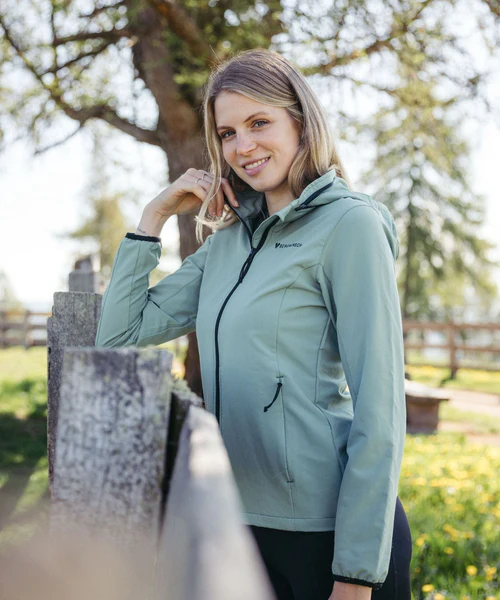
When choosing a softshell jacket, small differences can make a big impact. Not every model suits every everyday life or adventure. Ultimately, what matters here is what exactly is being sought – and how the jacket should feel.
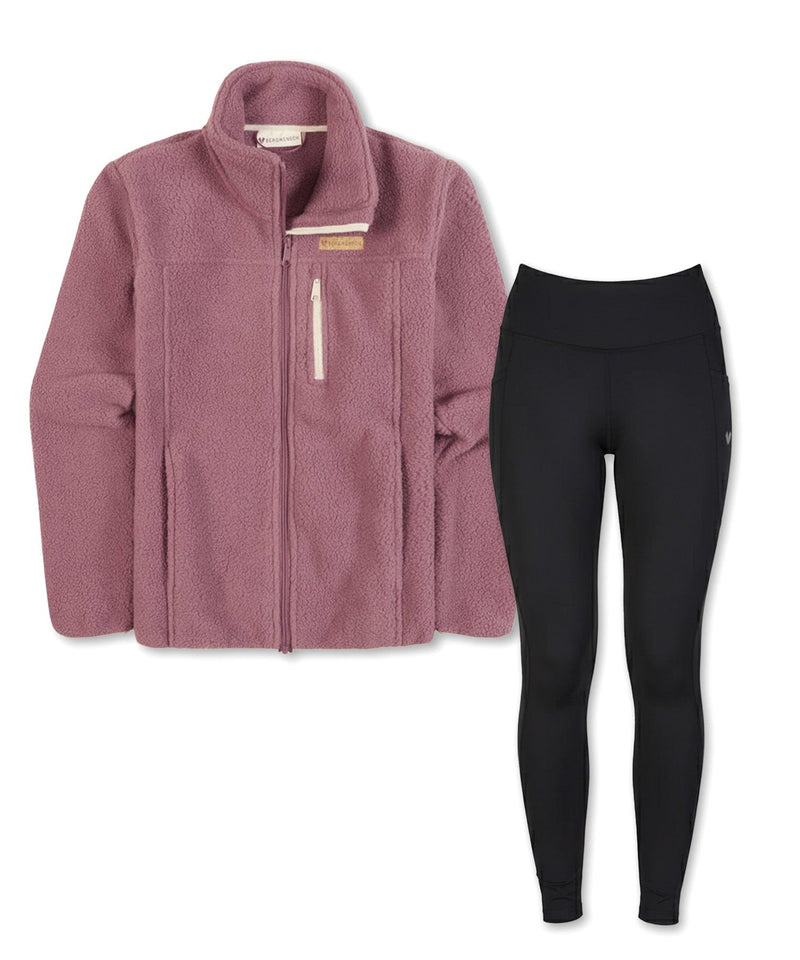
Also interesting: Sherpa Fleece Jackets
Fit and freedom of movement as selection criteria
Softshell jackets must fit well, but not be restrictive. A good fit means the jacket is comfortable, but allows room for movement. Flexibility is crucial, especially when hiking, cycling, or climbing.
Pay attention to these points when trying on different models:
-
The length of the sleeves – they should not be too short even when arms are outstretched.
-
Enough space at the shoulders and back, especially during movement.
-
Not too tight, so a thin layer can fit underneath, but also not too loose – otherwise, warmth will be lost.
Features such as zippers, hood, and pockets
Practical extras can make all the difference.
The following makes softshell jackets particularly suitable for everyday use:
-
Adjustable hood against wind and drizzle.
-
Numerous, easily accessible pockets for phone, keys, etc.
-
Waterproof or at least water-repellent zippers protect the contents.
-
Hem and cuffs can be ideally adjusted and retain warmth – especially in windy conditions.
Not every activity requires all features. Those who spend a lot of time outdoors will appreciate extras like ventilated pockets or underarm zippers. For everyday use, a simpler model is sufficient.
Sustainability and material origin
Environmental awareness is growing – also in outdoor clothing. When buying, it's worth looking at the material and manufacturing. Certificates like Bluesign® or recycled polyester often stand for better environmental standards.
An overview of what to look for:
|
Sustainable Features |
Meaning |
|---|---|
|
Recycled materials |
Reduce waste, conserve resources |
|
PFC-free impregnation |
Without environmentally harmful chemicals |
|
Fair production conditions |
Emphasis on safe and fair work |
It's worth choosing quality over quantity. Better one jacket that lasts a long time and is well-made than many cheap models that are worn out after a short time.
Every jacket is a compromise between protection, comfort, and environmental considerations. Those who know what they really need can easily find the right model.
Conclusion: Softshell jackets – Versatile companions for the outdoors
In the end, one thing remains clear: a softshell jacket is really practical when you spend a lot of time outdoors. It's light, comfortable, and protects against wind and light rain – but not in continuous rain. It's great for hikes, bike tours, or simply a walk in the park. I personally always reach for mine because it's not as stiff as a rain jacket and still keeps me warm. Of course, in really bad weather, you might need something over it, but for most days, it's perfectly sufficient. So if you're looking for a jacket that can handle almost anything and isn't too heavy, you can't go wrong with a softshell.
Frequently Asked Questions
What exactly is a softshell jacket?
A softshell jacket is a lightweight jacket made of multiple layers. It provides good protection against wind and light rain and is very comfortable. Its outer surface feels soft and yet is quite robust. It is primarily designed for outdoor sports activities.
Is a softshell jacket waterproof?
No, softshell jackets are usually only water-repellent, but not completely waterproof. They can withstand light rain. In heavy or prolonged rain, you should ideally wear a proper rain jacket.
What activities is a softshell jacket suitable for?
Softshell jackets are great for hiking, cycling, climbing, or everyday walks. They are ideal when you are very active and the weather is changeable. However, they are less suitable for very wet or cold weather.
How warm is a softshell jacket?
A softshell jacket provides more warmth than a thin rain jacket, but less than a thick winter jacket. Often, there is fleece or another soft material inside that retains warmth. If it's very cold, you can wear a sweater or a fleece jacket underneath.
How do I properly care for my softshell jacket?
You should ideally wash your softshell jacket with little detergent and no fabric softener. Let it air dry. If water no longer beads off, you can re-waterproof the jacket. This will keep it functional for a long time.
What should I look for when buying a softshell jacket?
Make sure the jacket fits well and allows you good freedom of movement. Numerous pockets, a hood, and sturdy zippers are practical. If sustainability is important to you, look for jackets made from recycled materials.





Share:
Is Merino wool animal cruelty? We're here to explain!
20 Awesome DIY Gift Ideas for Hikers!