




Who hasn't experienced this? You're happy about a new hiking sweater or a cozy blanket, and after a short time, small, annoying pills form.
This is called pilling. But where does it come from, and what can be done about it?
What is pilling?
Pilling, the formation of small knots on textiles, occurs when individual fibers detach from the fabric and then clump together into small balls due to friction.
These small lint balls are often found in areas that are particularly stressed.
This can happen during wear, for example, through contact with bags or other garments. But the washing machine is also a common trigger for pilling.
The influence of friction and wear
Friction is the main reason for pilling. If a garment constantly rubs against another surface – be it skin, a bag, or another part of the clothing – the fibers can loosen.
The undersides of sleeves, the sides of the torso, or shoulder areas where backpacks or bags rest are often particularly affected. This constant mechanical stress breaks the fibers and causes them to emerge from the yarn.
The role of fabric quality and fiber blend
Not every fabric is equally prone to pilling. The quality of the yarn used plays a major role. Short fibers, as often found in cotton or certain blended fabrics, are more likely to loosen and form pills.
Longer fibers are more stable and felt less quickly. The way the yarn is produced is also important. Less tightly twisted yarns are more susceptible because individual fibers can loosen more easily. Synthetic fibers can also cause pilling, especially when mixed with natural fibers.
Care errors as a trigger for pilling
Incorrect care can also promote pilling. Washing too hot or too aggressive a wash cycle can stress the fibers and lead to roughening of the fabric.
Drying in a tumble dryer at high temperatures can also damage the fibers. Even ironing with too much heat can impair the structure of the fabric and promote pilling. It is therefore important to follow the care instructions on the label exactly.
Is pilling a defect?
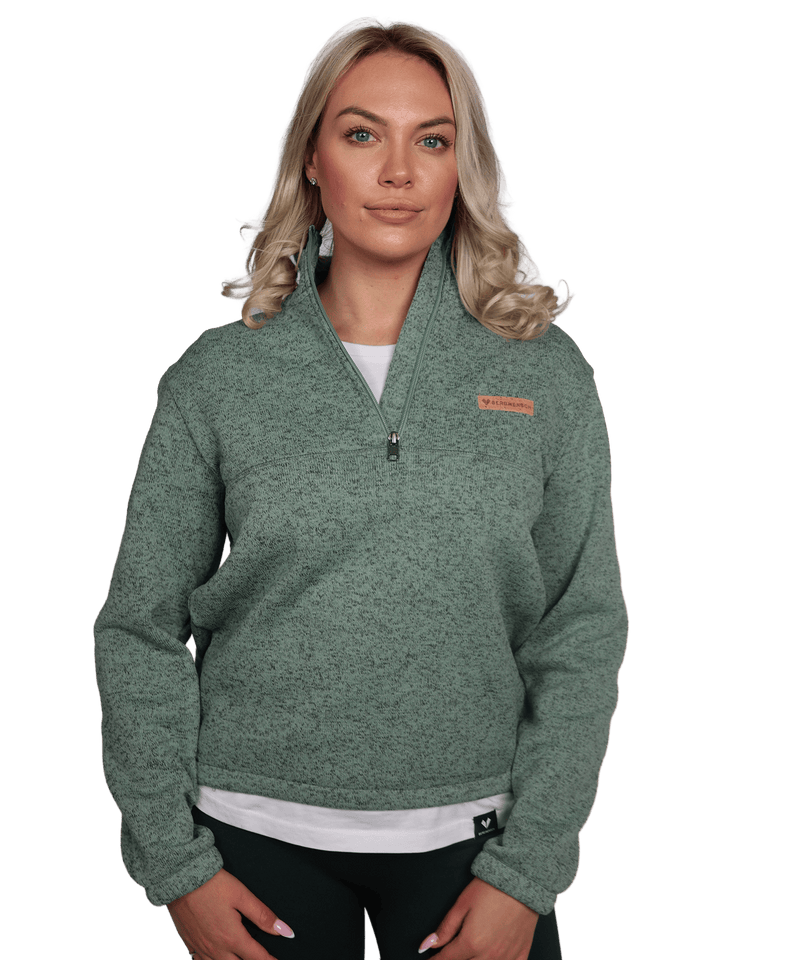
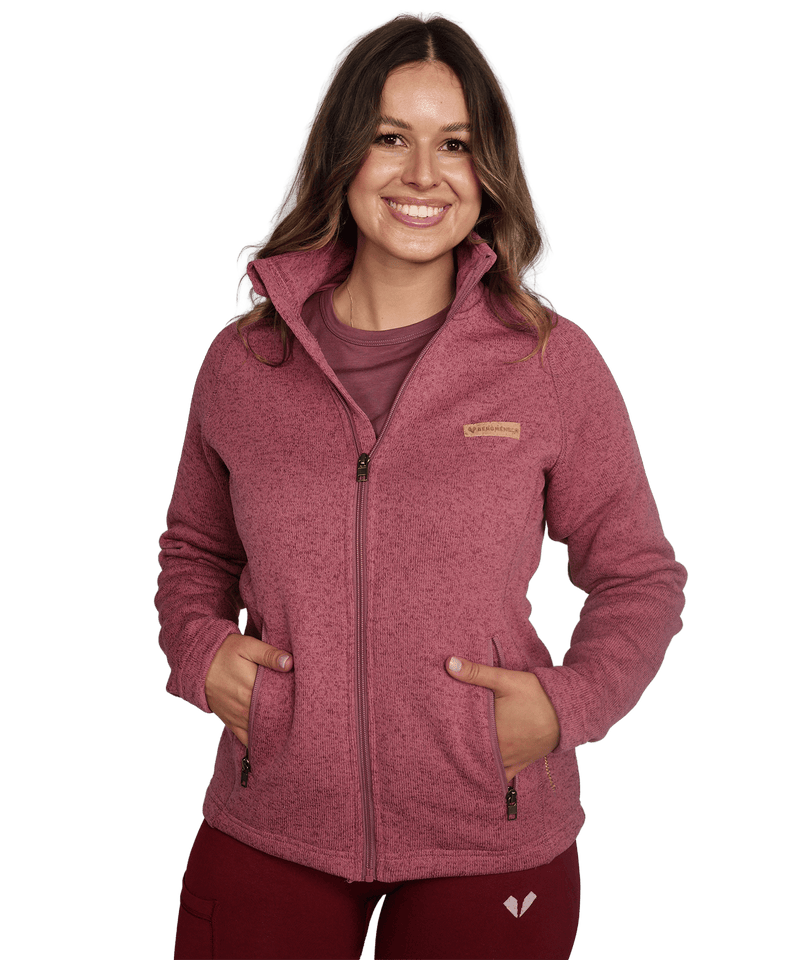
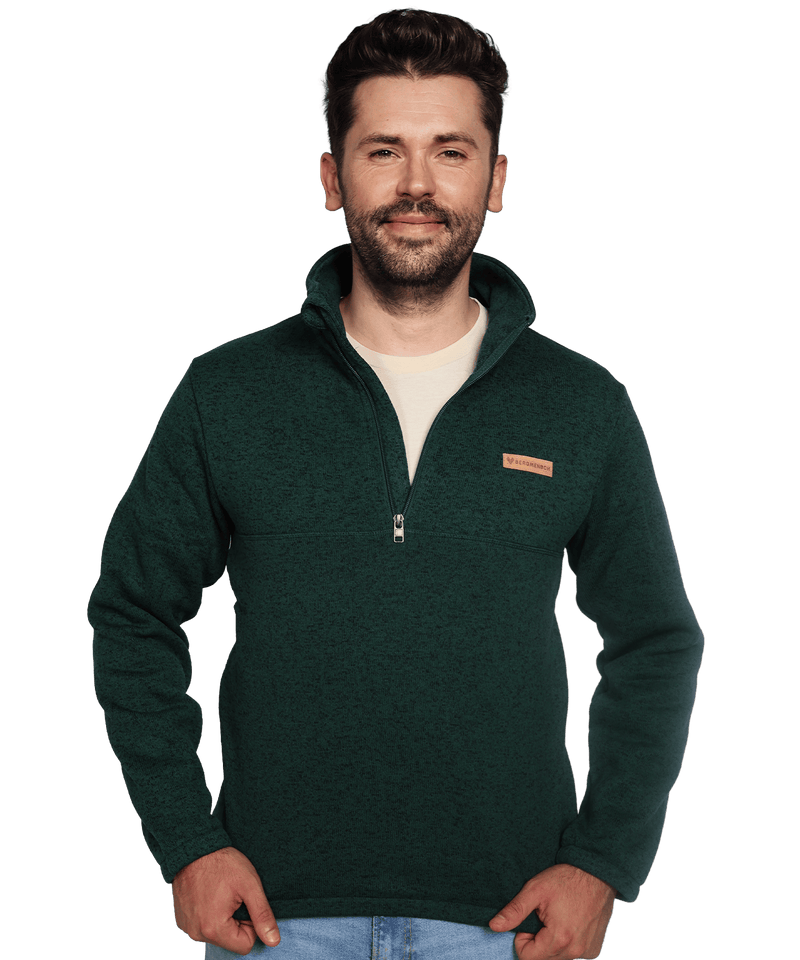
At Bergmensch, we rely on high-quality materials, but even here pilling can occur.
In most cases, however, pilling is not to be regarded as a quality defect, but as normal wear and tear. It also occurs with high-quality textiles such as merino wool, as their fine natural fibers react sensitively to friction.
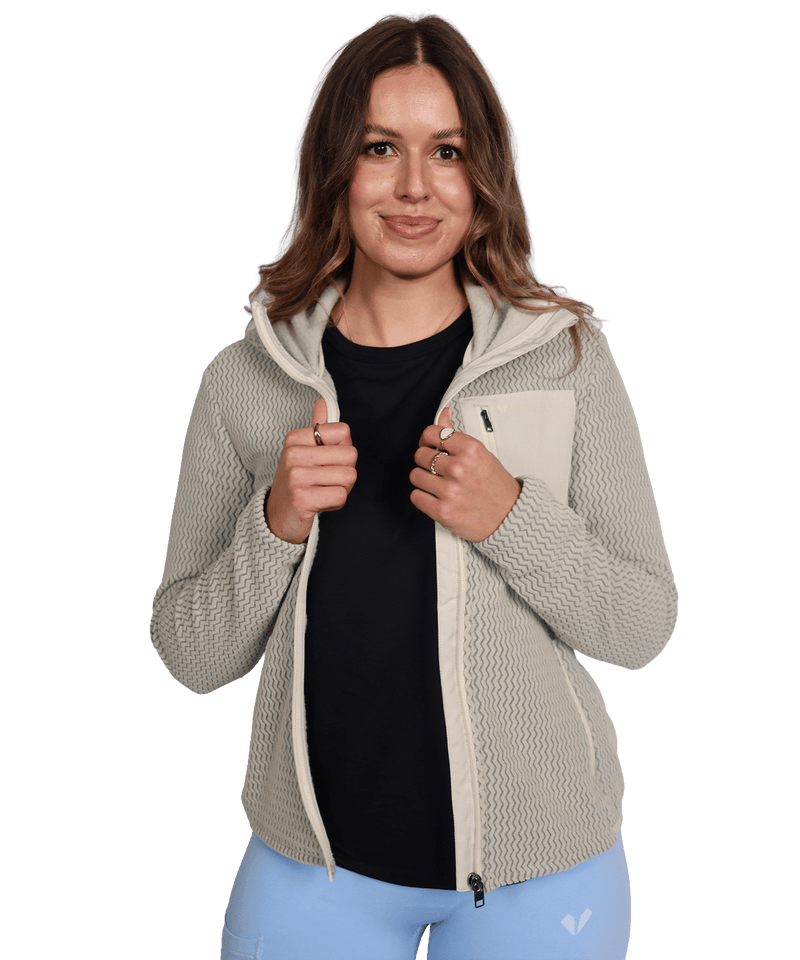
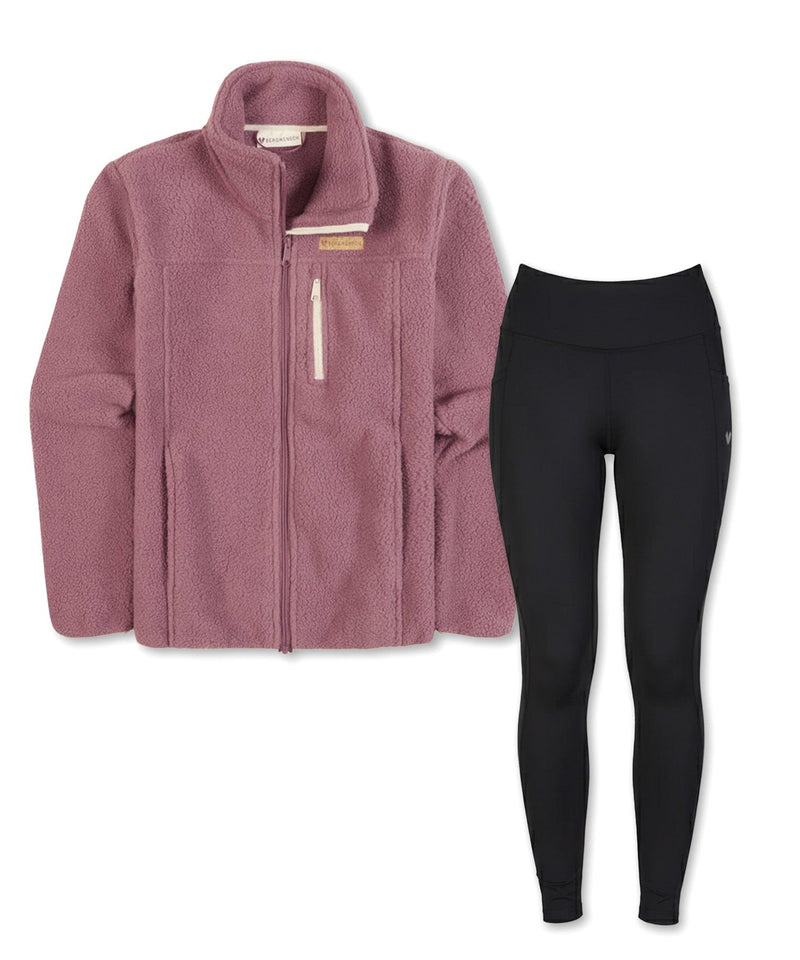
Sherpa fleece is a synthetic fabric with a fluffy structure that naturally tends to pill. Only in the case of extremely severe pilling after a very short time can a complaint be justified.
Which materials are particularly susceptible to pilling?
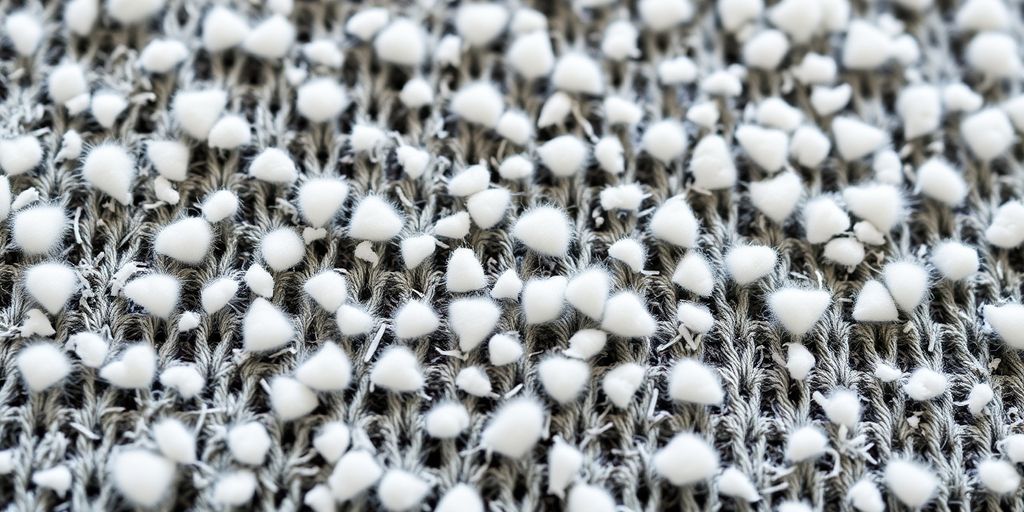
Some fabrics are more prone to pilling than others. This is often due to the type of fibers and how they are processed. Short fibers tend to loosen and form small knots. This happens particularly with materials that are exposed to a lot of friction.
Short-staple fabrics and their tendency to pill
Fabrics made from short fibers are more prone to pilling. These fibers are not as firmly anchored in the yarn. Due to friction, such as during wear or washing, they can loosen more easily. If these loose fibers then snag with other fibers, the typical small balls form.
This is a completely normal process, but it occurs more quickly with short-staple materials.
Peculiarities of cotton and wool
Cotton can fray quickly, leading to small balls on the surface, especially at seams. Short cotton fibers break more easily due to friction. Wool is very susceptible to felting and pilling due to its scaly fibers.
The friction between the stitches creates small lint. Even fine wool like cashmere, although very soft, is sensitive and tends to fray. Here, special care is required.
Synthetic fibers and their interaction
Synthetic fibers like polyester or polyamide can be spun endlessly, which holds them well in the yarn. However, their smooth surface can lead to less friction in the yarn.
Paradoxically, this can cause these fibers to loosen more quickly. In blended fabrics with natural fibers, the different properties can become apparent. Some fibers yield, while others felt.
Here is an overview of the individual materials and pilling:
Material |
Pilling Susceptibility |
Cause |
Care Instructions |
|---|---|---|---|
Cotton |
Medium |
Short fibers, especially in blends |
Delicate wash, wash inside out, low spin speed |
Wool |
High |
Soft, natural fibers felt easily |
Hand wash or wool program, use wool detergent |
Merino Wool |
Medium to high |
Very fine fibers, tends to pill with friction |
Gentle cycle, do not rub, dry flat |
Polyester |
High |
Synthetic fibers statically charge, attract loose fibers |
Choose short programs, do not use fabric softener |
Viscose |
Medium to high |
Smooth, delicate fibers, pills especially with friction |
Wash gently, do not dry too hot |
Acrylic |
High |
Inexpensive synthetic fiber, highly prone to pilling due to fiber breakage |
Wash cold, do not tumble dry |
Linen |
Very low |
Long, strong fibers, hardly sensitive to friction |
Easy care, requires little caution |
Silk |
Low |
Smooth fiber, low friction, few loose fibers |
Hand wash only or professional cleaning |
High |
Rough surface, a lot of friction during use |
Wash inside out, do not dry too hot, do not wash too often |
|
Jeans (Denim) |
Low |
Robust cotton with firm weave |
Normal machine wash, low spin speed for stretch denim |
Effective strategies to prevent pilling
Pilling can be annoying, but with a few simple tricks, it can often be avoided. It's about treating clothes correctly so that the fibers don't break down as quickly. This not only saves money but also keeps your wardrobe looking good for longer.
Choosing the right materials for durable clothing
Even when buying clothes, you should pay attention to quality. Fabrics made from longer fibers are less prone to pilling. Woven fabrics are often more robust than knitwear. For example, if you buy a new knit item, you can gently rub it to see if fibers easily detach.
This is an initial indication that it might pill later. Pay attention to the material composition. Pure cotton or wool can be good, but often blended fabrics with a small percentage of synthetic fibers like polyester or polyamide are more resistant to pilling. This is because these fibers are stronger and do not loosen as easily from the yarn. It's a bit like building: stronger building blocks last longer.
Gentle washing practices to reduce pilling
Too high temperatures, too much spinning, or washing with other abrasive garments can worsen the problem. Therefore, it is important to follow the care instructions on the label exactly. Turn delicate garments such as sweaters or cardigans inside out before washing.
This protects the outside from direct friction. Use a mild detergent that is specifically suitable for delicate textiles. Avoid overloading the machine. A half-full drum is better so that the clothes have enough space and don't snag too much. Wash similar materials together, i.e., no jeans with fine wool sweaters. Lower washing temperatures, ideally 30 degrees, are also a good tip. This saves energy and protects the fibers.
Drying and ironing techniques against pilling
Even after washing, there is still a lot you can do. It's best to let clothes air dry. Hang sweaters or knitwear flat on a drying rack so they retain their shape and don't stretch. Avoid tumble dryers, as the heat and friction in the dryer can strongly promote pilling.
If you do have to iron, use a low temperature setting and iron the clothes inside out. Some irons also have a steam function that can help smooth the fibers. But be careful, too much heat can also cause damage here. If you are unsure, test it on an inconspicuous area first.
Pilling is often a sign of friction. By minimizing friction during washing and drying, the formation of fiber knots can be significantly reduced. Proper care is key to long-lasting clothing.
There are also special aids that can help prevent pilling. For example, there are special laundry bags for delicate textiles. These provide additional protection for clothes against friction in the washing machine.
Sorting laundry by color and material is also important to avoid unwanted friction.
For example, if you have a new, brightly colored garment, it's best to wash it separately until you are sure it no longer bleeds color. This not only prevents stains but also prevents loose fibers from transferring to other garments.
Proper preparation of the laundry is therefore just as important as the actual washing. If you pay attention to these details, you can significantly extend the life of your clothes and keep them looking like new for longer. It's worth investing a little more time in care to enjoy durable clothing.
Practical solutions for removing pilling
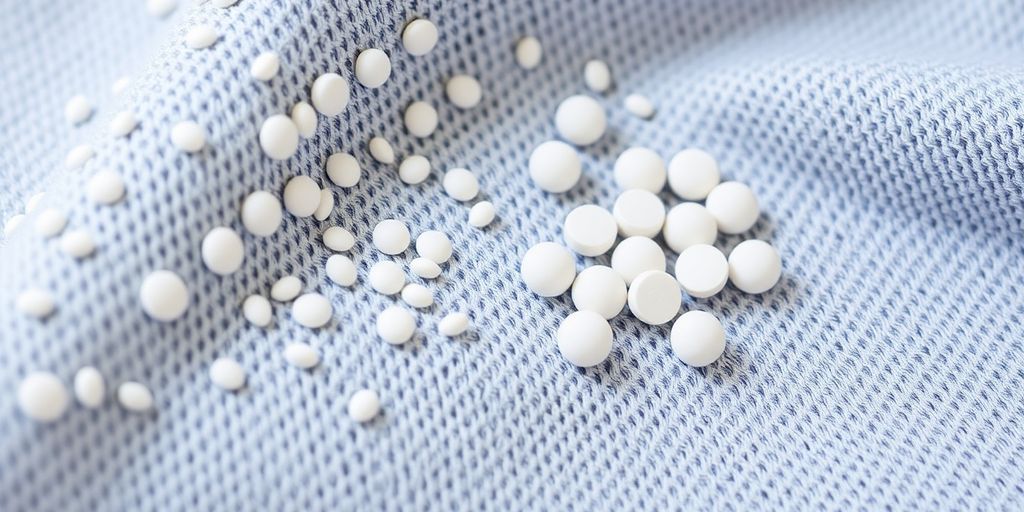
When small knots form on your favorite items, it's annoying. But don't worry, there are ways and means to deal with pilling. Often, it's just small adjustments that make all the difference.
The fabric shaver as a quick fix
A fabric shaver is probably the best-known method for getting rid of small fiber balls. You gently run it over the fabric. The blades cut off the protruding fibers. This makes the surface smooth again. It is important not to press too hard to avoid damaging the fabric. These devices are often battery-operated and very easy to use. They are suitable for many textiles, from sweaters to blankets.
Alternative tools for pilling removal
In addition to the shaver, there are other helpers. A lint comb or a special clothing brush can also do a good job. These often have fine teeth that gently pull the pilling out of the fabric.
Even a simple lint roller can help with light pilling. You dab it over the affected areas. The loose fibers stick to the tape. For delicate materials such as cashmere or fine wool, these gentler methods are often more suitable.
Home remedies and natural approaches against pilling
Sometimes you need a quick fix and no special tool is at hand. Then home remedies can help. A piece of adhesive tape wrapped around your fingers (sticky side out) can act like a lint roller. You dab it carefully over the pilled areas.
A pumice stone or a special pilling stone can also be used. You gently rub it over the fabric. Caution is advised here to avoid causing holes. These methods are often a quick emergency solution, but for severe pilling, special devices are usually more effective.
Pilling and the aesthetics of your clothing
Pilling can quickly impair the appearance of clothing. Small knots on the surface quickly make even high-quality textiles look worn and unkempt. But there's no need to panic. Pilling is a normal phenomenon that occurs with many fabrics due to normal wear and tear.
Dealing with pilling on delicate textiles
Particularly fine or delicate fabrics such as wool, cashmere, or silk are susceptible to pilling.
Gentle treatment during washing and drying is crucial.
Turn clothes inside out before washing to protect the fibers.
Use special detergents for wool or delicate items.
Avoid aggressive wash programs and high spin speeds.
Lay flat to dry to prevent friction and deformation.
Iron only at low temperatures, if necessary at all.
Restoring the appearance of clothing
If pilling has formed, there are various ways to restore the appearance.
A fabric shaver is the fastest and most effective method for removing the knots.
The devices remove the pills gently from the fabric surface without damaging the material.
Alternatives: special lint brushes or even a simple adhesive strip can pick up loose fibers.
For stubborn cases, a fine comb or a special textile blade, carefully guided over the fabric, can help.
It is important to proceed gently to avoid damaging the fabric.
The goal is to restore the garment's original smooth surface.
When can a garment no longer be saved?
Severe, deeply embedded pilling often cannot be completely removed.
Matted fibers or thin fabric lose their shape and feel.
Such items are best worn only at home or used as cleaning rags.
Separation is more sensible than constant annoyance about the appearance.
Good care extends lifespan – but not every garment is eternally durable.
In summary: Pilling is not the end of the world
So, pilling is really no reason to panic. It just happens when fabrics rub against each other or simply get older. We've seen that good care, meaning not washing too hot and perhaps turning inside out, helps a lot.
And if these small knots do appear, fortunately, there are aids like the lint shaver that make things nice and smooth again. With a few simple tricks, you can really make your clothes look good for longer. So, don't get annoyed, just act!







Share:
Calculate Your Maximum Heart Rate for Outdoor Activities – Tips & Formula
20 Genius Gifts for Nature Lovers