




Traveling alone is a great thing, no question. You are your own boss, you can do what you want, when you want. Especially if you don't have much experience, traveling alone can also be a bit challenging. Here are a few tips to help you make your solo adventures even safer and more relaxed, so you can fully concentrate on the experience!
1. Only take the essentials when traveling alone!
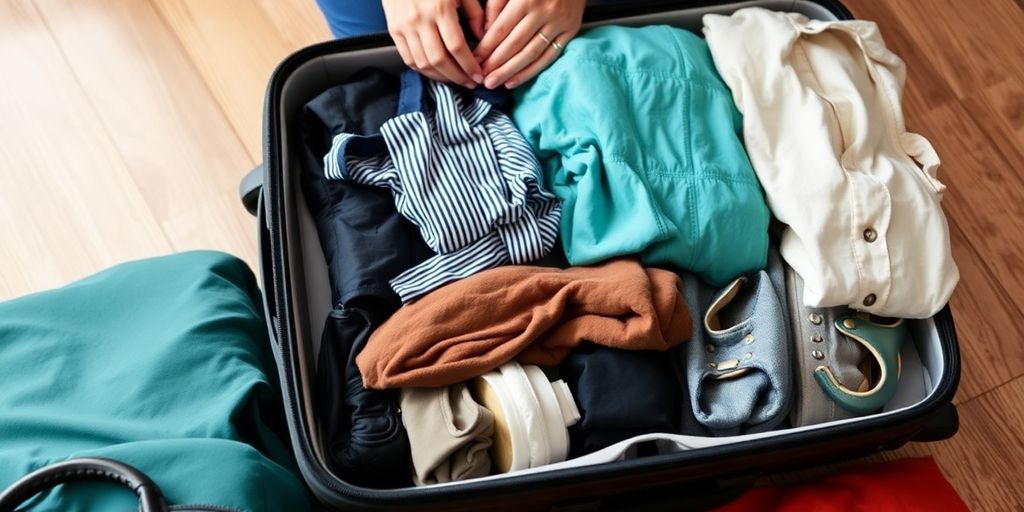
When traveling alone, it's often best to pack only the essentials. A light backpack or suitcase makes you more flexible. You can get from one place to another faster and are less likely to get tired. Plus, it's easier to move around in crowded areas if you don't constantly have to worry about bulky luggage.
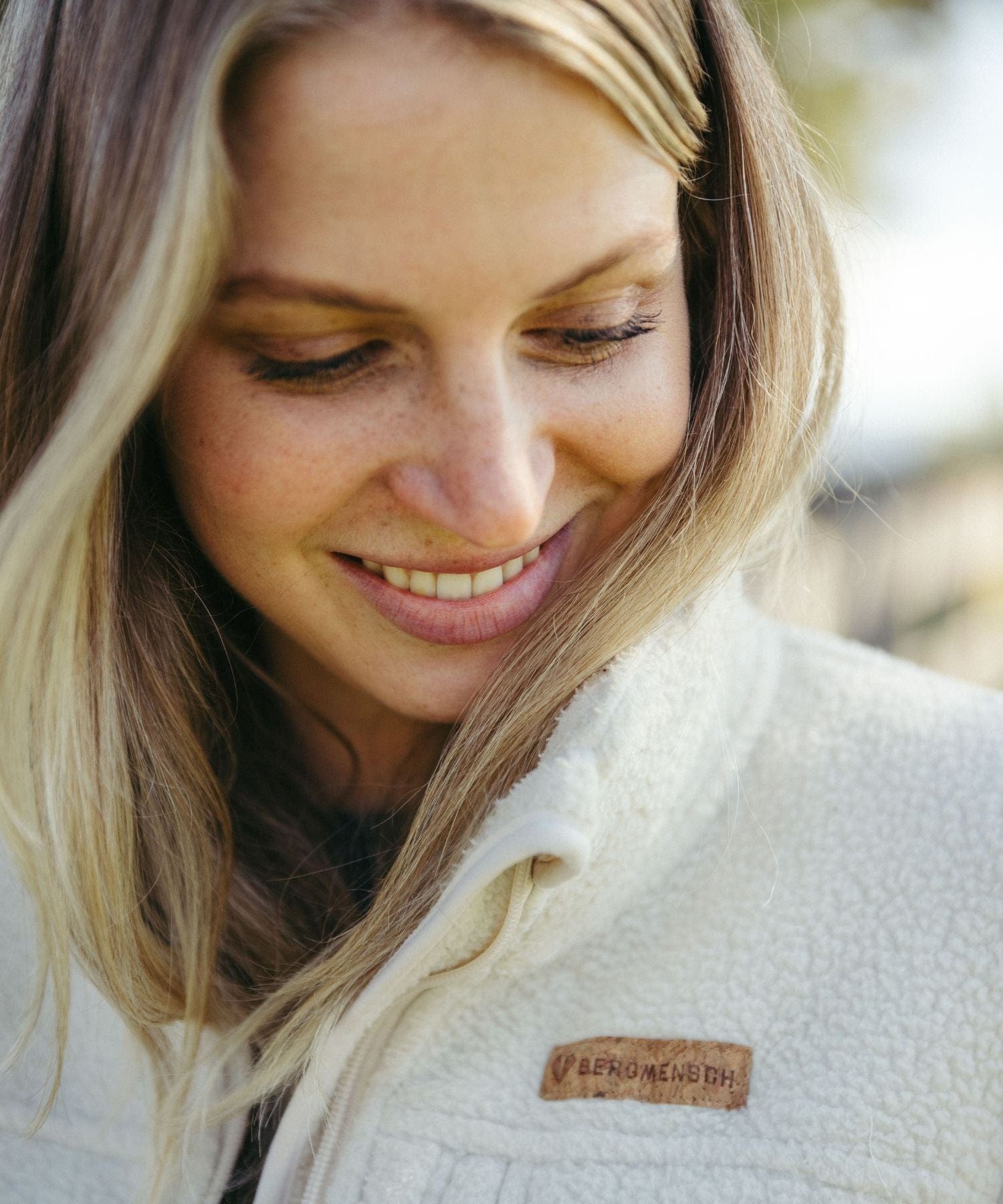
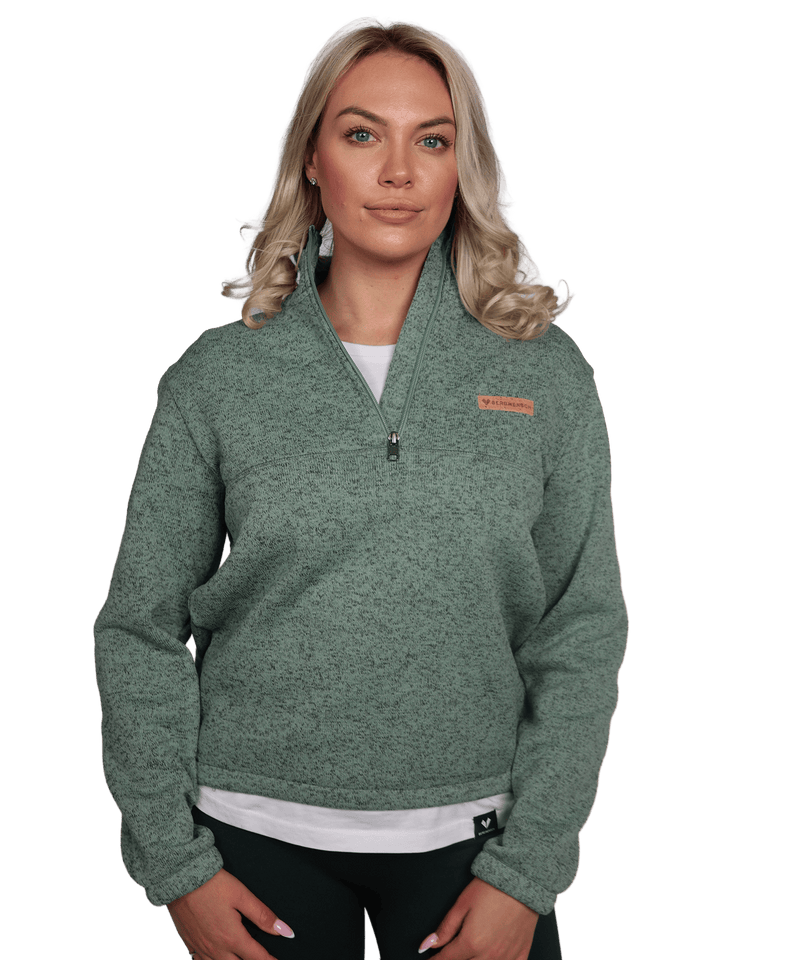
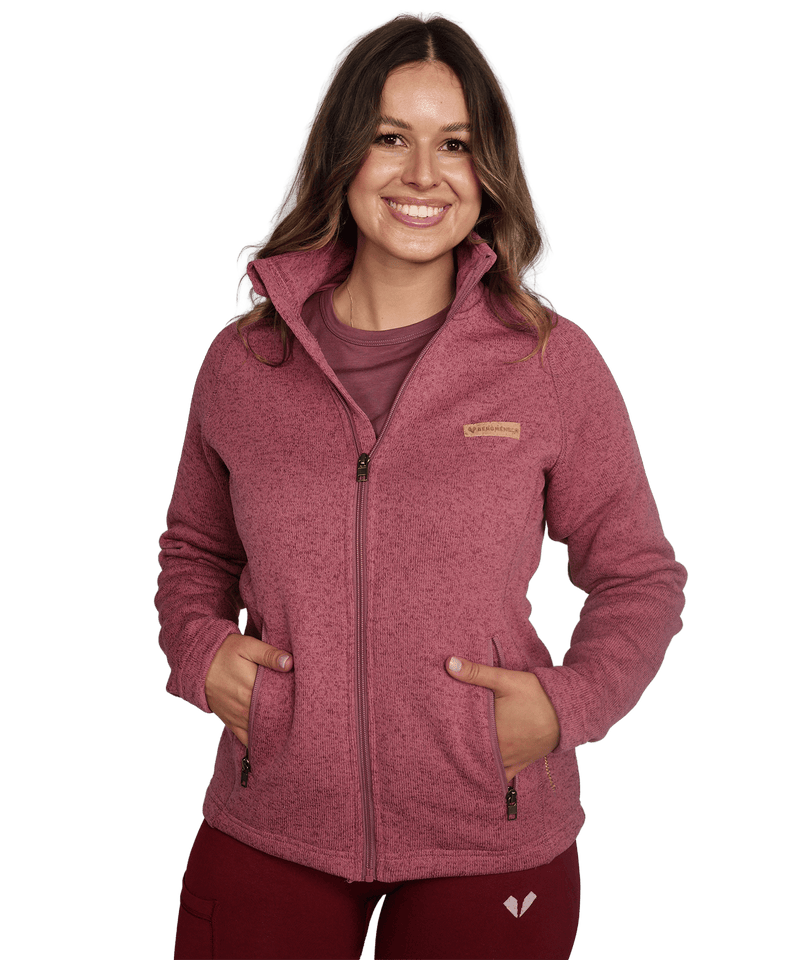
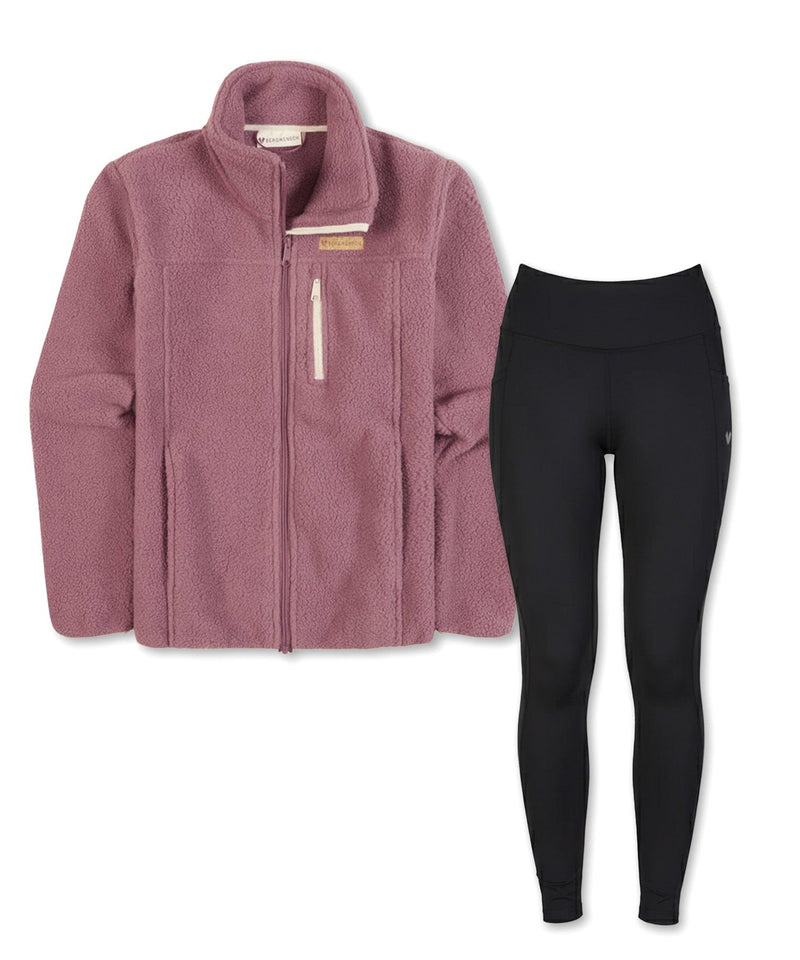
Think carefully about what you really need. Often, people take too much, which then stays at home anyway. Pack clothes that you can combine in many ways. Functional items like the Sherpa Fleece from Bergmensch are particularly practical.
It keeps you warm, is lightweight, dries quickly, and fits both in the city and in nature. Exactly these kinds of clothes are ideal when traveling alone because they serve multiple purposes – you need to pack less and are still prepared for various situations.
Opt for neutral colors that can be easily combined, and for layers that you can adjust depending on the weather. Lightweight outdoor trousers, a comfortable functional shirt, and a warm but not too bulky jacket belong in every backpack.
Less is more, especially when you're on the go. Lighter luggage means more freedom and fewer worries.
Pack clothes that you can wear multiple times without them immediately becoming uncomfortable or smelling strongly. Functional materials are a clear advantage here.
Only take the most important toiletries. Often, hotels or accommodations provide these things on site. Use travel sizes for liquids – that saves space and weight.
Leave unnecessary electronics at home. A smartphone and power bank are often enough for many things.
A lightweight backpack is your best friend when traveling. It allows you to be spontaneous and concentrate on the experience instead of struggling with your luggage – and with the right clothing like a Sherpa fleece, you are perfectly equipped for any situation.
2. Trust your gut feeling when traveling solo!
Sometimes a situation just doesn't feel right. That's your gut feeling. It's important to listen to it, especially when you're traveling alone. This inner feeling can protect you from unpleasant or even dangerous situations. It's like a built-in compass that helps you find the right path.
If you feel unsafe in a place or a person seems strange to you, take it seriously. Maybe it's the way someone looks at you, or a street that seems too dark and deserted. Trust this intuition. It's often more accurate than you think. It's not a weakness to be cautious; it's smart.
Traveling alone sharpens this perception. You become more attentive to your surroundings and learn to interpret your body's signals better. This is a skill that is often forgotten in everyday life. If you decide to accept an invitation or take a certain path, do so because it feels right, not because you feel obligated.
It's absolutely okay to say "no" sometimes if something doesn't feel right. Your safety and well-being come first. If you feel unsafe, it's better to play it safe, even if it means skipping an activity or choosing a different path. This way, you can enjoy your trip without worries and concentrate on the positive.
Developing and following this inner voice is an important part of solo travel. This way you learn to protect yourself better and to maintain your boundaries. This strengthens self-confidence and makes you more independent. It's a good idea to research the destination, but personal impressions are just as important. Sometimes it helps to exchange ideas with other travelers, but ultimately your own feeling counts.
3. Copies of important travel documents
Travel documents are important. Losing them can jeopardize the entire trip. Therefore, it is advisable to make copies of them.
Digital copies are invaluable. Take photos of your passport, ID card, and flight tickets. Save these images securely in the cloud or email them to yourself. This way, you always have access to them in an emergency.
It's also a good idea to carry a physical copy with you. Keep it separate from the originals. This provides additional security in case your phone is lost or the battery dies.
The most important documents at a glance:
Driver's license
Vaccination card
Booking confirmations for hotels or tours
Credit card statements (only the relevant parts)
This precaution only takes a few minutes, but it can save a lot of trouble in an emergency. It's a small step for great security when traveling.
4. Inform your loved ones
When you're traveling alone, it's a good idea to let someone at home know your rough whereabouts. This provides security in case something unforeseen happens. You can also agree on fixed times to check in. This way, those back home know that everything is going according to plan.
How to inform your loved ones:
Write down a rough itinerary.
Provide important contact details, such as hotel numbers or the number of an emergency contact person.
Arrange regular check-ins, for example via message or call.
It is also helpful to photograph important documents such as passports and flight tickets and save them digitally. This way, you always have access to them in an emergency, even if the original is lost. This provides an additional sense of security when traveling.
5. Learn the language
When you're traveling alone, it can be a real challenge to strike up a conversation with locals. But don't worry, knowing a few phrases in the local language opens doors. It shows respect and interest in the culture.
Small gestures make a big difference. Even a simple "hello," "thank you," or "please" in the local language can make interactions with locals much more pleasant. It's not only practical for communication but also a great way to meet new people and gain deeper insights into local life.
You don't have to be a language genius. Focus on the most important phrases you'll encounter in everyday life:
Greetings and goodbyes
Asking for directions
Ordering in a restaurant or cafe
Simple polite phrases
There are many apps that can help you practice pronunciation. Small notebooks with the most important vocabulary are also invaluable. Sometimes a smile and a gesture are enough, but the right words are often the key to a warm encounter. It's simply more fun when you can communicate a little.
6. Translators make solo travel easier
Foreign countries, foreign customs – and often foreign languages. This can be a real hurdle when traveling. But don't worry, modern technology helps immensely. Translation apps are golden when words fail you. They're like a personal interpreter in your pocket.
These apps can do more than just translate individual words. They help with entire sentences and sometimes even with pronunciation. This is super practical for ordering in a restaurant, asking for directions, or simply starting a short conversation with locals. This makes communication easier and often more fun.
There are many different apps you can use. Some only work with an internet connection, others also offer offline translations. This is particularly useful when you're on the go and can't always be online. Simply download the necessary language packs beforehand.
7. Keep an eye on your surroundings!
When you're out and about, it's important to keep a good eye on your surroundings. This means being aware of what's happening around you. Pay attention to people who might be staring at you for too long or acting suspiciously. The environment itself also provides clues: Are the streets well-lit? Are there many people or is it very deserted?
Be aware of your surroundings. This helps to identify potential problems early. If you are in a new city, take some time to look around before diving headfirst into the hustle and bustle. A good tip is to sit in a cafe and observe people. This way, you can get your bearings in peace and don't have to stand on the street with a map, which could make you an easy target.
Mindfulness is your best friend when traveling. This doesn't mean you have to be paranoid, but a healthy dose of caution never hurts. If you are in a crowd, be especially aware of your valuables. Pickpockets are often active in busy areas.
Here are a few things you can look out for:
Crowds: Be careful in crowds. Hold your bags tightly and be aware of your surroundings.
Unknown offers: Be skeptical of offers that are too good to be true or unexpected offers of help from strangers.
Escape routes: Consider in advance how you could quickly leave a place if necessary.
8. Avoid poorly lit streets
When it gets dark, it's advisable to be extra vigilant. Dark and poorly lit streets can pose an increased risk. It's better to choose busy routes, even if they might mean a small detour. If possible, use public transport or licensed taxis instead of walking through unknown areas.
Avoid isolated and poorly lit alleys.
It's always a good idea to inform yourself about the safety of the area you're staying in beforehand. Local recommendations or travel guides can help with this. If you feel unsafe, don't hesitate to take a taxi or move to more populated areas.
9. Always keep an eye on your luggage
When traveling alone, it's important to keep an eye on your luggage. This is especially true on public transport such as trains or buses. If you fall asleep there, your belongings are unguarded. This makes it very easy for thieves.
It's best to always keep your luggage with you, even if you're just going to the restroom or looking around the hotel. A little trick is to secure your luggage with a lock to a fixed object, such as a railing. This makes it not so easy to take it away.
Never leave your luggage unattended.
Bags and suitcases are a popular target for thieves, especially in crowded places or when you are briefly distracted. You should always pay attention to where your belongings are.
If you are on a train or bus and nod off for a moment, your belongings are defenseless. Thieves often take advantage of such moments to strike. It is therefore advisable to remain vigilant or to secure your luggage so that it cannot be easily taken away.
10. Pay attention to reviews

When choosing accommodation, it is important to pay attention to the opinions of other travelers. Good reviews are a sign of reliability and safety. Take a close look at the comments. Are there many positive reviews regarding cleanliness and service? These are good indicators.
Detailed experience reports are particularly helpful. They often provide insights into aspects that are not apparent at first glance. Pay attention to recurring positive or negative points in the reviews. This helps to get a clear picture.
It is also worthwhile to check the profiles of the reviewers. Are they authentic travelers with multiple contributions? This makes the reviews more credible. This way, you can avoid disappointment and find a place where you feel comfortable.
Good accommodation is more than just a place to sleep. It is an important part of the travel experience, especially when traveling alone. A safe and pleasant base provides security and allows you to enjoy the trip carefree. Therefore, research carefully before making a booking.
Conclusion: Your solo adventure awaits!
Traveling alone is more than just a vacation; it's a chance to rediscover yourself. Sure, sometimes it might be a little uncertain or you might feel alone, but the freedom to decide everything yourself is priceless. Remember, you don't have to be a superhero to get started. With good preparation and a little courage, your trip will be an unforgettable experience. So, pack your bags and get ready for your own adventure – the world is waiting for you!











Share:
Funny Gifts for Hikers - Simply Hilarious!
Practical gift ideas for hikers!